A large share of Belize is still covered by forest, protected in sanctuaries and reserves that shelter howler monkeys, toucans, hundreds of bird species and the elusive jaguar.
Belize’s reserves are spread across the country, so it helps to pair each with a nearby base: Cockscomb with the south coast around Hopkins or Placencia, Crooked Tree and Lamanai with the north, and the Cayo District with the west. Early mornings are best for birds and monkeys, and a local guide greatly increases what you see. Allow a day for each reserve, or stay at a jungle lodge for a fuller experience. Light, long clothing and insect repellent are essential.
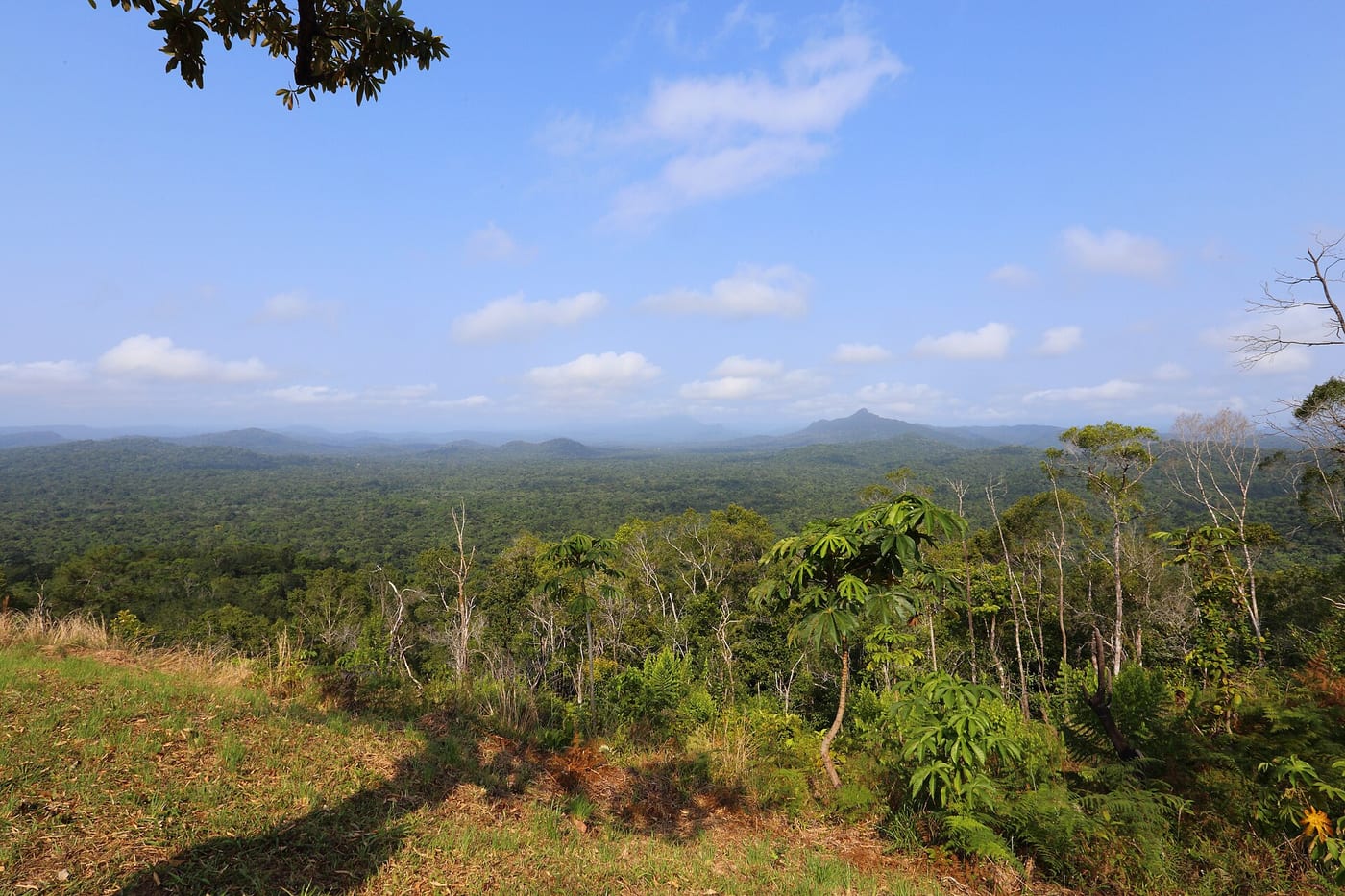
A large protected forest basin in the Maya Mountains, set aside to protect jaguars, with trails to waterfalls and river pools. Jaguars are rarely seen, but tracks and many birds are common on the trails.
Photo: Cephas · CC BY-SA 4.0 · Wikimedia Commons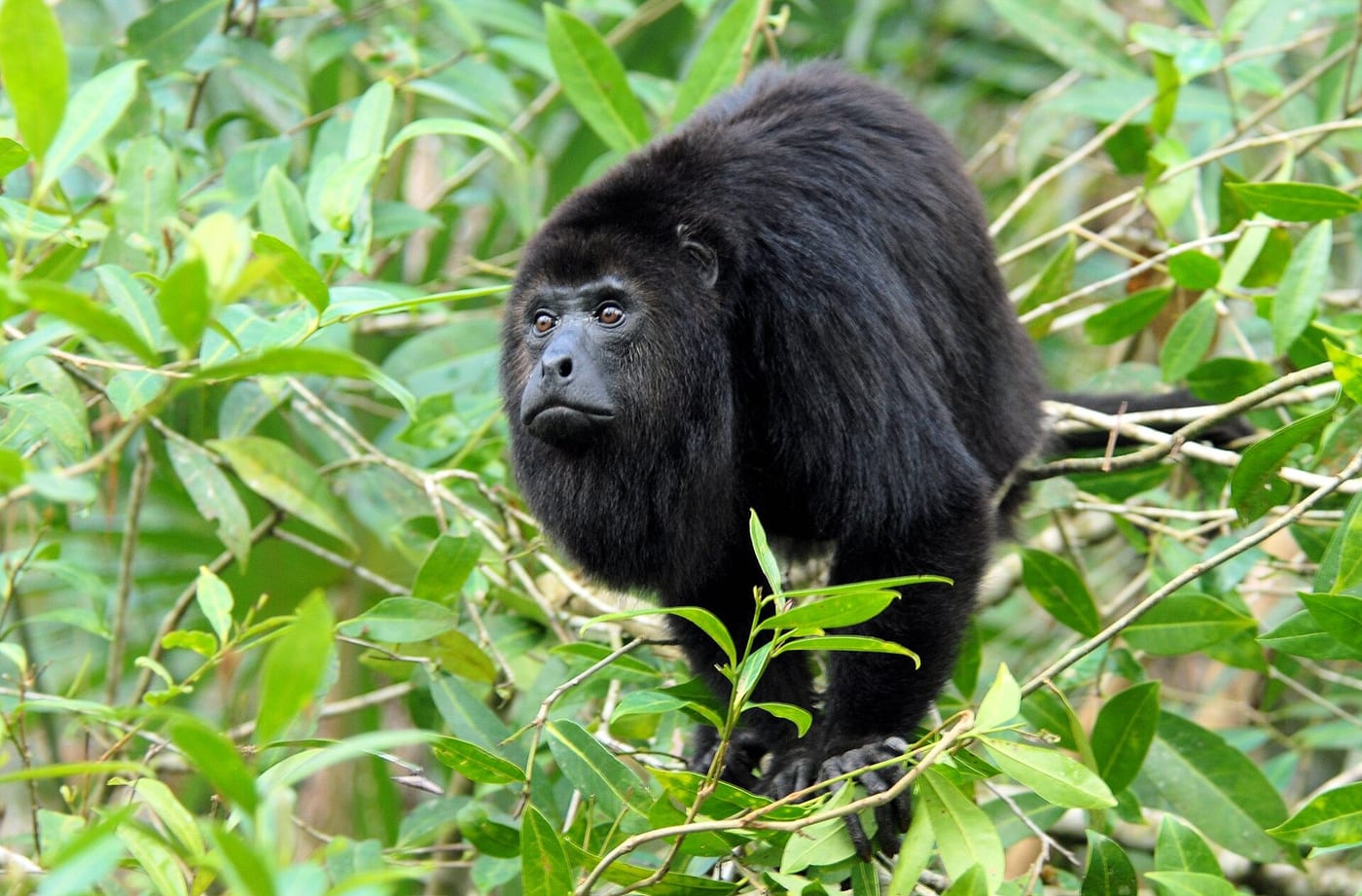
Black howler monkeys, known locally as baboons, are famous for loud roaring calls that carry far through the forest at dawn. The Community Baboon Sanctuary near the Belize River is a well-known place to see them.
Photo: Dave Johnso · CC BY 2.0 · Wikimedia Commons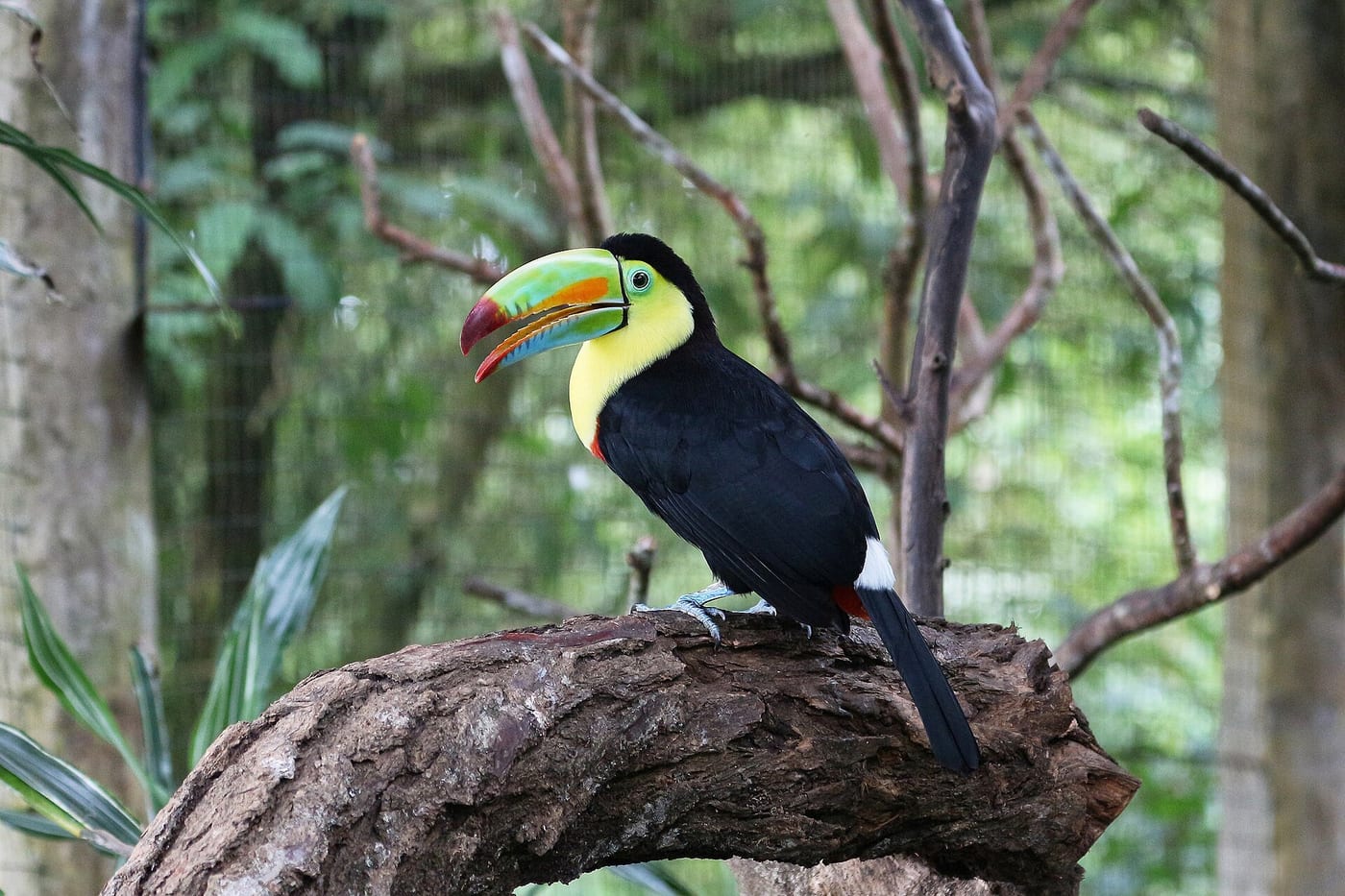
The keel-billed toucan, Belize’s national bird, has a huge rainbow-coloured bill. Look for it in fruiting trees at forest edges, often in small groups.
Photo: Bernard Gagnon · CC0 · Wikimedia Commons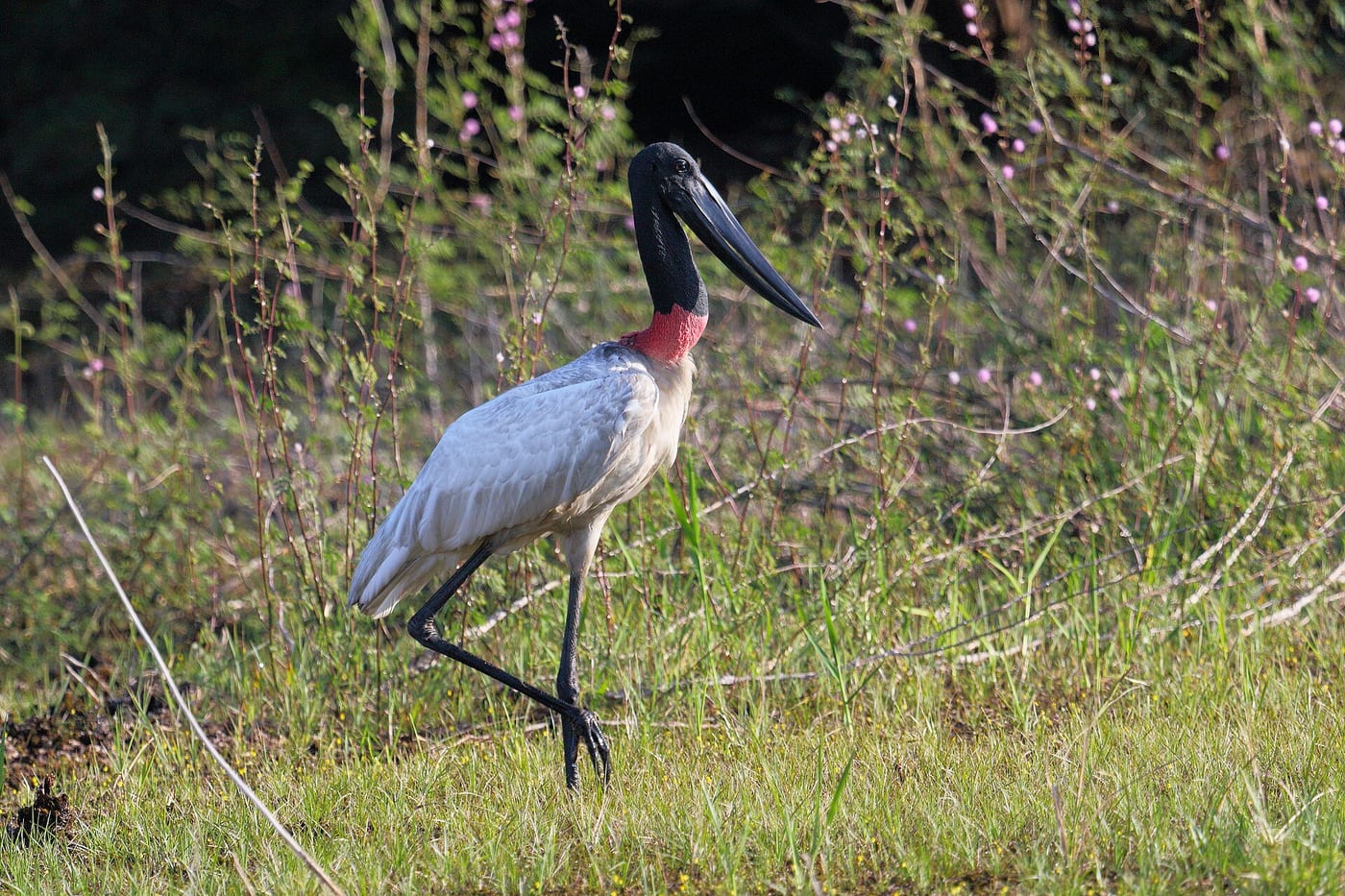
A network of lagoons and wetlands in northern Belize that attracts large numbers of waterbirds, including the jabiru stork. The drier months, when water levels fall, are usually best for birdwatching by boat.
Photo: Cephas · CC BY-SA 4.0 · Wikimedia Commons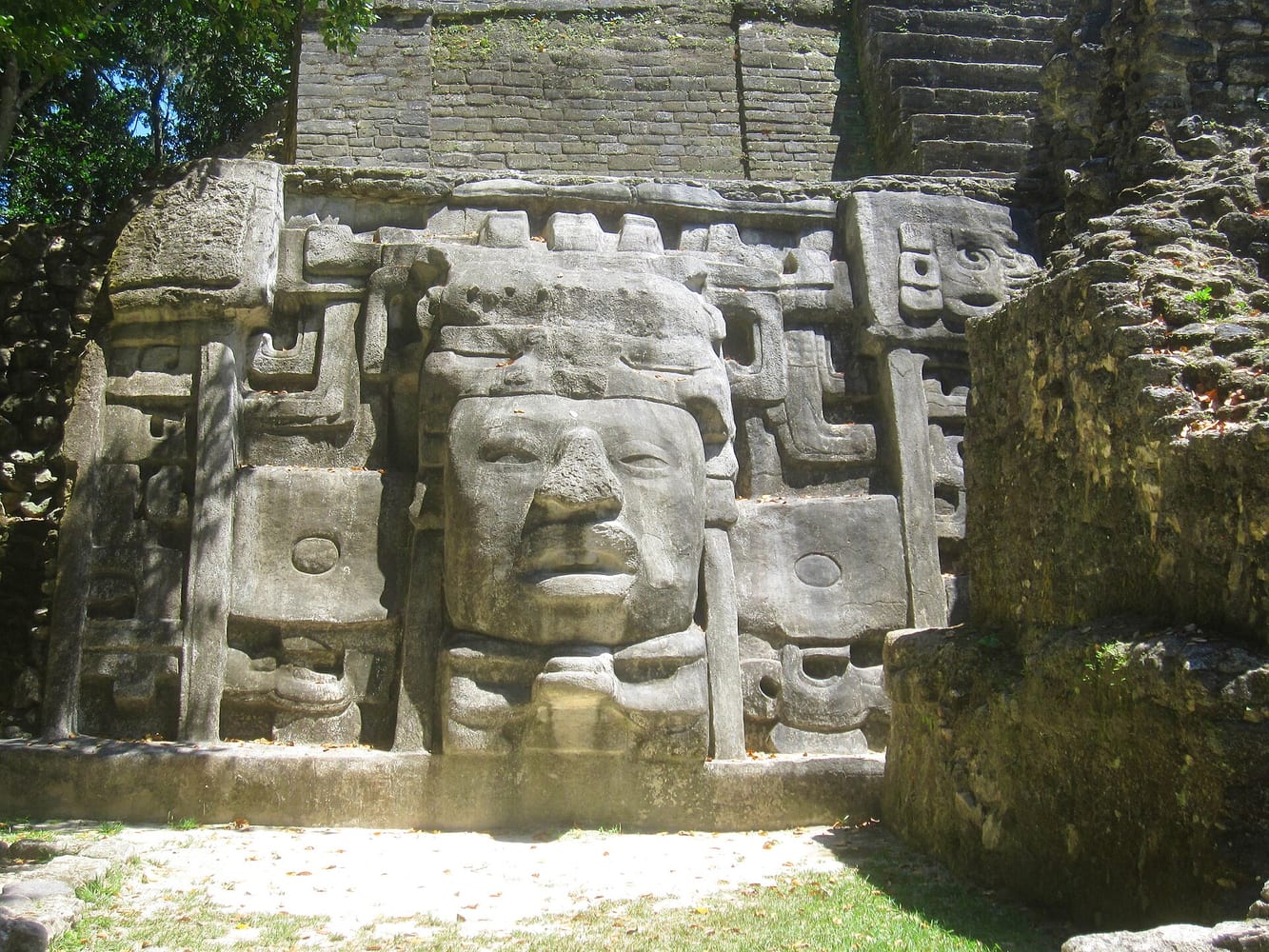
A Maya site deep in the forest beside the New River Lagoon, reached by a scenic boat trip with good chances of spotting birds and crocodiles. The Mask Temple, with its large carved faces, is a highlight.
Photo: Alma Ayon · CC BY 2.0 · Wikimedia CommonsEntry requirements, visas, health advice and safety conditions change. Before you travel, check Smartraveller and the official sources of each country.