One of the largest tropical wetlands in the world, where open landscapes make it easier than in the rainforest to see jaguars, caimans, capybaras and a remarkable variety of birds.
The northern Pantanal is reached from Cuiabá along the Transpantaneira road, with lodges and riverside camps along the way; the southern Pantanal is reached from Campo Grande. Allow three to five nights, combining a lodge on the plains with boat trips on the rivers where jaguars are most often seen. Experienced local guides know where to look and how to keep a safe, respectful distance from the animals.
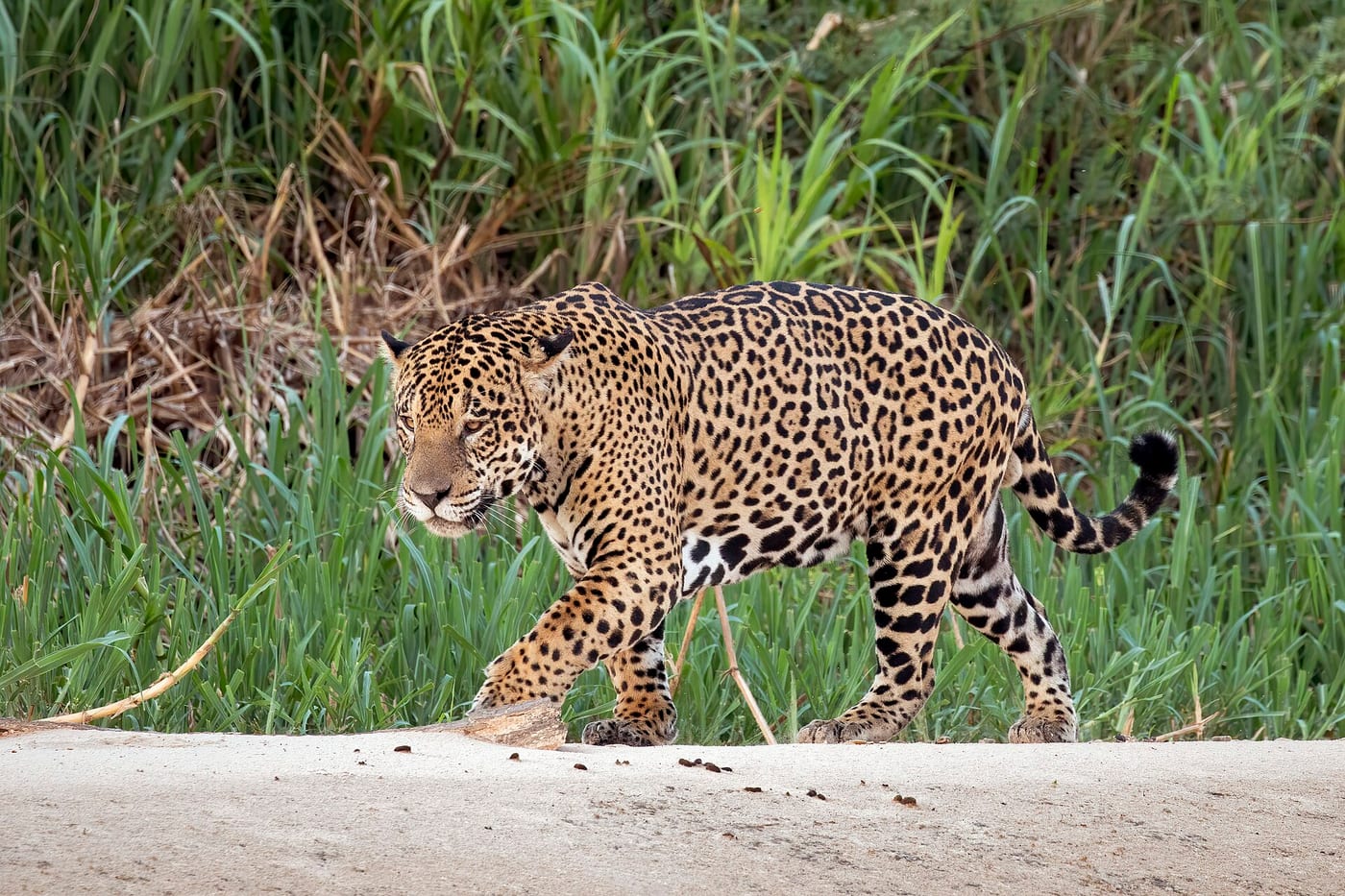
In the dry season, boat trips along the rivers around Porto Jofre give a good chance of seeing jaguars resting or hunting on the banks. Sightings are never certain, so allow more than one day.
Photo: Charles J. Sharp · CC BY-SA 4.0 · Wikimedia Commons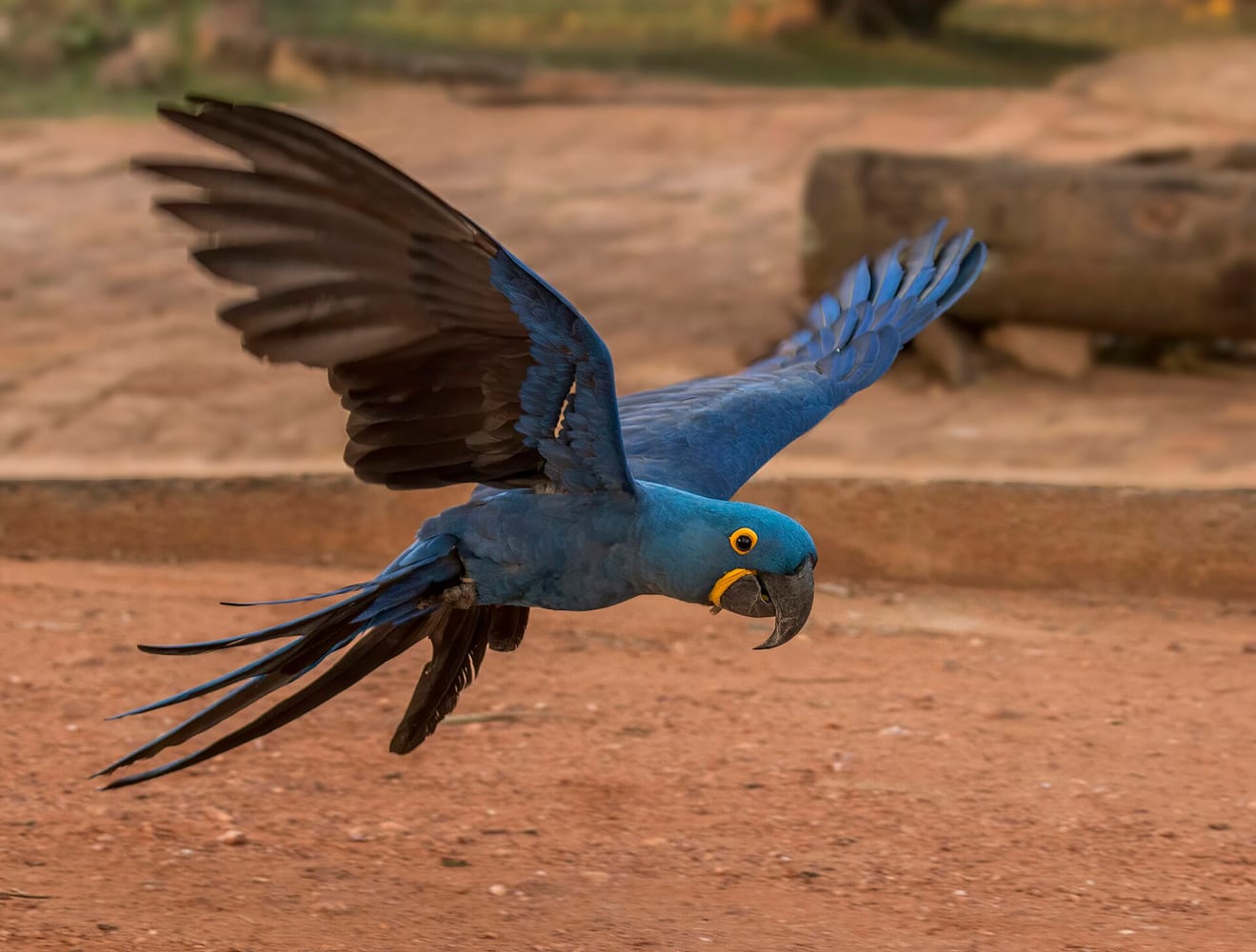
The hyacinth macaw, the largest of all parrots, nests in the Pantanal’s old trees and palm groves. Its loud calls often give it away at dawn and dusk.
Photo: Charles J. Sharp · CC BY-SA 4.0 · Wikimedia Commons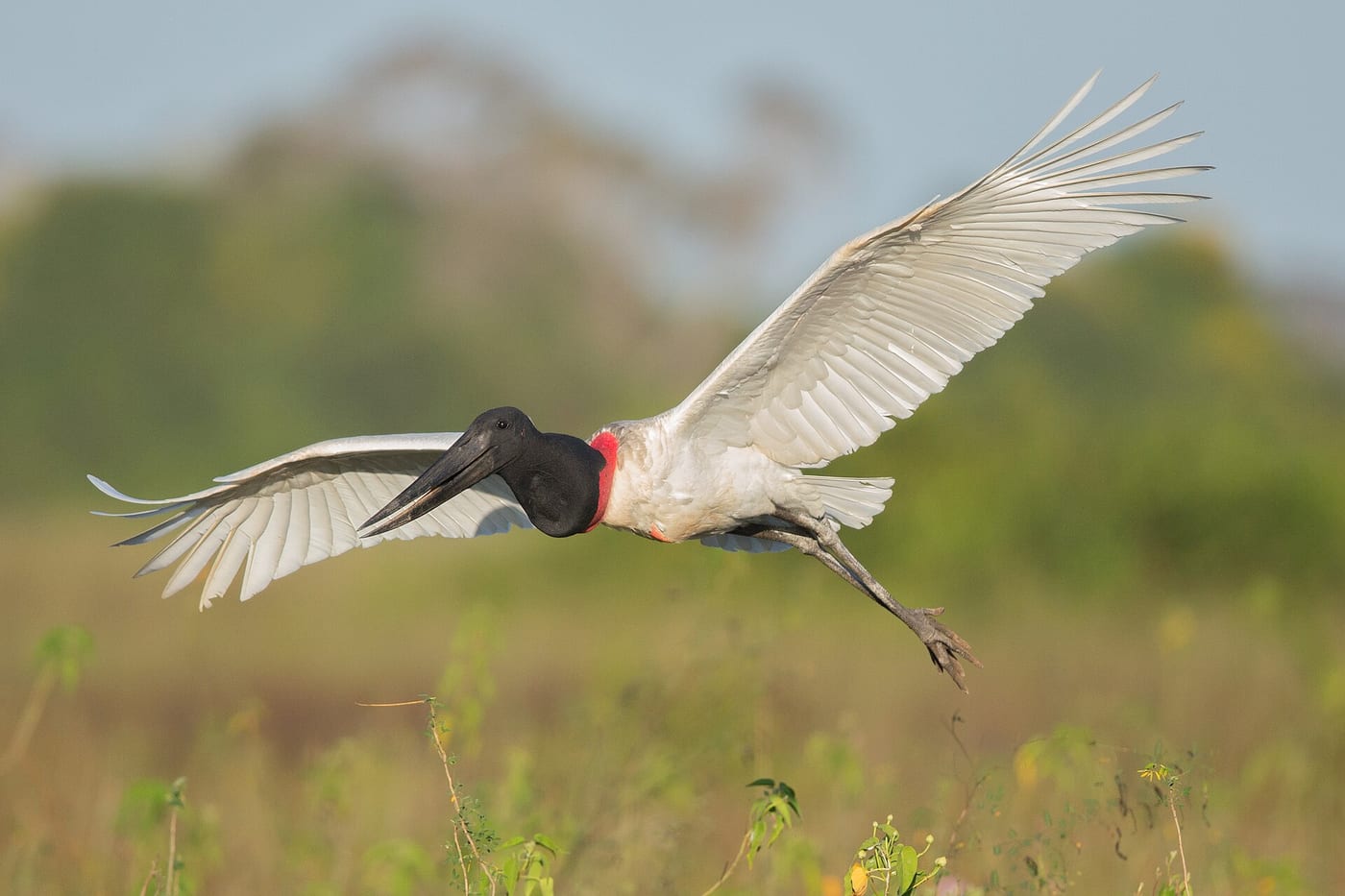
The jabiru, a huge black-and-white stork with a red neck band, is the symbol of the Pantanal. Look for its large nests at the top of tall trees.
Photo: Andreas Trepte · CC BY-SA 4.0 · Wikimedia Commons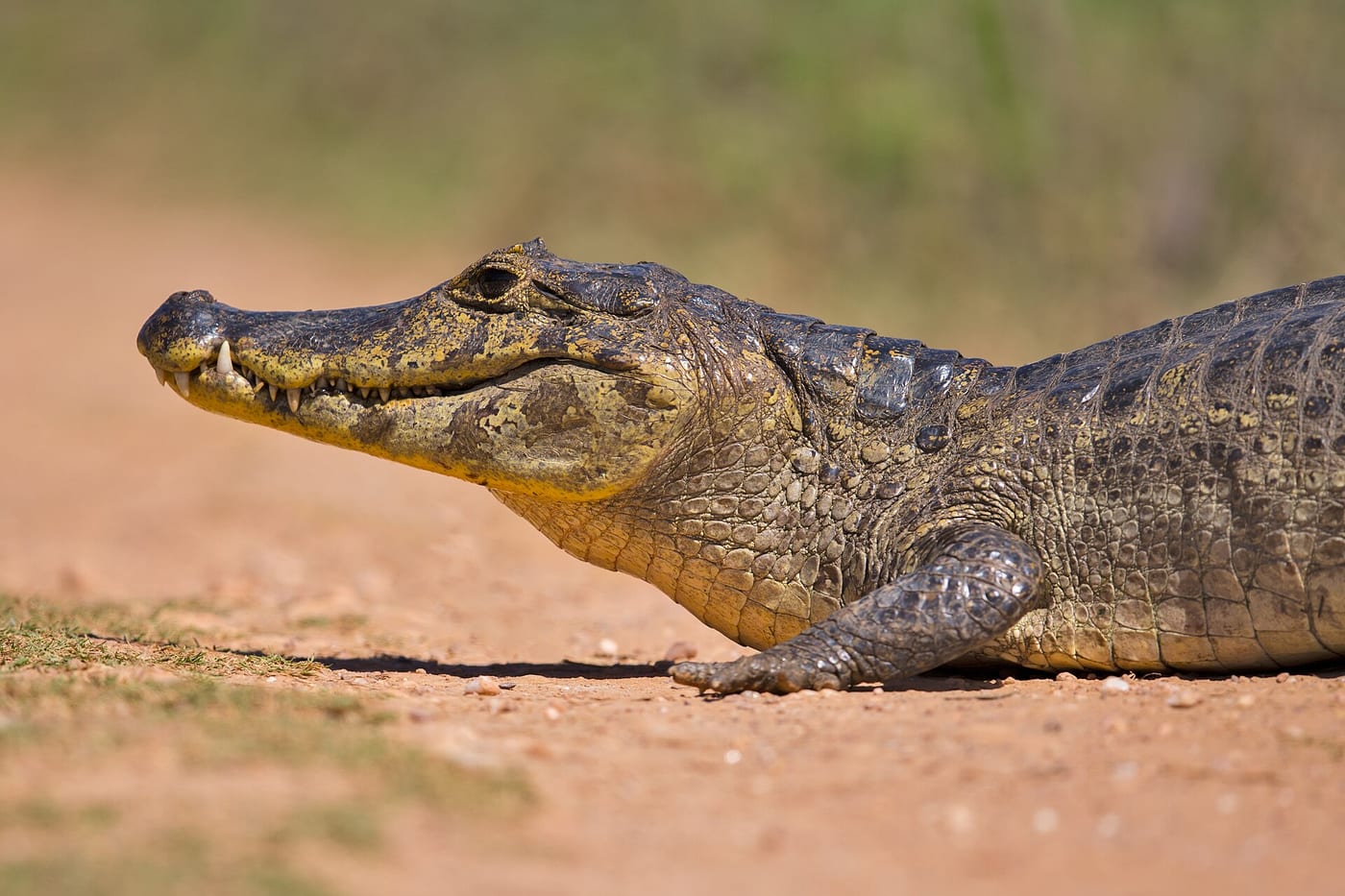
Yacare caimans gather in large numbers around pools and rivers, especially as the water drops. They are best watched from vehicles, boats and walkways.
Photo: Andreas Trepte · CC BY-SA 4.0 · Wikimedia Commons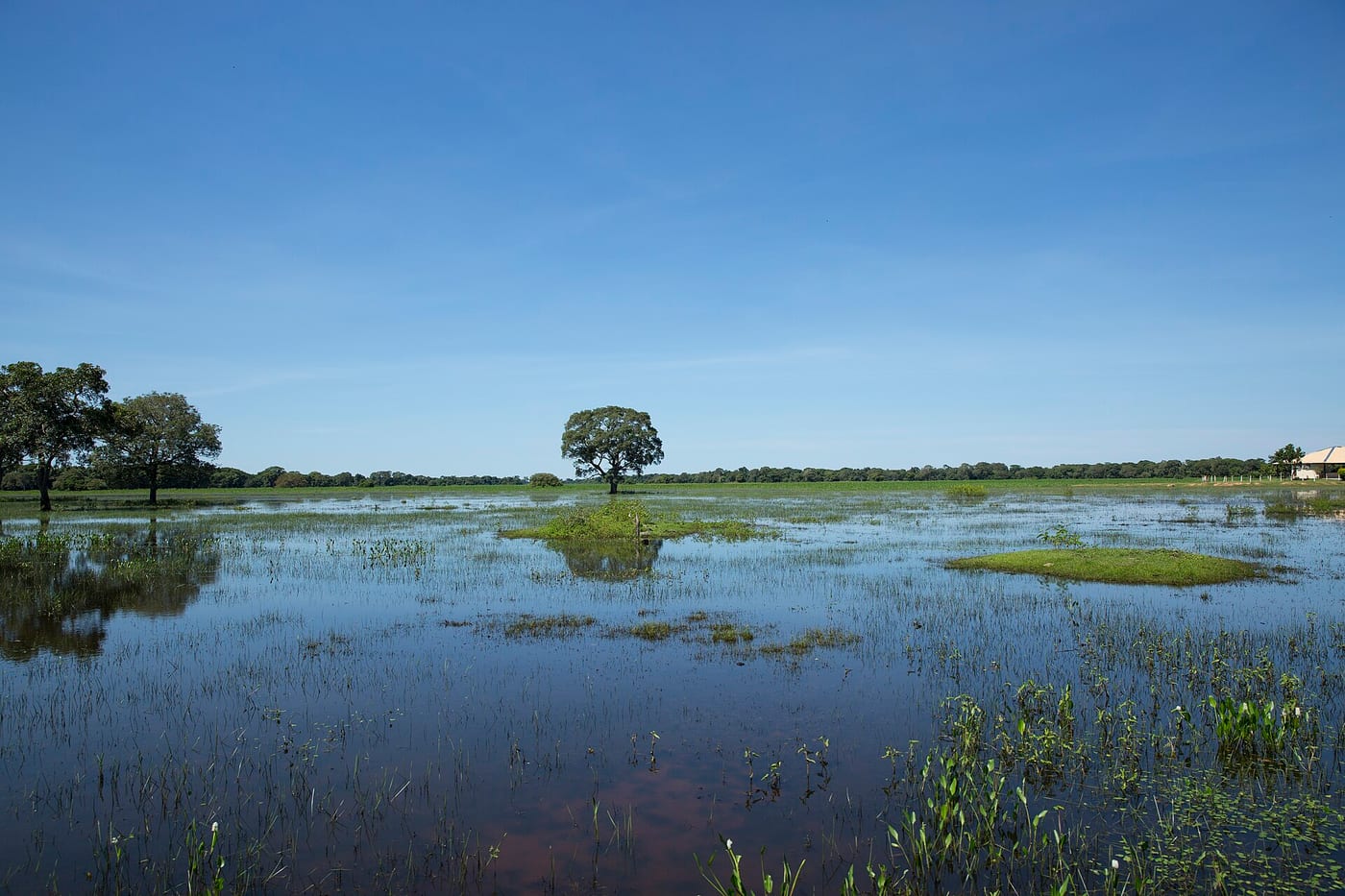
A dirt road raised above the wetlands, crossing well over a hundred wooden bridges between Poconé and Porto Jofre. Driving it slowly is a wildlife safari in itself, especially early in the morning.
Photo: MTur Destinos · Public domain · Wikimedia Commons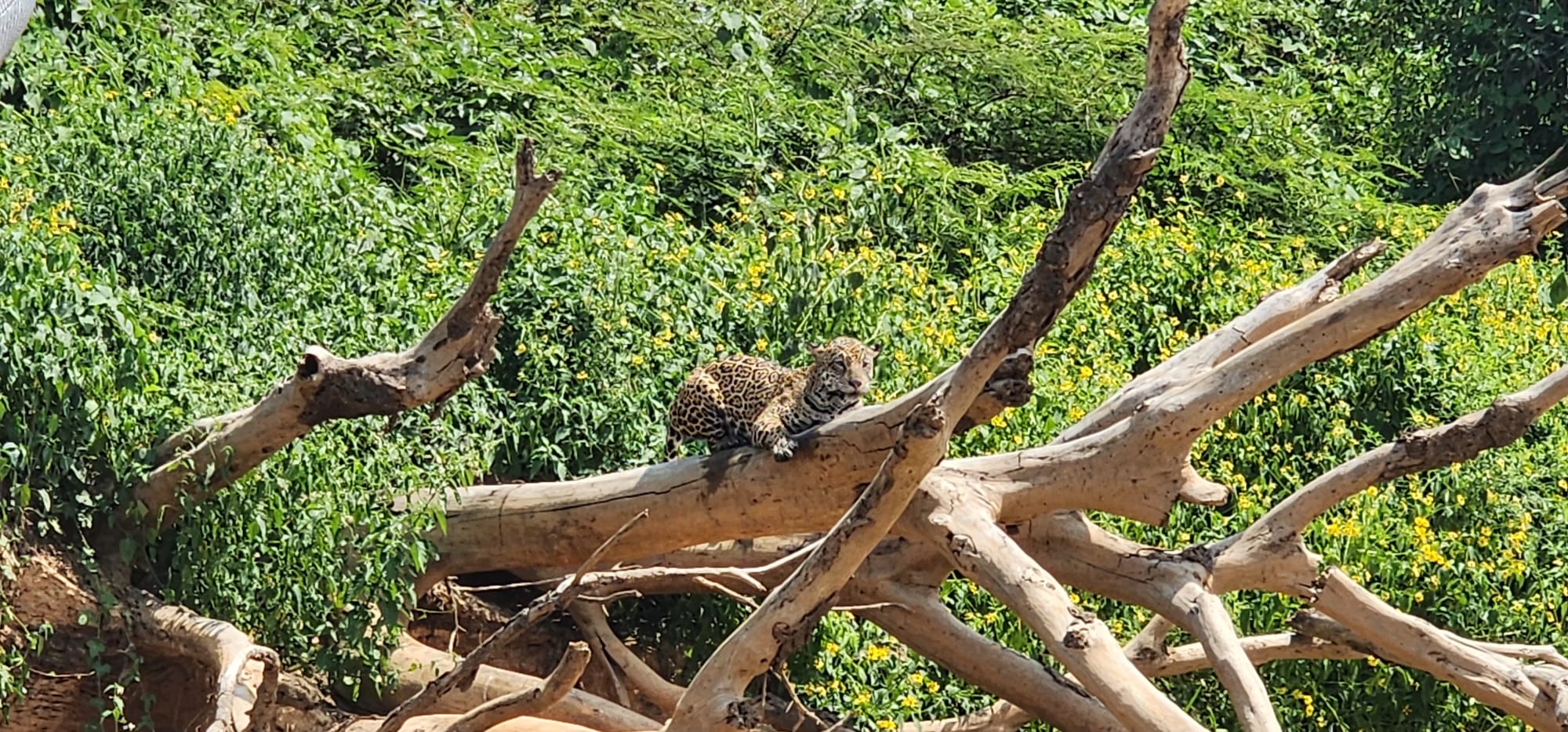
Capybaras on the riverbank
Photo: Christina Jin Waitara, from her own travels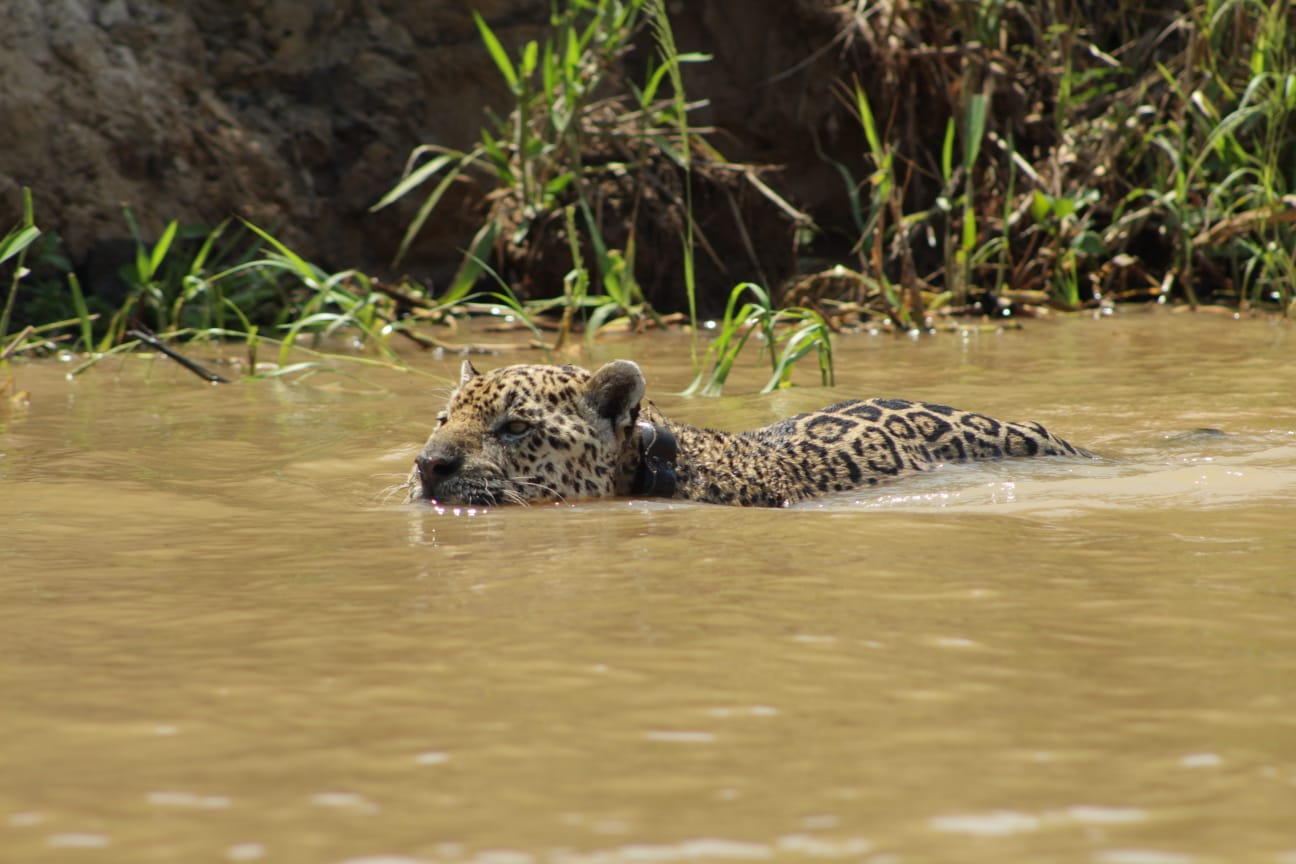
A jaguar crossing the river
Photo: Christina Jin Waitara, from her own travels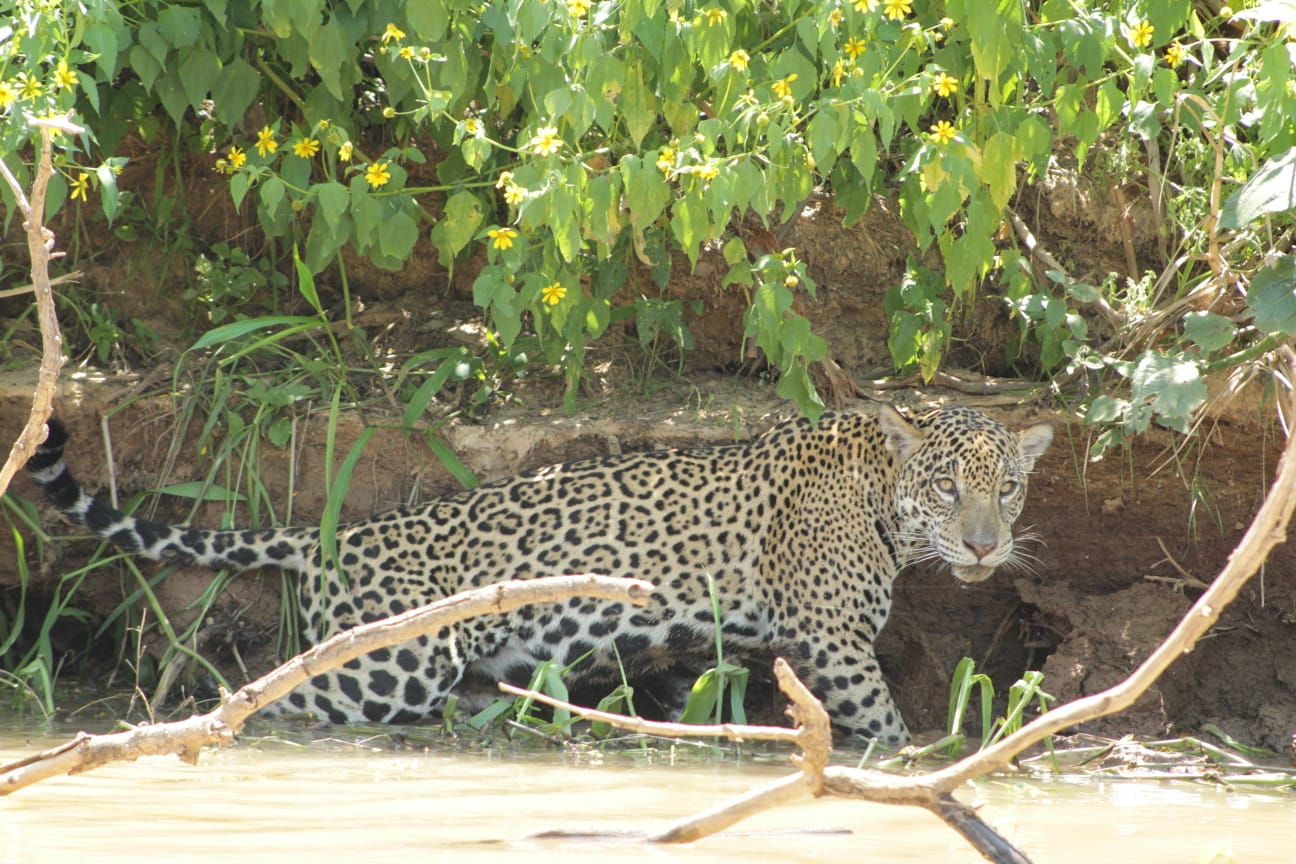
A jaguar on the bank
Photo: Christina Jin Waitara, from her own travels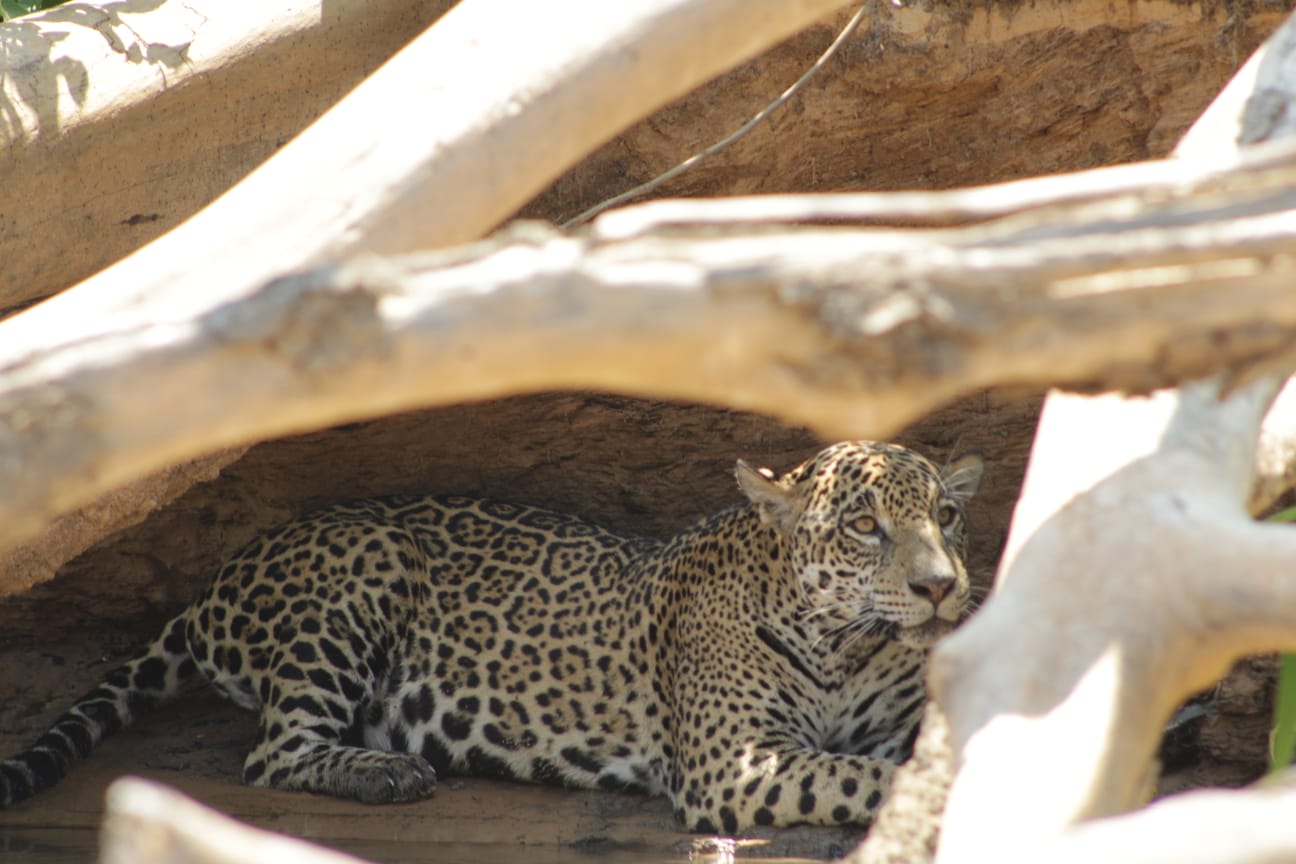
A jaguar resting
Photo: Christina Jin Waitara, from her own travelsEntry requirements, visas, health advice and safety conditions change. Before you travel, check Smartraveller and the official sources of each country.