Costa Rica’s wild south-west corner, where Corcovado’s lowland rainforest meets the Pacific and Golfo Dulce, rich in wildlife from scarlet macaws to tapirs and whales.
The Osa Peninsula is remote and best visited from a lodge in Drake Bay or near Puerto Jiménez. Allow three or four nights: a full day in Corcovado with a certified guide, a boat trip to Caño Island for snorkelling, and time to enjoy the lodge’s own trails and beaches. Roads are rough and some areas are reached only by boat, so build in travel time.
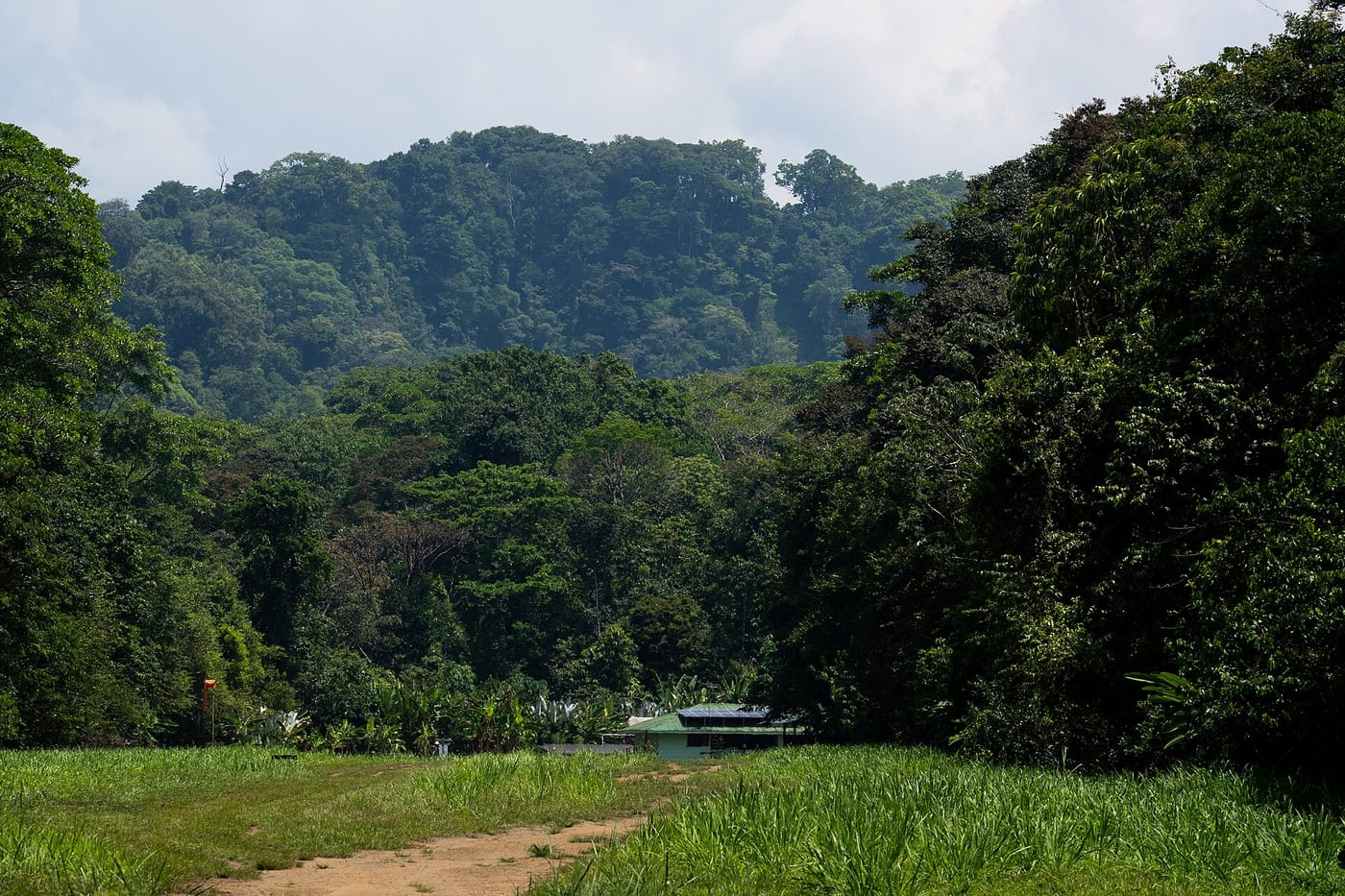
Corcovado protects one of the largest stretches of lowland rainforest on the Pacific coast of the Americas. Entry is only with a certified guide, and day trips and stays at the ranger station must be booked ahead.
Photo: Julio-César Chávez · CC BY 4.0 · Wikimedia Commons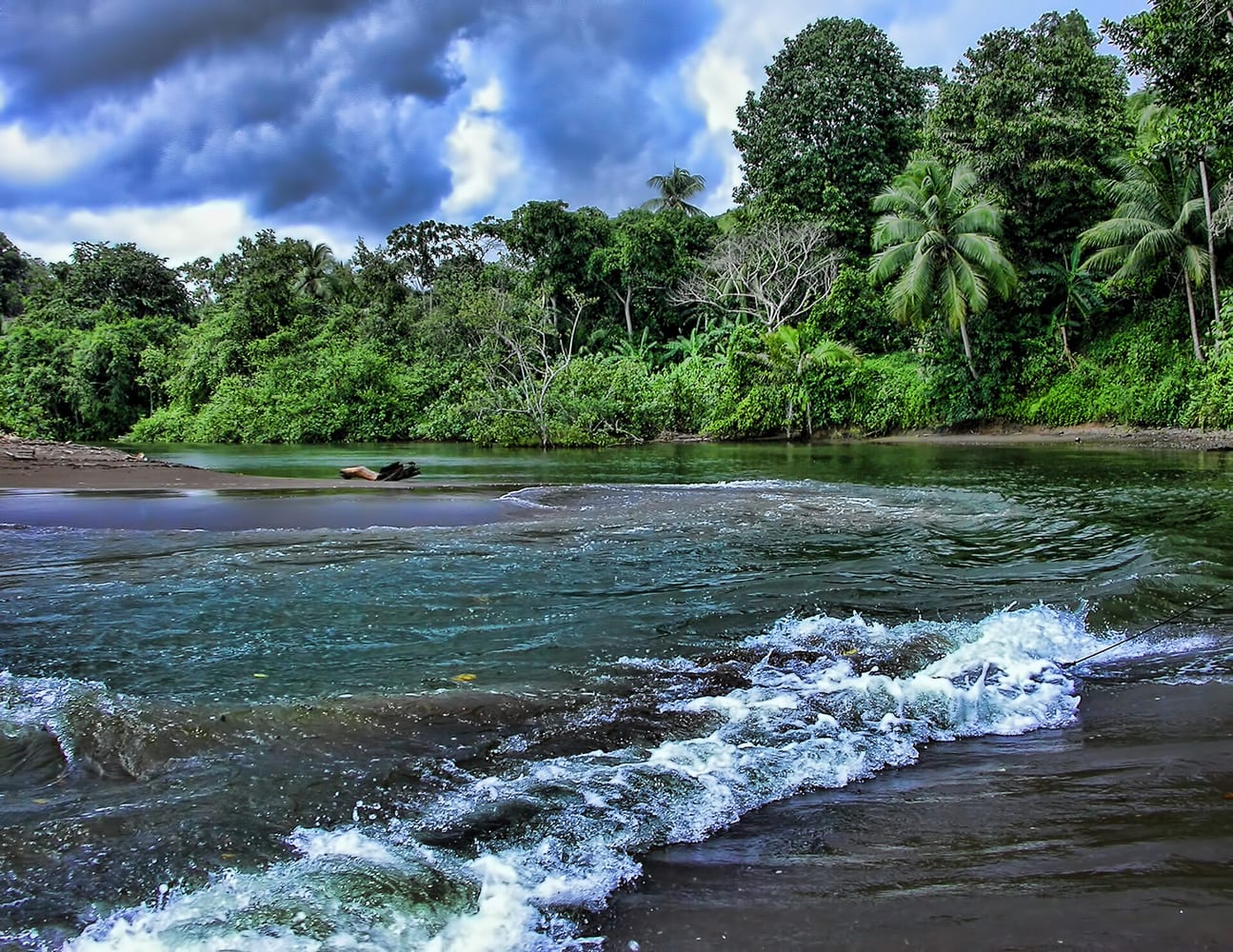
A quiet bay on the north of the peninsula, with lodges set among the forest and boats leaving for Corcovado and Caño Island. Arrival is usually by boat or small plane.
Photo: Trish Hartmann · CC BY 2.0 · Wikimedia Commons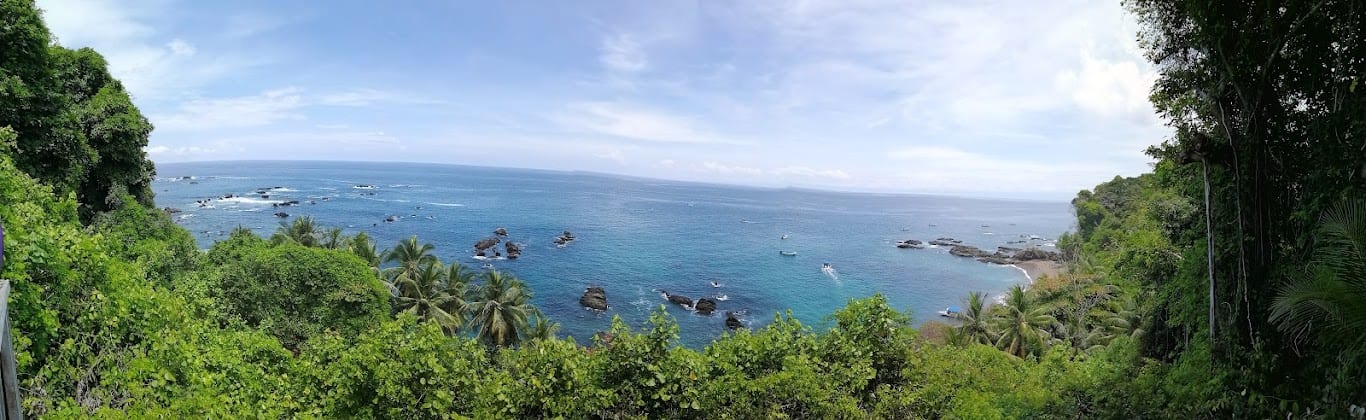
A biological reserve off the coast, known for clear water and snorkelling among reef fish and turtles. Daily visitor numbers are limited, so book through your lodge.
Photo: SILGOHI · CC BY-SA 4.0 · Wikimedia Commons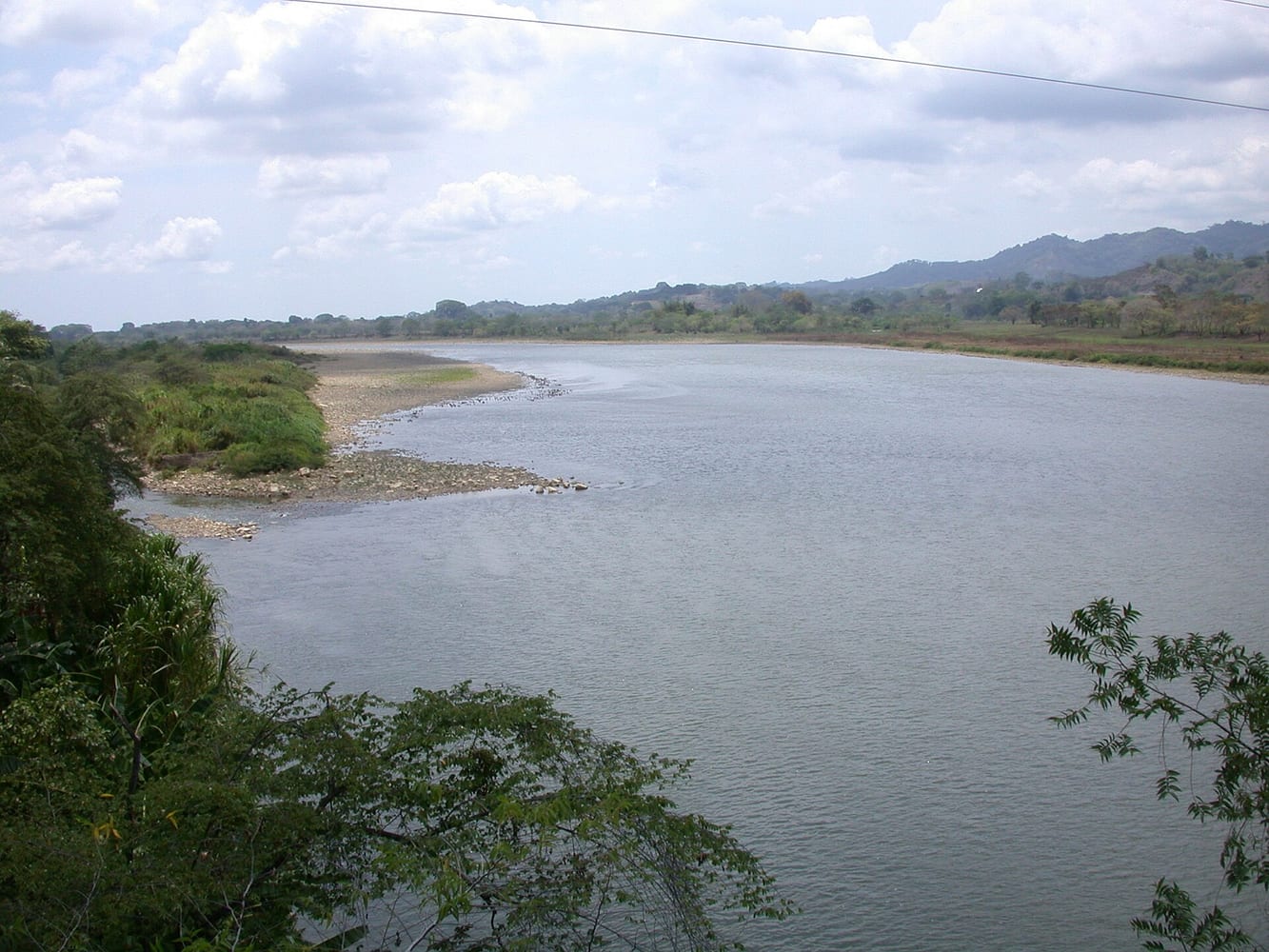
A deep, calm gulf between the peninsula and the mainland, where dolphins are seen often and humpback whales visit in season. Kayaking and boat trips leave from Puerto Jiménez.
Photo: sussexbirder · CC BY 2.0 · Wikimedia Commons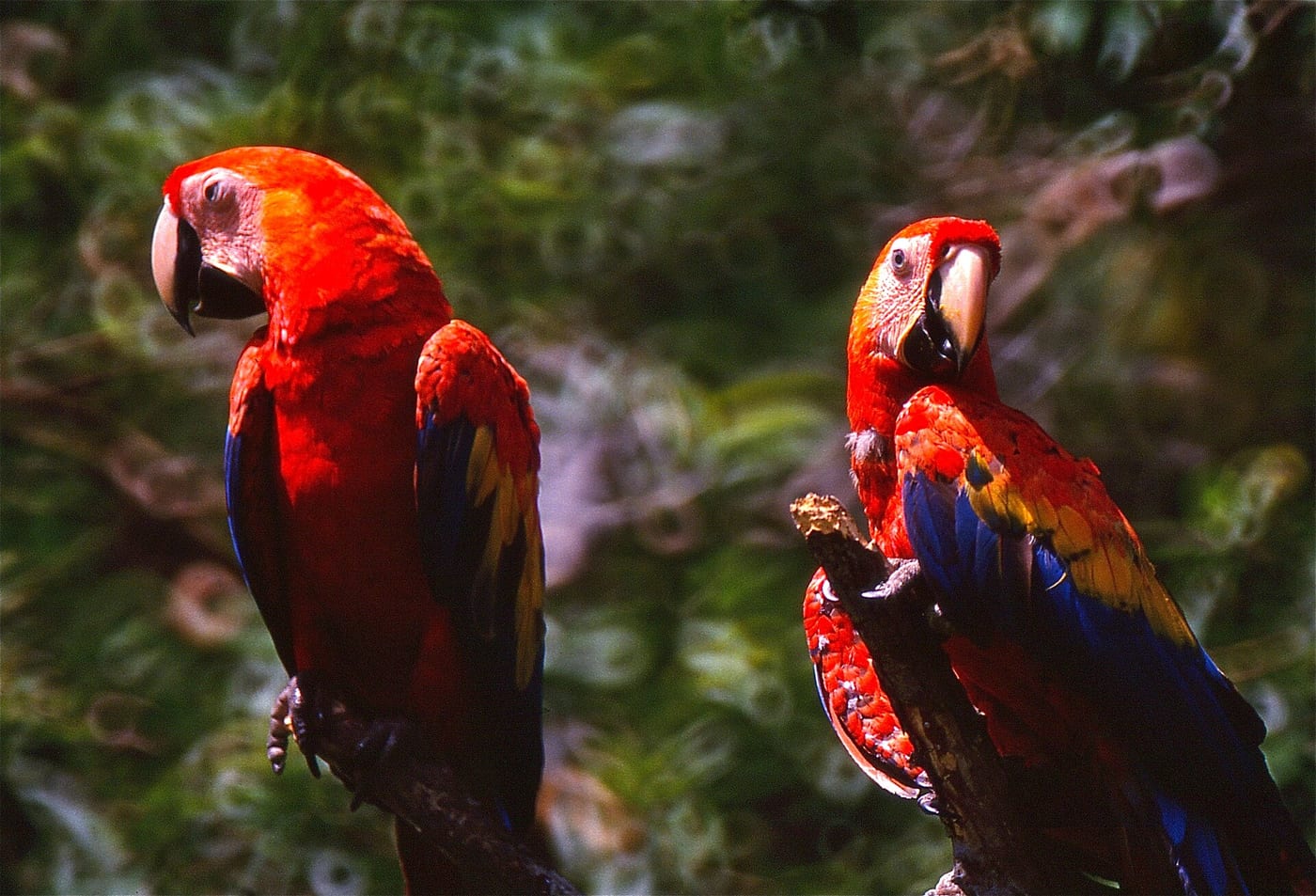
Pairs and flocks of scarlet macaws are a common, noisy sight along the coast, especially near almond trees. Listen for their calls at dawn and dusk.
Photo: Bernard DUPONT from FRANCE · CC BY-SA 2.0 · Wikimedia CommonsEntry requirements, visas, health advice and safety conditions change. Before you travel, check Smartraveller and the official sources of each country.