Australia offers reef islands, red-centre deserts, wild coastlines, vibrant cities and ancient Aboriginal cultures across a vast and varied continent.
The Great Barrier Reef stretches along the Queensland coast and is reached from Cairns, Port Douglas and the Whitsundays. Wear a stinger suit in tropical waters in the warmer months and choose eco-certified operators.
Uluru, in Uluru-Kata Tjuta National Park, is sacred to the Anangu traditional owners, and the climb has been closed since 2019. Most visitors fly to Ayers Rock (Yulara) and combine Uluru with Kata Tjuta.
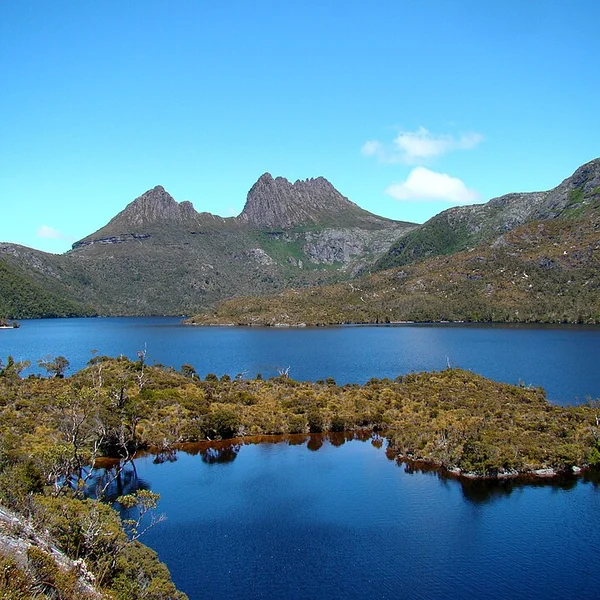
Tasmania offers Cradle Mountain, Freycinet, Port Arthur and the arts and food scene of Hobart. It is a short flight from Sydney or Melbourne, and a hire car is useful for touring.
The Kimberley in northern Western Australia is a remote region of gorges, waterfalls and Aboriginal rock art. Many roads and sites are only accessible in the dry season, roughly May to October.
In the Top End of the Northern Territory, about three hours by road from Darwin, World Heritage-listed Kakadu National Park brings together Aboriginal rock art at Ubirr and Burrungkuy (Nourlangie), wetland cruises on Yellow Water and escarpment waterfalls such as Jim Jim and Twin Falls. Next door, Arnhem Land is Aboriginal-owned land that can only be visited with a permit, usually on a small-group tour or a fly-in stay arranged with the Traditional Owners. The dry season, roughly May to October, is the best time: many roads and falls close in the wet season, and saltwater crocodiles live in rivers and billabongs, so swim only where signs say it is safe.
The Great Ocean Road runs along Victoria’s south-west coast past surf beaches, rainforest and the Twelve Apostles. Allow at least two days rather than a single rushed day trip from Melbourne.
Great Barrier Reef: snorkel, dive or take a scenic flight from Cairns, Port Douglas or the Whitsundays.
Uluru: see the monolith at sunrise and sunset and learn about Anangu culture on guided walks.
Kakadu and Arnhem Land: allow at least two or three days in Kakadu for the rock art, a Yellow Water cruise and the waterfalls, and add a guided visit to Arnhem Land for its living Aboriginal culture and wild coastline.
Tasmania and the Great Ocean Road: combine wilderness walks, heritage towns and coastal drives in the south.
Australia is vast, so most itineraries combine two or three regions linked by domestic flights rather than very long drives. From our Sydney base we plan domestic holidays for Australians and trips for overseas visitors, allowing for long distances, time-zone changes and seasonal differences between the north and south. Panorama Tours can adapt the sequence for families, independent travellers and small groups.
Discover living Aboriginal and Torres Strait Islander cultures, ancient rock art, convict and gold-rush heritage, and multicultural cities.
Try barramundi, Moreton Bay bugs, a meat pie, pavlova and wines from regions such as the Barossa and Hunter valleys.
The tropical north is generally most comfortable in the dry season from about May to October, with a wet season and cyclone risk from about November to April; the south has four distinct seasons, and the Red Centre is cooler from about April to September.
Sydney → Uluru → Cairns and the Great Barrier Reef → Melbourne and the Great Ocean Road, with optional Tasmania.
International visitors should check entry and visa requirements; all travellers should plan for long distances, strong sun, marine stingers in tropical waters in the warmer months and safe driving in remote areas.
Panorama Tours Sydney can help plan a personalised visit to Australia, including suitable transport, accommodation, guided activities and connections to nearby destinations. Tell us your preferred dates, interests and budget so we can prepare options subject to availability.
Photos and videos from our travellers’ journeys, in our gallery:
Entry requirements, visas, health advice and safety conditions change. Before you travel, check Smartraveller and the official sources of each country.