Benin offers living Vodun traditions, royal palaces, a lake village built on stilts and savanna wildlife in the far north.
Ouidah was a major port of the Atlantic slave trade and is a centre of Vodun, with the Python Temple, a history museum and the Route des Esclaves leading to the Door of No Return. Allow a full day and visit with a local guide for context.
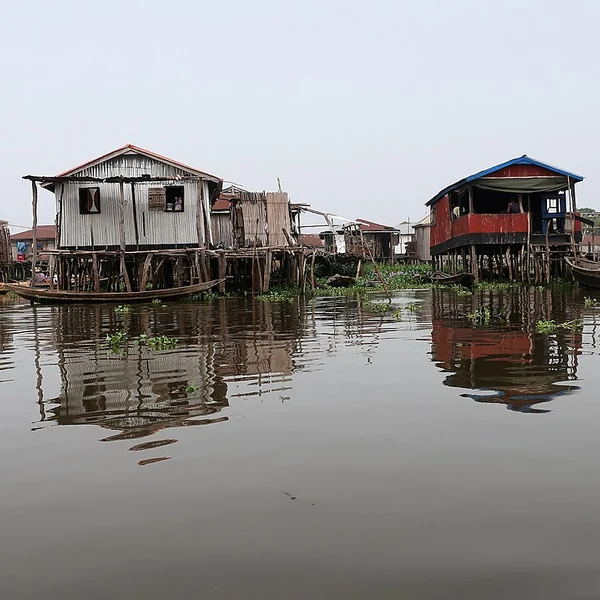
Ganvié is a large village built on stilts on Lake Nokoué, reached by boat from Abomey-Calavi near Cotonou. Ask before photographing residents and choose a guide who supports the local community.
The Royal Palaces of Abomey are UNESCO-listed and tell the story of the Kingdom of Dahomey through bas-reliefs and museum displays. It is possible as a day trip from Cotonou, but an overnight stay makes the visit more relaxed.
Pendjari National Park in the north is part of a cross-border protected area known for elephants, lions and antelopes in savanna landscapes. Official advice may be stricter for this region, so check the current situation before planning a visit.
Cotonou is Benin’s largest city and economic hub, with the vast Dantokpa market, the Amazon statue and coastal neighbourhoods. It is the usual arrival point and a practical base for southern excursions.
Ouidah: follow the Route des Esclaves to the Door of No Return memorial.
Ganvié: explore the stilt village on Lake Nokoué by pirogue.
Abomey: learn about the Kingdom of Dahomey at its royal palaces.
Southern Benin is compact, so Cotonou, Ouidah, Ganvié and Abomey can be linked by road over a few days. Northern parks need longer transfers and extra checks of official advice; use local guides at cultural sites and allow time for respectful visits.
Discover Vodun heritage, the history of the Dahomey kingdom, appliqué textiles and the Vodun celebrations held each year around 10 January.
Try pâte (maize dough) with spicy sauces, grilled fish, akassa and amiwo, a red maize dish, with fresh pineapple.
The dry season from about November to March is generally best; the south has two rainy seasons (roughly April to July and September to October) and the north has one.
Cotonou → Ganvié → Ouidah → Abomey, with an optional northern extension
Check entry requirements, yellow fever and malaria advice, and current official advice, which may be stricter for northern border areas near Pendjari.
Panorama Tours Sydney can help plan a personalised visit to Benin, including suitable transport, accommodation, guided activities and connections to nearby destinations. Tell us your preferred dates, interests and budget so we can prepare options subject to availability.
Entry requirements, visas, health advice and safety conditions change. Before you travel, check Smartraveller and the official sources of each country.