Bhutan offers cliffside monasteries, fortress dzongs, colourful tsechu festivals and Himalayan valleys in a kingdom that values its culture.
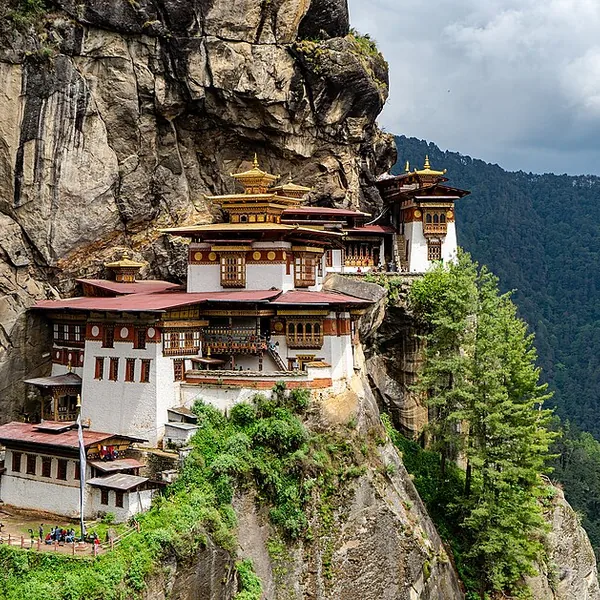
Paro Taktsang clings to a cliff above the Paro Valley and is reached by a steep walk of several hours return. Hike it towards the end of your trip, once you are acclimatised.
Thimphu is a small capital with government buildings in traditional style and a large seated Buddha overlooking the valley. The weekend market offers a glimpse of daily life.
Punakha Dzong stands where the Pho Chhu and Mo Chhu rivers meet and has long served as an administrative and religious centre. Spring brings jacaranda blossoms around the dzong.
Tsechu festivals feature masked dances in dzong and temple courtyards, held on dates set by the lunar calendar. Popular festivals draw crowds, so plan early and dress respectfully.
The Phobjikha Valley is a glacial valley where black-necked cranes spend the winter, usually from about late October to February. Gangtey Monastery overlooks the valley floor.
Tiger’s Nest Monastery: hike to Paro Taktsang, perched on a cliff above the valley.
Punakha Dzong: visit the fortress at the meeting of two rivers.
Thimphu: explore the capital’s markets, the Buddha Dordenma statue and a traditional arts school.
Travel in Bhutan is usually arranged with a licensed guide and driver, following a route through Paro, Thimphu and Punakha, with optional central valleys. Mountain roads are winding, so allow full days for transfers and time to acclimatise. Panorama Tours can adapt the sequence for families, independent travellers and small groups.
Discover Vajrayana Buddhism, dzong architecture, national dress (gho and kira), archery and the philosophy of Gross National Happiness.
Try ema datshi (chillies and cheese), red rice, momos and butter tea (suja).
March to May and September to November are popular for clear skies and festivals; the monsoon brings rain from about June to August, and winter is cold but often clear.
Paro → Thimphu → Punakha → Paro and Tiger’s Nest, with optional Bumthang.
Check entry requirements and Bhutan’s tourism arrangements through a licensed operator, the effects of altitude and current official advice.
Panorama Tours Sydney can help plan a personalised visit to Bhutan, including suitable transport, accommodation, guided activities and connections to nearby destinations. Tell us your preferred dates, interests and budget so we can prepare options subject to availability.
Entry requirements, visas, health advice and safety conditions change. Before you travel, check Smartraveller and the official sources of each country.