Côte d'Ivoire offers a dynamic coastal capital, colonial heritage towns, rainforest parks and a lively food and music culture.
Abidjan is the country’s economic capital, with the Plateau business district, St Paul’s Cathedral, Banco National Park and lively Treichville and Cocody neighbourhoods. Traffic around the lagoon bridges can be slow, so plan sightseeing by district.
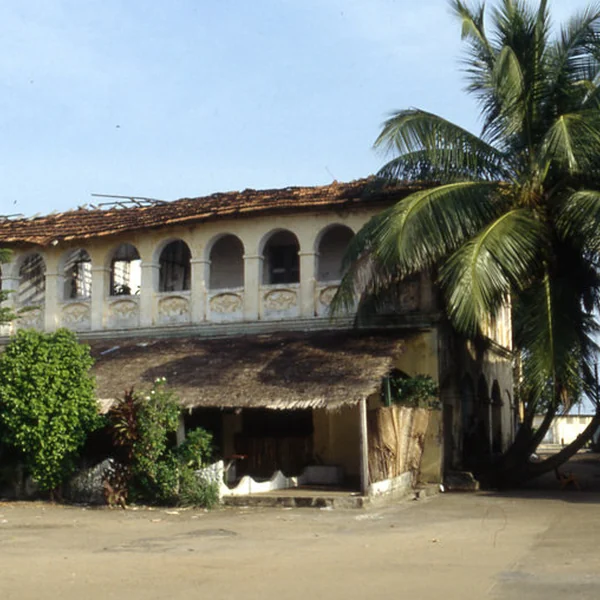
Grand-Bassam was the first colonial capital, and its historic quarter is UNESCO-listed, with colonial buildings, a costume museum and beaches. It is close to Abidjan, making it an easy day trip or a relaxed overnight stay.
The Basilica of Our Lady of Peace in Yamoussoukro is among the largest churches in the world and was inspired by St Peter’s in Rome. Modest dress is expected, and the visit combines well with the city’s wide boulevards and lakes.
Taï is a UNESCO-listed rainforest in the south-west, home to chimpanzees, pygmy hippos and rich birdlife. Facilities are basic and access is long, so plan with a local operator and check current regional advice.
Assinie is a coastal strip between a lagoon and the Atlantic, popular for weekend escapes from Abidjan. Ocean currents can be strong, so swim only where locals advise; the lagoon side is calmer.
Abidjan: explore the Plateau skyline, Banco forest and busy markets.
Grand-Bassam: stroll through the historic colonial quarter by the sea.
Yamoussoukro: visit the vast Basilica of Our Lady of Peace.
Start in Abidjan, then add short road trips to Grand-Bassam and Yamoussoukro before considering more remote forest areas. Allow full days for longer drives, use local guides in national parks and keep spare time for weather and road conditions.
Discover Akan, Baoulé, Sénoufo and Dan traditions, masks and wood carving, and the coupé-décalé and zouglou music scenes.
Try attiéké (fermented cassava couscous) with grilled fish, aloco (fried plantain), kedjenou stew and bangui palm wine.
The main dry season runs roughly December to March; the south has heavier rains from about May to July and again around October to November, while the north has one rainy season.
Abidjan → Grand-Bassam → Yamoussoukro → Taï region
Check entry requirements, yellow fever vaccination advice and malaria prevention; current official advice may differ for northern border areas.
Panorama Tours Sydney can help plan a personalised visit to Côte d'Ivoire, including suitable transport, accommodation, guided activities and connections to nearby destinations. Tell us your preferred dates, interests and budget so we can prepare options subject to availability.
Entry requirements, visas, health advice and safety conditions change. Before you travel, check Smartraveller and the official sources of each country.