Croatia offers walled Adriatic cities, Roman palaces, island-hopping, terraced lakes and waterfalls, Istrian hill towns and a relaxed coastal lifestyle.
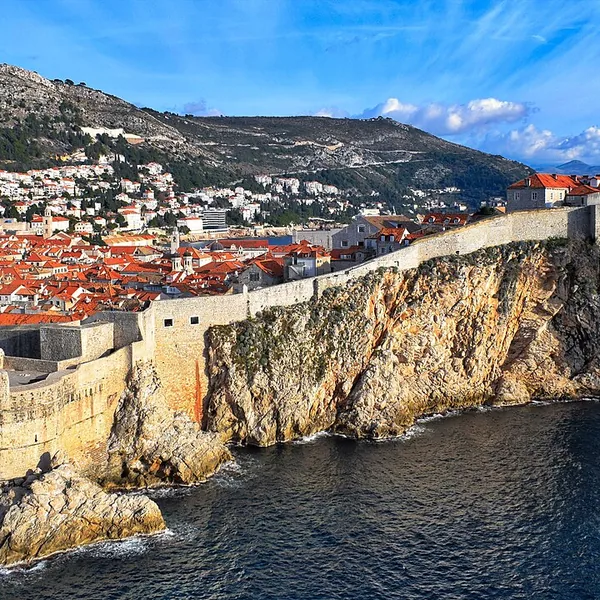
Dubrovnik’s UNESCO-listed old town is enclosed by massive walls with views over the Adriatic. Walk the walls early in the morning or late in the afternoon to avoid the heat and cruise-ship crowds.
Split grew around Diocletian’s Palace, a Roman complex that still forms the heart of the old town. It is the main ferry hub for the central Dalmatian islands.
Plitvice Lakes National Park is a UNESCO-listed chain of terraced lakes linked by waterfalls and boardwalks. Swimming is not allowed, and timed entry may apply in busy months, so plan ahead.
Hvar is known for lavender fields, a hilltop fortress and lively harbour town, with Brač, Korčula and Vis nearby. Catamarans run more frequently in summer, so check connections before planning several islands.
Istria offers hill towns such as Motovun and Grožnjan, coastal Rovinj and the Roman amphitheatre at Pula. Autumn is a good time for truffles and wine, and a car is useful for exploring the interior.
Dubrovnik: walk the city walls and the marble streets of the Old Town above the Adriatic.
Plitvice Lakes: follow boardwalks past terraced turquoise lakes and waterfalls.
Hvar and the islands: hop between Hvar, Brač, Korčula and Vis by catamaran or private boat.
Start in Zagreb or Dubrovnik and travel along the coast via Split, adding Plitvice Lakes inland and one or two islands by ferry. Ferry timetables shrink outside summer, so allow buffer time between islands and book popular crossings early. Panorama Tours can adapt the sequence for families, independent travellers and small groups.
Discover Roman and Venetian heritage, Romanesque churches, klapa a cappella singing and lively summer festivals.
Try peka (slow-cooked meat or octopus), black risotto, Istrian truffles and Dalmatian prosciutto with local wine.
May, June, September and early October are pleasant and less crowded, July and August are hot and busy, and some island services reduce in winter.
Zagreb → Plitvice Lakes → Split → Hvar and the islands → Dubrovnik.
Check entry requirements and current official advice; Dubrovnik’s old town is busiest on cruise days, and ferry and catamaran timetables change by season.
Panorama Tours Sydney can help plan a personalised visit to Croatia, including suitable transport, accommodation, guided activities and connections to nearby destinations. Tell us your preferred dates, interests and budget so we can prepare options subject to availability.
Entry requirements, visas, health advice and safety conditions change. Before you travel, check Smartraveller and the official sources of each country.