Equatorial Guinea offers volcanic Bioko Island, colonial Malabo, rainforest wildlife and turtle beaches, with Spanish as an official language.
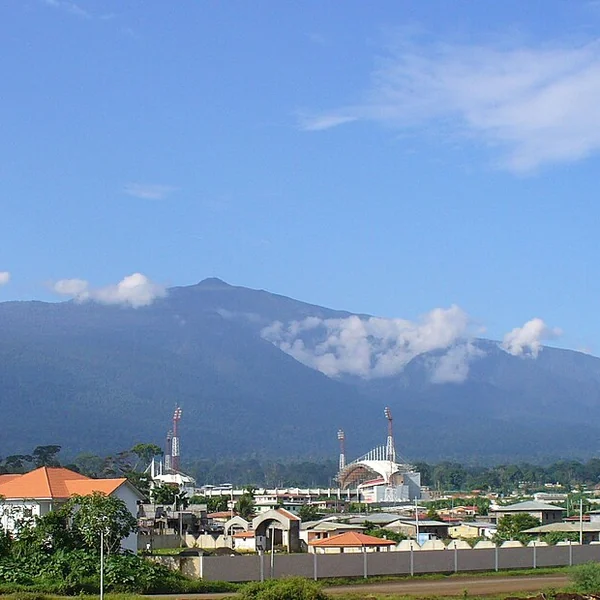
Malabo, the capital on Bioko Island, has Spanish colonial streets, the Gothic-style Cathedral of Santa Isabel and a seafront promenade. Photography restrictions apply near government buildings, so ask your guide before taking pictures.
Bioko is a volcanic island with Pico Basilé, the cool highlands of Moka and black-sand beaches in the south. Main roads around the island are generally good, but remote areas call for local guides.
Monte Alén protects mainland rainforest, rivers and wildlife including primates and forest elephants. Facilities are limited, so travel with an experienced local guide.
Annobón is a small, remote volcanic island far to the south-west, with its own Creole language, Fá d’Ambô. Access is irregular, so it suits only flexible, well-planned trips.
Ureca, on Bioko’s southern coast, is known for sea-turtle nesting beaches and waterfalls in the surrounding rainforest. Nesting is seasonal, and visits follow conservation guidelines, ideally with a local ranger.
Malabo: stroll among colonial buildings and the Cathedral of Santa Isabel.
Bioko Island: visit highland Moka and the turtle beaches of Ureca.
Monte Alén: explore mainland rainforest with local guides.
Base yourself in Malabo, then explore Bioko by road over a few days before considering the mainland around Bata and Monte Alén. Permits and transport may need advance arrangements, so plan with a local operator and keep spare time.
Discover Bubi, Fang and Annobonese traditions, Spanish colonial heritage, balélé dances and a distinctive Hispanic African identity.
Try pepesoup (spiced fish or meat soup), grilled fish with plantain, cassava dishes and malamba, a sugar-cane drink.
Bioko’s drier season is roughly December to February, while the mainland has drier spells around December to February and July to August; it is hot and humid year-round.
Malabo → Moka → Ureca → Bata → Monte Alén National Park
Check entry requirements early, together with yellow fever and malaria advice; photography of official buildings is restricted and some areas need permits.
Panorama Tours Sydney can help plan a personalised visit to Equatorial Guinea, including suitable transport, accommodation, guided activities and connections to nearby destinations. Tell us your preferred dates, interests and budget so we can prepare options subject to availability.
Entry requirements, visas, health advice and safety conditions change. Before you travel, check Smartraveller and the official sources of each country.