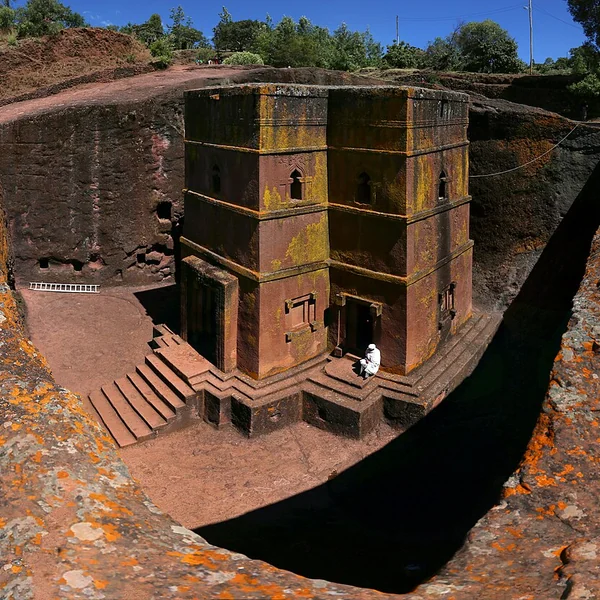
Lalibela’s rock-hewn churches, carved in medieval times, are UNESCO-listed and remain active places of worship. Dress modestly, remove your shoes inside and visit with a local guide.
Simien Mountains National Park is UNESCO-listed for its jagged peaks, deep valleys and wildlife such as gelada monkeys and walia ibex. Trekking takes place at high altitude, so allow time to acclimatise.
Gondar was a royal capital whose Fasil Ghebbi fortress complex is UNESCO-listed, along with churches such as Debre Birhan Selassie. Check current regional advice before planning a visit.
Axum was the heart of an ancient kingdom and is known for its giant stelae, ruins and the Church of St Mary of Zion. It is UNESCO-listed, and access depends on current regional advice.
The Danakil Depression is among the hottest and lowest places on Earth, with colourful mineral springs at Dallol and traditional salt caravans. Visits require experienced operators, careful timing in the cooler months and current official advice.
Lalibela: explore churches carved from solid rock and still used for worship.
Simien Mountains: hike among gelada monkeys and dramatic escarpments.
Gondar and Axum: discover royal castles, giant stelae and ancient history.
Ethiopia’s northern historic circuit is usually linked by domestic flights, which save long drives on mountain roads. Shape the route around current regional advice, use local guides at religious sites and allow for altitude with a gentle first day.
Discover Ethiopian Orthodox traditions, the Ge’ez script, festivals such as Timkat and Meskel, and the traditional coffee ceremony.
Try injera with wat stews, shiro (chickpea stew), tibs (sautéed meat), freshly roasted coffee and tej, a honey wine.
The dry season from about October to March is generally best for the highlands; the main rains fall around June to September, and the Danakil is extremely hot outside the cooler months.
Addis Ababa → Lalibela → Gondar → Simien Mountains → Axum, subject to regional advice
Official advice varies by region and can change, so check it closely; plan for altitude in Addis Ababa and the highlands, and malaria precautions in lowland areas.
Panorama Tours Sydney can help plan a personalised visit to Ethiopia, including suitable transport, accommodation, guided activities and connections to nearby destinations. Tell us your preferred dates, interests and budget so we can prepare options subject to availability.
Entry requirements, visas, health advice and safety conditions change. Before you travel, check Smartraveller and the official sources of each country.