Guinea-Bissau offers the remote Bijagós islands, mangrove coasts, rich wildlife and a relaxed capital shaped by Portuguese and African cultures.
The Bijagós Archipelago is a UNESCO biosphere reserve of dozens of islands with mangroves, beaches and traditional communities, some islands being sacred. Visit with a respectful local guide and follow advice about where visitors may go.
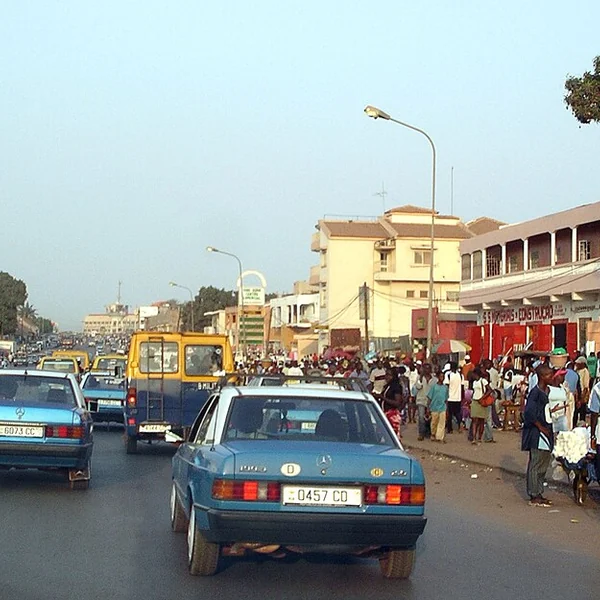
Bissau is a small capital with the old Bissau Velho quarter, the Fortaleza de São José da Amura and a busy port. It is the departure point for most boats to the islands.
Orango is known for rare saltwater hippos that move between lagoons and the sea, along with sea turtles and birdlife. Sightings depend on conditions and access is by boat, so plan two or more nights.
Cacheu is a historic river town with a Portuguese fort and a memorial to the slave trade, set among mangroves. It can be reached by road from Bissau and pairs well with mangrove boat trips.
Bubaque is the most accessible of the Bijagós islands, with simple guesthouses, beaches and onward boat connections. It makes a practical base before heading to more remote islands.
Bijagós Archipelago: explore remote islands, beaches and traditional villages by boat.
Orango National Park: look for saltwater hippos and nesting turtles with local guides.
Bissau and Cacheu: discover colonial forts and the history of the coast.
Plan a short stay in Bissau, then several nights in the Bijagós, where boat schedules depend on tides and weather. Island travel is slow and simple, so book lodges in advance, use local guides and keep buffer days for sea crossings.
Discover Bijagó traditions and sacred islands, gumbé music, the Bissau Carnival and the Kriol language.
Try caldo de mancarra (peanut stew), grilled fish, oysters from the mangroves and fresh cashew fruit juice.
The dry season from about November to May is the best time to visit; the rainy season from about June to October brings heavy rain and rougher seas.
Bissau → Bubaque → Orango → Bissau, with optional Cacheu
Check entry requirements, yellow fever and malaria advice; boat transfers depend on tides and weather, and services on the islands are basic.
Panorama Tours Sydney can help plan a personalised visit to Guinea-Bissau, including suitable transport, accommodation, guided activities and connections to nearby destinations. Tell us your preferred dates, interests and budget so we can prepare options subject to availability.
Entry requirements, visas, health advice and safety conditions change. Before you travel, check Smartraveller and the official sources of each country.