Madagascar offers lemurs and unique wildlife, baobab avenues, limestone tsingy, rainforests and island beaches across a vast and varied island.
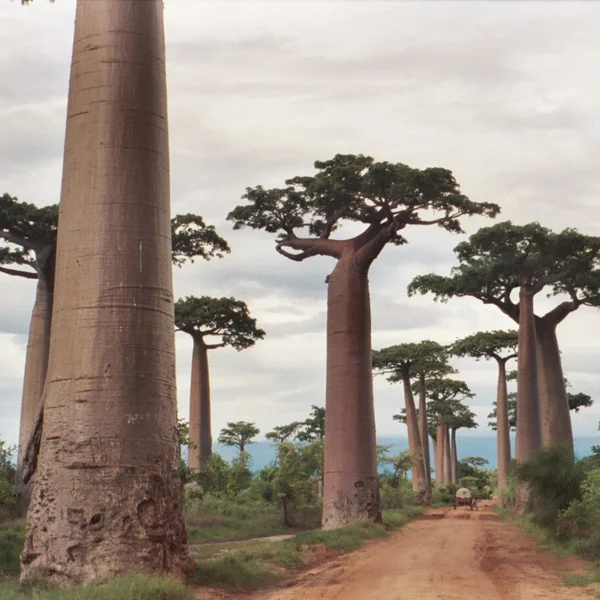
The Avenue of the Baobabs is a dirt road lined with tall Grandidier’s baobabs near Morondava on the west coast. Sunrise and sunset are popular times, so allow travel time from town.
Andasibe-Mantadia is a rainforest area a few hours from Antananarivo, home to the indri, the largest living lemur. Night walks can reveal chameleons and frogs.
Tsingy de Bemaraha is a UNESCO-listed landscape of limestone needles with forest, caves and lemurs. Access roads are usually only passable in the dry season.
Nosy Be is an island off the north-west coast with beaches, ylang-ylang plantations and boat trips to nearby islets. Whale sharks may be seen in some months with responsible operators.
Isalo National Park features sandstone canyons, natural pools and walking trails in the south. Start hikes early, as the sun is strong in the middle of the day.
Avenue of the Baobabs: see giant baobab trees near Morondava, especially at sunset.
Andasibe: listen for indri lemurs on guided rainforest walks.
Tsingy de Bemaraha: cross suspension bridges between sharp limestone pinnacles.
Madagascar is large and roads are slow, so focus on one or two regions per trip, such as the eastern rainforests and the road south to Isalo, or the west. Domestic flights can change at short notice, so allow buffer days and travel with a driver-guide. Panorama Tours can adapt the sequence for families, independent travellers and small groups.
Discover Malagasy culture with roots in Southeast Asia and Africa, ancestral traditions such as famadihana, hiragasy performances and the royal hill of Ambohimanga.
Try romazava (meat and greens stew), ravitoto (pounded cassava leaves with pork), zebu dishes and vanilla-scented desserts.
The dry season from about April to November suits most regions; December to March is the wet season, with cyclone risk on the coasts and some roads becoming impassable.
Antananarivo → Andasibe → Antsirabe → Ranomafana → Isalo, with optional Morondava or Nosy Be.
Check entry requirements, malaria precautions, domestic flight reliability, road conditions and current official advice.
Panorama Tours Sydney can help plan a personalised visit to Madagascar, including suitable transport, accommodation, guided activities and connections to nearby destinations. Tell us your preferred dates, interests and budget so we can prepare options subject to availability.
Entry requirements, visas, health advice and safety conditions change. Before you travel, check Smartraveller and the official sources of each country.