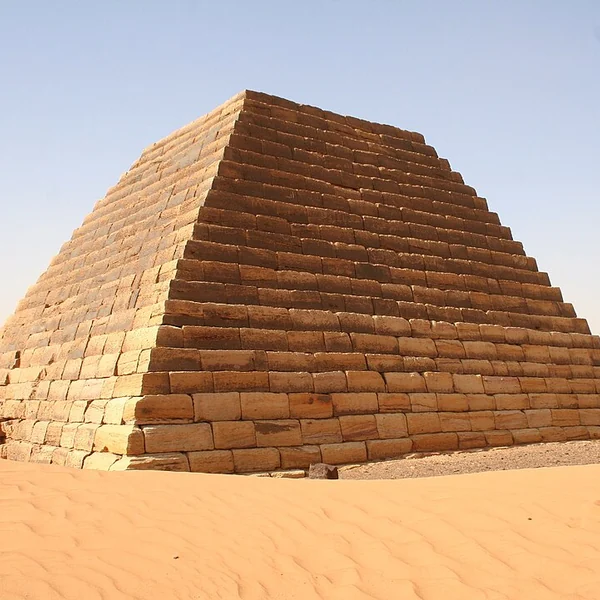
The Meroë necropolis holds dozens of small, steep pyramids built for the rulers of Kush, set among desert dunes and listed by UNESCO. Any future visit would need a guide and careful planning around the heat.
Khartoum stands where the Blue Nile and White Nile join, with Omdurman and its markets across the river. The capital has been affected by conflict, so treat it as a destination for when official advice allows.
Jebel Barkal is a sandstone mountain near Karima, with temples and pyramids considered sacred in ancient Egypt and Kush, and part of a UNESCO-listed area. Desert distances mean overnight stays nearby would be needed.
Sudan’s Red Sea coast is known for remote coral reefs and wrecks such as the Umbria near Port Sudan, traditionally visited by liveaboard boats. Dive operations depend on security and access conditions, which can change.
Suakin is a historic port island south of Port Sudan, with ruins of coral-stone buildings from its Ottoman-era past. It pairs naturally with the Red Sea coast when official advice allows travel.
Meroë: clusters of steep-sided royal pyramids of the Kingdom of Kush in the desert north of Khartoum.
Jebel Barkal: a sacred flat-topped mountain with temple ruins near Karima, linked to ancient Nubian kingship.
Khartoum: the city where the Blue Nile and White Nile meet, long a crossroads of trade and culture.
When official advice allows, a future journey would follow the Nile north from Khartoum to the Nubian sites, with long desert transfers, experienced local guides and spare days for heat or road conditions. Panorama Tours does not plan trips to Sudan while Australian Government advice is against travel.
Sudan’s heritage spans the ancient Kingdom of Kush, Christian Nubian kingdoms, Islamic traditions and diverse Arab and African communities, with Sufi gatherings and strong customs of hospitality.
Typical dishes include ful medames (stewed fava beans), kisra (thin fermented flatbread), aseeda (a thick porridge) and spiced jebena coffee.
Most of Sudan is hot and dry; the cooler months, roughly November to February, are the most comfortable, while summer heat is extreme and central and southern areas receive rain from about June to September.
When official advice allows: Khartoum → Meroë → Karima and Jebel Barkal → Port Sudan for the Red Sea.
Australian Government travel advice for Sudan may advise against all travel. Panorama Tours only plans trips when official advice allows; check the current advice before making any plans.
Panorama Tours Sydney can help plan a personalised visit to Sudan, including suitable transport, accommodation, guided activities and connections to nearby destinations. Tell us your preferred dates, interests and budget so we can prepare options subject to availability.
Entry requirements, visas, health advice and safety conditions change. Before you travel, check Smartraveller and the official sources of each country.