One of the most accessible active volcanoes in the Americas, where a road leads almost to the rim of a smoking crater and, at times, the glow of lava can be seen below.
Masaya Volcano National Park is about 30 minutes by road from Managua or Granada. Many visitors come in the late afternoon to see the crater at dusk, when any glow from the lava is easiest to see. Time at the rim is usually short and depends on gas levels and volcanic activity, so check current conditions and follow the rangers’ instructions.
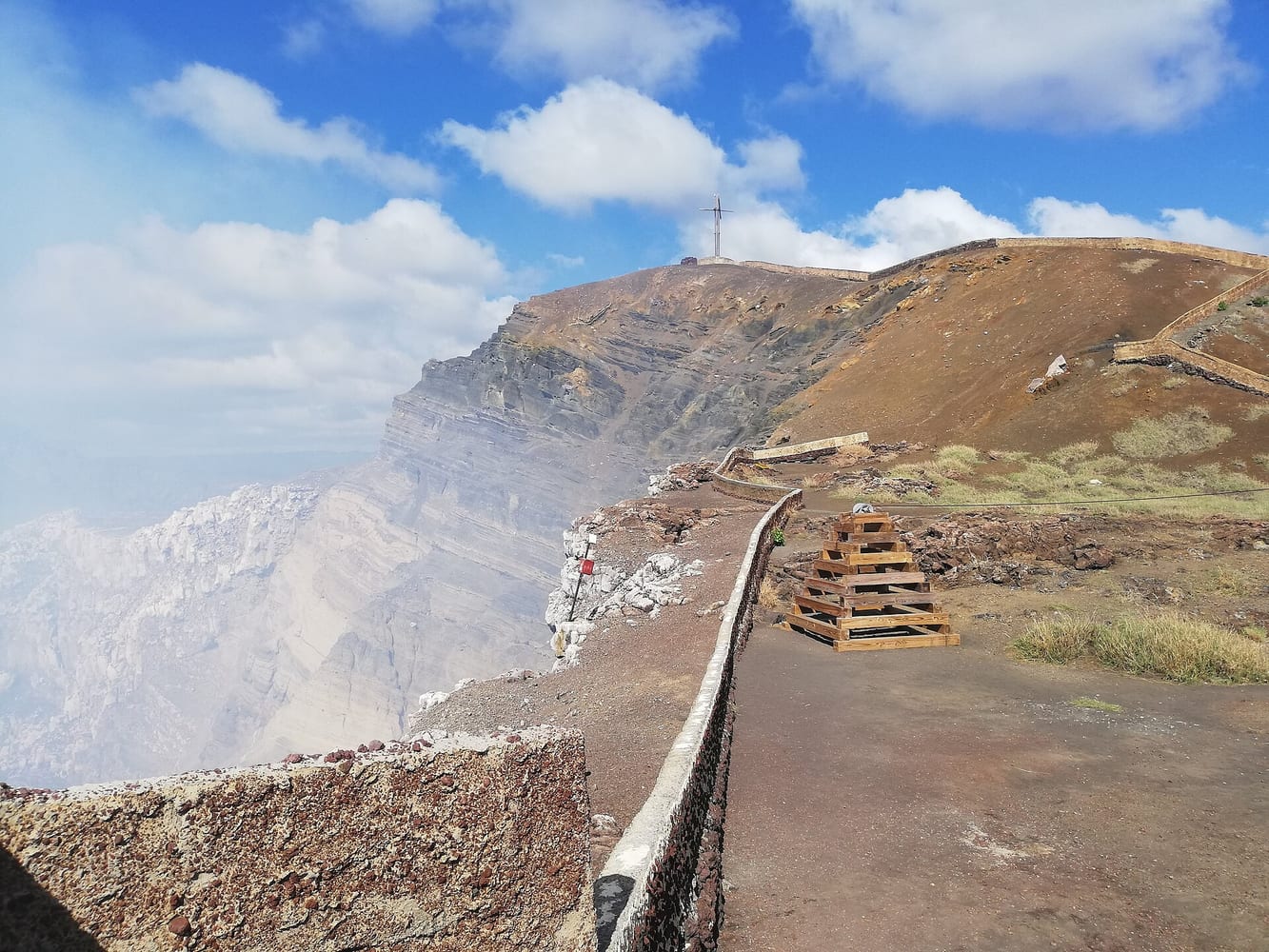
The active Santiago crater, wide and deep, often releases plumes of gas that drift across the rim. Visitors are usually allowed a short time at the viewpoint; follow the rangers’ instructions.
Photo: Chicho96 · CC BY-SA 4.0 · Wikimedia Commons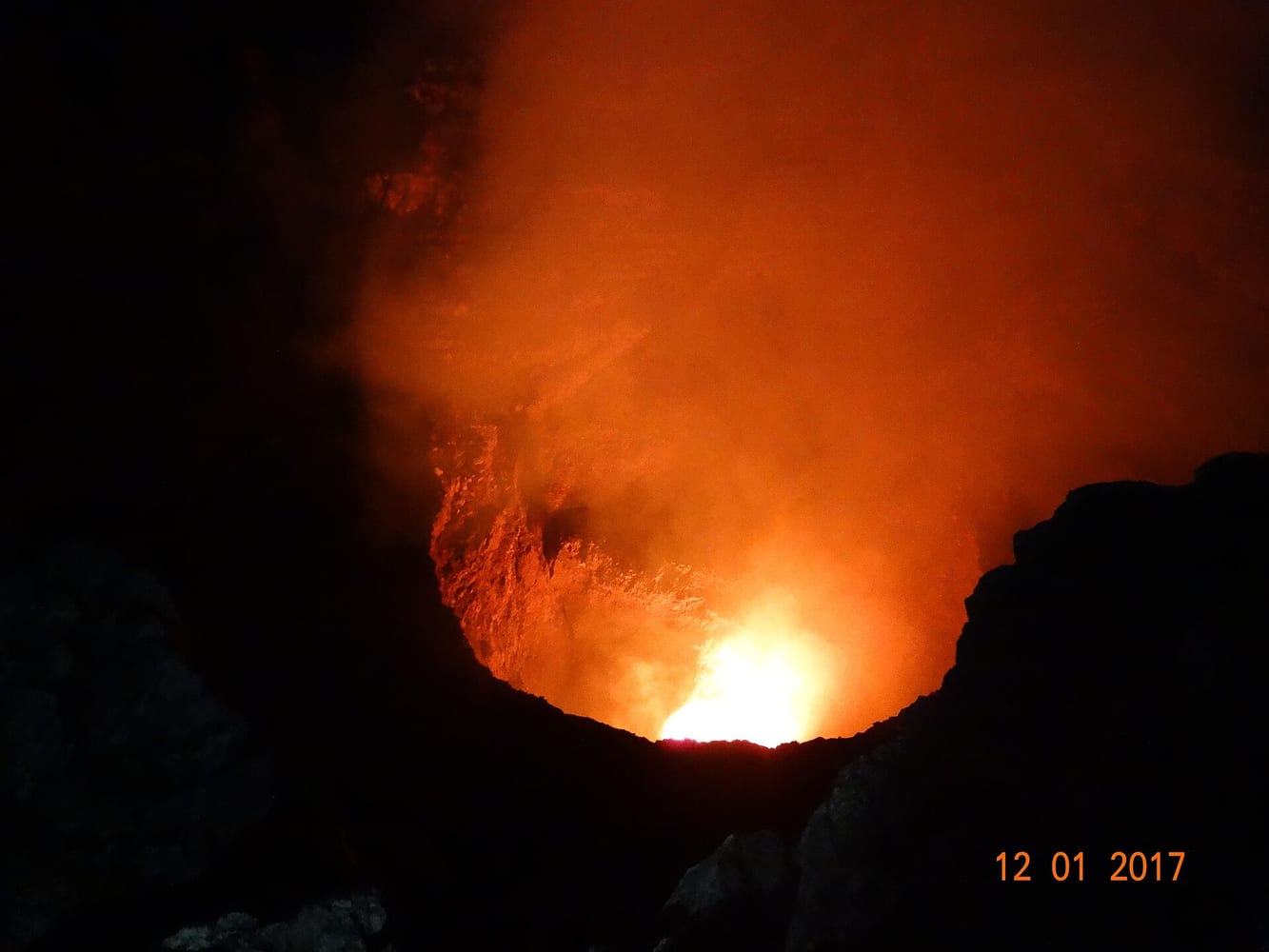
In some periods a lava lake glows at the bottom of the crater, most visible after dark. Its visibility changes with activity and gas, so it cannot be promised on any given day.
Photo: Leon petrosyan · CC BY-SA 4.0 · Wikimedia Commons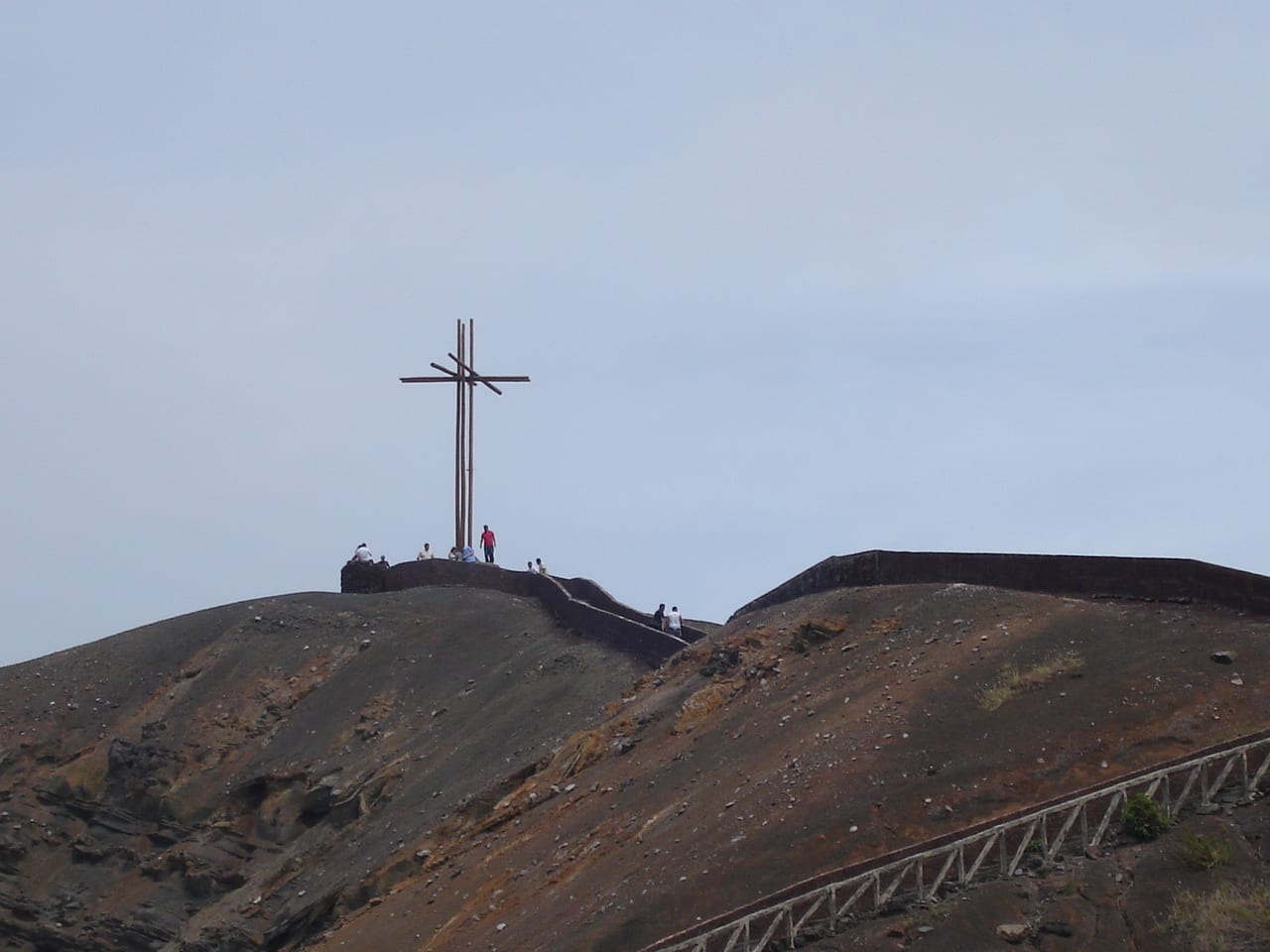
A cross on a hill above the crater recalls the one placed by a Spanish friar who believed the volcano was a mouth of hell. Access to this area may be closed depending on conditions.
Photo: Mark Stevens - User: (WT-shared) Mrkstvns2 at wts wikivoyage · CC BY-SA 1.0 · Wikimedia Commons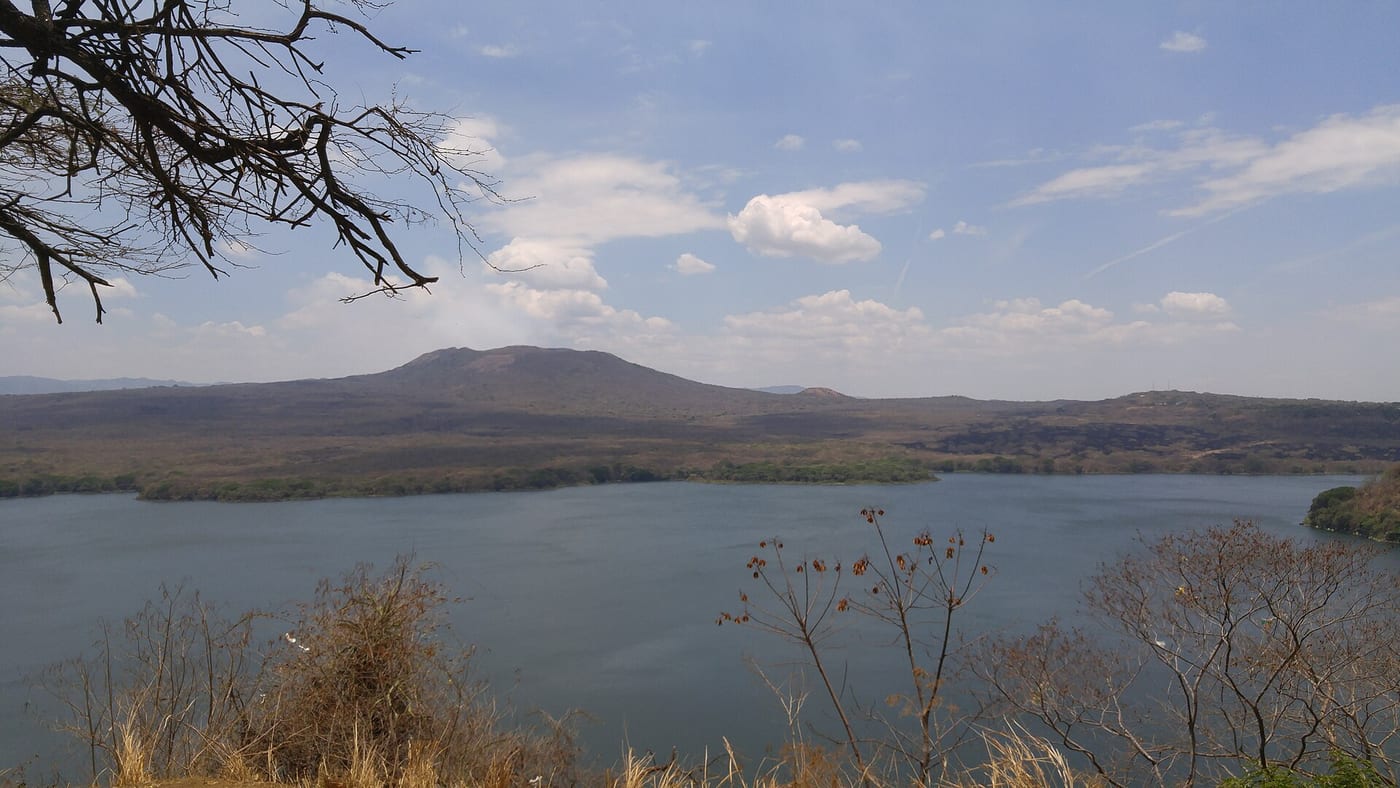
A crater lake below the town of Masaya, seen from viewpoints on the edge of town. It makes a fine view in the late afternoon.
Photo: Chicho96 · CC BY-SA 4.0 · Wikimedia Commons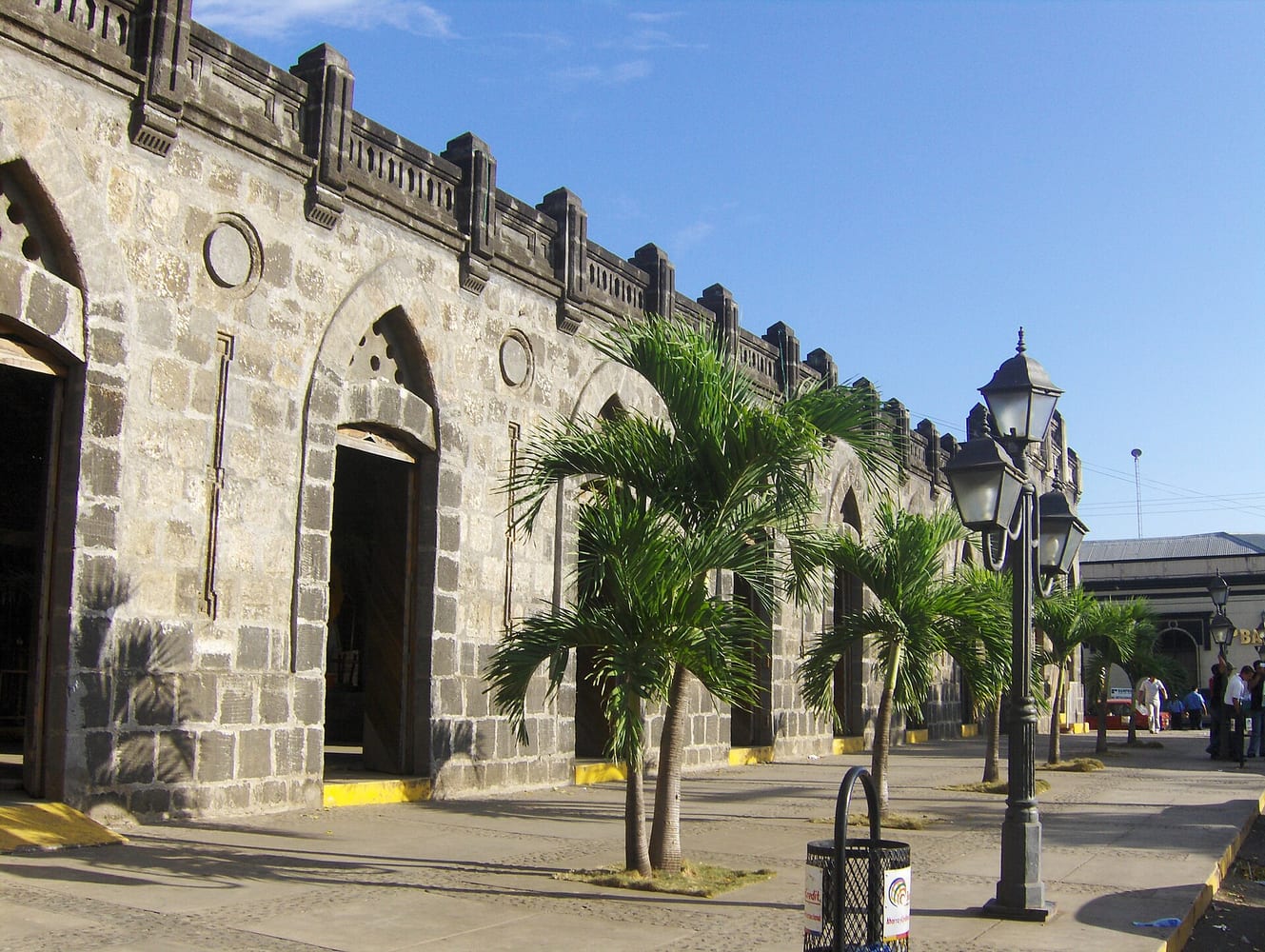
The old market of Masaya, in a historic building with turreted walls, sells hammocks, pottery, woodwork and textiles from the region. Combine it with the volcano for a full day.
Photo: User:Eln1coya · Public domain · Wikimedia CommonsEntry requirements, visas, health advice and safety conditions change. Before you travel, check Smartraveller and the official sources of each country.