Around 275 waterfalls spread along almost three kilometres of the Iguazú River, on the border between Argentina and Brazil, surrounded by subtropical rainforest.
The Argentine side, in Iguazú National Park, gets you close to the water on a network of walkways and includes the Devil’s Throat. The Brazilian side gives the wide panoramic view. Ideally spend two days: one on each side. Both parks are UNESCO World Heritage sites.
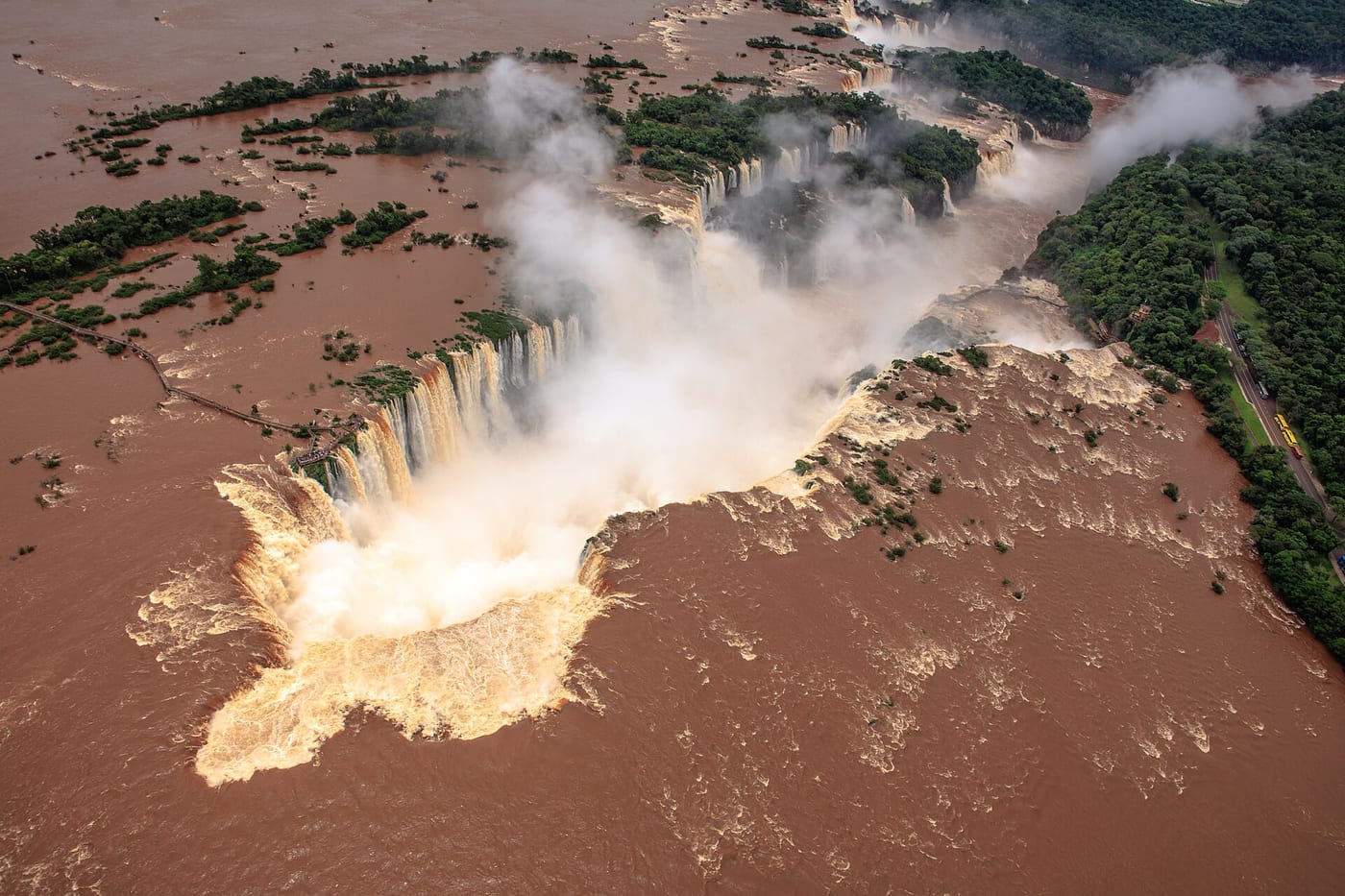
The most powerful part of the falls, a U-shaped chasm where much of the river plunges about 80 metres. A small train and a long walkway over the river take you to the edge.
Photo: Murray Foubister · CC BY-SA 2.0 · Wikimedia Commons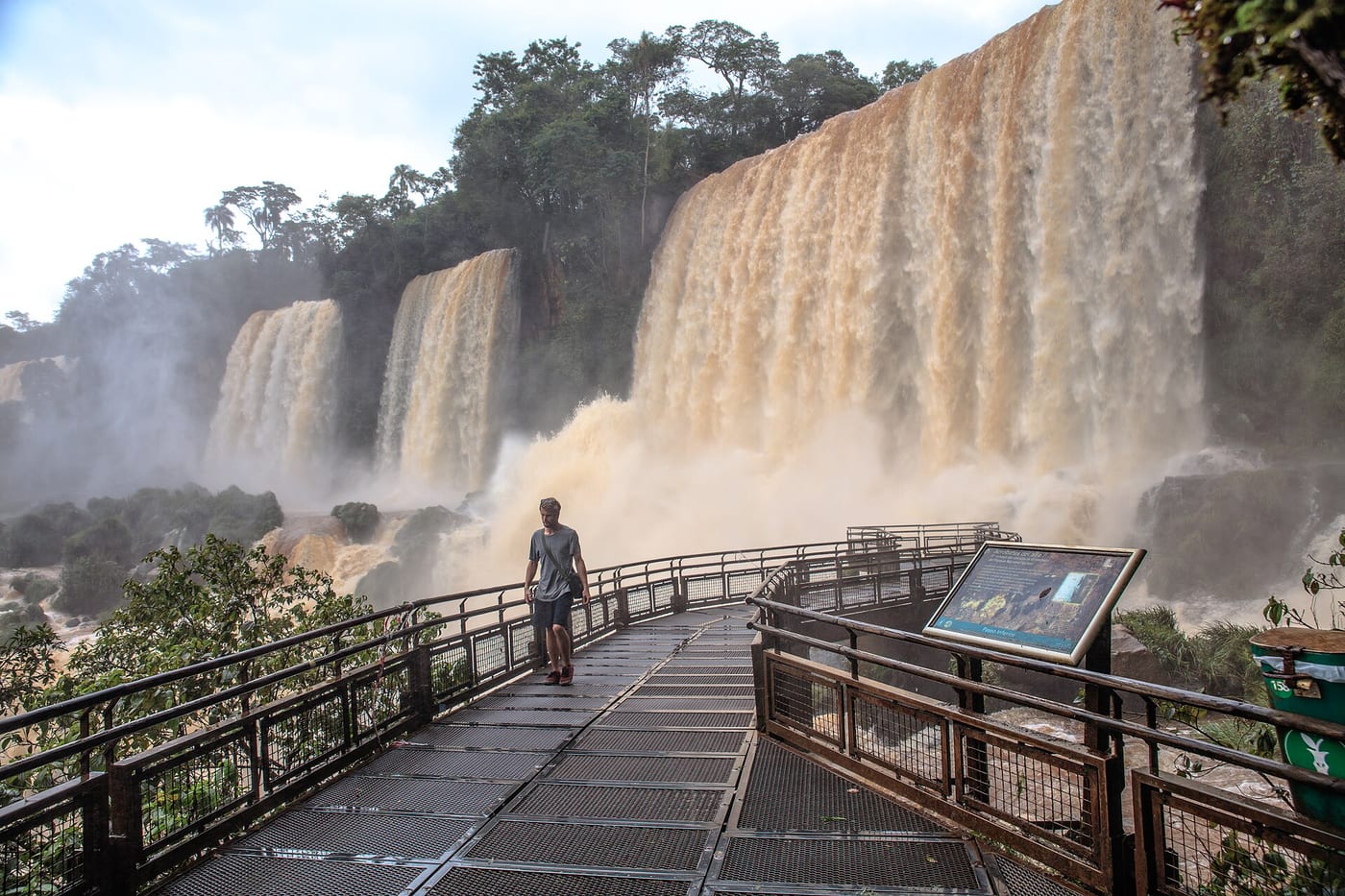
The Upper and Lower Circuits on the Argentine side run above and below dozens of falls. Allow most of a day and expect to get wet near the cascades.
Photo: Murray Foubister · CC BY-SA 2.0 · Wikimedia Commons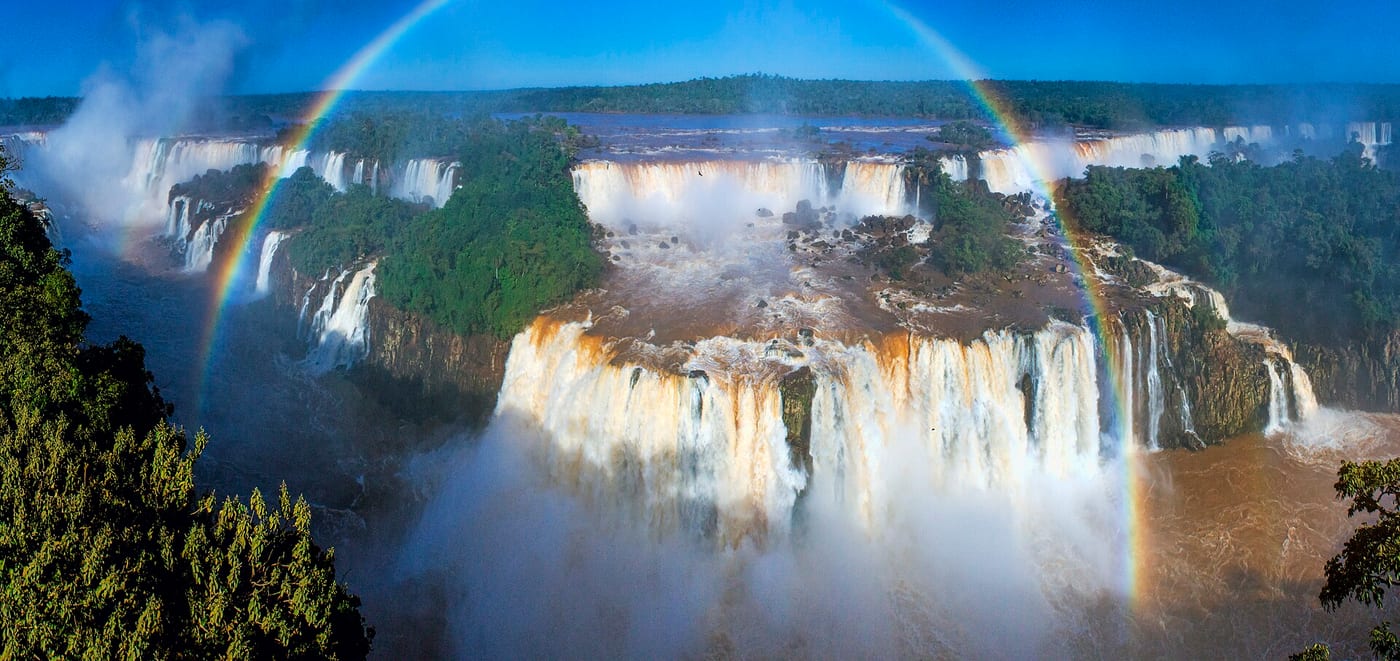
The trail on the Brazilian side, in Foz do Iguaçu, looks across to the Argentine falls and ends on a platform in front of the Devil’s Throat.
Photo: Chensiyuan · CC BY-SA 4.0 · Wikimedia Commons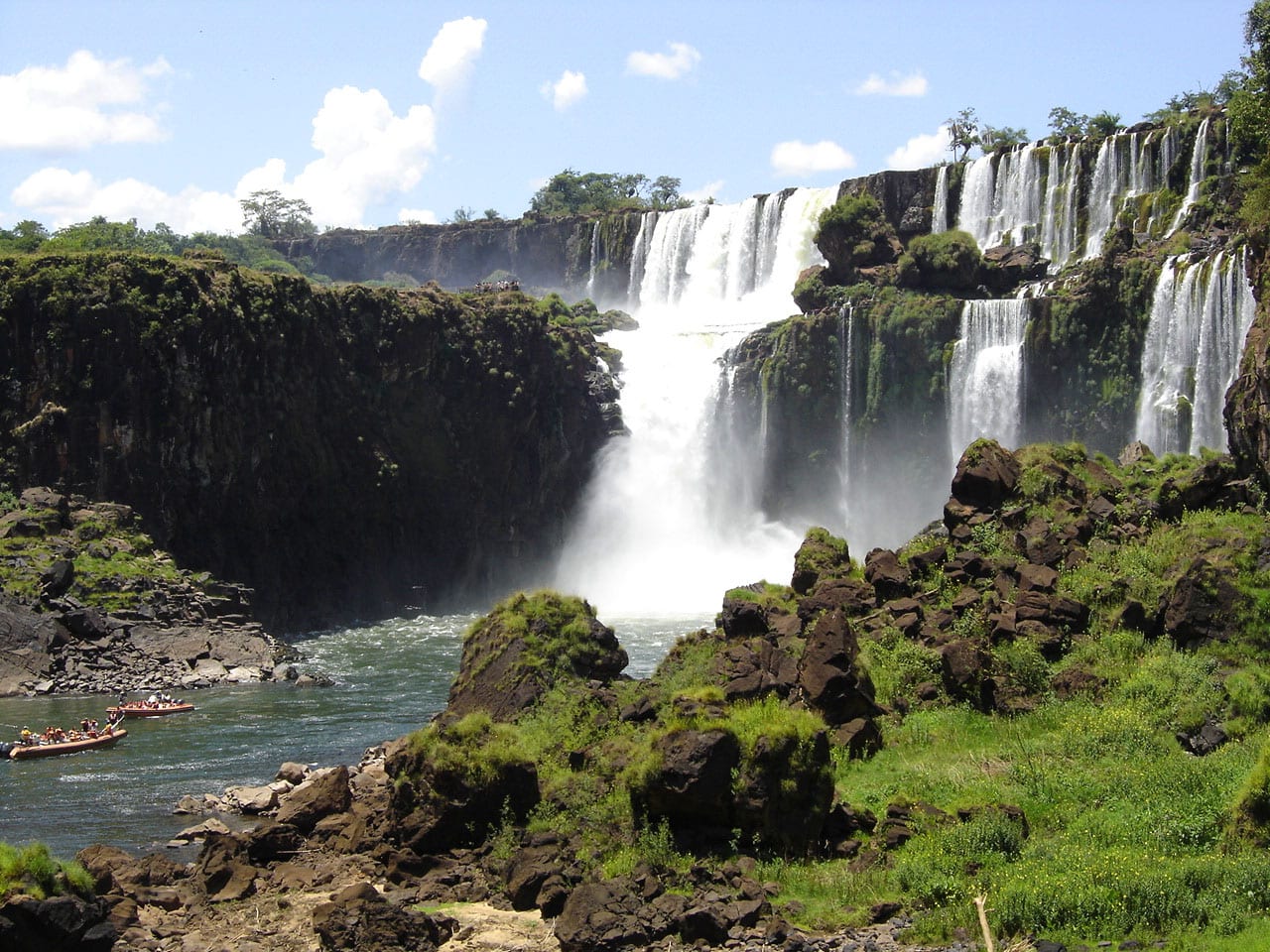
One of the largest falls, seen from the Lower Circuit. Boat trips on the river below (Gran Aventura) go right up to the spray.
Photo: Tencho · CC BY-SA 3.0 · Wikimedia Commons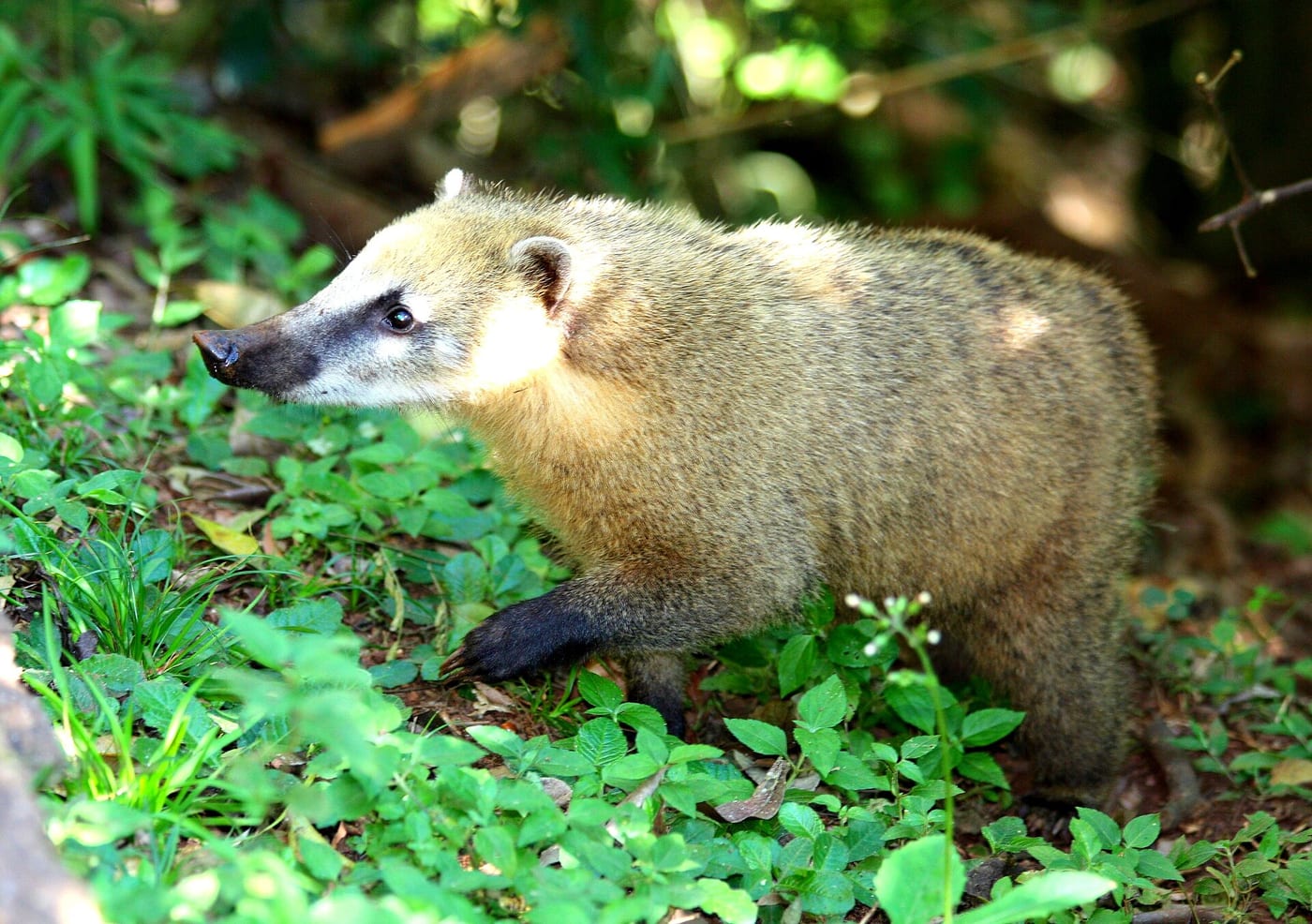
South American coatis are common along the trails. They are wild animals: do not feed them and keep food out of reach.
Photo: dany13 · CC BY 2.0 · Wikimedia Commons
The park’s forest is home to toucans, parrots and hundreds of butterfly species. Early morning is the best time to see birds.
Photo: Nicolas Billebault · CC BY-SA 3.0 · Wikimedia Commons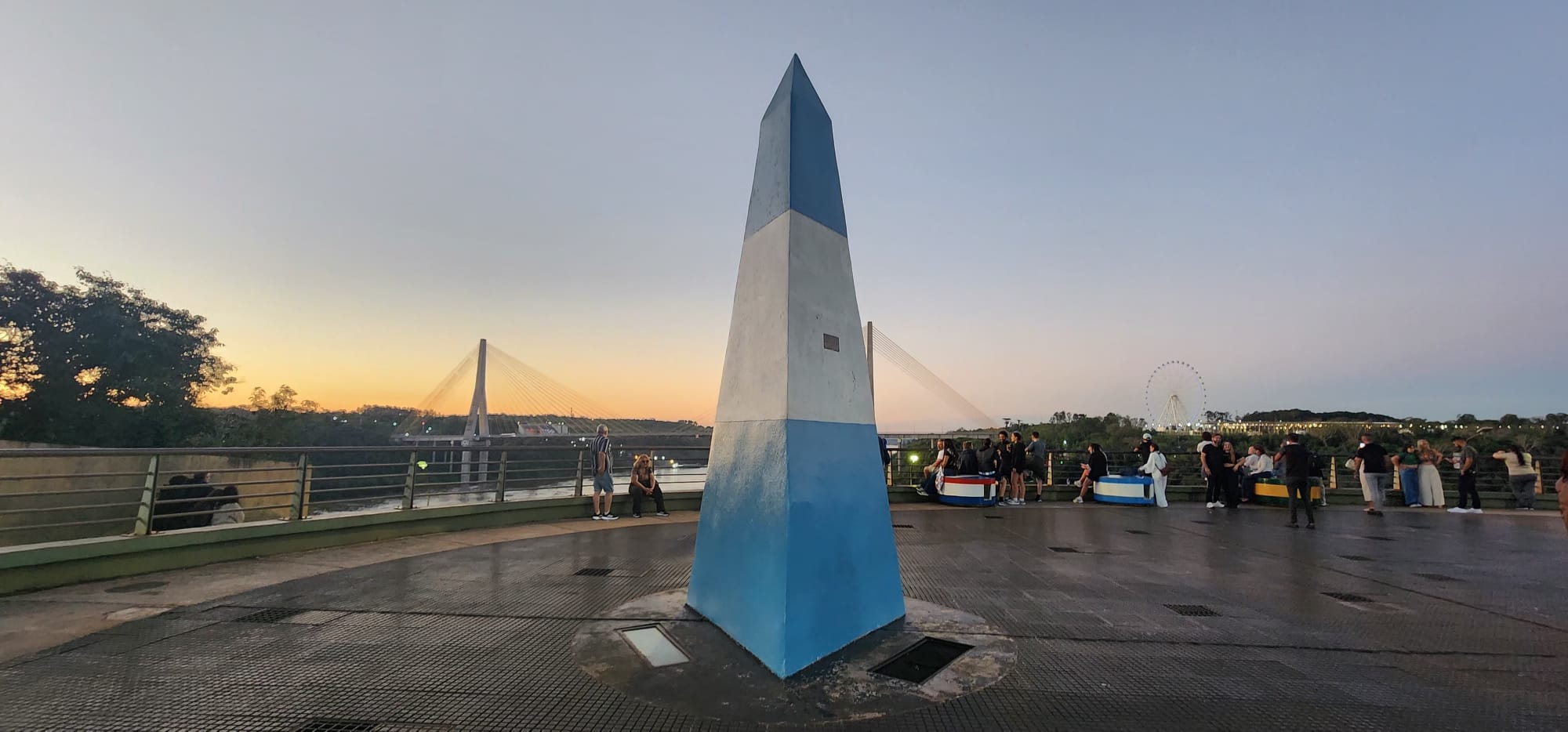
The Three Borders landmark, where Argentina, Brazil and Paraguay meet
Photo: Christina Jin Waitara, from her own travels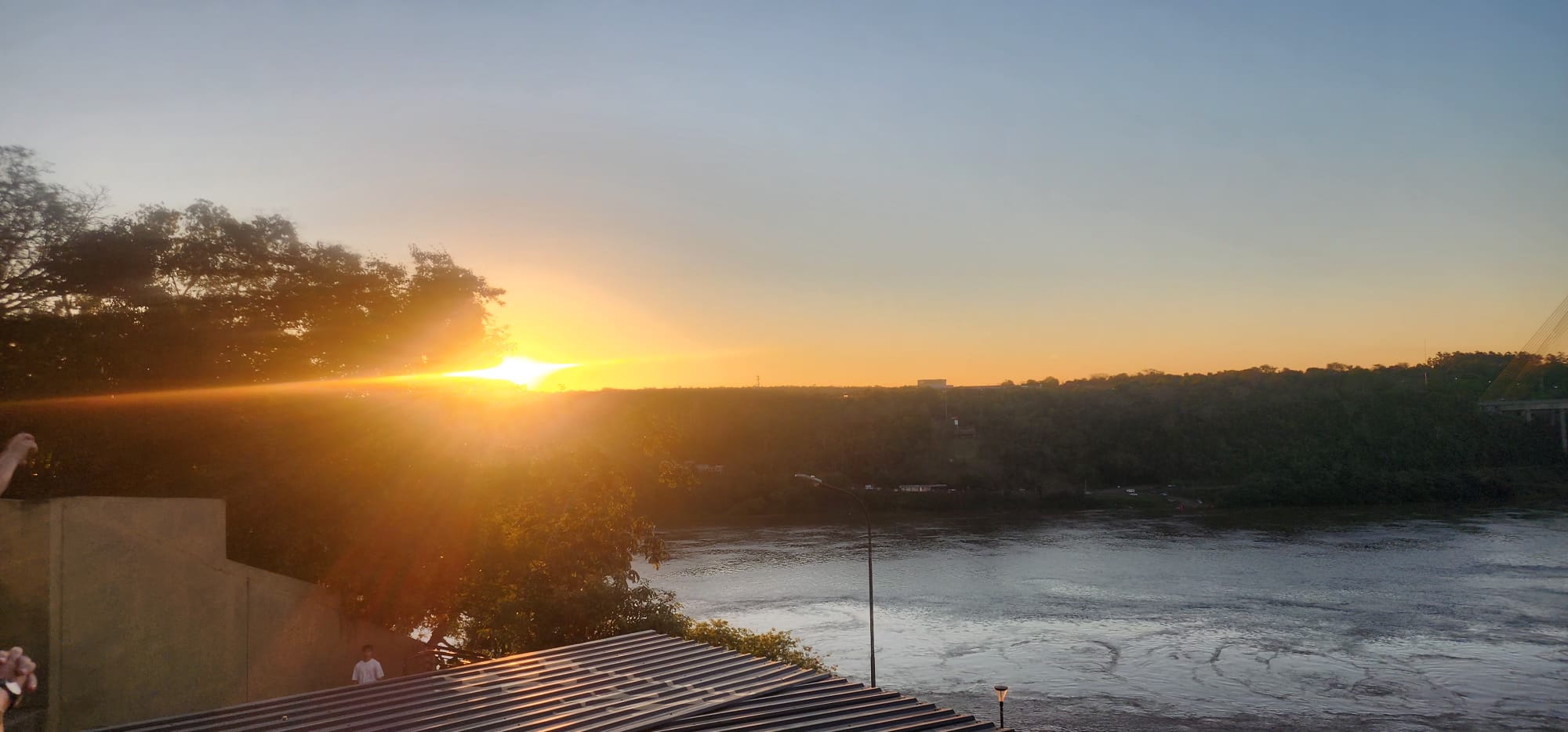
Sunset over the Iguazú and Paraná rivers
Photo: Christina Jin Waitara, from her own travels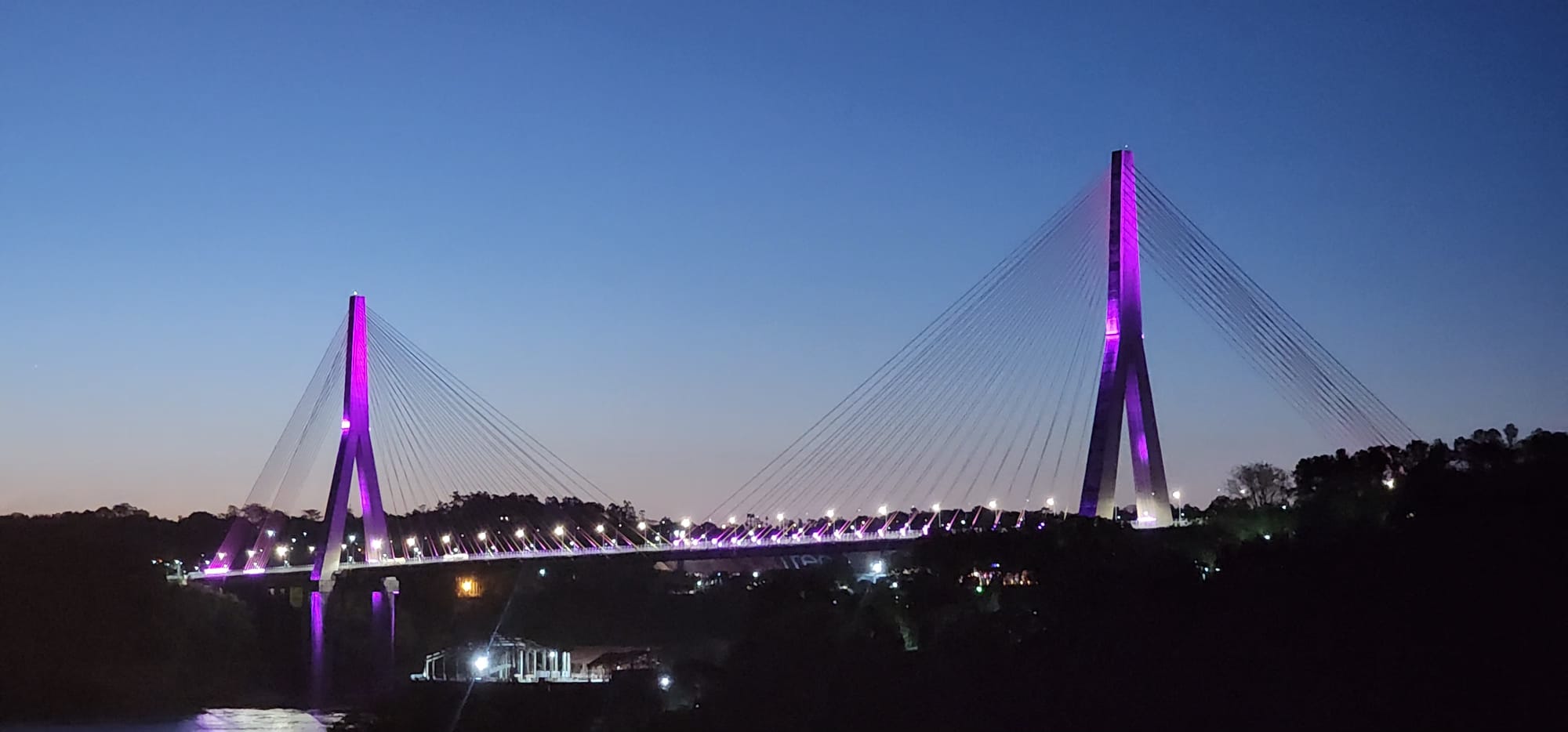
The bridge to Brazil lit at night
Photo: Christina Jin Waitara, from her own travelsEntry requirements, visas, health advice and safety conditions change. Before you travel, check Smartraveller and the official sources of each country.