Cuba’s capital blends a vast colonial old town, grand early twentieth-century buildings, classic cars and a seafront promenade where the whole city comes to meet at sunset.
Most trips to Cuba begin in Havana. Plan at least three days: one for the four main squares of Old Havana, one for Centro, the Capitolio and the Malecón, and one for Vedado, the fortresses across the harbour and an evening of live music. Services, payment methods and transport in Cuba can change, so confirm the details shortly before travel.
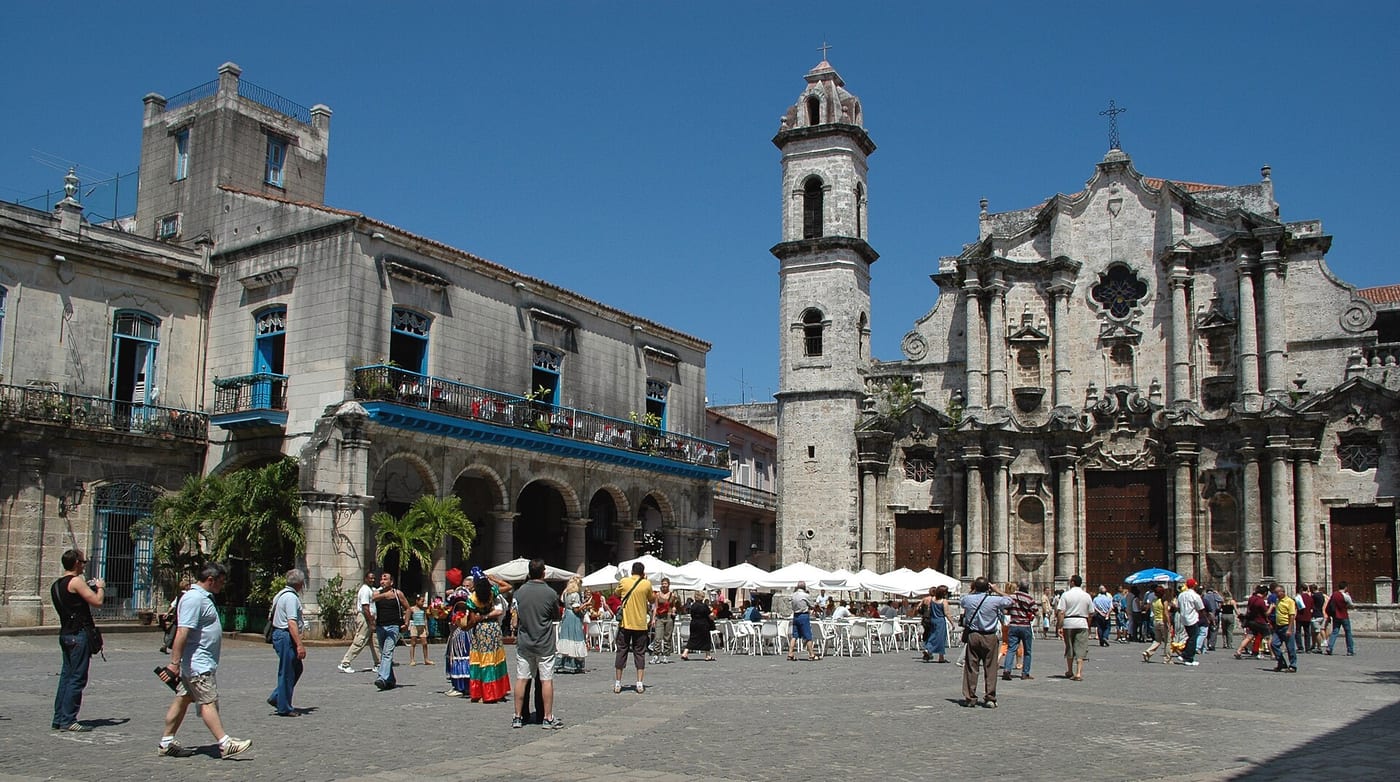
A cobbled square framed by the baroque façade of the cathedral and old aristocratic mansions. Come early in the morning or in the evening light, when it is quieter.
Photo: Gorupdebesanez · CC BY-SA 3.0 · Wikimedia Commons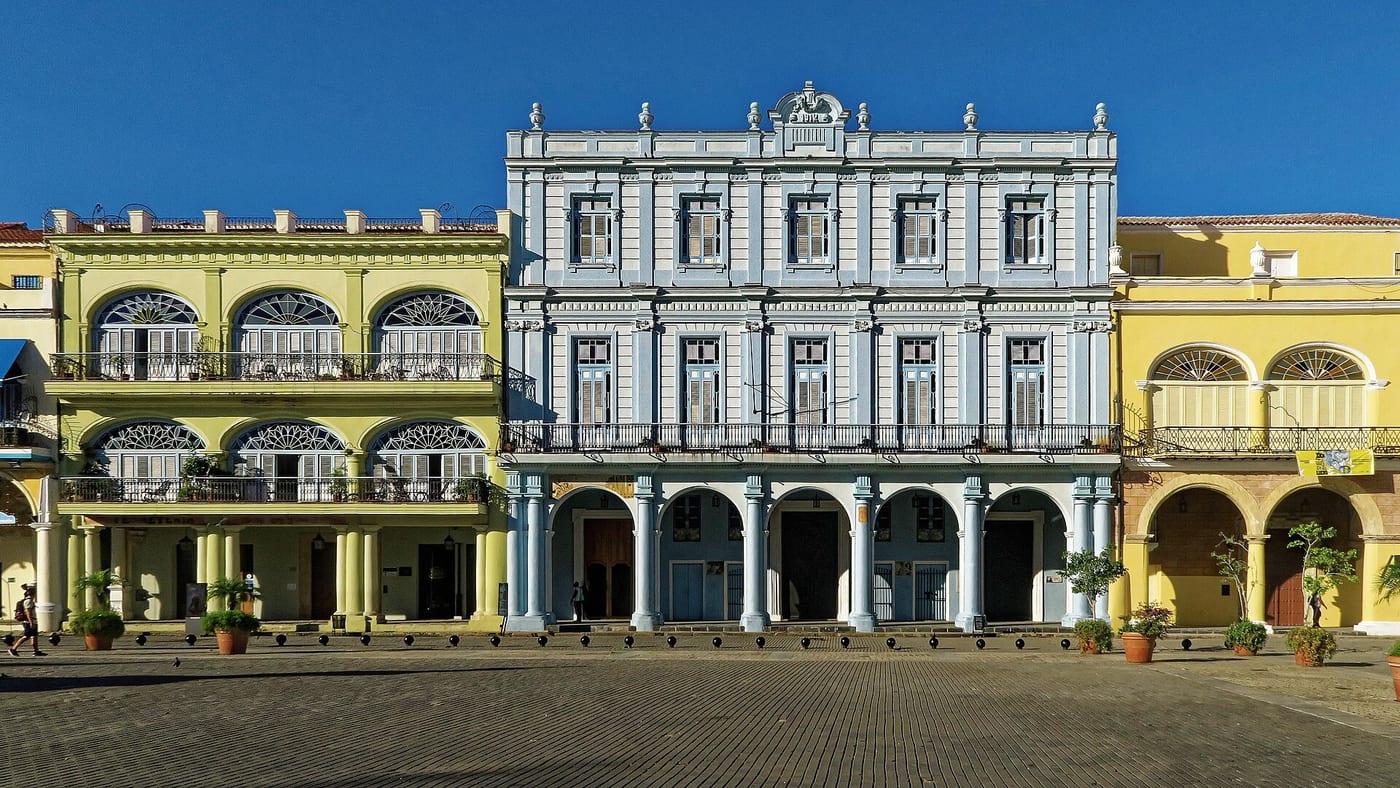
A colonial square restored with pastel façades, cafés and a small brewery. It is a pleasant place to pause between the other squares of the old town.
Photo: Burkhard Mücke · CC BY-SA 4.0 · Wikimedia Commons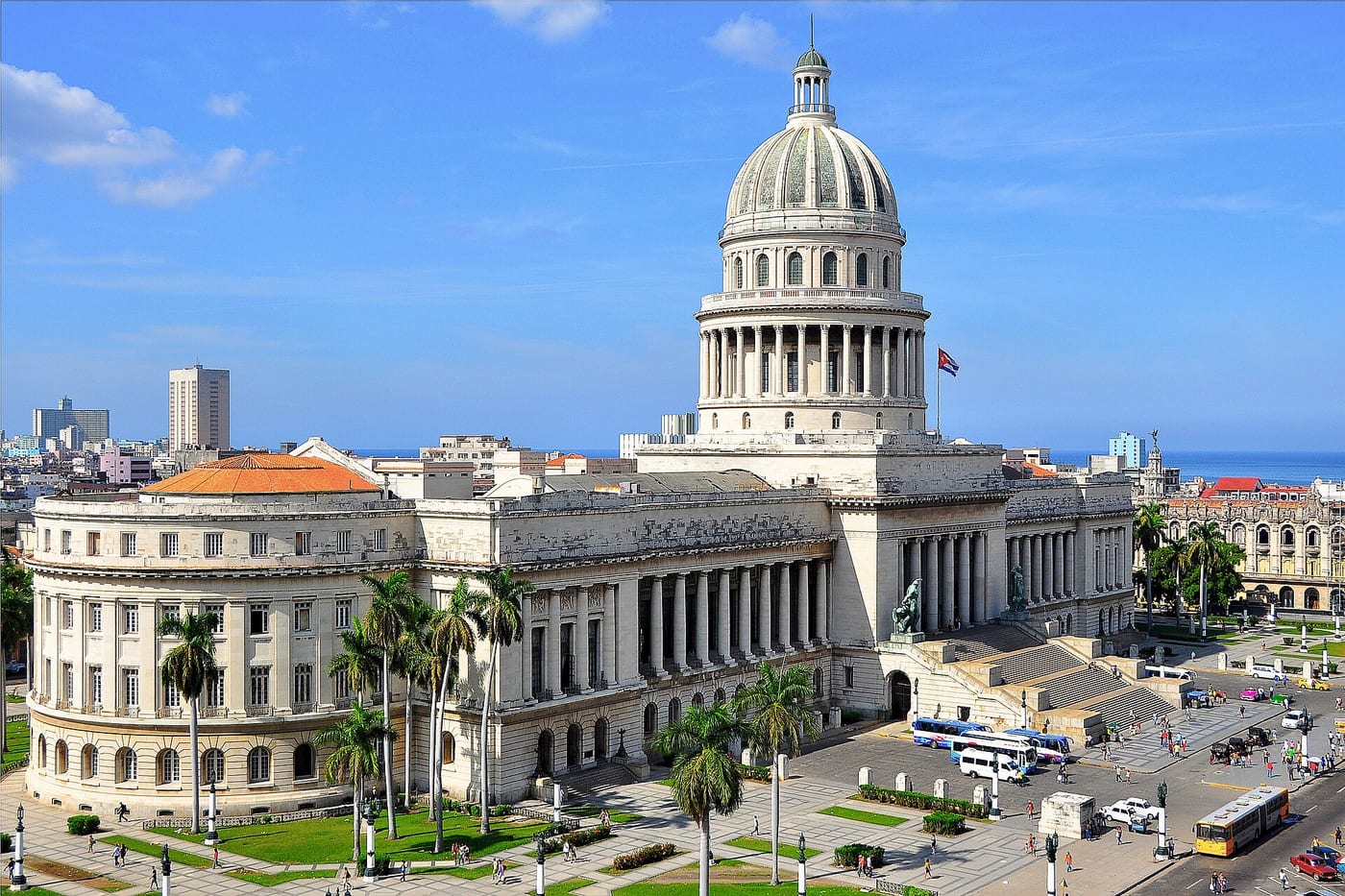
The domed Capitolio, completed in the late 1920s, is one of the city’s great landmarks. Guided visits are offered at times; the surrounding streets of Centro show everyday Havana.
Photo: Nigel Pacquette · CC BY-SA 3.0 · Wikimedia Commons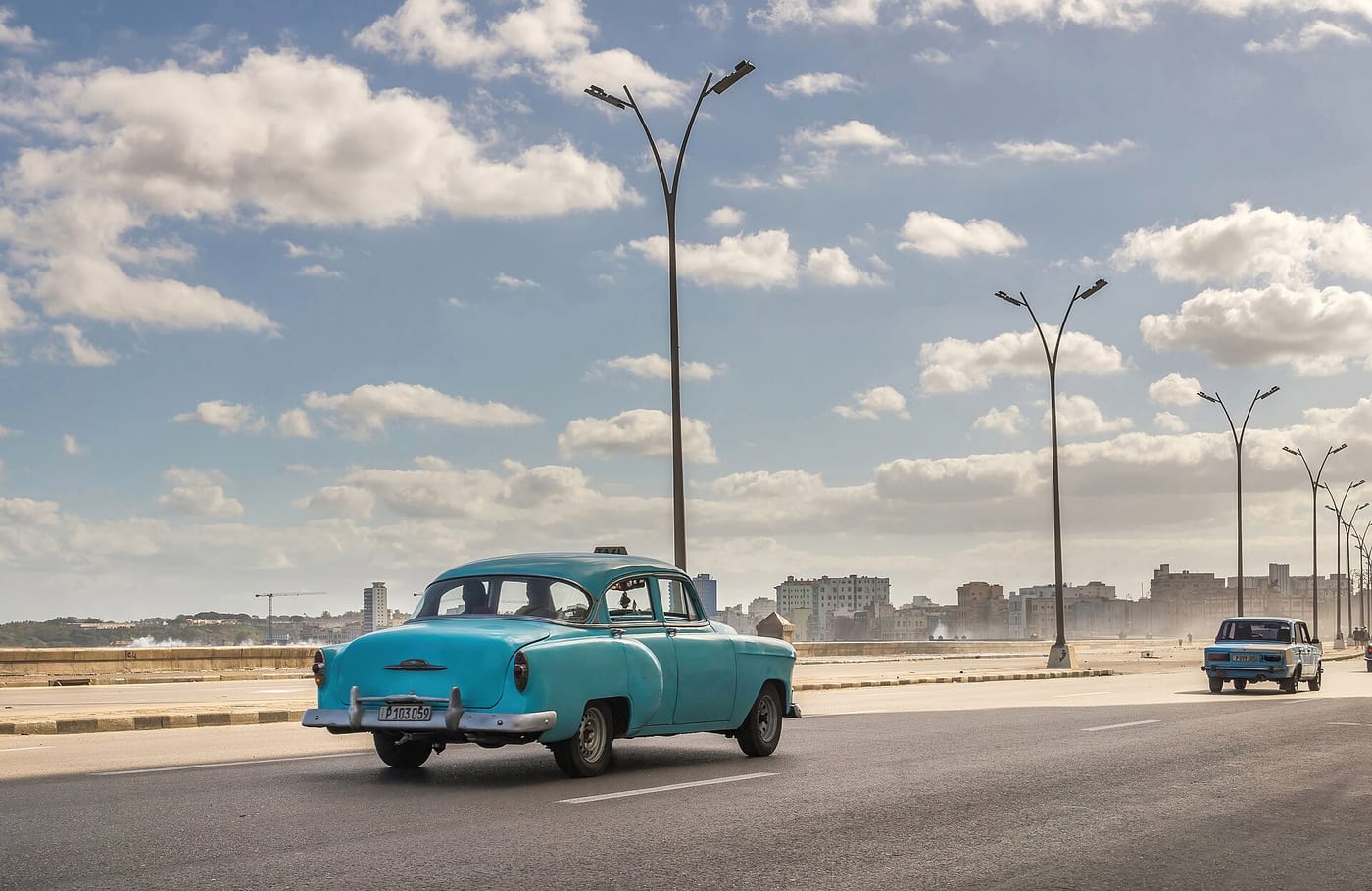
The seafront boulevard runs for several kilometres from Old Havana to Vedado. Walk a stretch at sunset, but keep clear of the edge when waves break over the wall.
Photo: Ezarate This is a retouched picture, which means that it has been digitally altered from its original version. Modificat · CC BY-SA 4.0 · Wikimedia Commons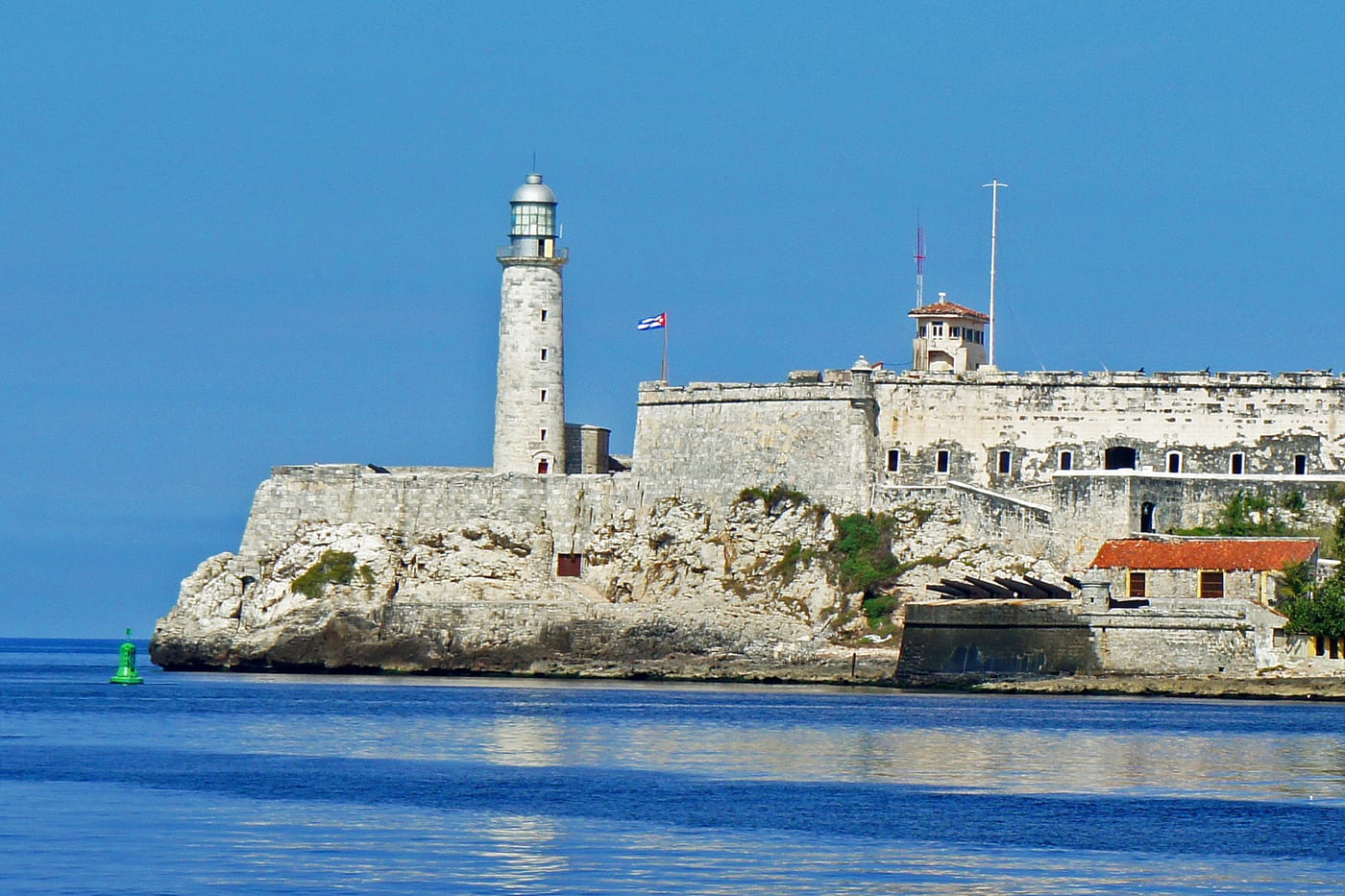
The fortress guarding the harbour entrance offers views back across the bay to the city. Stay for the evening cannon ceremony at the nearby La Cabaña fortress.
Photo: Mariordo · CC BY-SA 3.0 · Wikimedia CommonsEntry requirements, visas, health advice and safety conditions change. Before you travel, check Smartraveller and the official sources of each country.