Cuba’s second city, in the far east of the island, is a hilly, music-filled place with Caribbean and African influences, a dramatic fortress and deep revolutionary history.
Santiago is far from Havana, so most visitors fly in or include it at the end of a longer road journey east. Plan two or three days: one for the historic centre around Parque Céspedes and its music venues, one for the fortress of San Pedro de la Roca, and an excursion to El Cobre or the Gran Piedra. Services, payments and transport can change, so confirm arrangements shortly before travel.
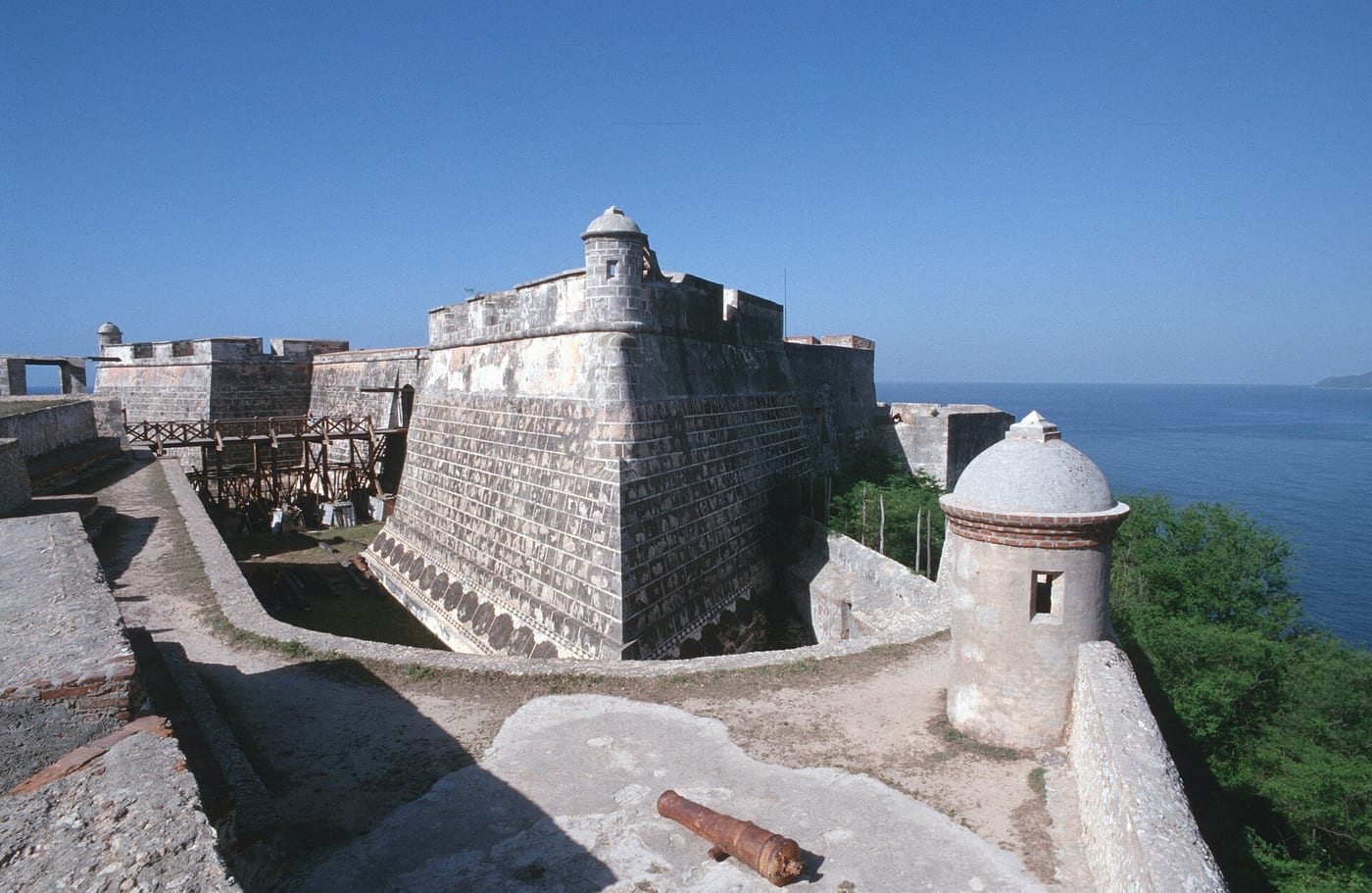
A seventeenth-century stone fortress built in terraces on a cliff at the entrance to the bay, listed as a World Heritage site. Visit in the late afternoon for the views and the sunset.
Photo: Glogg, Peter, Switzerland · CC BY 2.0 · Wikimedia Commons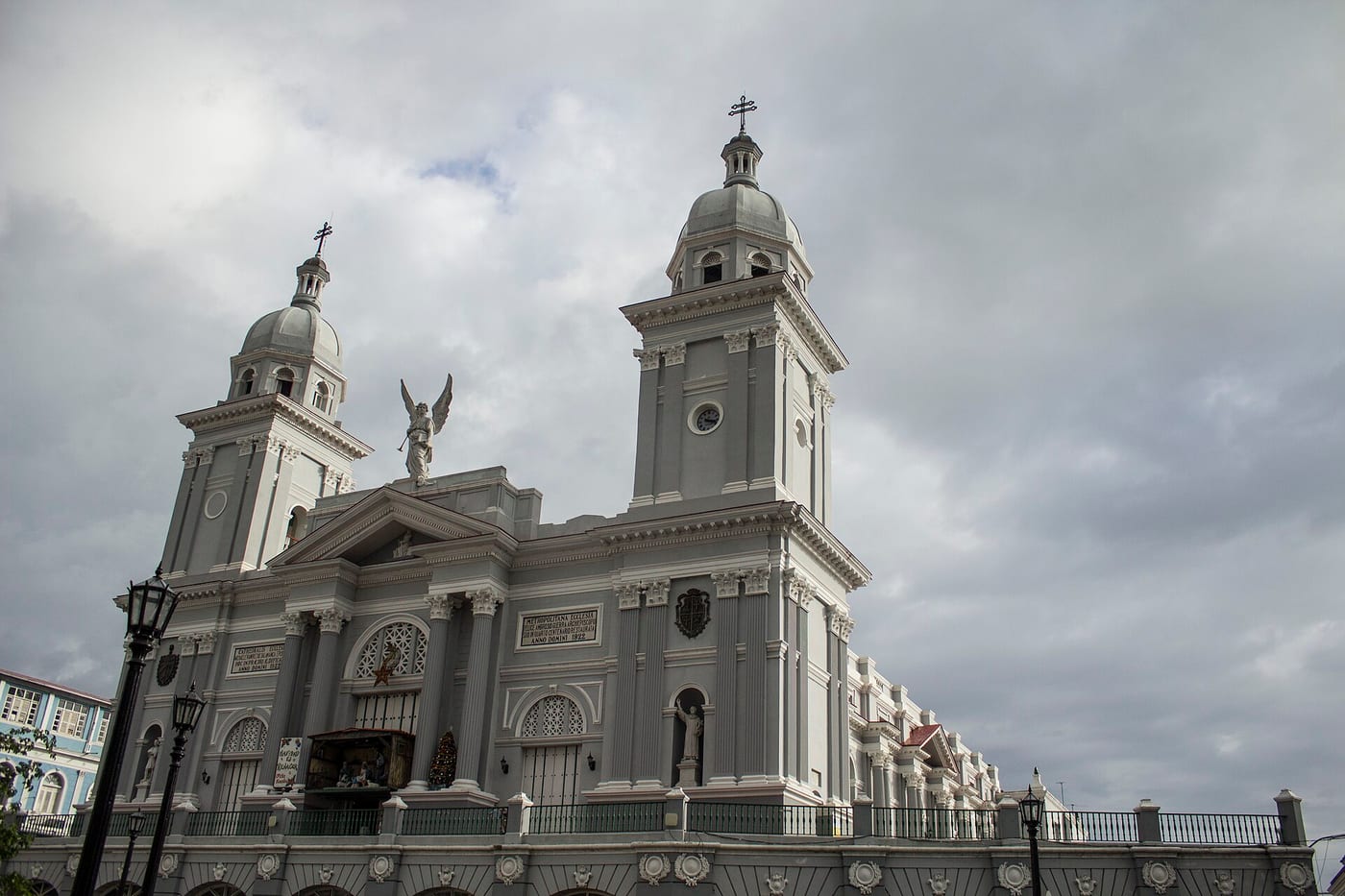
The main square, overlooked by the cathedral and some of the oldest buildings in Cuba. The surrounding streets are known for traditional music in the evenings.
Photo: Sangianense · CC BY-SA 4.0 · Wikimedia Commons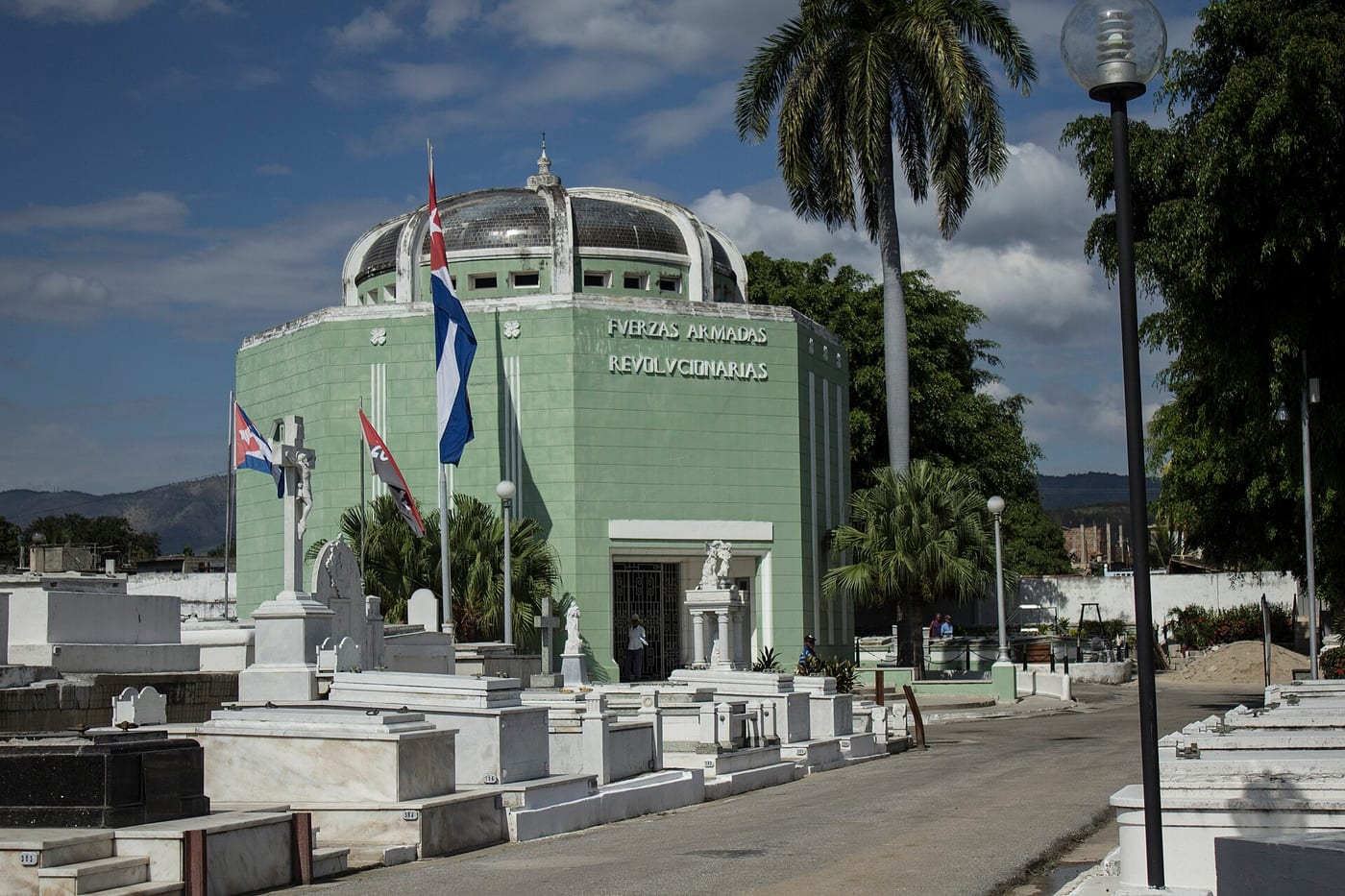
A historic cemetery with the tombs of José Martí and other national figures. A changing of the guard is held at Martí’s mausoleum at regular intervals.
Photo: Sangianense · CC BY-SA 4.0 · Wikimedia Commons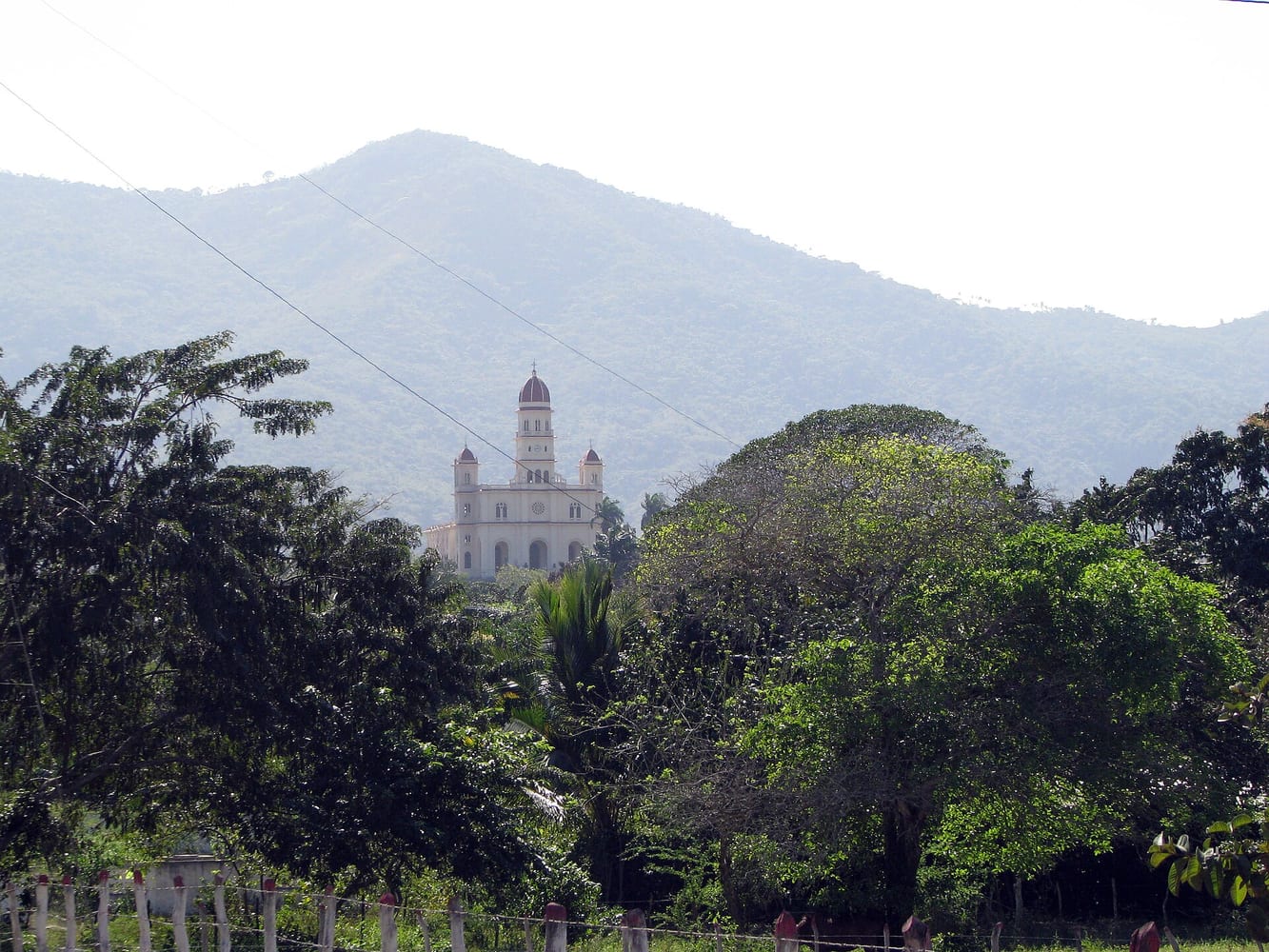
The basilica of the Virgen de la Caridad del Cobre, Cuba’s patron saint, stands on a green hill outside the city. Dress respectfully, as it is an active place of pilgrimage.
Photo: Hyppolyte de Saint-Rambert · CC BY-SA 4.0 · Wikimedia Commons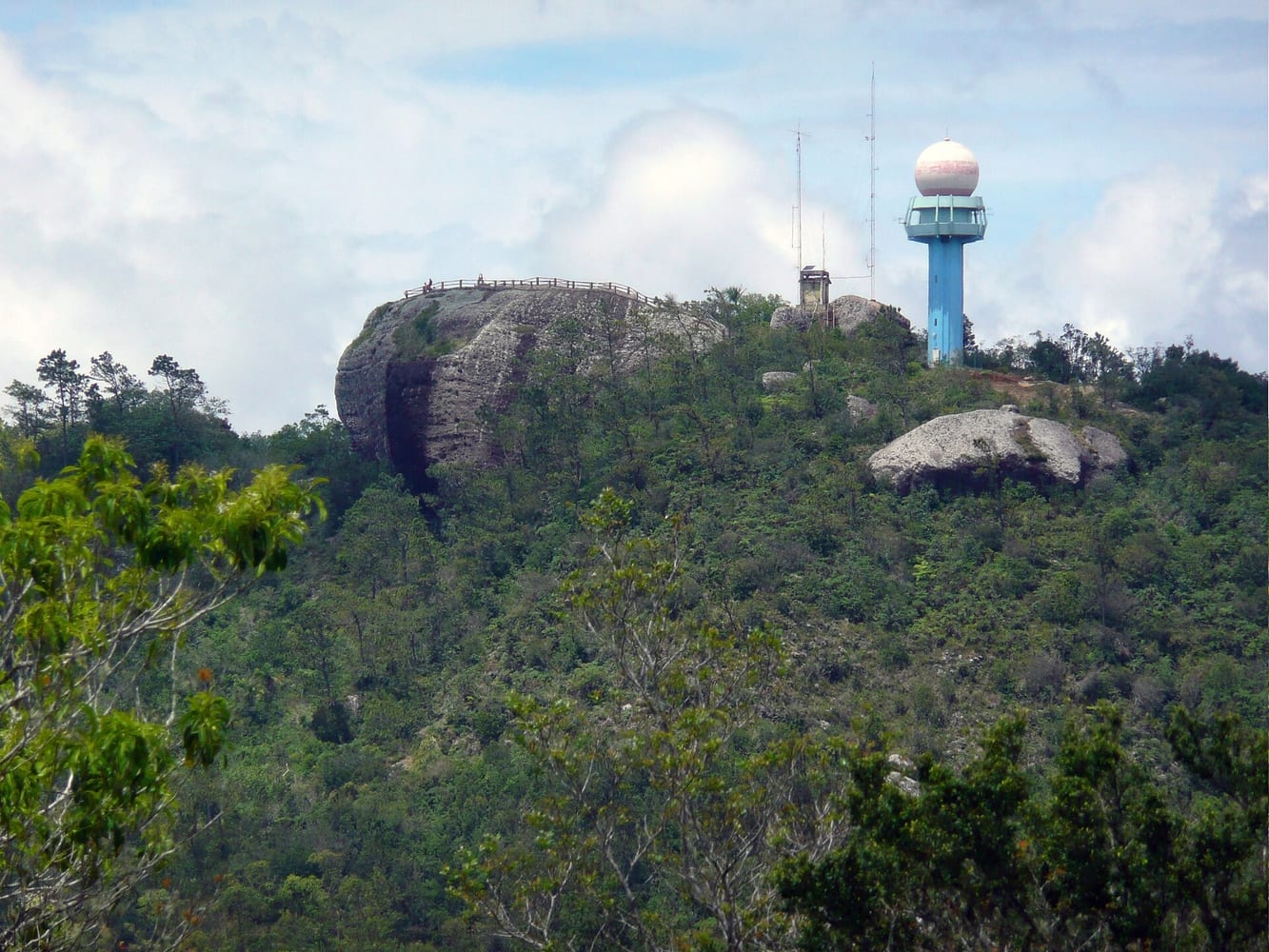
A huge rock high in the Sierra de la Gran Piedra, reached by a steep stairway. On clear days the view reaches far over the coast and mountains.
Photo: Lagaly_de (Sigi Knoll, Germany) · CC BY-SA 3.0 · Wikimedia CommonsEntry requirements, visas, health advice and safety conditions change. Before you travel, check Smartraveller and the official sources of each country.