A farming village buried by volcanic ash some 1,400 years ago, which preserves everyday Maya life in rare detail; a UNESCO World Heritage Site west of San Salvador.
Joya de Cerén is about 35 km west of San Salvador and pairs easily with the nearby San Andrés site in a half-day visit. Tazumal and Casa Blanca, in Chalchuapa near Santa Ana, make a natural second stop on the same route. Start at the site museum to understand the eruption, then follow the paths to the excavated buildings, which are seen from viewing areas.
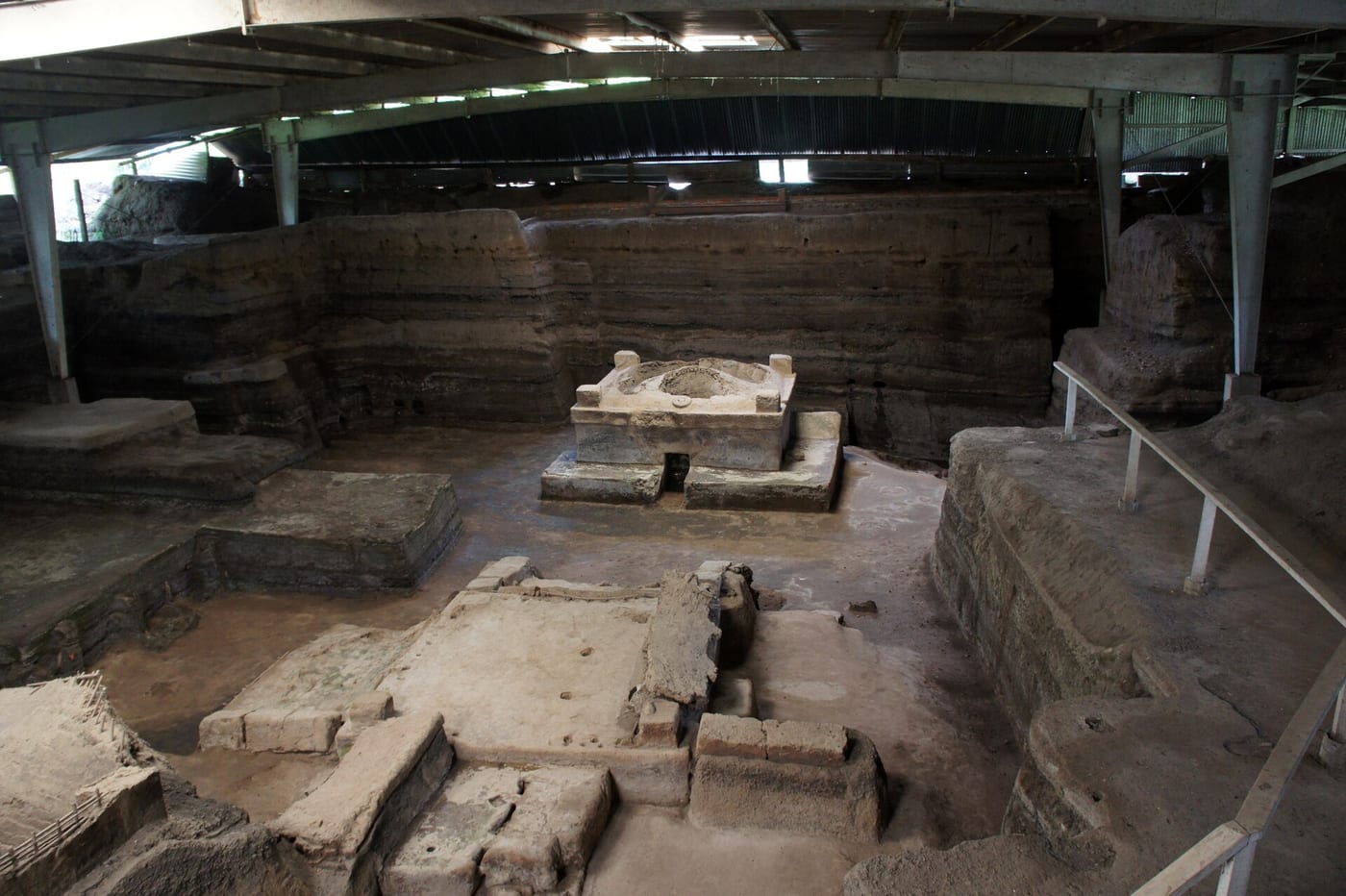
Unlike the great ceremonial centres, Cerén shows how ordinary families lived: houses, storerooms and fields were covered so quickly that tools and food stayed in place. A guided visit helps you read what you are seeing.
Photo: Mariordo (Mario Roberto Duran Ortiz) · CC BY-SA 3.0 · Wikimedia Commons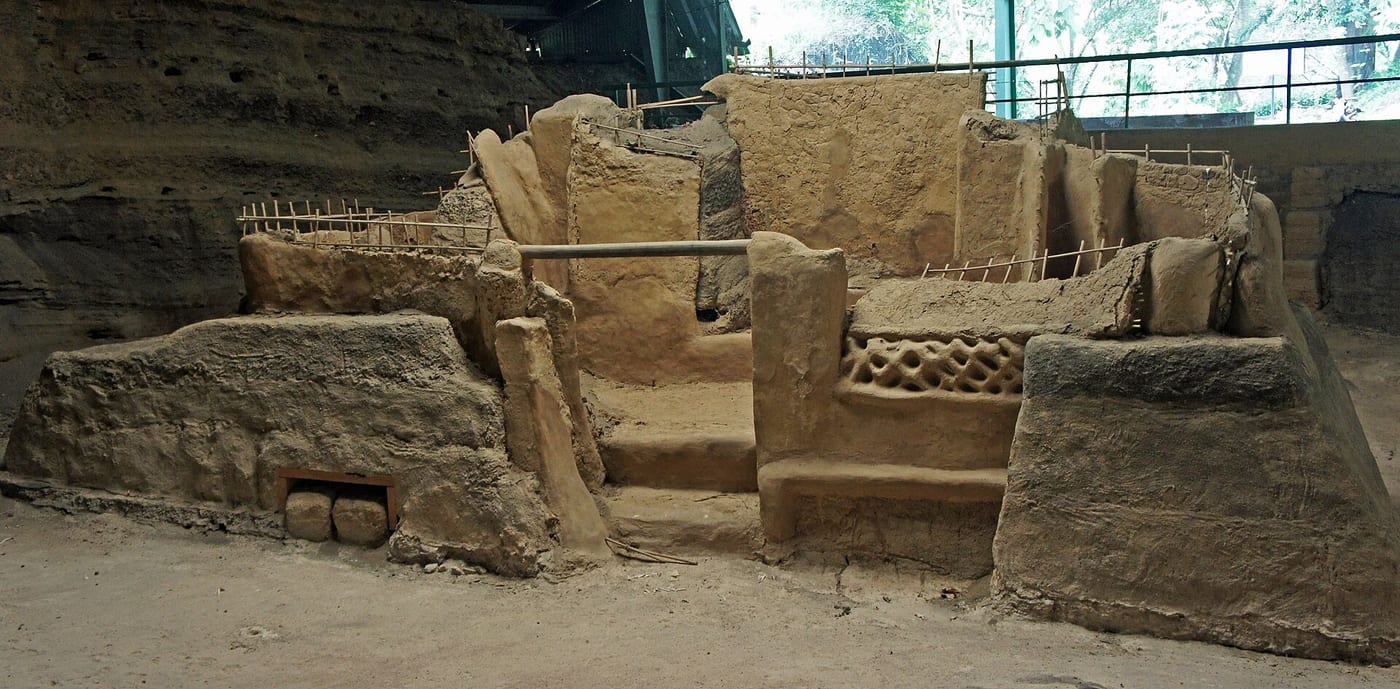
The excavated buildings, including a communal steam bath (temazcal), are protected by roofs and viewed from the edge. The structures themselves cannot be entered, so a zoom lens is useful for photos.
Photo: Mariordo (Mario Roberto Duran Ortiz) · CC BY-SA 3.0 · Wikimedia Commons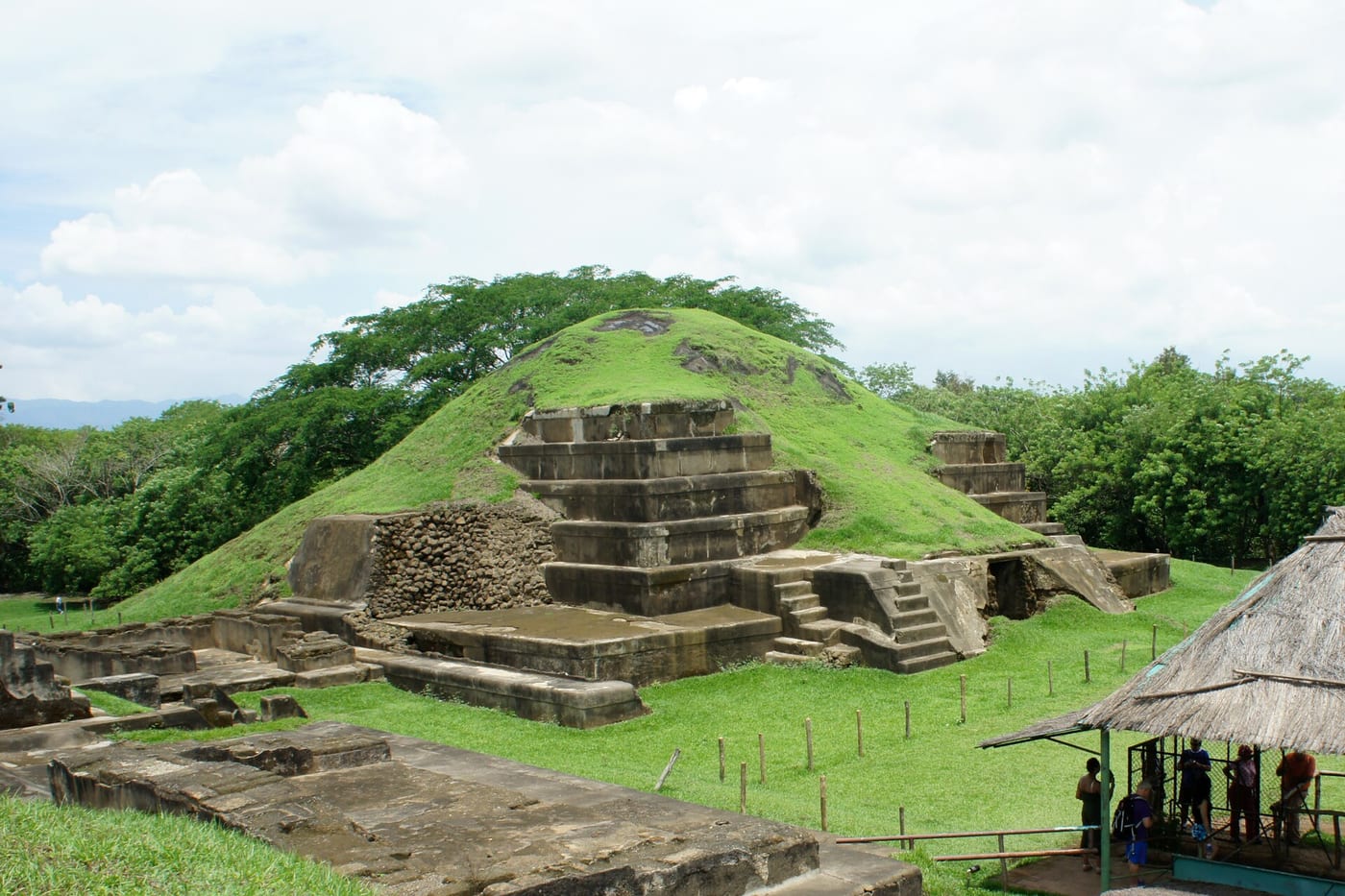
A ceremonial centre a short drive from Cerén, with a large acropolis and pyramid in green grounds and a museum on colonial-era indigo production. Allow about an hour.
Photo: Mariordo (Mario Roberto Duran Ortiz) · CC BY-SA 3.0 · Wikimedia Commons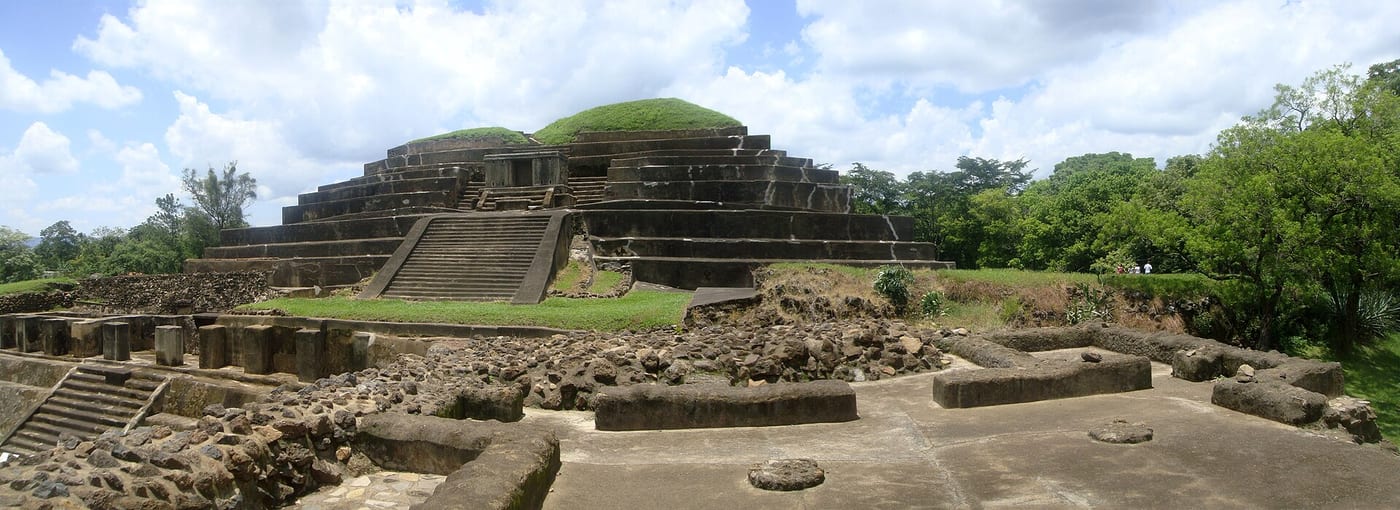
The best-known pyramid in El Salvador, in the town of Chalchuapa, with stepped platforms built up over centuries. Pair it with nearby Casa Blanca and the city of Santa Ana.
Photo: Mariordo (Mario Roberto Durán Ortiz) · CC BY-SA 3.0 · Wikimedia Commons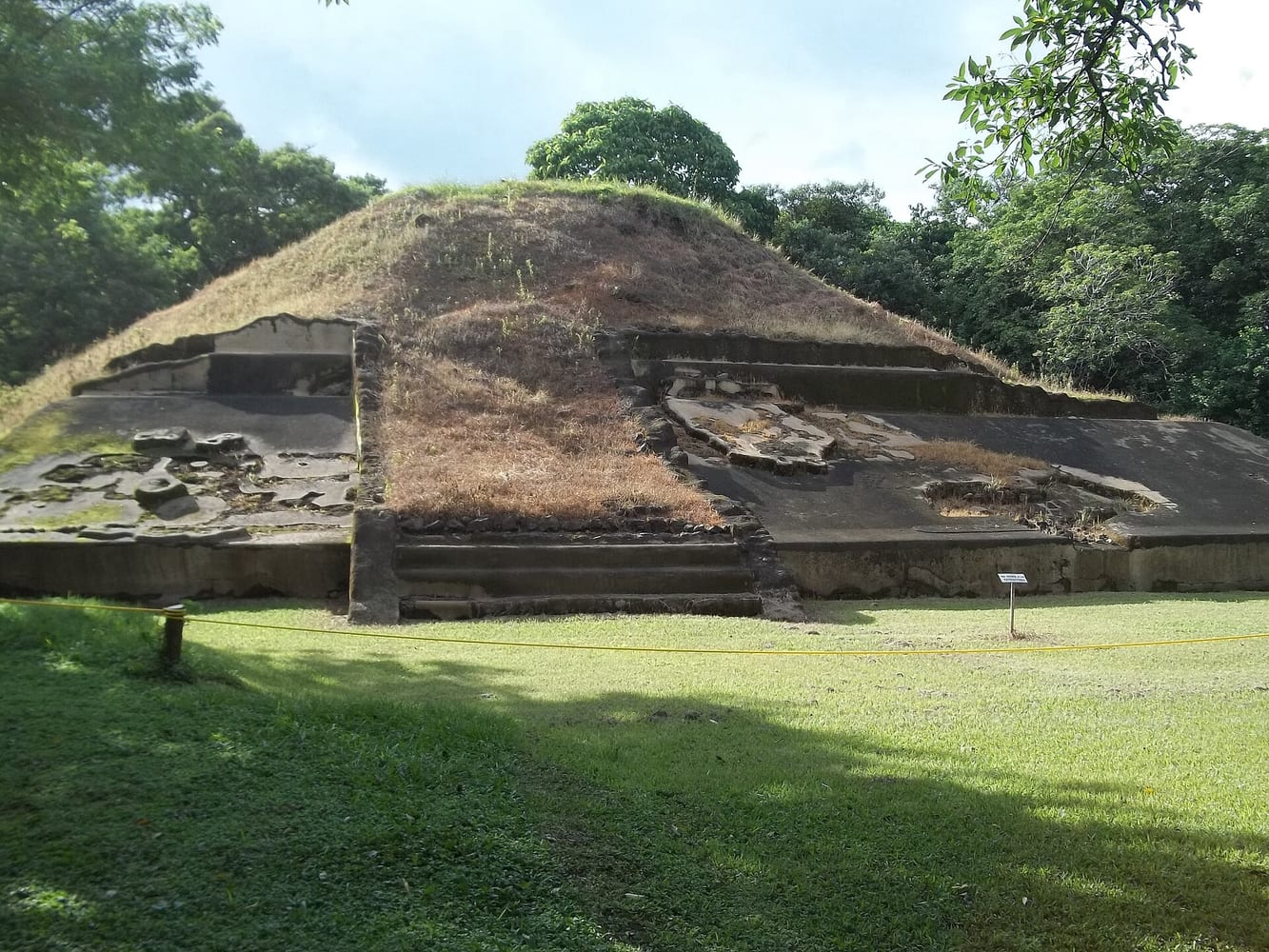
A smaller archaeological park in Chalchuapa with grassy mounds, a museum and an indigo workshop where visitors can try dyeing. A quiet stop in the shade of large trees.
Photo: otrarove · CC BY-SA 3.0 · Wikimedia CommonsEntry requirements, visas, health advice and safety conditions change. Before you travel, check Smartraveller and the official sources of each country.