El Salvador’s capital sits in a green valley below the San Salvador Volcano, with a historic centre of plazas and churches and modern districts full of restaurants and shops.
Most visits to El Salvador begin in San Salvador, and the city is a practical base for day trips across this compact country. Allow one full day for the historic centre around Plaza Barrios and Plaza Libertad, and half a day for El Boquerón on the volcano above the city. Distances are short but traffic can be heavy, so travel with a driver or guide and plan sightseeing for the morning.
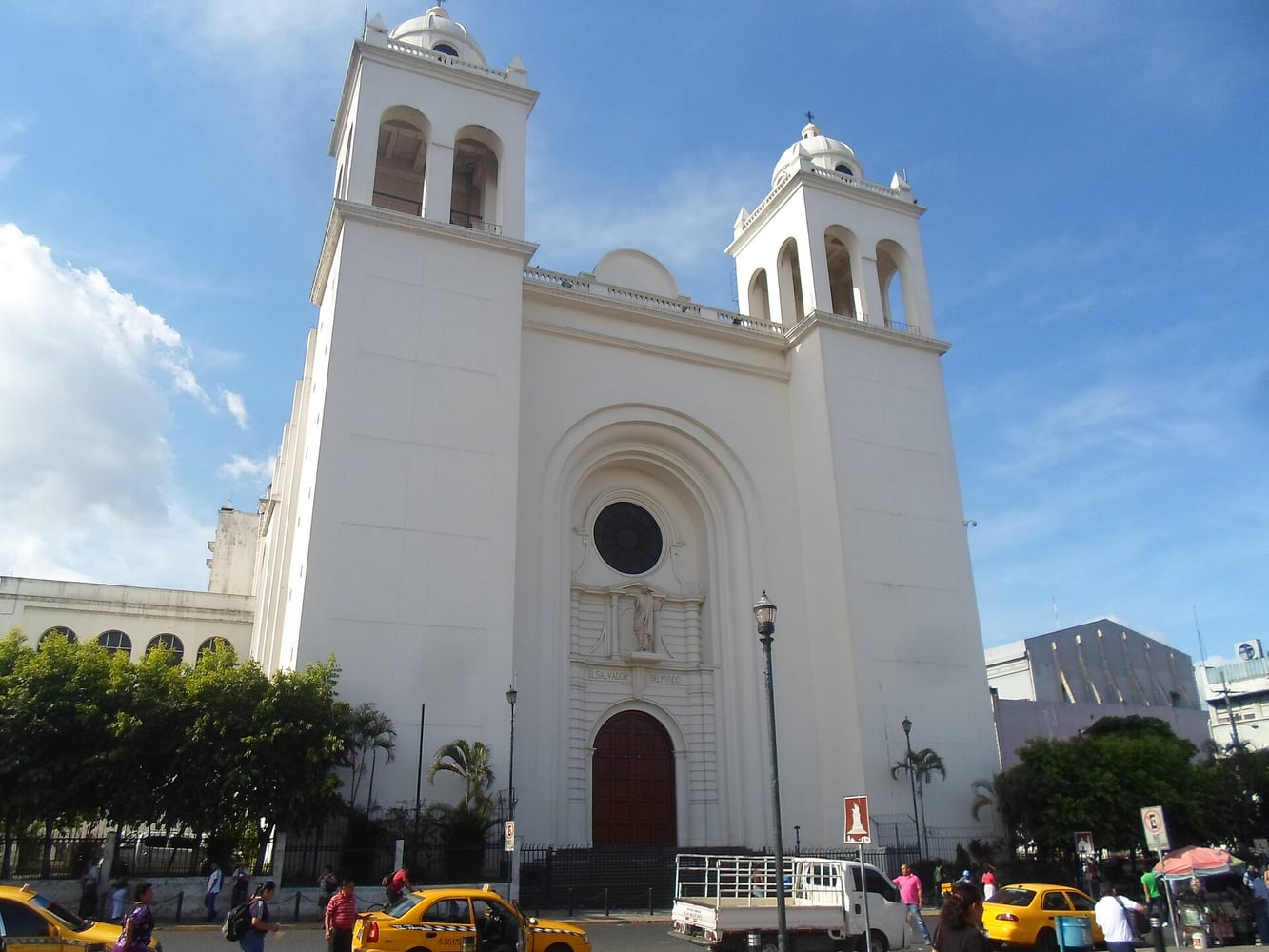
The Metropolitan Cathedral faces Plaza Barrios and holds the tomb of Saint Óscar Romero in its crypt. Dress respectfully and keep quiet during services.
Photo: Óscar Badillo Pérez · CC BY-SA 4.0 · Wikimedia Commons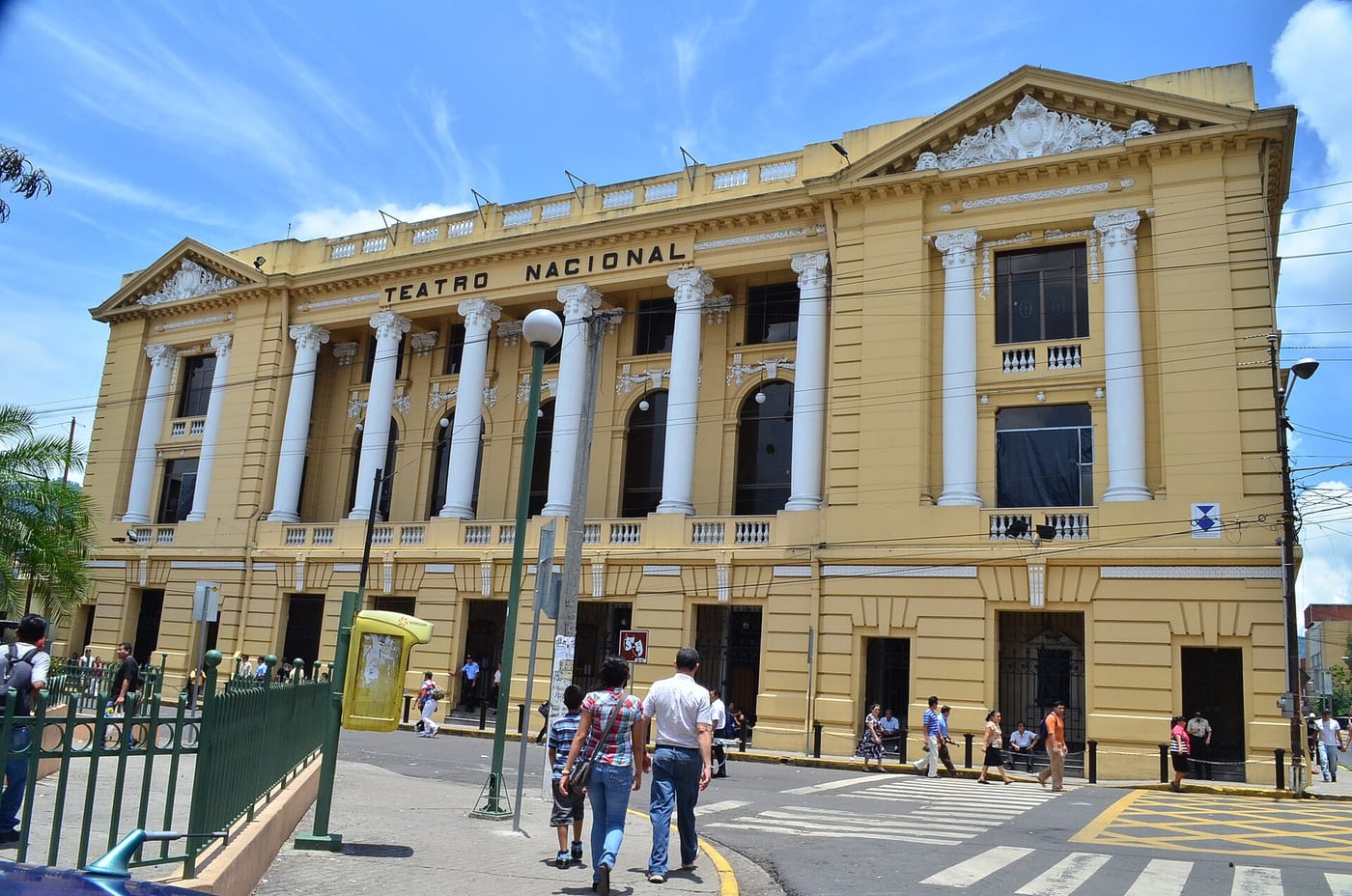
An early twentieth-century theatre with an ornate gilded auditorium, one of the most elegant buildings in the historic centre. Check the programme for concerts and performances, as access inside depends on what is scheduled.
Photo: Cesar Lainez · CC BY-SA 3.0 · Wikimedia Commons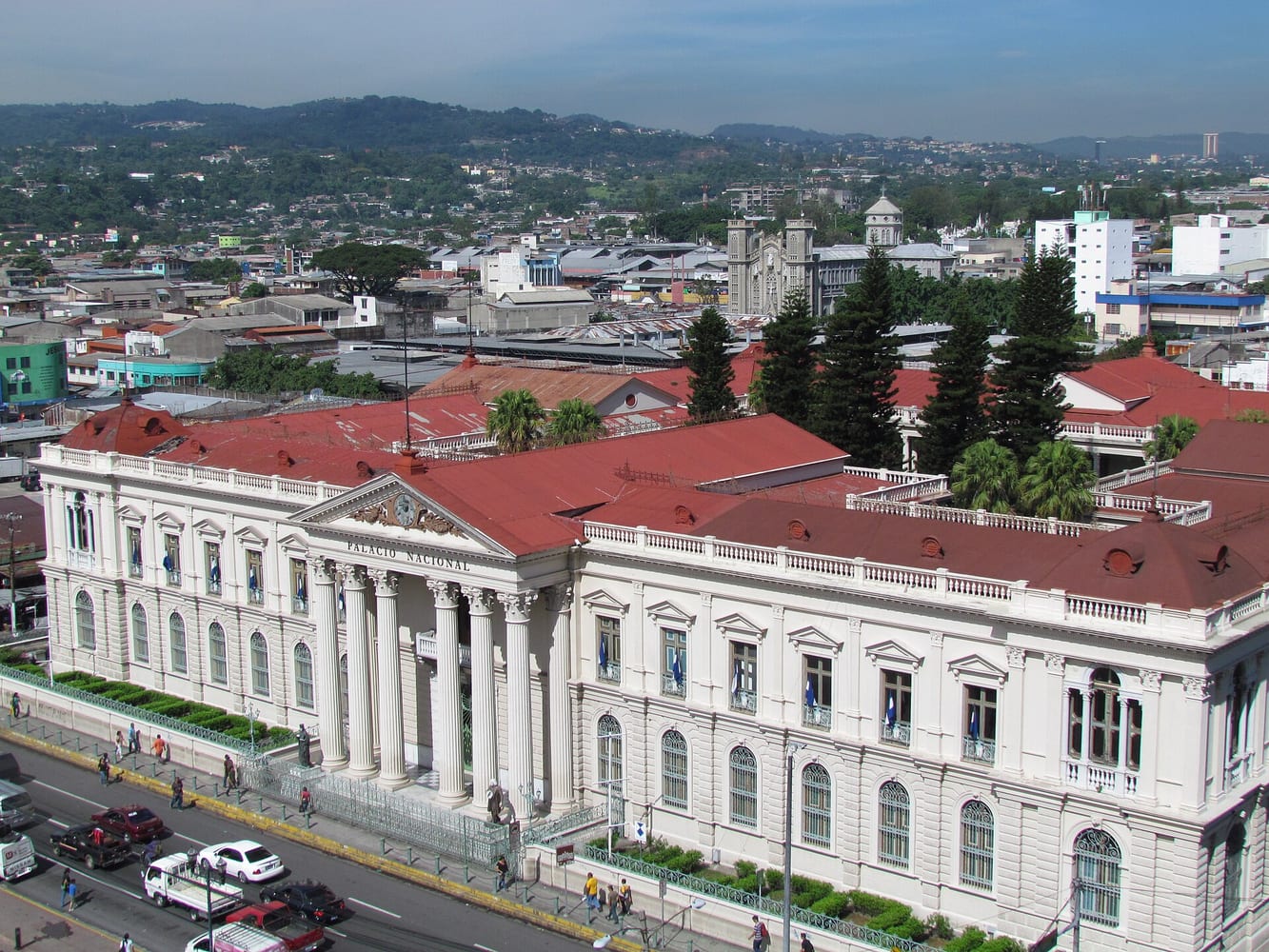
The former seat of government, built in the early twentieth century, stands beside the cathedral on Plaza Barrios. Its halls and courtyards can often be visited; ask locally about current access.
Photo: Jose Quintanilla · CC BY-SA 3.0 · Wikimedia Commons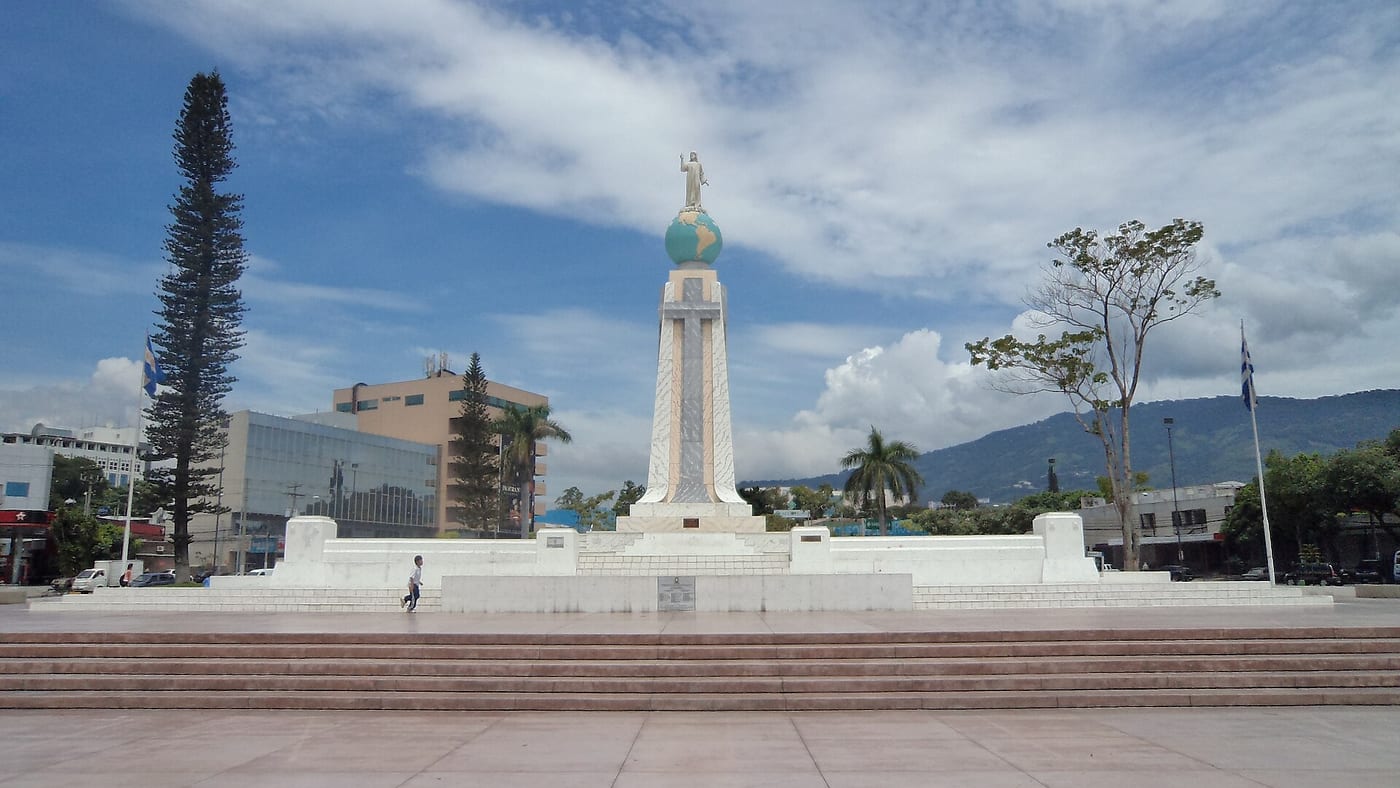
A tall monument crowned by a statue of Christ standing on a globe, at the centre of a busy square in the west of the city. It is a city symbol and a good stop on the way to the shopping and dining districts nearby.
Photo: Frankjh · CC BY-SA 3.0 · Wikimedia Commons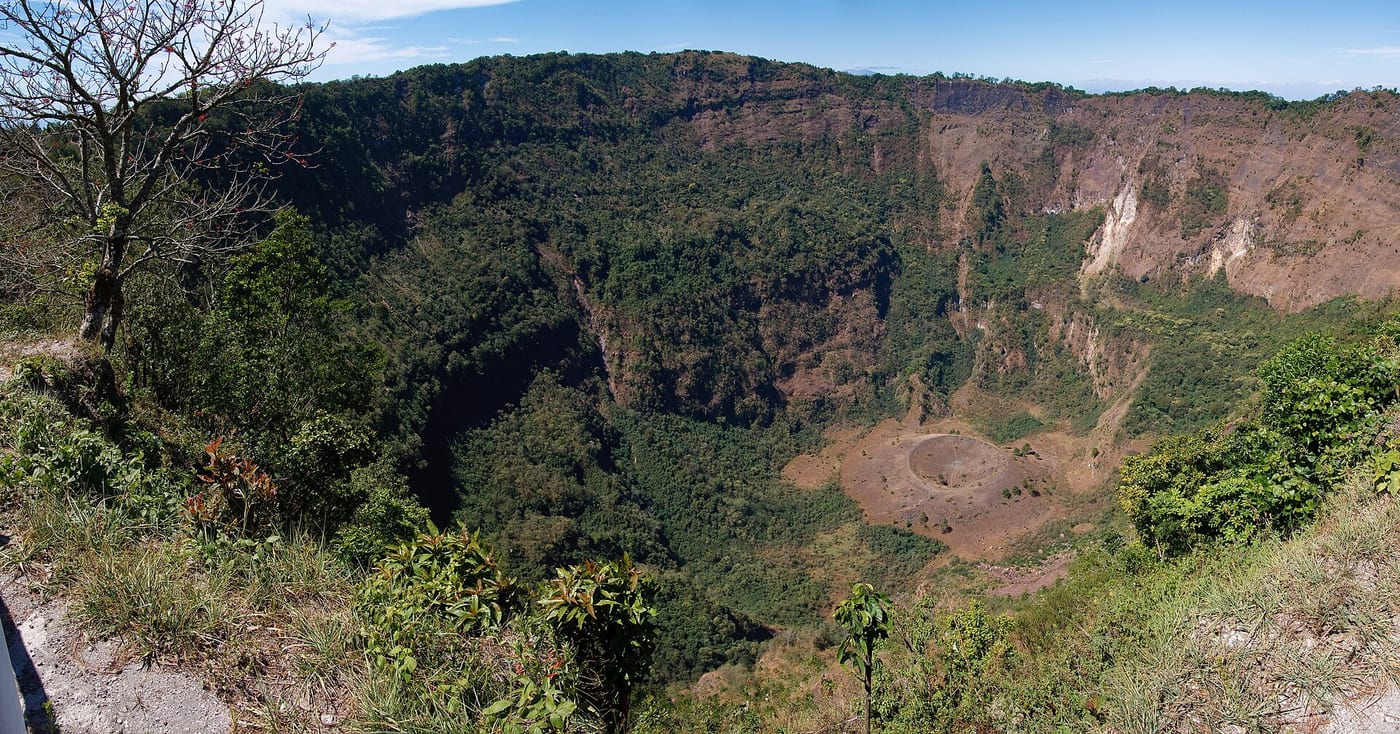
El Boquerón National Park, on the summit of the San Salvador Volcano, has an easy trail to viewpoints over a wide, deep crater. Go early, before clouds settle on the summit, and bring a jacket as it is cooler up there.
Photo: Jpyle490 · CC BY-SA 3.0 · Wikimedia CommonsEntry requirements, visas, health advice and safety conditions change. Before you travel, check Smartraveller and the official sources of each country.