A large protected tract of rainforest in central Guyana, managed with local communities for conservation and sustainable use, crossed by the Essequibo River and the road to the Rupununi.
Iwokrama lies along the road and river route between Georgetown and the Rupununi, so it fits naturally into an overland journey through the interior. Visitors stay at a river lodge or a forest lodge near the canopy walkway and explore with local guides on foot and by boat. Plan two or three nights to allow for early-morning walks, night outings and time on the river. Travel within the interior is slow and depends on weather and road conditions.
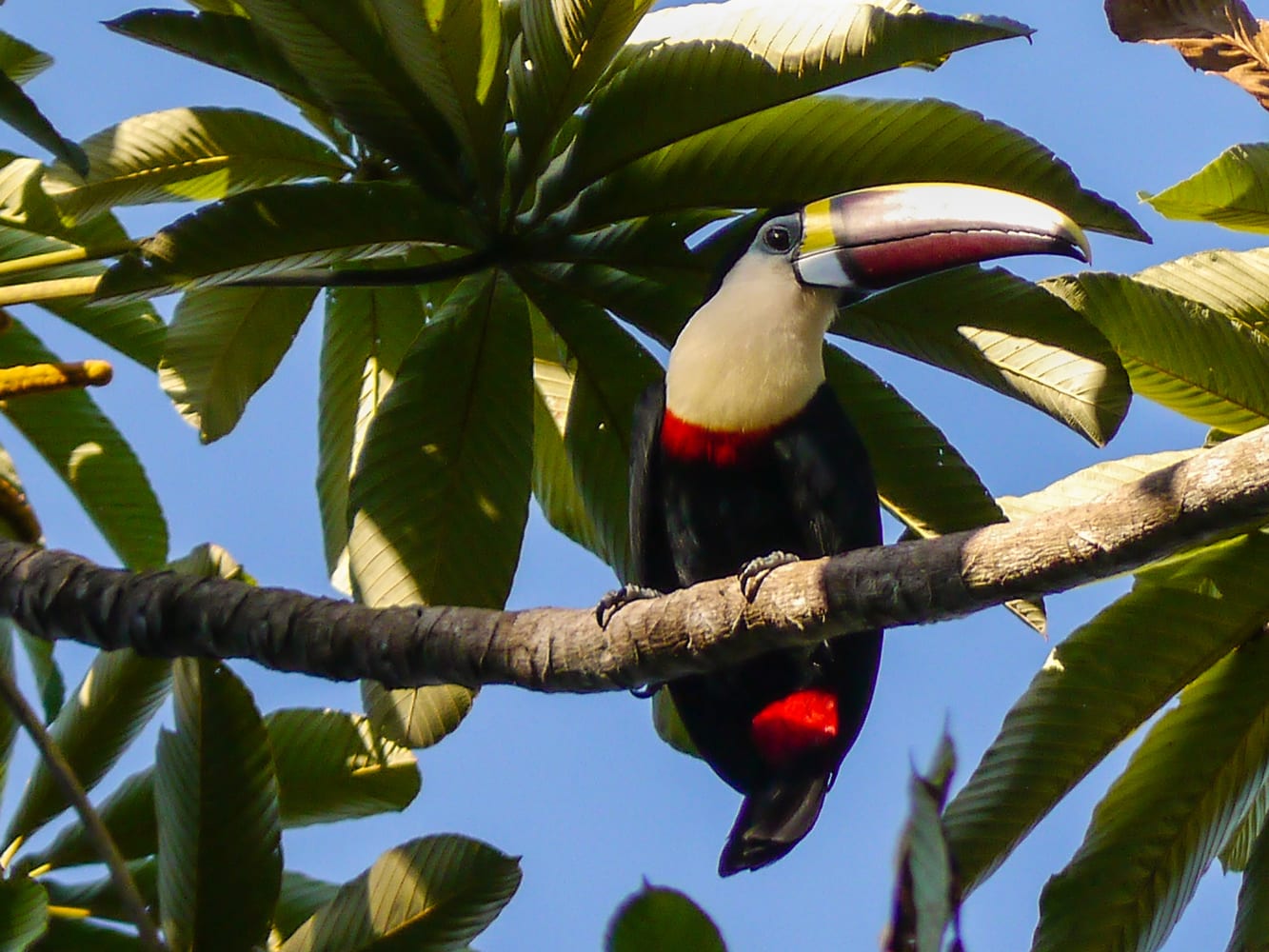
White-throated toucans and many other birds feed in the tall trees of the reserve, explored on guided trails and from a canopy walkway of suspension bridges and platforms. Dawn and late afternoon are the liveliest times for birds and monkeys.
Photo: M M from Switzerland · CC BY-SA 2.0 · Wikimedia Commons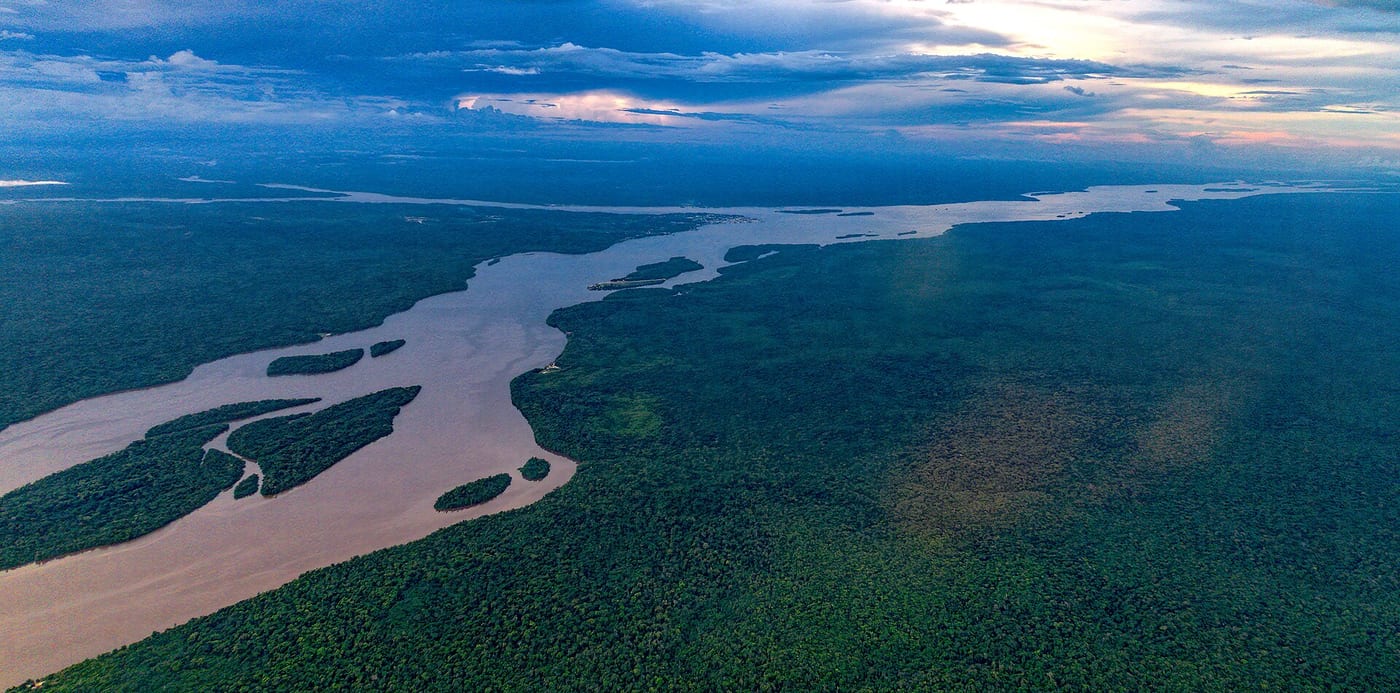
Guyana’s longest river flows broad and dark through the forest, with rocky rapids, sandbanks and islands. Boat trips in the evening are a good chance to see caimans and birds.
Photo: Dan Lundberg · CC BY-SA 2.0 · Wikimedia Commons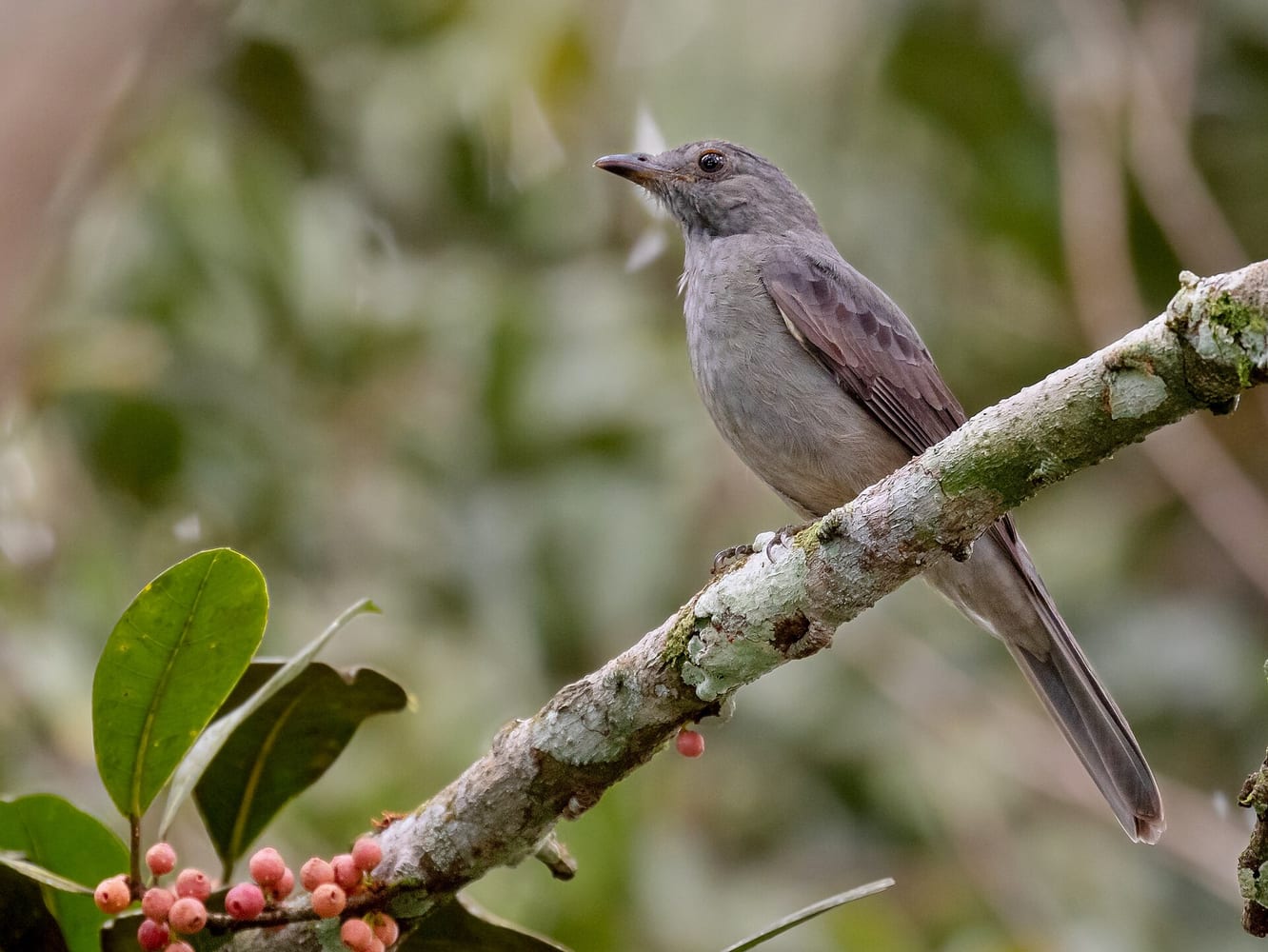
A plain grey bird that is rarely noticed until it gives its loud, ringing whistle, one of the signature sounds of the Guiana forests. Your guide will point out the call long before you see the bird.
Photo: Hector Bottai · CC BY-SA 4.0 · Wikimedia Commons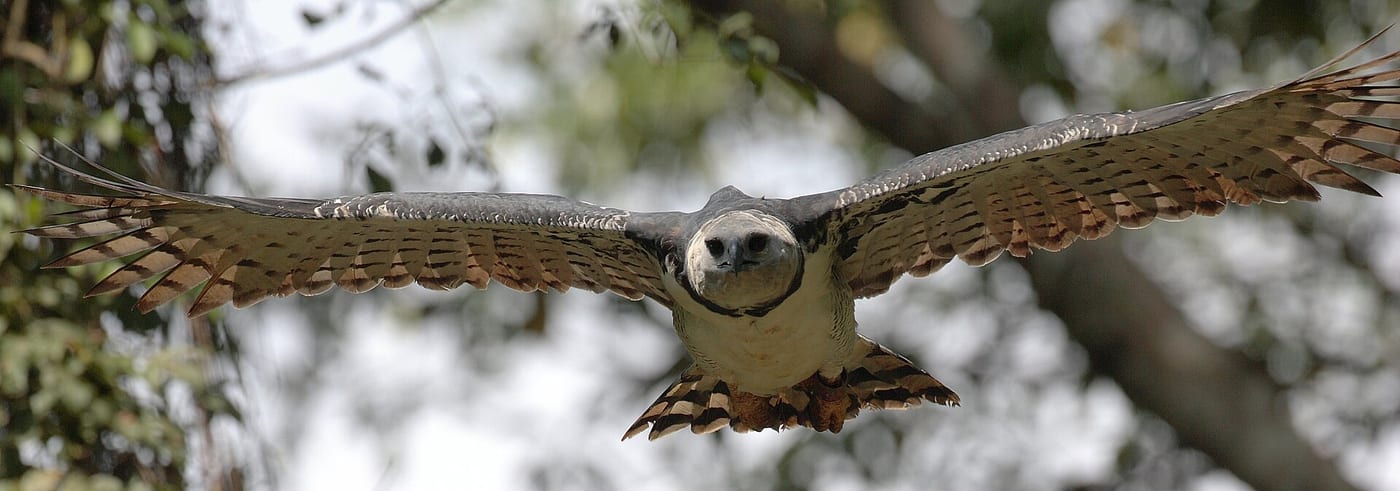
One of the largest and most powerful eagles in the world, which hunts monkeys and sloths in the canopy. Sightings are rare and depend on whether a nest is active nearby.
Photo: Mdf · CC BY-SA 3.0 · Wikimedia Commons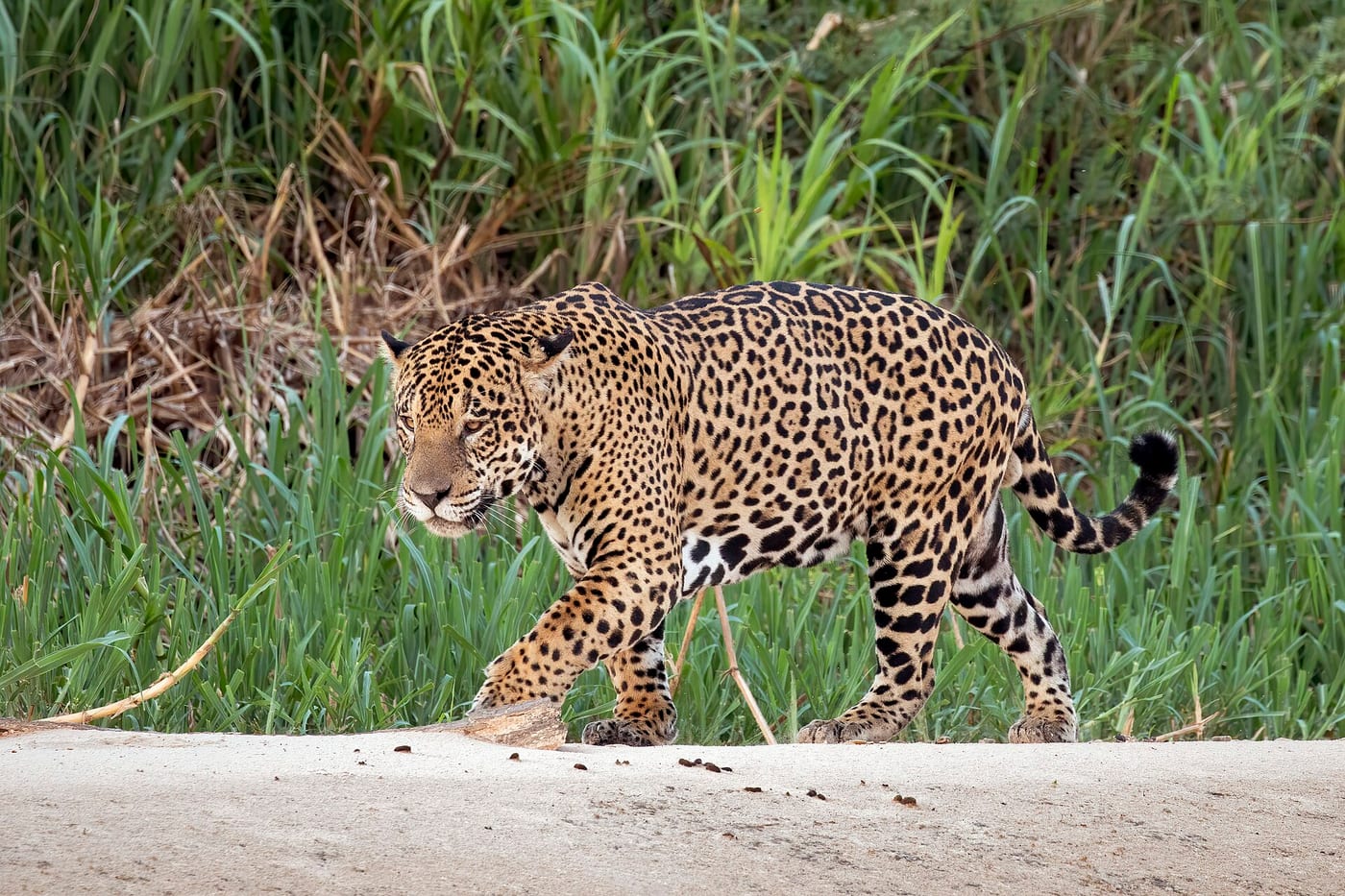
Iwokrama and the forests nearby are known as good jaguar country, and the big cats are occasionally seen on the road or along rivers. Sightings are a matter of luck and can never be promised.
Photo: Charles J. Sharp · CC BY-SA 4.0 · Wikimedia CommonsEntry requirements, visas, health advice and safety conditions change. Before you travel, check Smartraveller and the official sources of each country.