Wide grasslands, wetlands and forested mountains in southern Guyana, home to Indigenous communities, working ranches and remarkable wildlife.
The Rupununi is a region of long distances and few roads, explored from community-run lodges and family ranches that offer guided walks, boat trips and horse riding. Many travellers combine it with Iwokrama on an overland route, or fly in from Georgetown to Lethem or a lodge airstrip. Plan at least four nights to visit two different lodges. The landscape changes greatly between the dry season and the wet season, when much of the savannah floods.
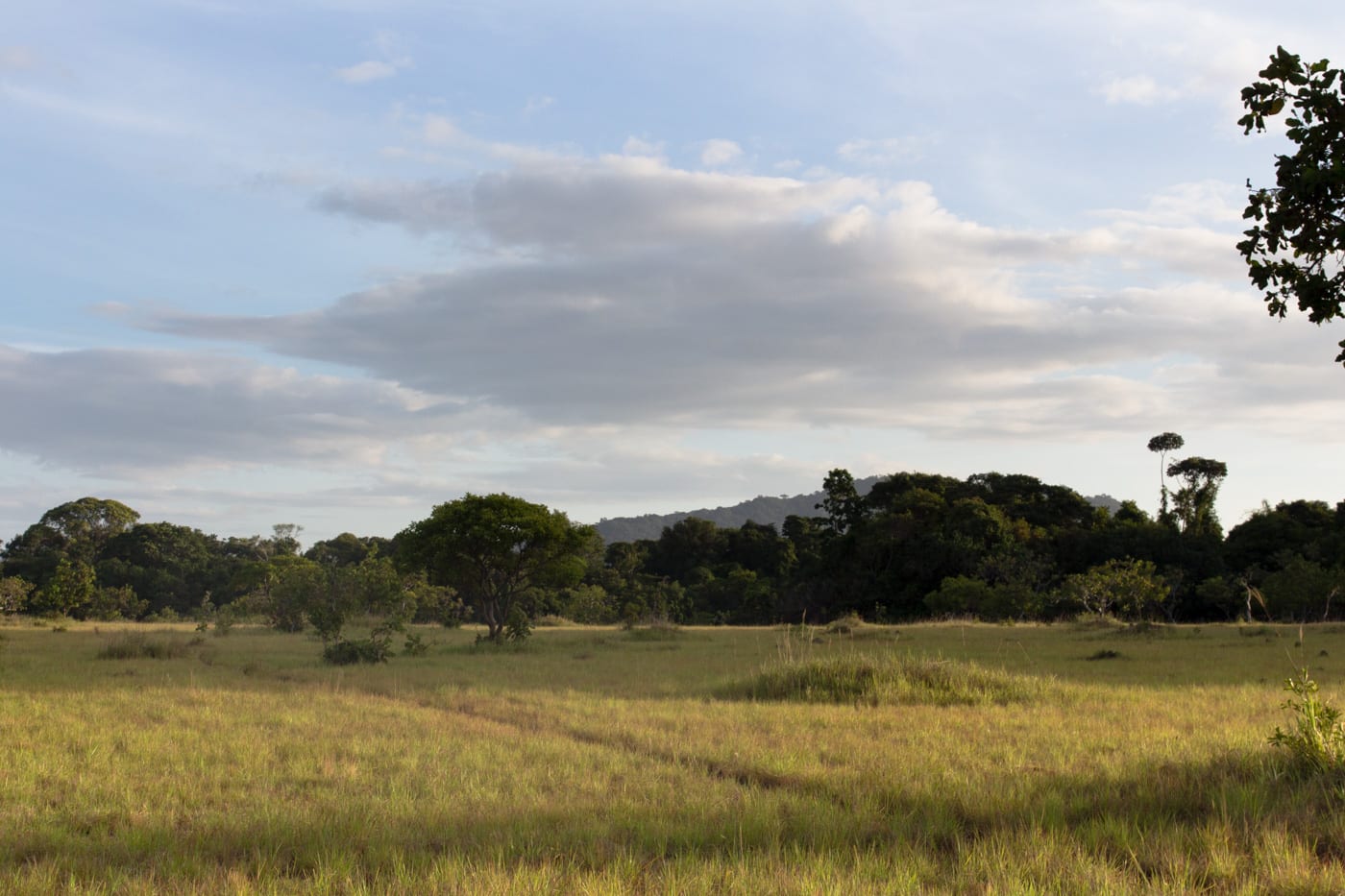
Open grasslands dotted with termite mounds, palms and small villages stretch to distant mountains under huge skies. Sunrise and sunset, when the light is soft, are the best times to be out.
Photo: Ragnhild&Neil Crawford from Sweden · CC BY-SA 2.0 · Wikimedia Commons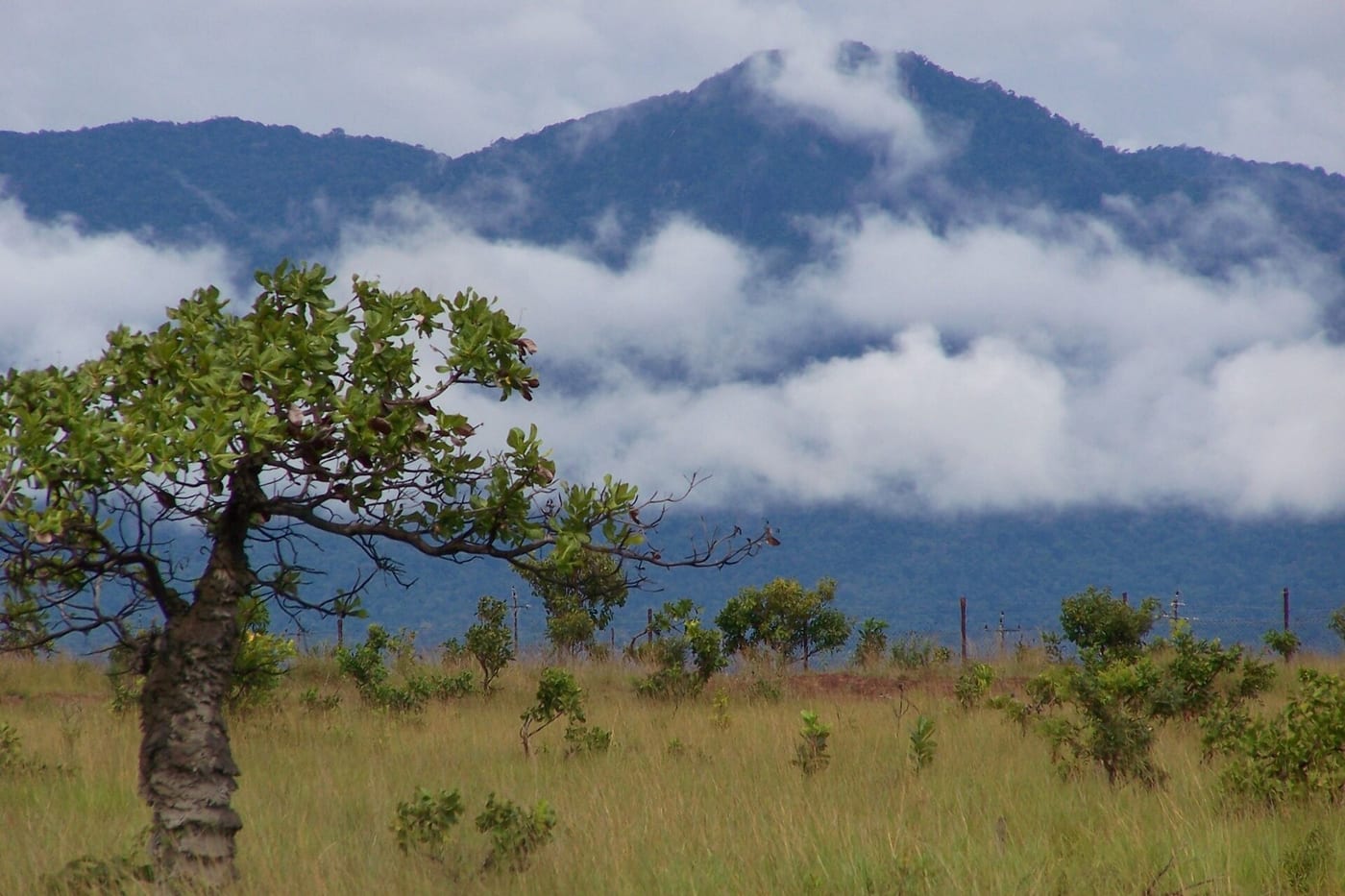
A forested mountain range that divides the northern and southern savannahs and is one of Guyana’s protected areas. The forests are rich in birds, and local guides lead walks from nearby communities.
Photo: Kevin Gabbert - User: (WT-shared) Kevin James at wts wikivoyage · Public domain · Wikimedia Commons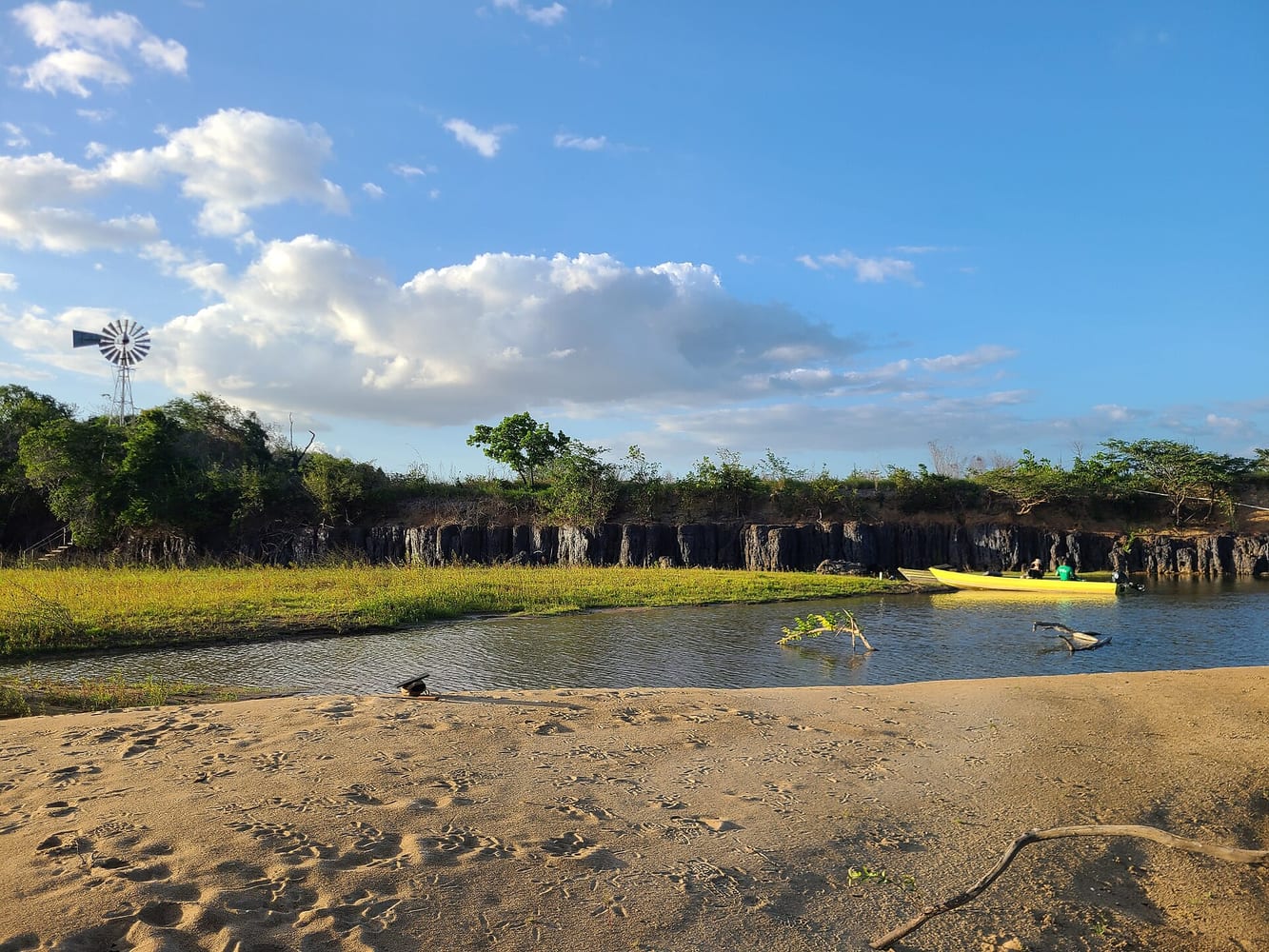
The river that gives the region its name winds through savannah and gallery forest and is the setting for many boat trips. Look for caimans, river turtles and kingfishers along the banks.
Photo: Willkuhn · CC BY 4.0 · Wikimedia Commons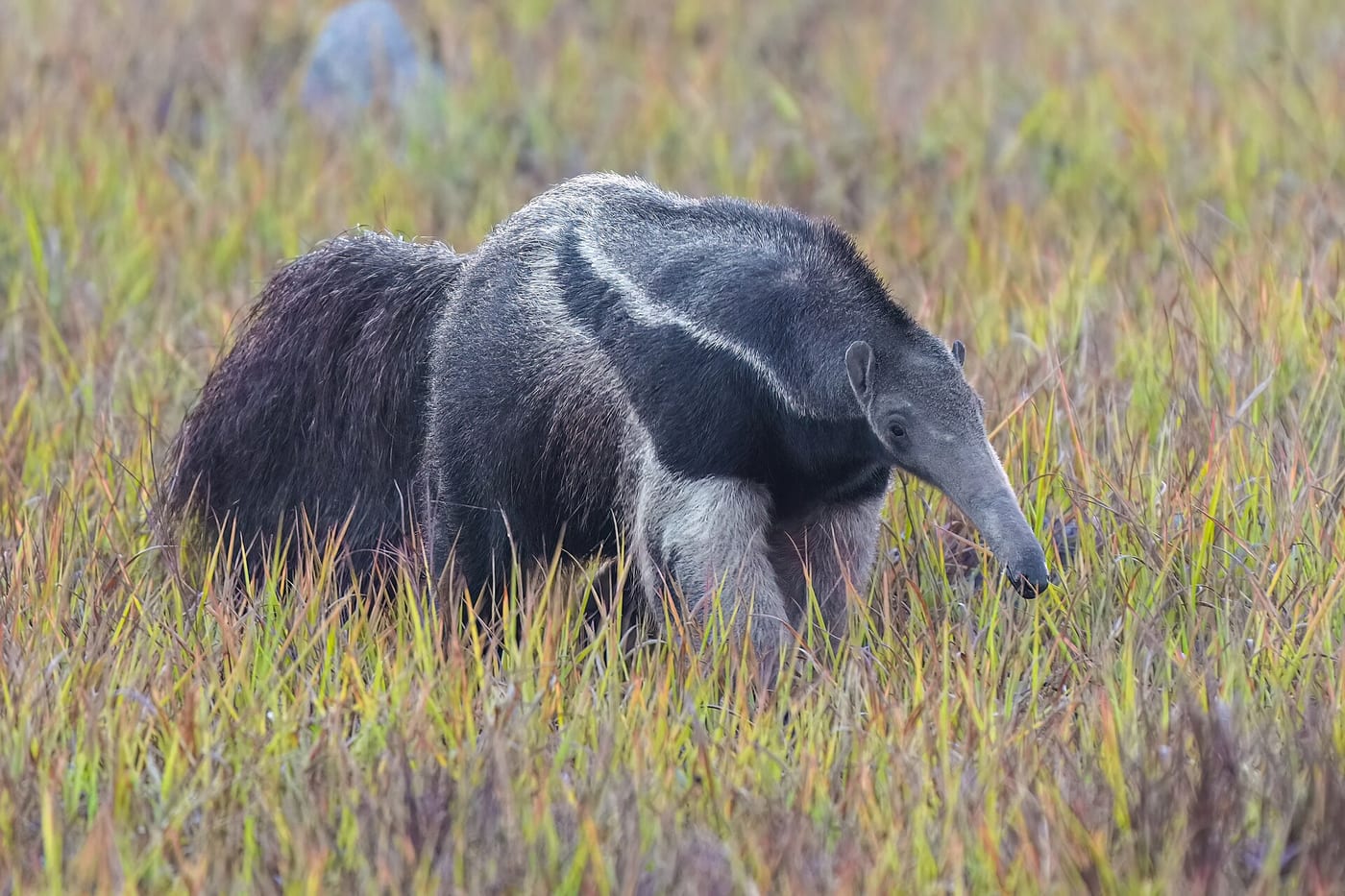
The giant anteater, with its long snout and bushy tail, is one of the signature animals of the Rupununi grasslands. Some lodges know where to look for them in the cooler early mornings.
Photo: Giles Laurent · CC BY-SA 4.0 · Wikimedia Commons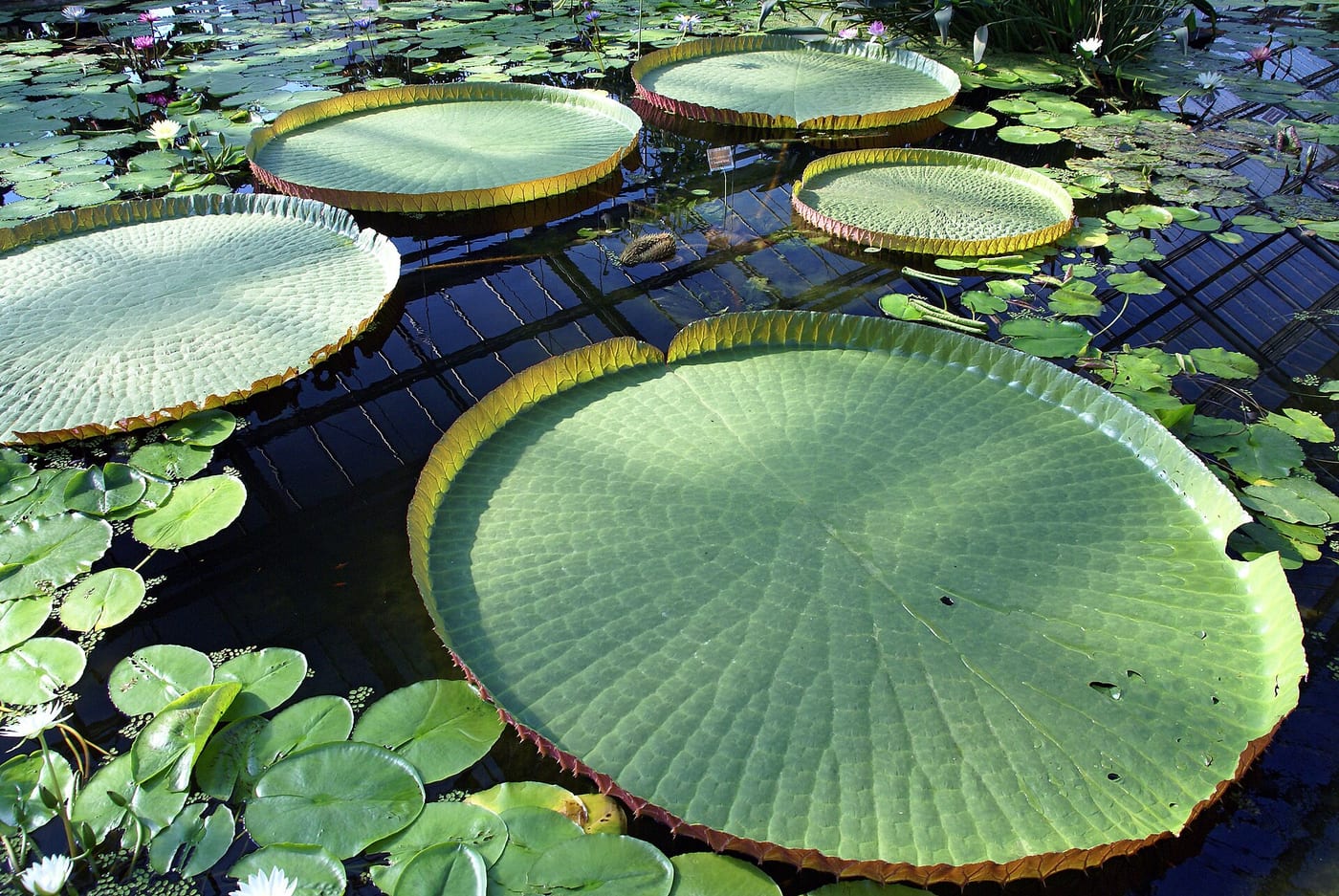
The giant Victoria amazonica water lily, Guyana’s national flower, has pads that can grow over a metre across. Its large flowers open in the evening in quiet ponds and oxbow lakes.
Photo: 663highland · CC BY 2.5 · Wikimedia CommonsEntry requirements, visas, health advice and safety conditions change. Before you travel, check Smartraveller and the official sources of each country.