A colonial city of green stone churches, markets and celebrated cooking, surrounded by Zapotec ruins, craft villages and mountain landscapes.
Base yourself in Oaxaca city and explore the central valleys on day trips. Plan three to four days: one for the historic centre and its markets, one for Monte Albán, and one along the road east to the Tule Tree, Mitla and Hierve el Agua, with stops at weaving and mezcal villages. Oaxaca is known for its moles, chocolate and mezcal, so leave time for food.
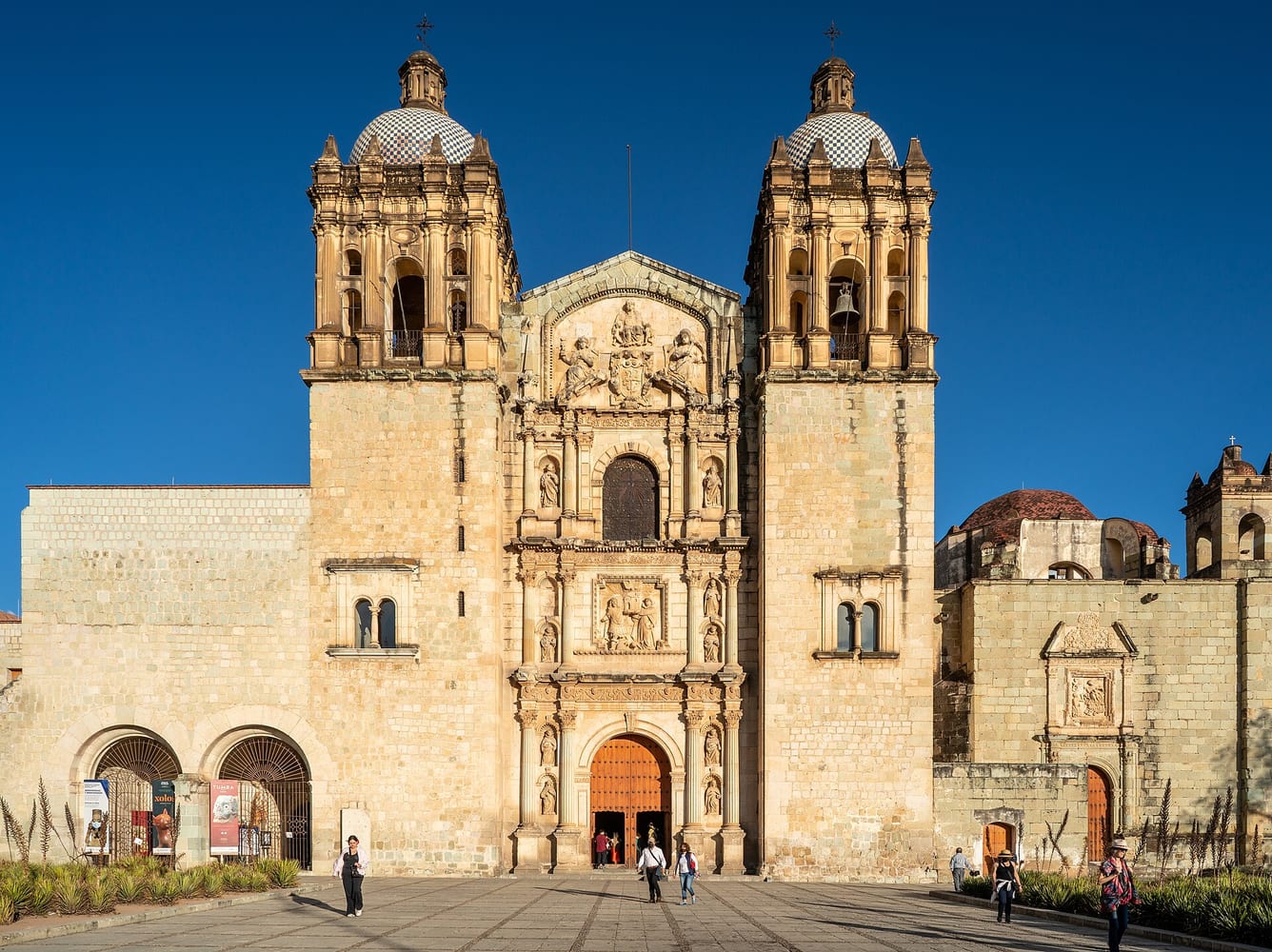
A baroque church with a richly gilded interior, next to a former convent that now houses a museum of Oaxacan cultures and an ethnobotanical garden. The garden is visited with a guide, so check tour times on arrival.
Photo: nan palmero · CC BY 2.0 · Wikimedia Commons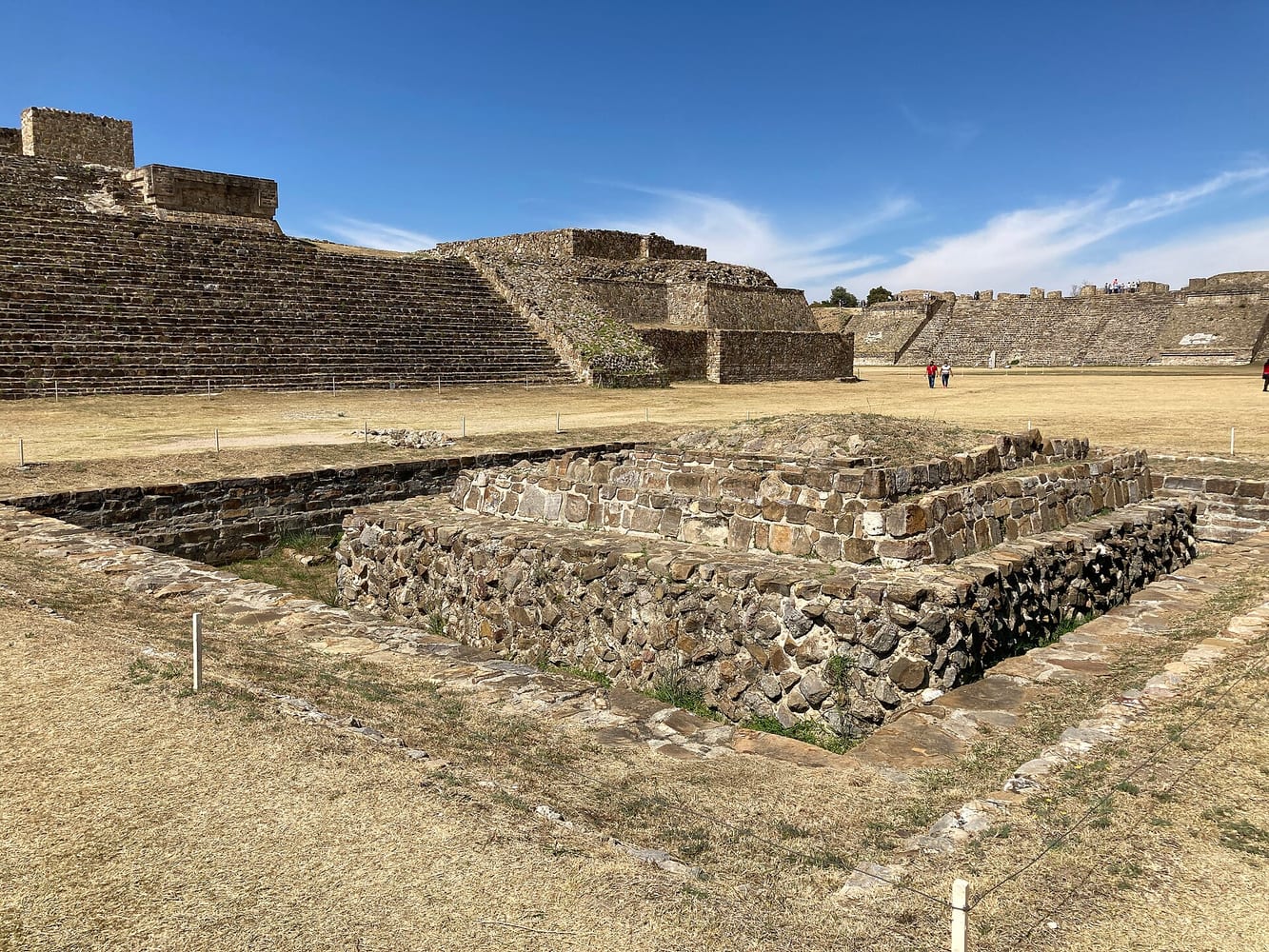
The ancient Zapotec capital, built on a levelled mountaintop above the city, with plazas, pyramids and a ball court. Go early for softer light and cooler temperatures, and bring a hat.
Photo: Dacuauhtli · CC BY-SA 4.0 · Wikimedia Commons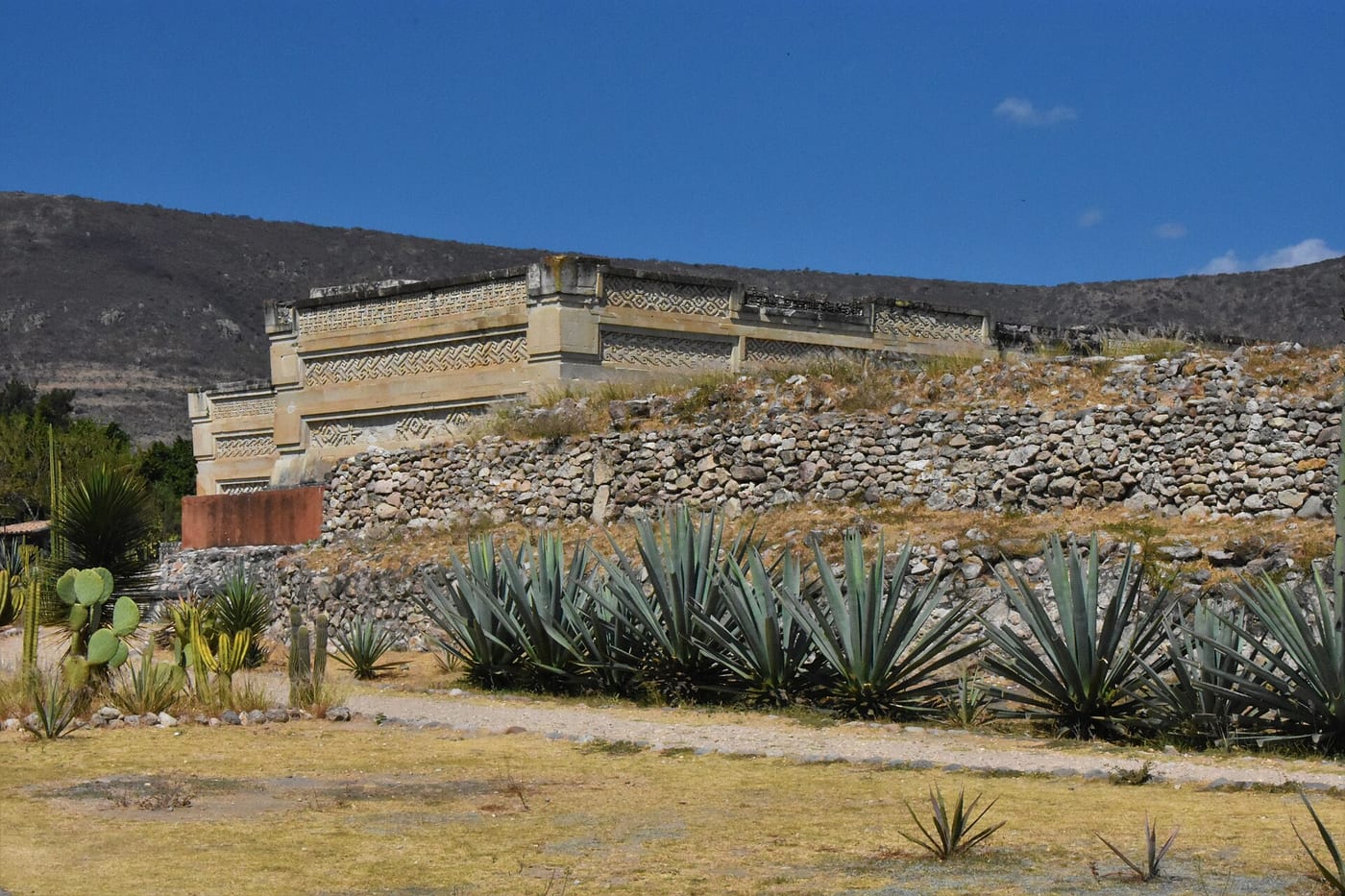
A Zapotec and Mixtec ceremonial centre famous for its intricate stone mosaics in geometric patterns, unlike any other site in Mexico. It combines well with Hierve el Agua and the Tule Tree in one day.
Photo: Oscar León Torres · CC BY-SA 4.0 · Wikimedia Commons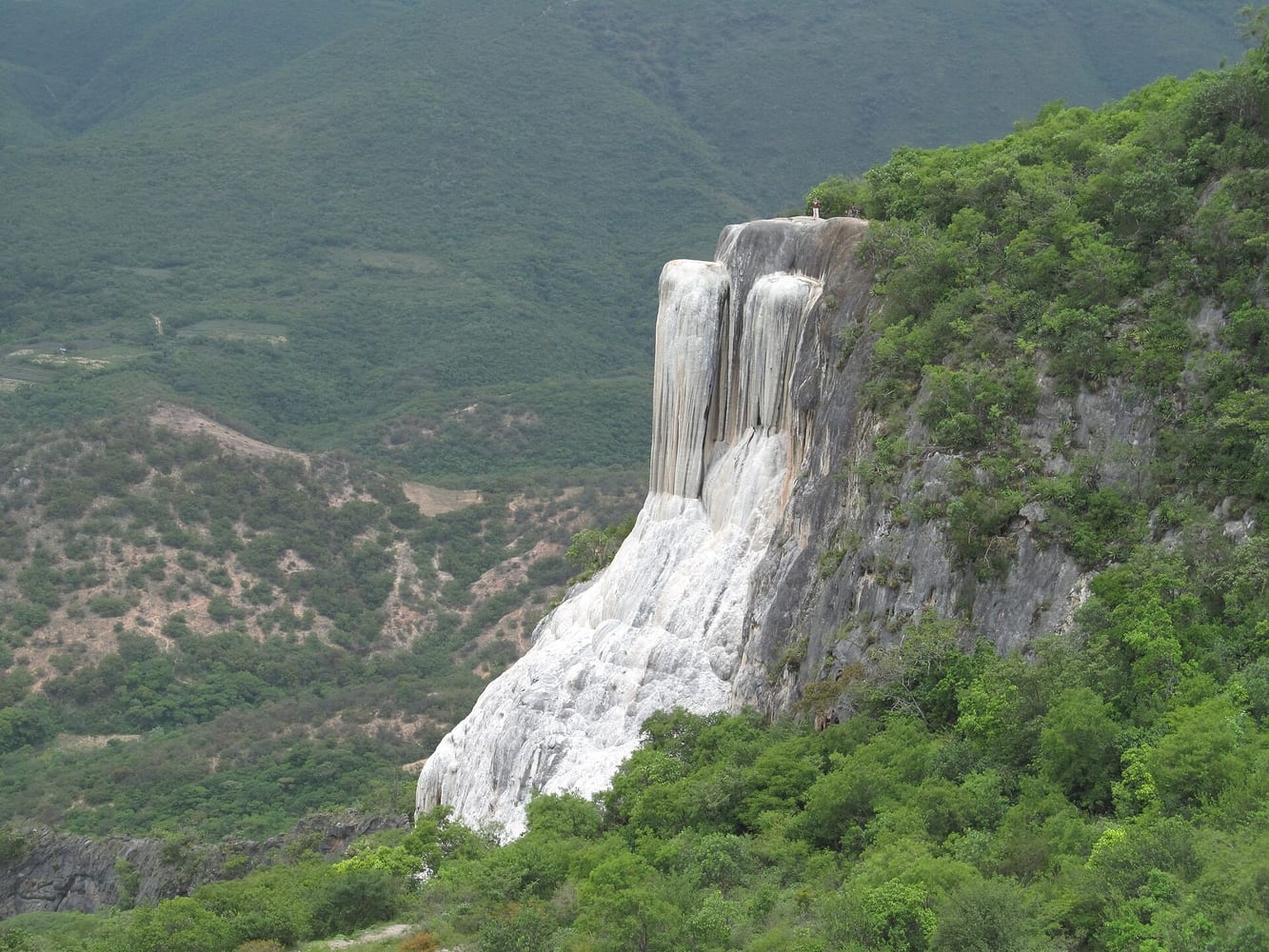
Mineral springs that have left white formations resembling frozen waterfalls on a mountainside, with natural pools at the top. The road is unpaved in parts and the site can close at times, so check before you go.
Photo: Adrián Cerón · CC BY-SA 3.0 · Wikimedia Commons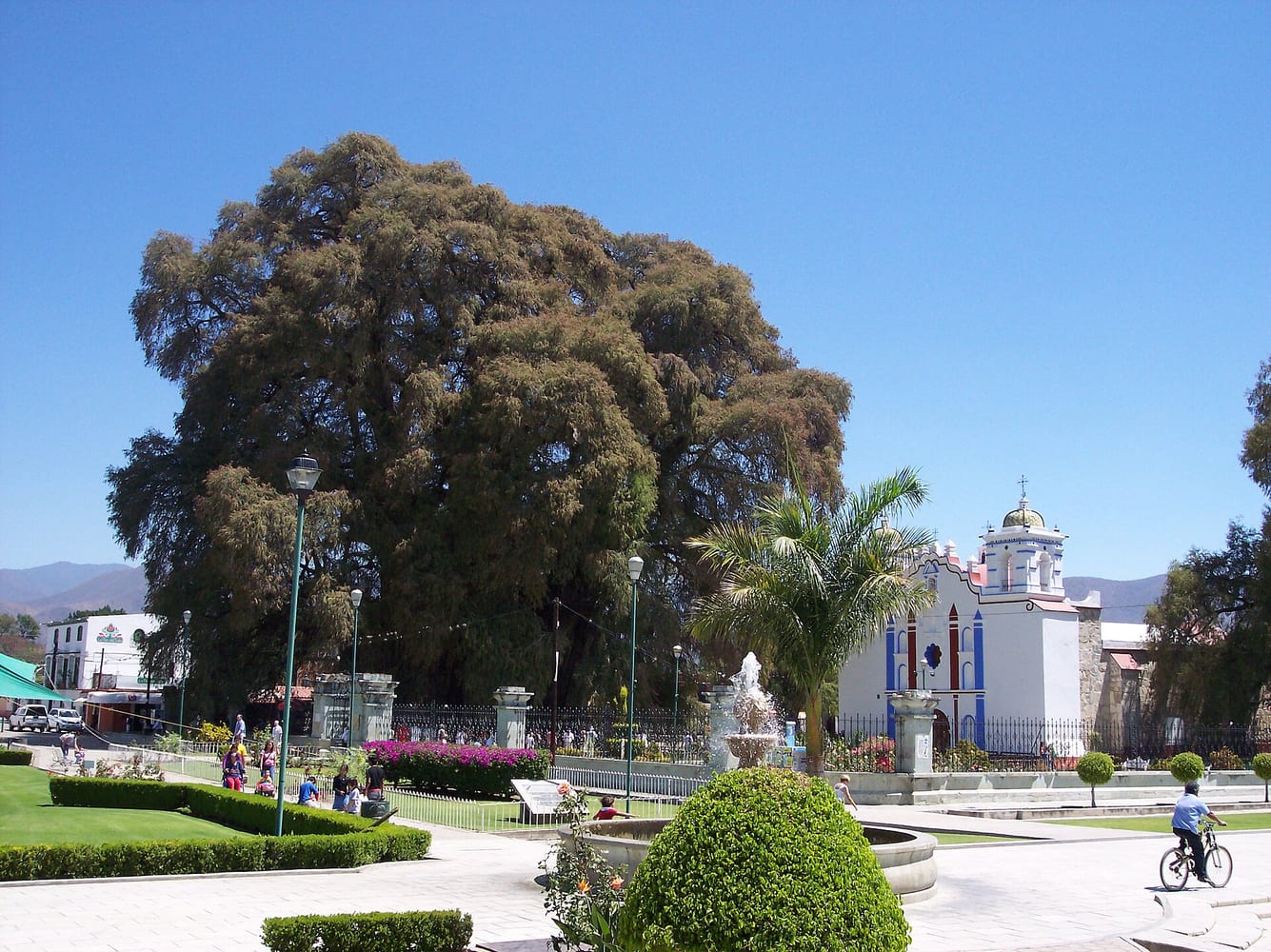
A giant Montezuma cypress in the churchyard of Santa María del Tule, considered to have one of the widest trunks of any tree in the world. It is a short stop on the road from Oaxaca to Mitla.
Photo: User:Gengiskanhg · CC BY-SA 3.0 · Wikimedia CommonsEntry requirements, visas, health advice and safety conditions change. Before you travel, check Smartraveller and the official sources of each country.