One of the great engineering works of the modern world, linking the Atlantic and the Pacific through locks, an artificial lake and a cut through the mountains.
Most visitors see the canal from Panama City, where the Miraflores visitor centre is only a short drive from the centre. To understand it better, add a partial transit by boat, which passes through locks and part of the Culebra Cut, or a day on the Atlantic side to see the Agua Clara locks. Ship movements vary through the day, so ask locally about the best time to watch vessels in the locks.
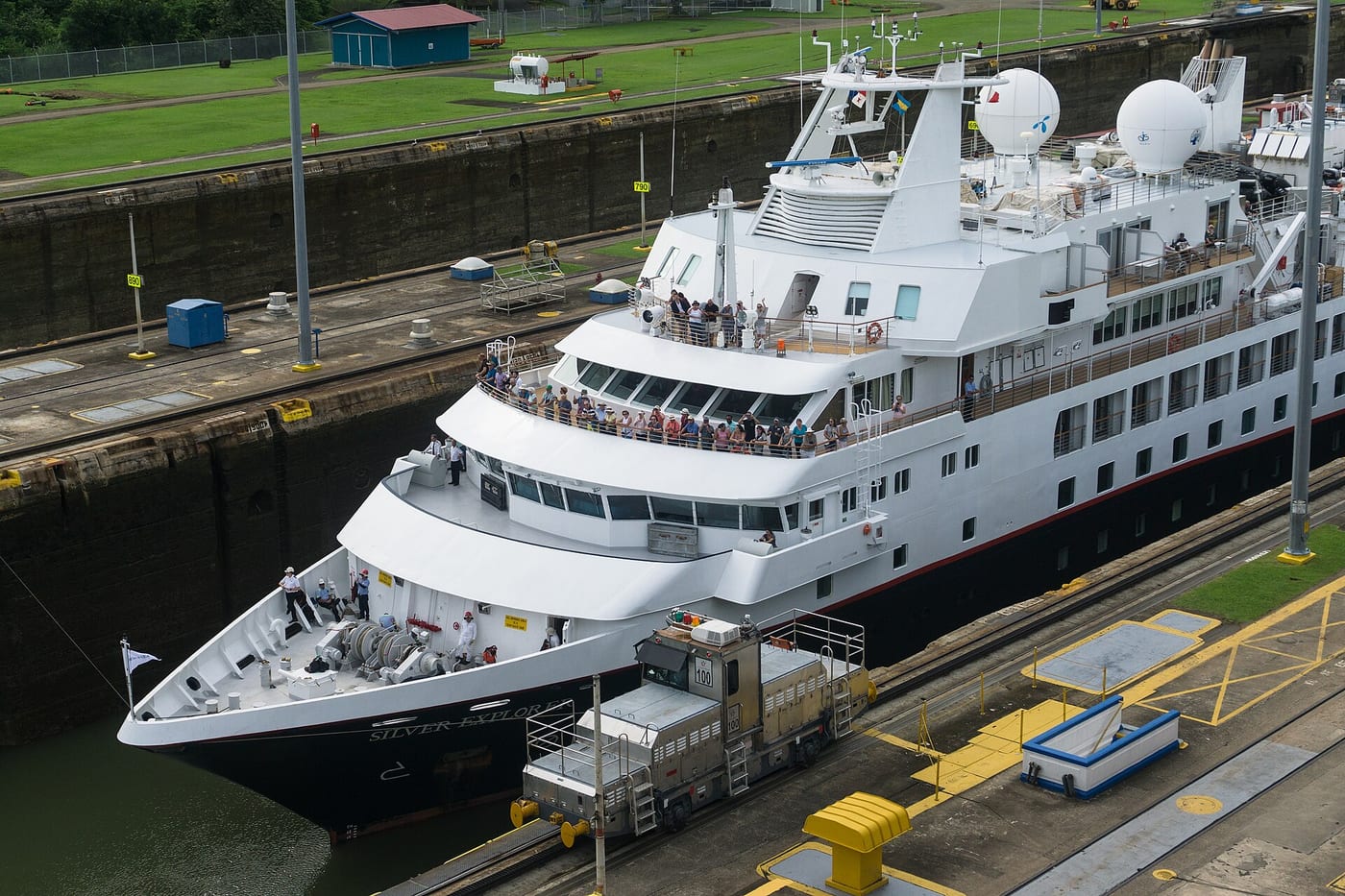
The locks closest to Panama City, with viewing terraces and a museum where you can watch large ships being raised and lowered. Mornings and mid-afternoon are often good times to see ships pass.
Photo: Alexey Komarov · CC BY-SA 4.0 · Wikimedia Commons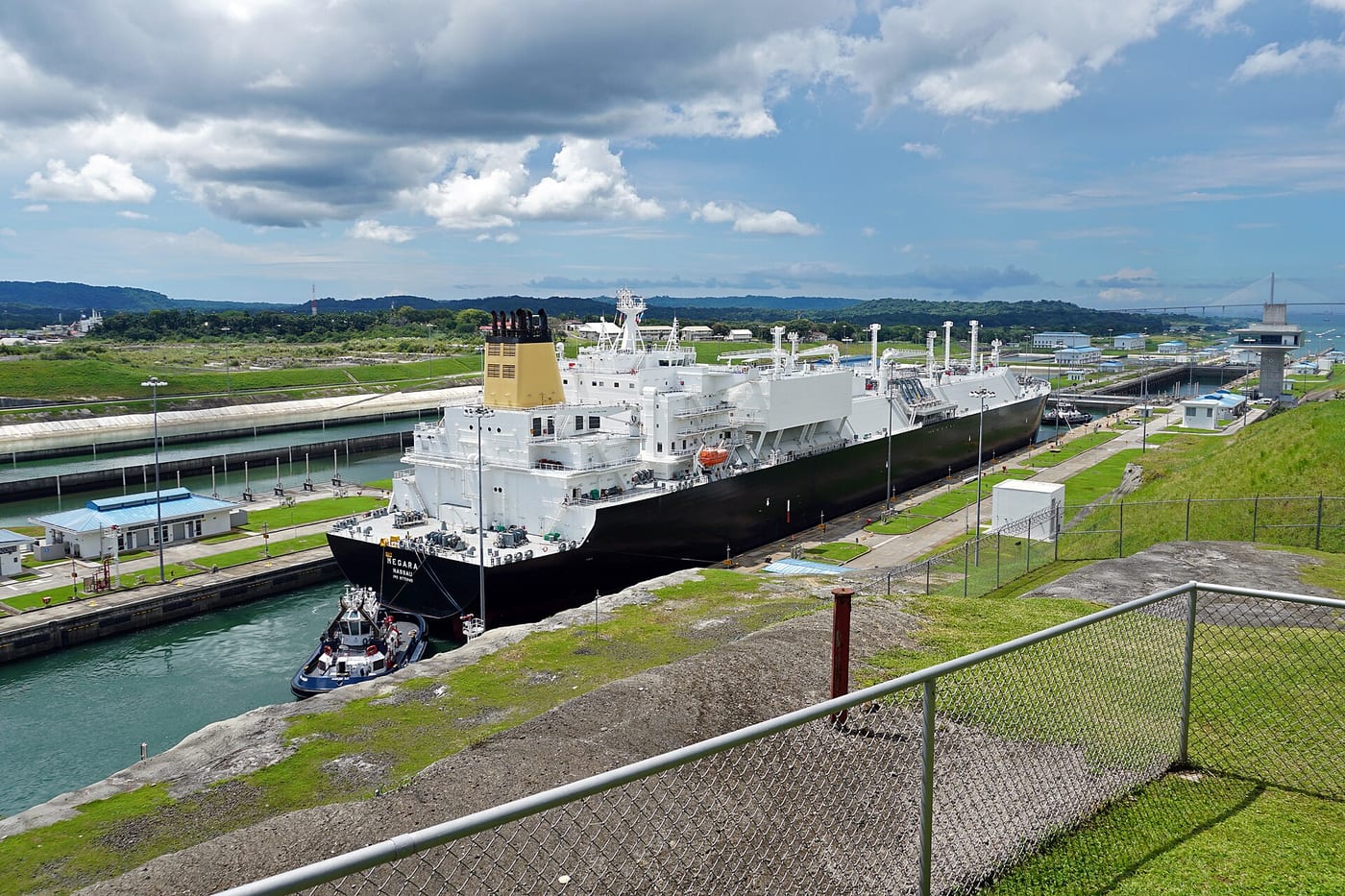
The newer, larger locks on the Atlantic side near Colón, built for the expanded canal, with a visitor centre overlooking the chambers and Gatún Lake. It makes a good day trip from Panama City, combined with Portobelo or the San Lorenzo fort.
Photo: Mariordo (Mario Roberto Durán Ortiz) · CC BY-SA 4.0 · Wikimedia Commons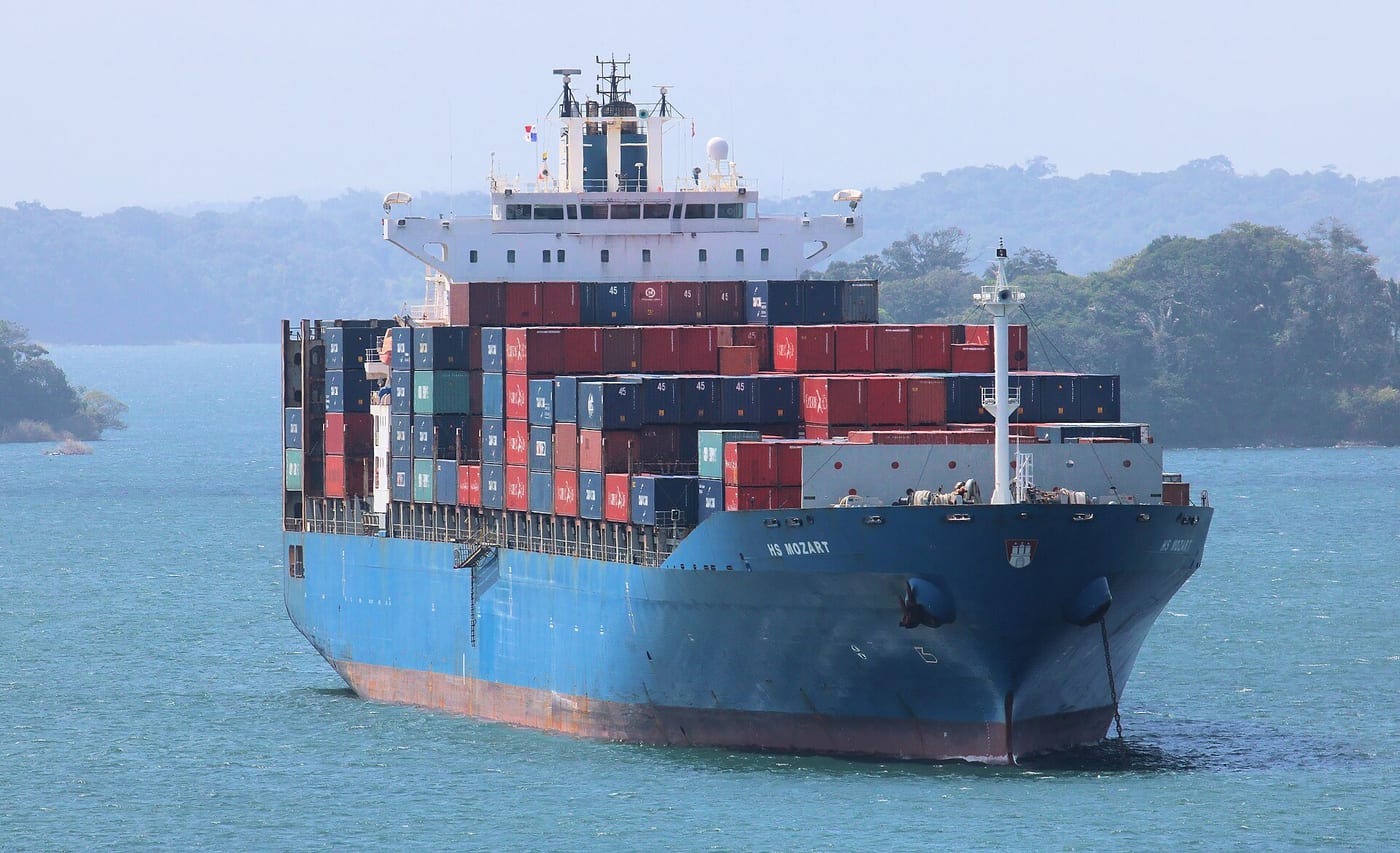
The huge artificial lake that forms the central section of the canal, dotted with forested islands. Boat trips here combine ship-watching with monkeys, birds and the rainforest of the islands.
Photo: ImagePerson · CC BY 4.0 · Wikimedia Commons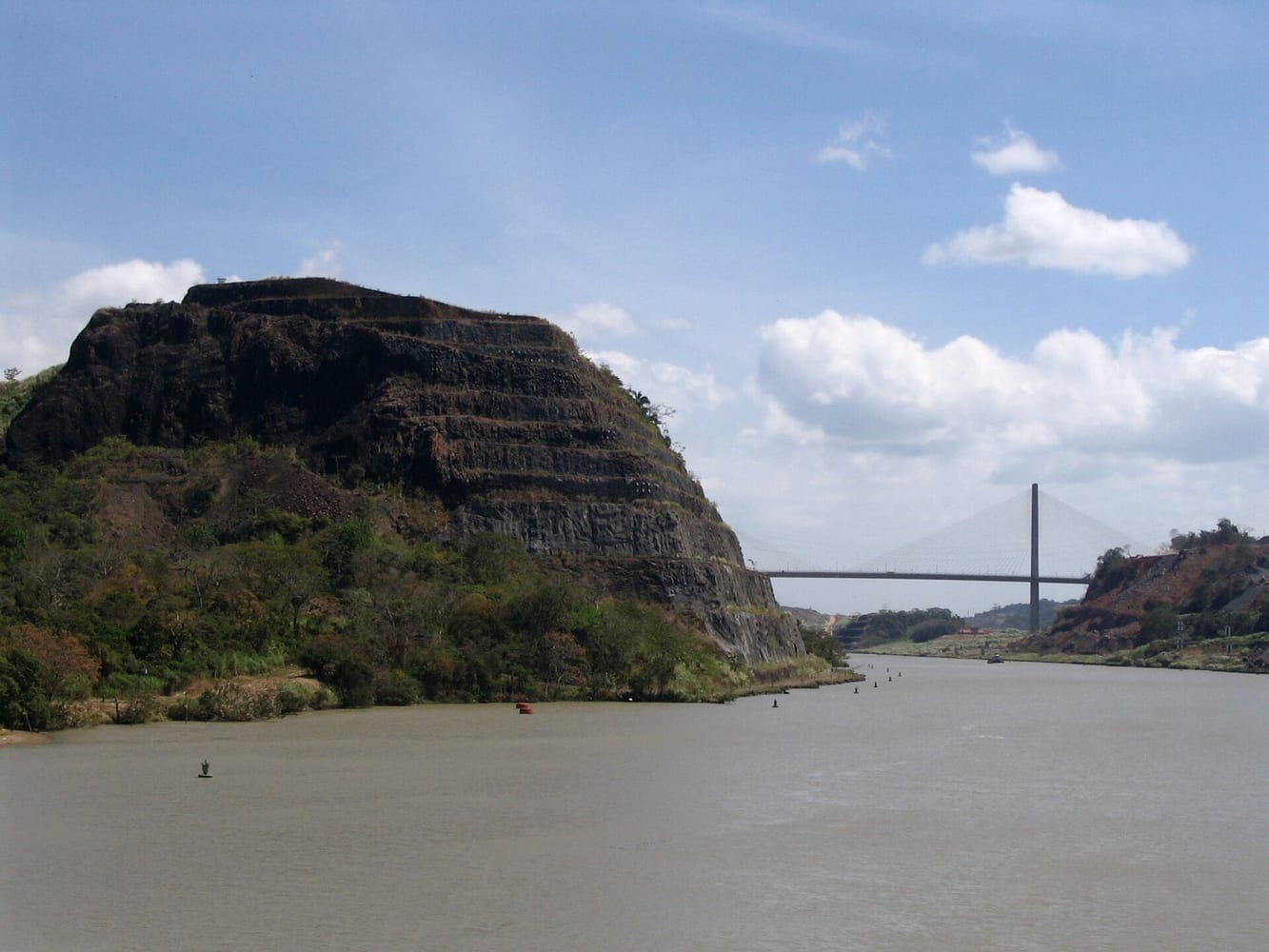
The cut through the continental divide, the most difficult section to build, crossed by the cable-stayed Centennial Bridge. It is best appreciated on a partial transit by boat.
Photo: Jean-Philippe Boulet · CC BY 3.0 · Wikimedia Commons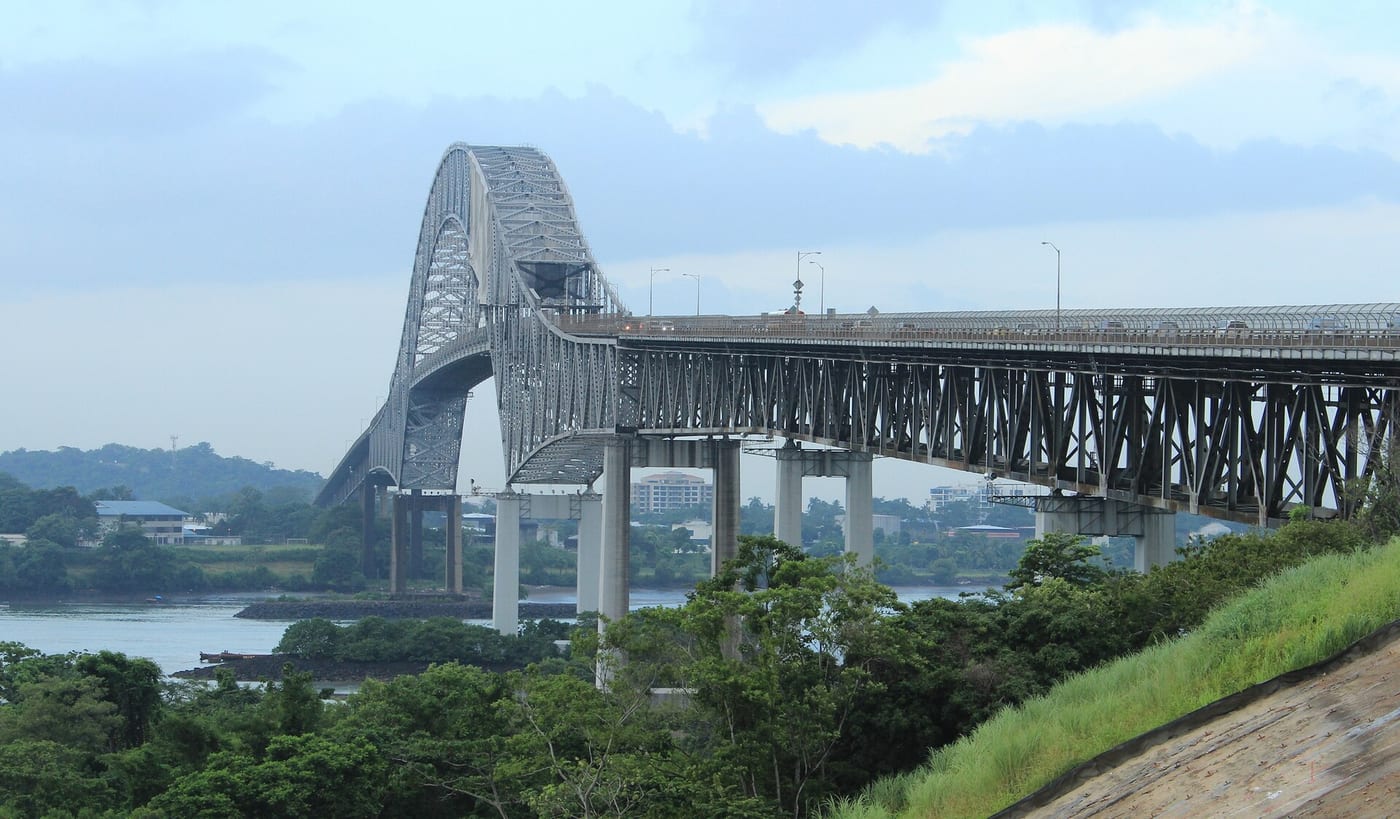
The arched bridge over the Pacific entrance of the canal, for decades the main road link between the two halves of the Americas. Good views from the Amador Causeway and from Ancón Hill.
Photo: Anelly Celis · CC BY 2.0 · Wikimedia CommonsEntry requirements, visas, health advice and safety conditions change. Before you travel, check Smartraveller and the official sources of each country.