A chain of small palm-fringed islands off Panama’s Caribbean coast, governed by the Indigenous Guna people, with clear water, reefs and simple island stays.
Guna Yala is an autonomous Indigenous territory, and tourism is run by Guna communities under their own rules. Most visitors stay one to three nights in simple island lodges, with boat trips each day to different islands, sandbanks and reefs; day trips from Panama City are possible but long. Accommodation is basic, often with shared bathrooms and limited power, which is part of the experience.
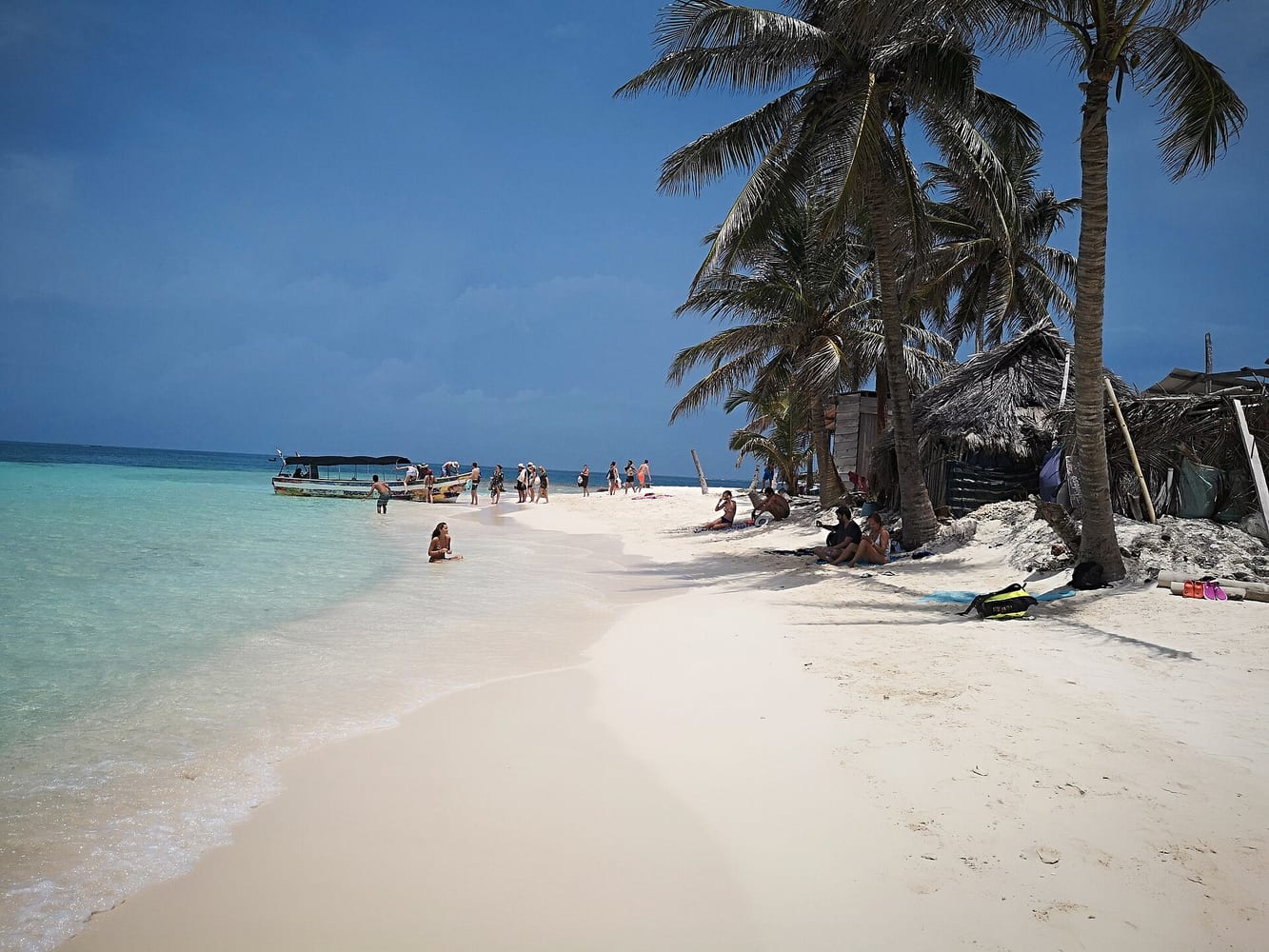
Hundreds of small coral islands, many with just a few palm trees, scattered along the coast. Lodges arrange boat trips between islands, so you can see several in a day.
Photo: Panama Tours and Scuba SA · CC BY-SA 4.0 · Wikimedia Commons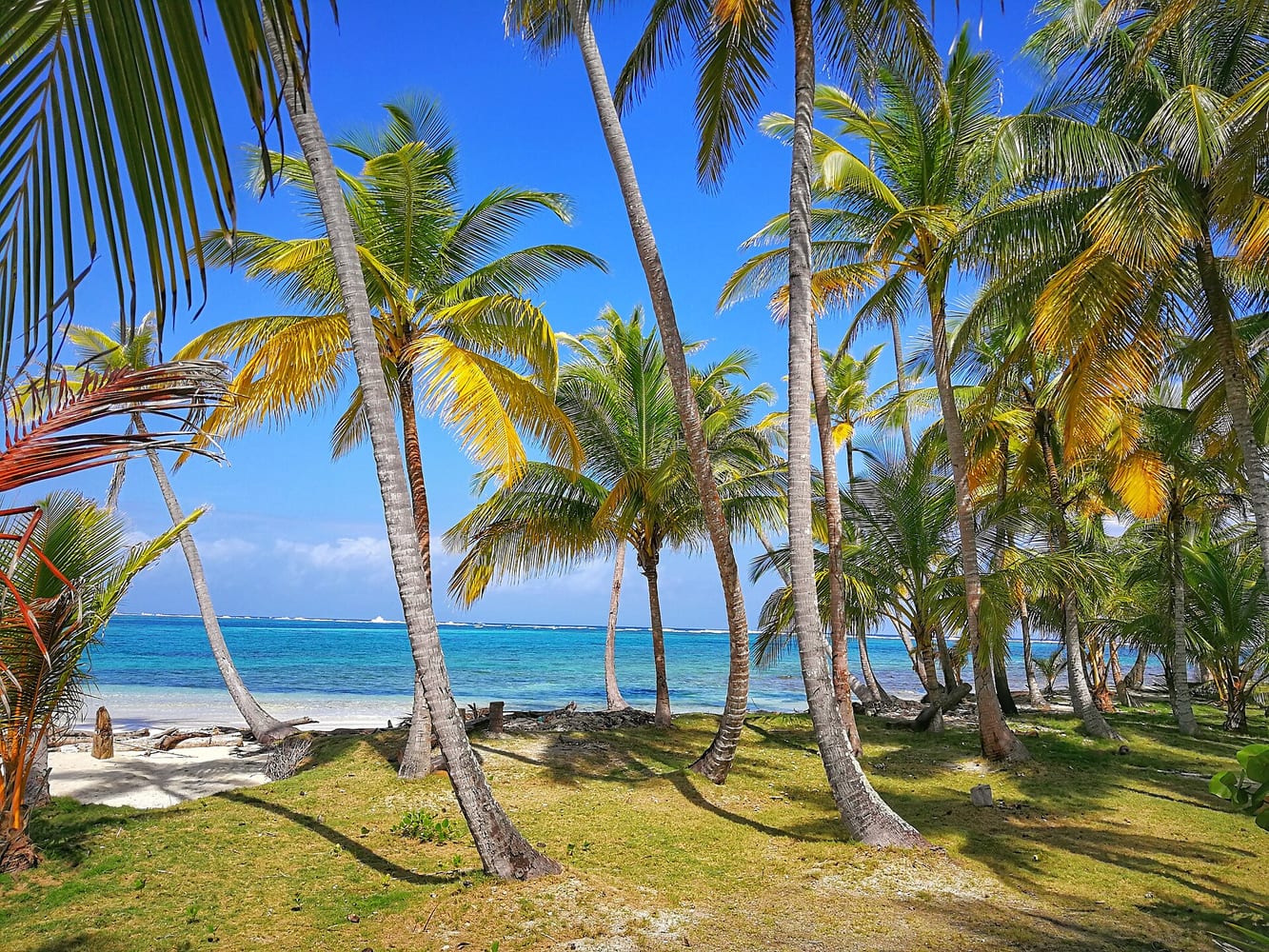
A group of outer islands with some of the clearest water and best reefs in the archipelago, further out to sea. The crossing can be rough in windy weather, so it depends on conditions.
Photo: Garcia.dennis · CC BY-SA 4.0 · Wikimedia Commons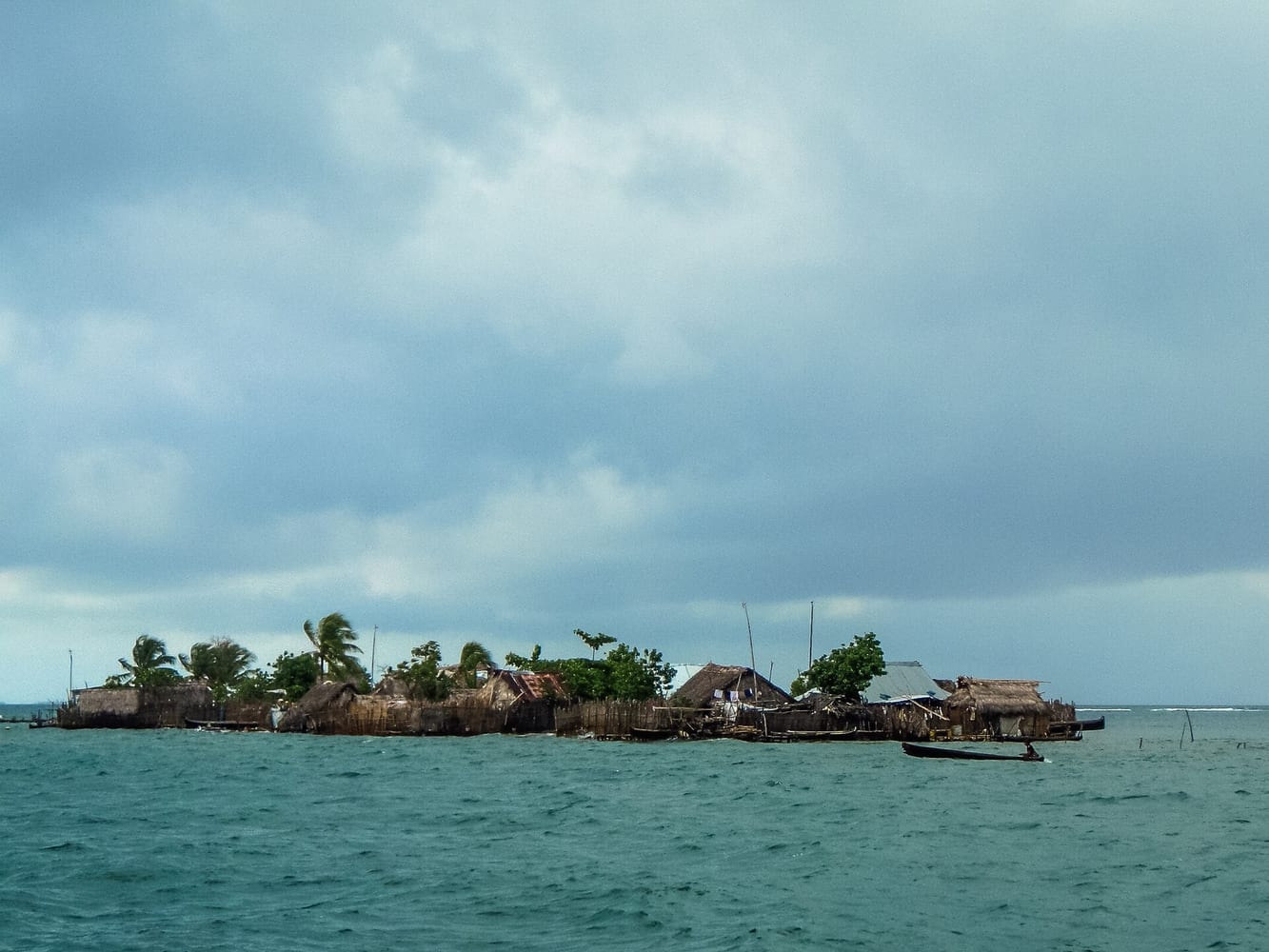
Most Guna families live on a few densely built islands close to the mainland, with houses of cane and thatch packed to the water’s edge. Some communities welcome visitors; follow your guide’s lead and ask before taking photos of people.
Photo: Cotopaxi5897 · CC BY-SA 4.0 · Wikimedia Commons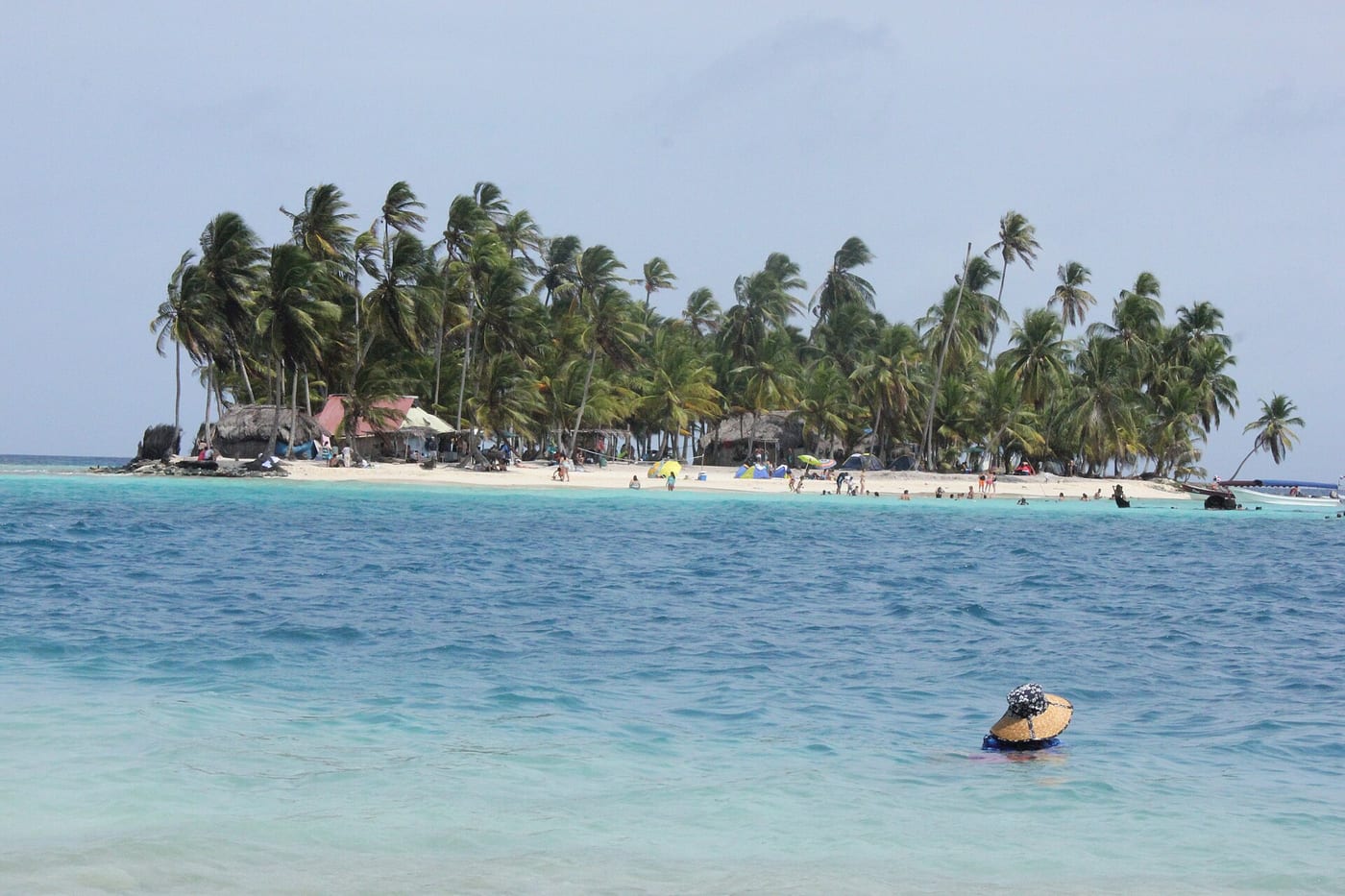
A small island near a shallow shipwreck that is easy to snorkel from the beach, with coral and fish around the hull. Bring your own mask if you prefer, as rental gear is limited.
Photo: Mónica J. Mora · CC BY-SA 3.0 · Wikimedia Commons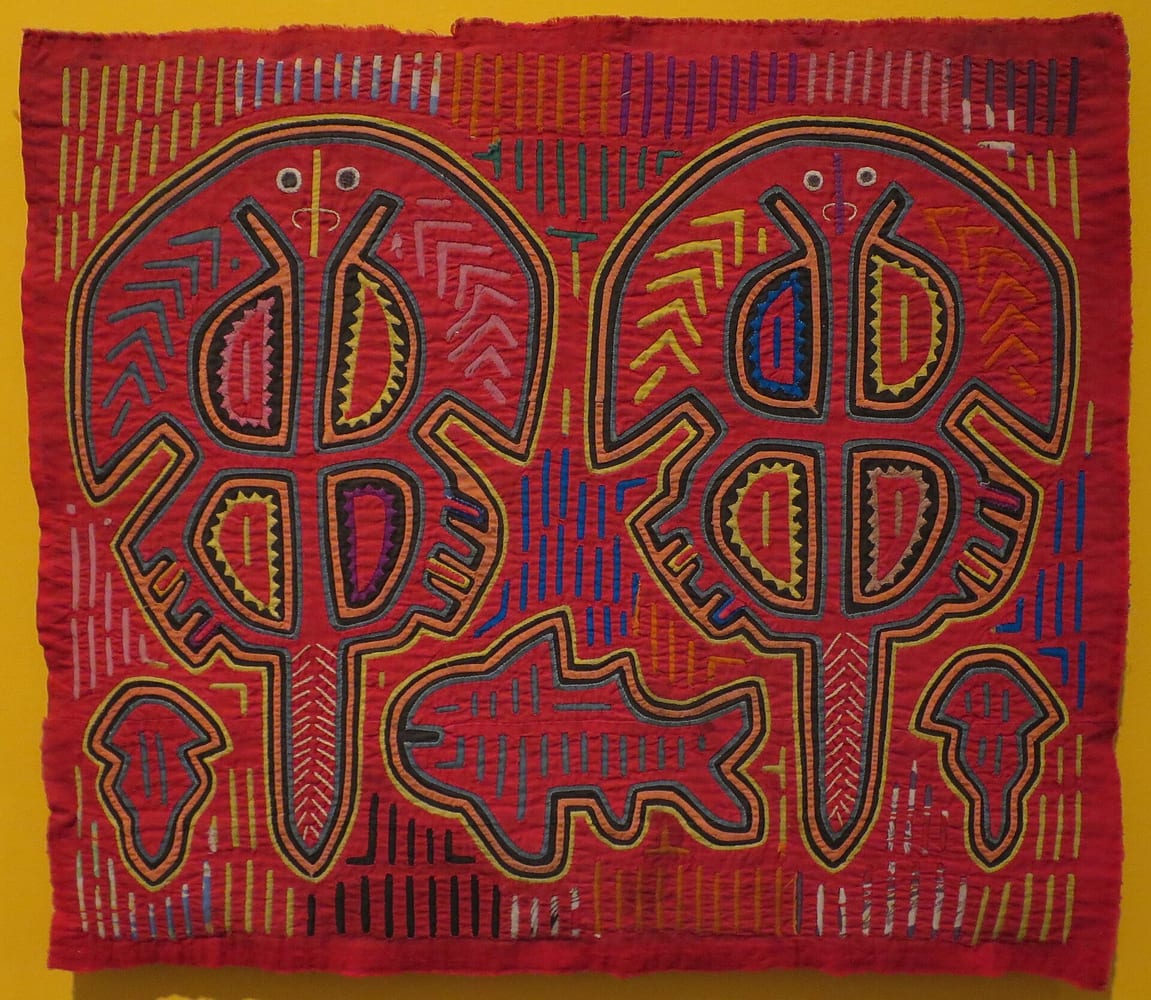
Colourful hand-sewn textile panels made by Guna women with layered and cut-out fabric, a symbol of Guna culture. They are sold directly by the artisans on the islands; ask before photographing people.
Photo: Hiart · CC0 · Wikimedia CommonsEntry requirements, visas, health advice and safety conditions change. Before you travel, check Smartraveller and the official sources of each country.