A vast high-altitude lake shared by Peru and Bolivia, at about 3,800 metres, with floating reed islands, terraced islands and communities that keep their traditions alive.
Puno is the base for visiting the Peruvian side of the lake. Plan two to three days: a boat trip to the Uros floating islands and Taquile, an overnight homestay on Amantaní if you would like to experience island life, and a half-day visit to Sillustani. Puno is higher than Cusco, so acclimatise first in Cusco, take the first day gently and drink plenty of water. Many travellers arrive overland from Cusco on a day-long scenic journey by bus or train.
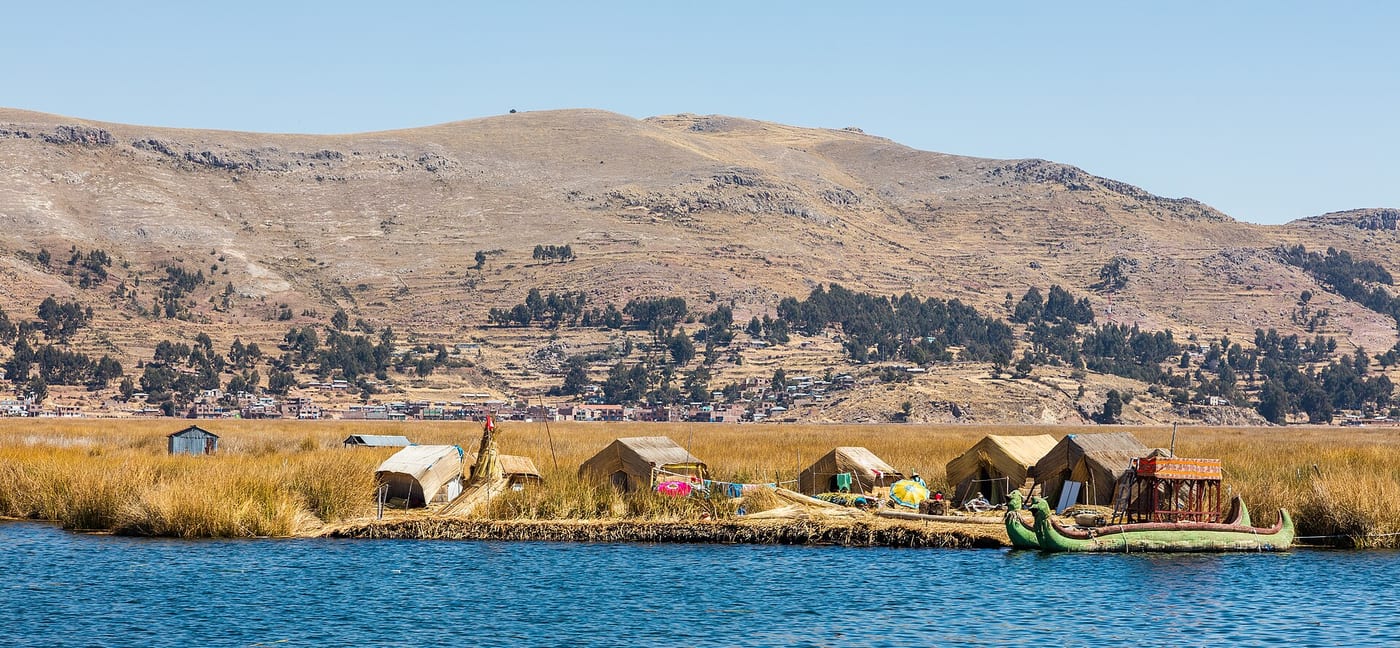
Islands built by the Uros people from layers of totora reeds, together with their homes and boats. Visits are short and organised with the communities, and are usually combined with Taquile.
Photo: Diego Delso · CC BY-SA 4.0 · Wikimedia Commons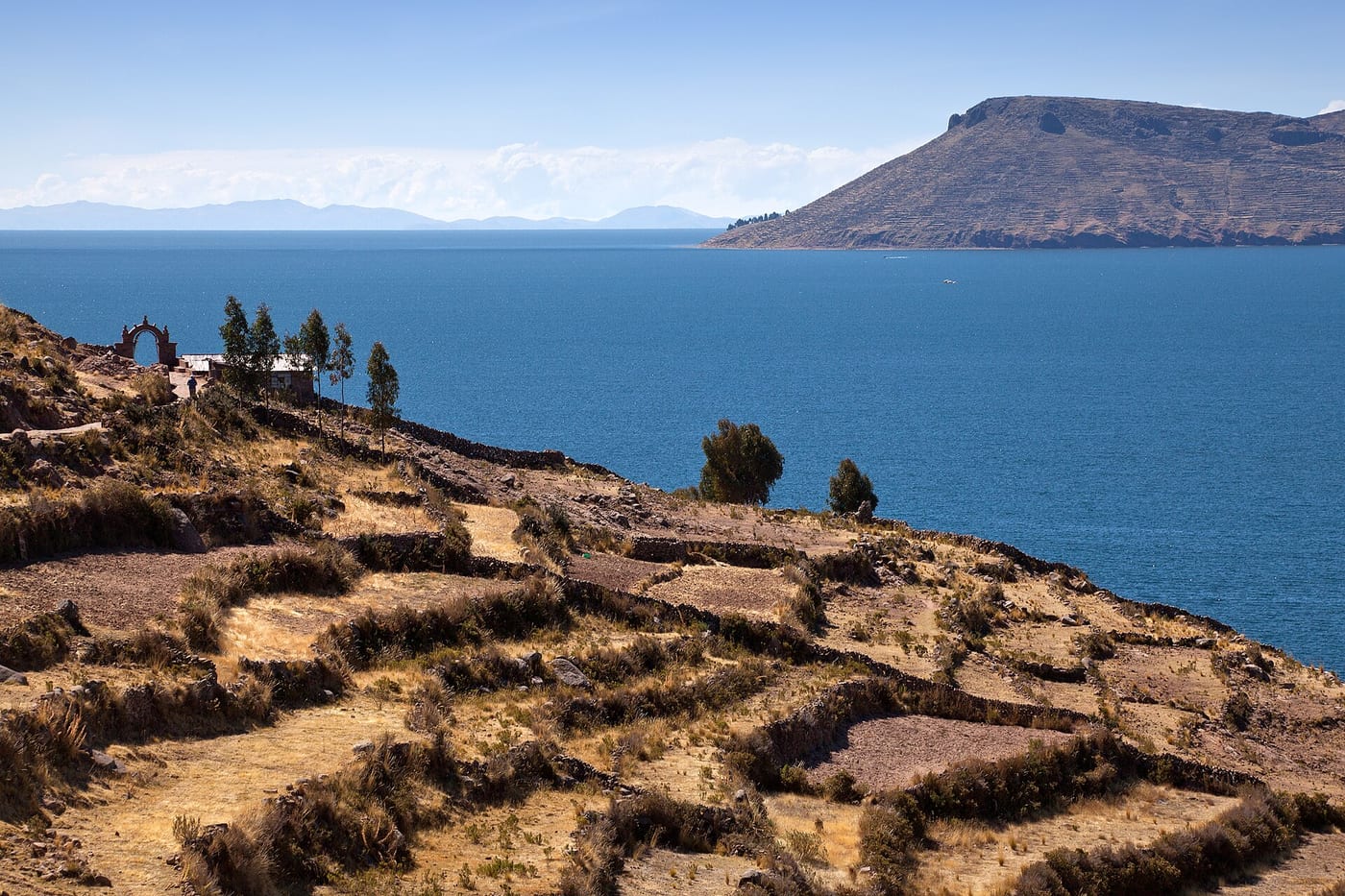
A hilly island of stone paths and terraces whose community is known for its textile art, made by men and women. The walk up from the dock is steep at this altitude, so take your time.
Photo: Unukorno · CC BY 3.0 · Wikimedia Commons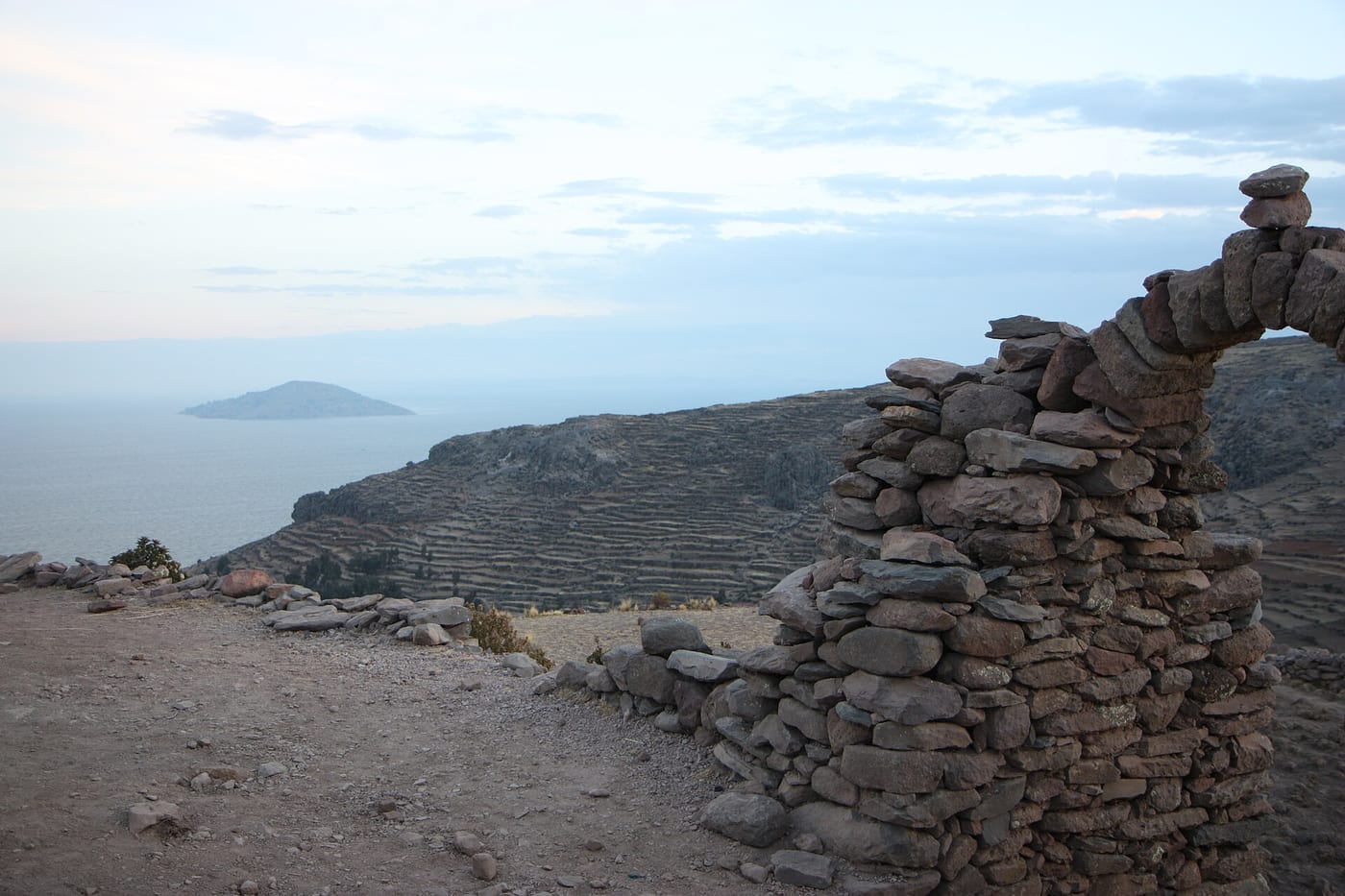
A quiet island where local families host visitors overnight in simple homes, sharing meals and evening customs. Bring warm clothes, as nights are cold, and a small torch.
Photo: Olivier Issaly from Paris, France · CC BY-SA 2.0 · Wikimedia Commons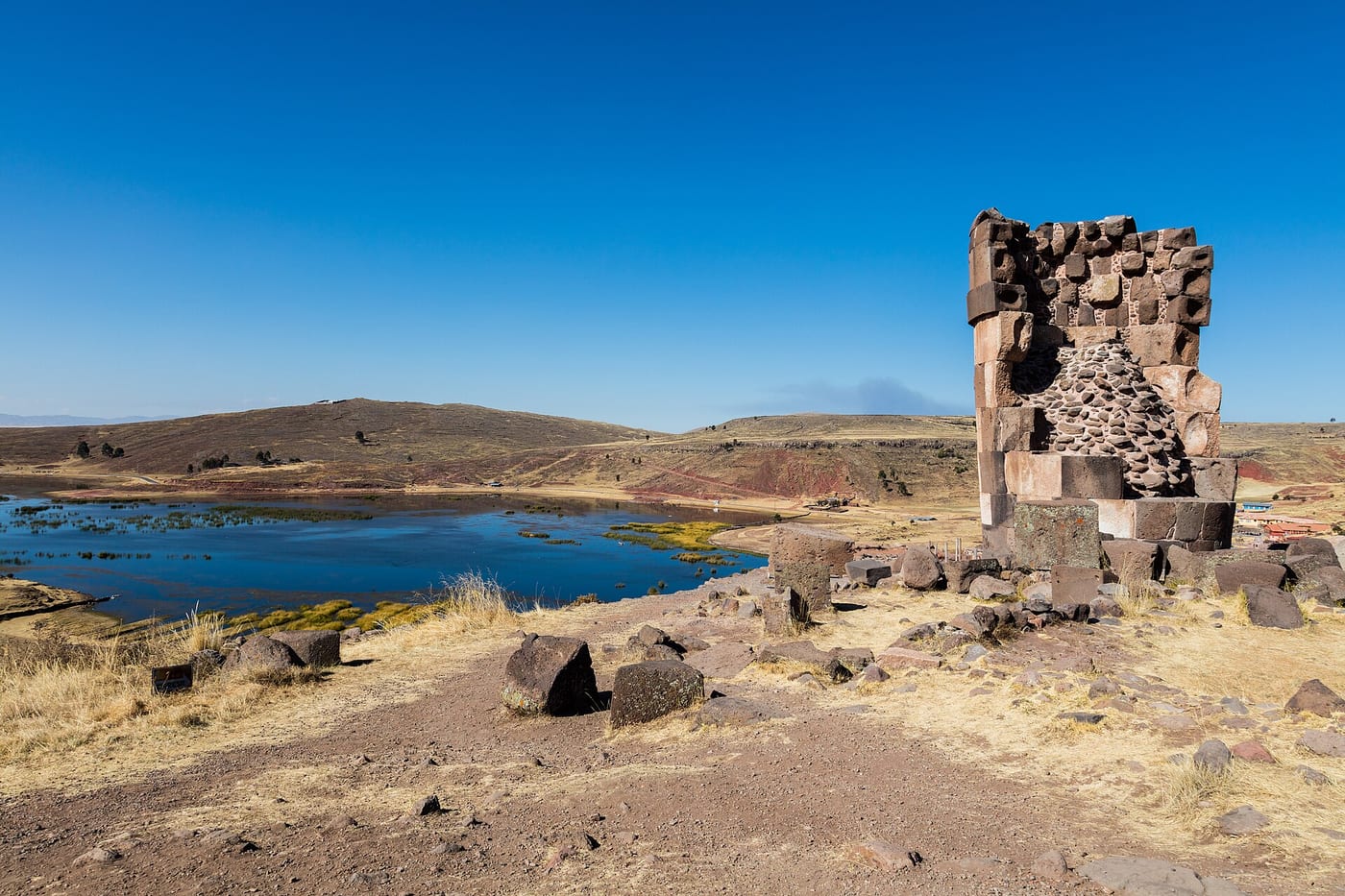
Tall stone burial towers (chullpas) on a peninsula above Lake Umayo, built by the Colla people and later the Incas. Late afternoon light is beautiful; it is about 40 minutes from Puno.
Photo: Diego Delso · CC BY-SA 4.0 · Wikimedia Commons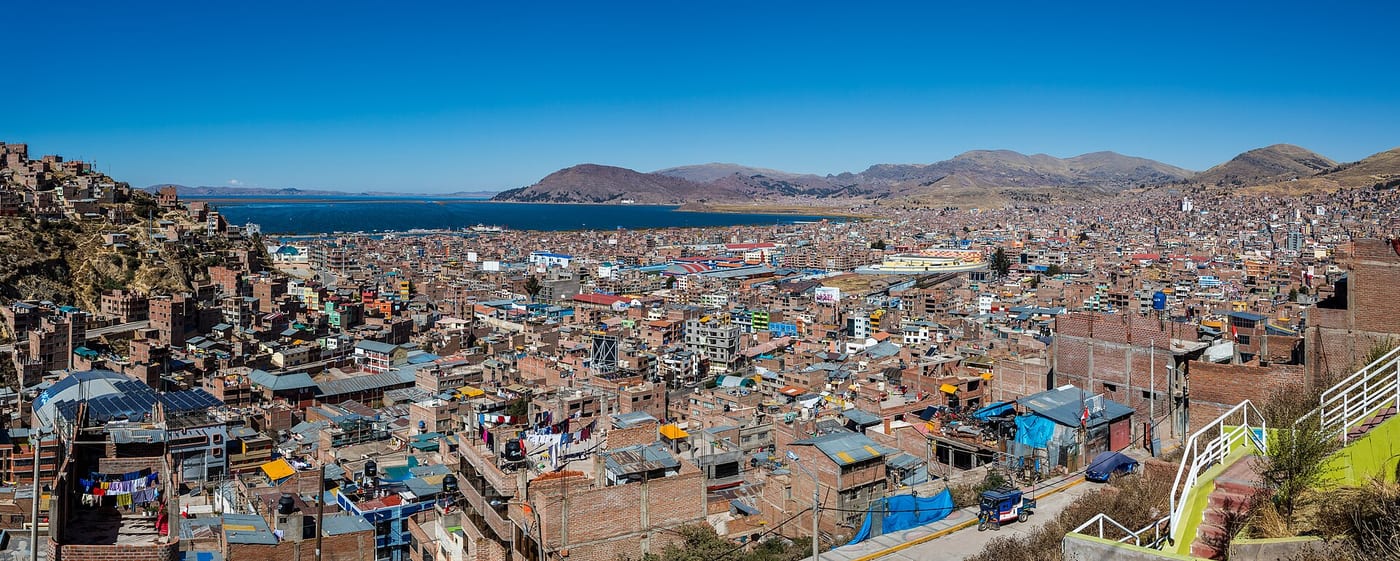
A lakeside town known as the folklore capital of Peru, famous for the dances of the Virgen de la Candelaria festival each February. Its waterfront is the starting point for all boat trips.
Photo: Diego Delso · CC BY-SA 4.0 · Wikimedia CommonsEntry requirements, visas, health advice and safety conditions change. Before you travel, check Smartraveller and the official sources of each country.