The fertile valley of the Urubamba River below Cusco, lined with Inca terraces, fortresses, salt pans and Andean villages, on the way to Machu Picchu.
The Sacred Valley lies lower than Cusco, so many travellers spend their first nights here to adjust to the altitude more gently. Two to three days allow visits to Pisac and its market, Moray and Maras, Chinchero and Ollantaytambo, from where trains leave for Machu Picchu. Distances are short but roads wind through the mountains, so a driver and guide make the most of the time.
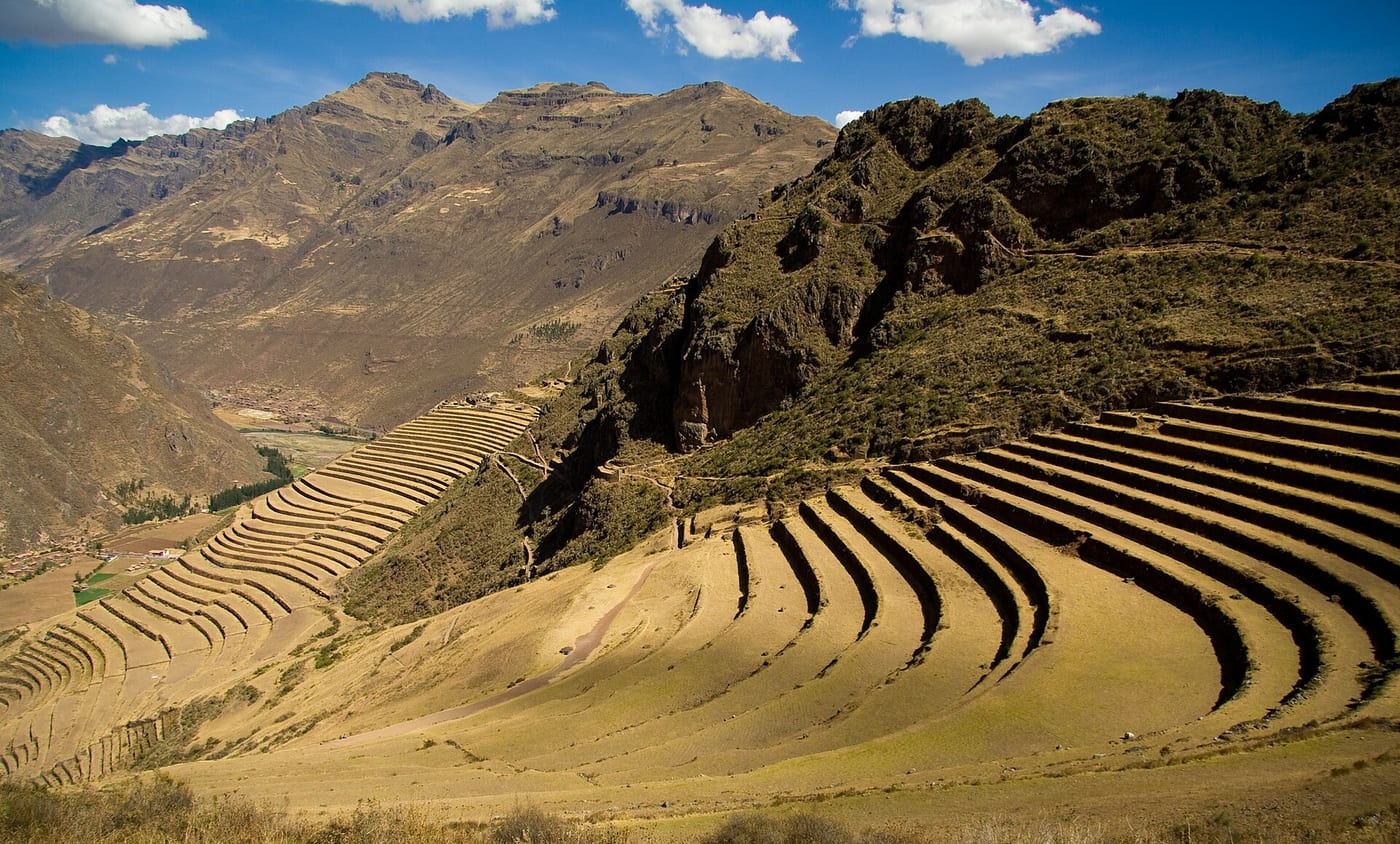
Sweeping Inca agricultural terraces and a hilltop complex of temples above the village of Pisac, known for its craft market. Allow a couple of hours for the ruins and take care on the steep paths.
Photo: Ricardo Sánchez · CC BY 2.0 · Wikimedia Commons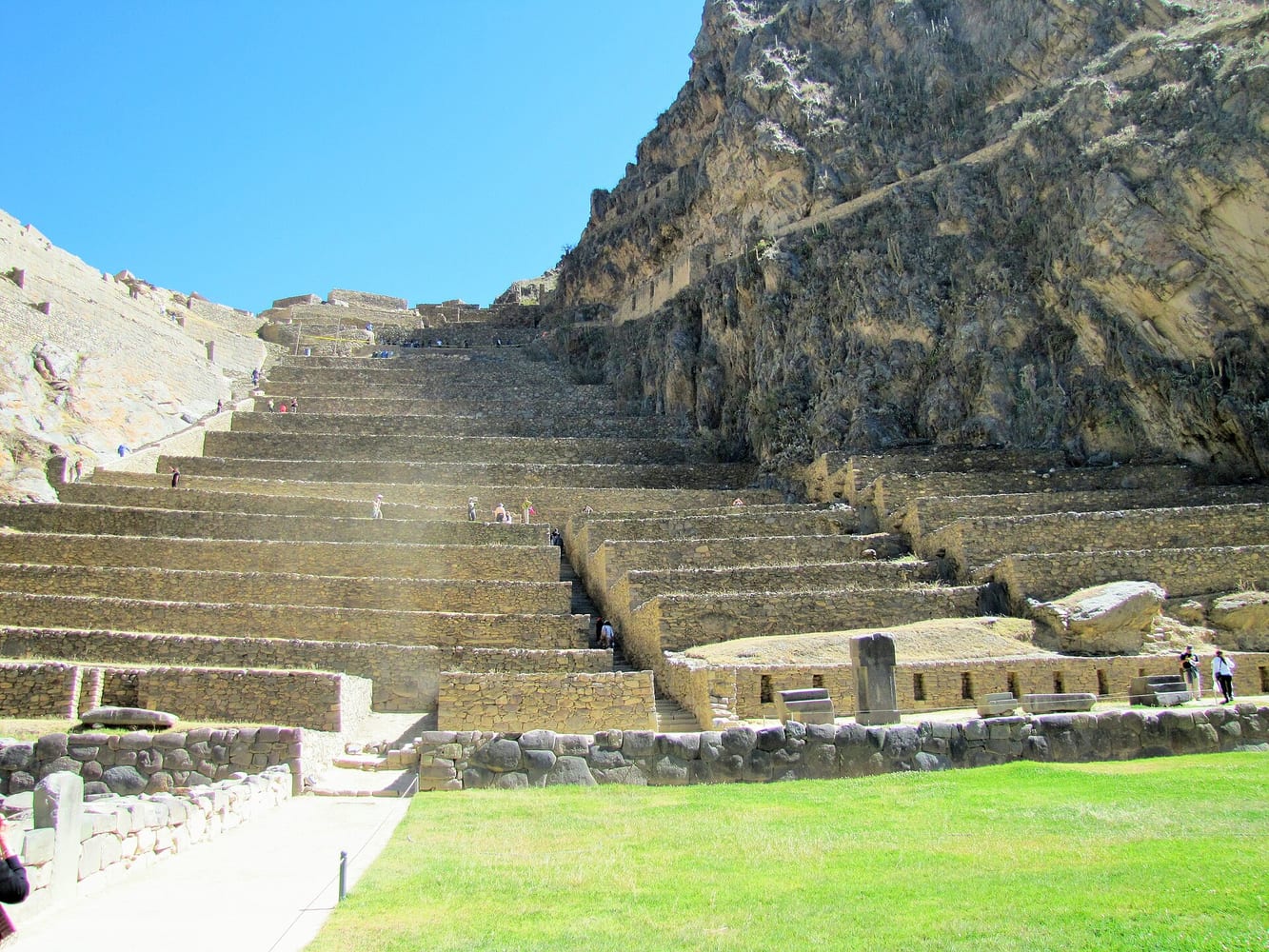
An Inca town still laid out on its original street plan, below a fortress-temple of steep terraces and huge stone blocks. It is also the main train station for Machu Picchu, so it is worth staying a night.
Photo: Chuck Moravec · CC BY 2.0 · Wikimedia Commons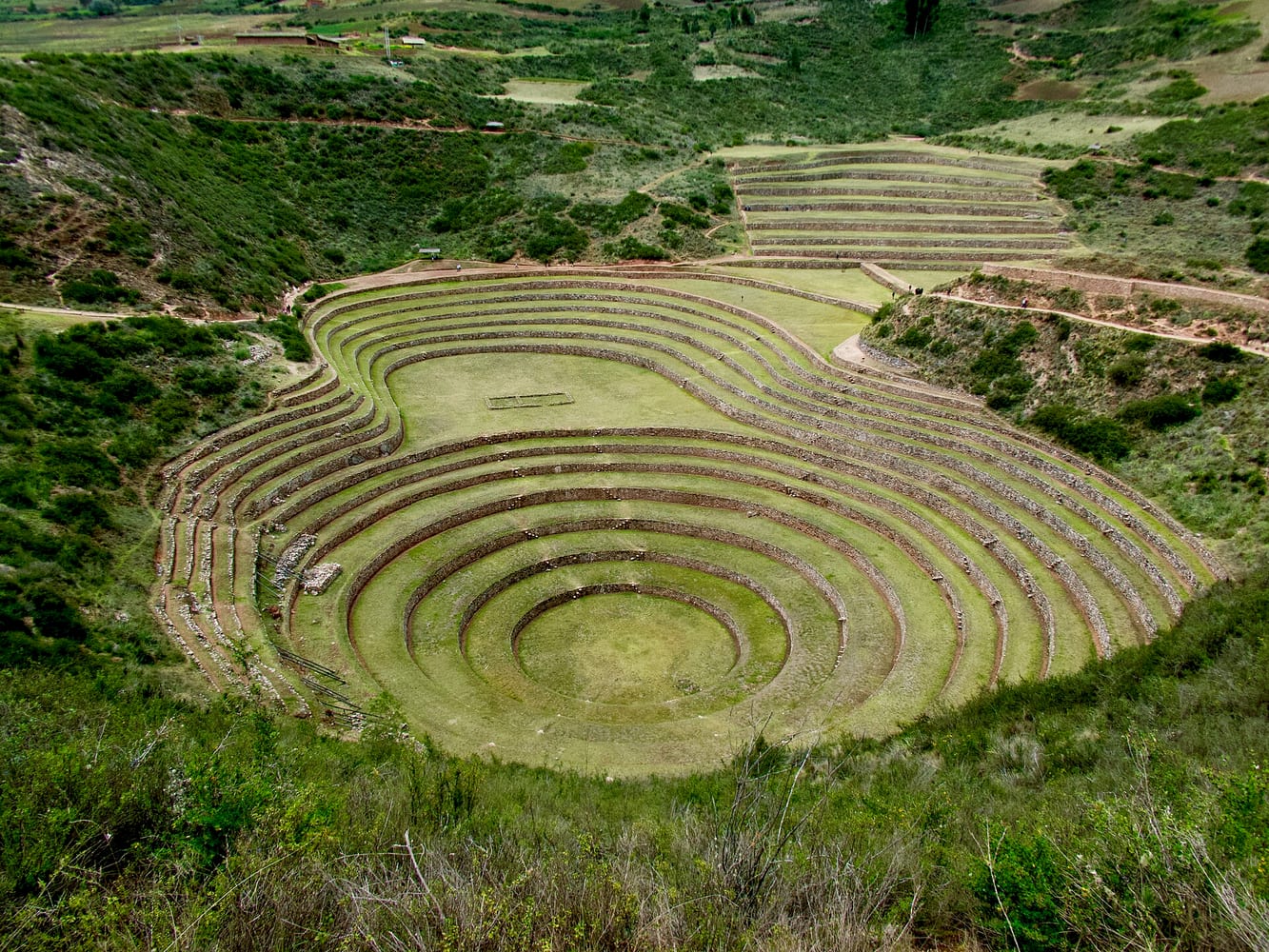
Circular terraces descending into natural hollows, thought to have been used by the Incas for agricultural experiments at different temperatures. The rings are best seen from the rim; walking on them is restricted.
Photo: F Delventhal · CC BY 2.0 · Wikimedia Commons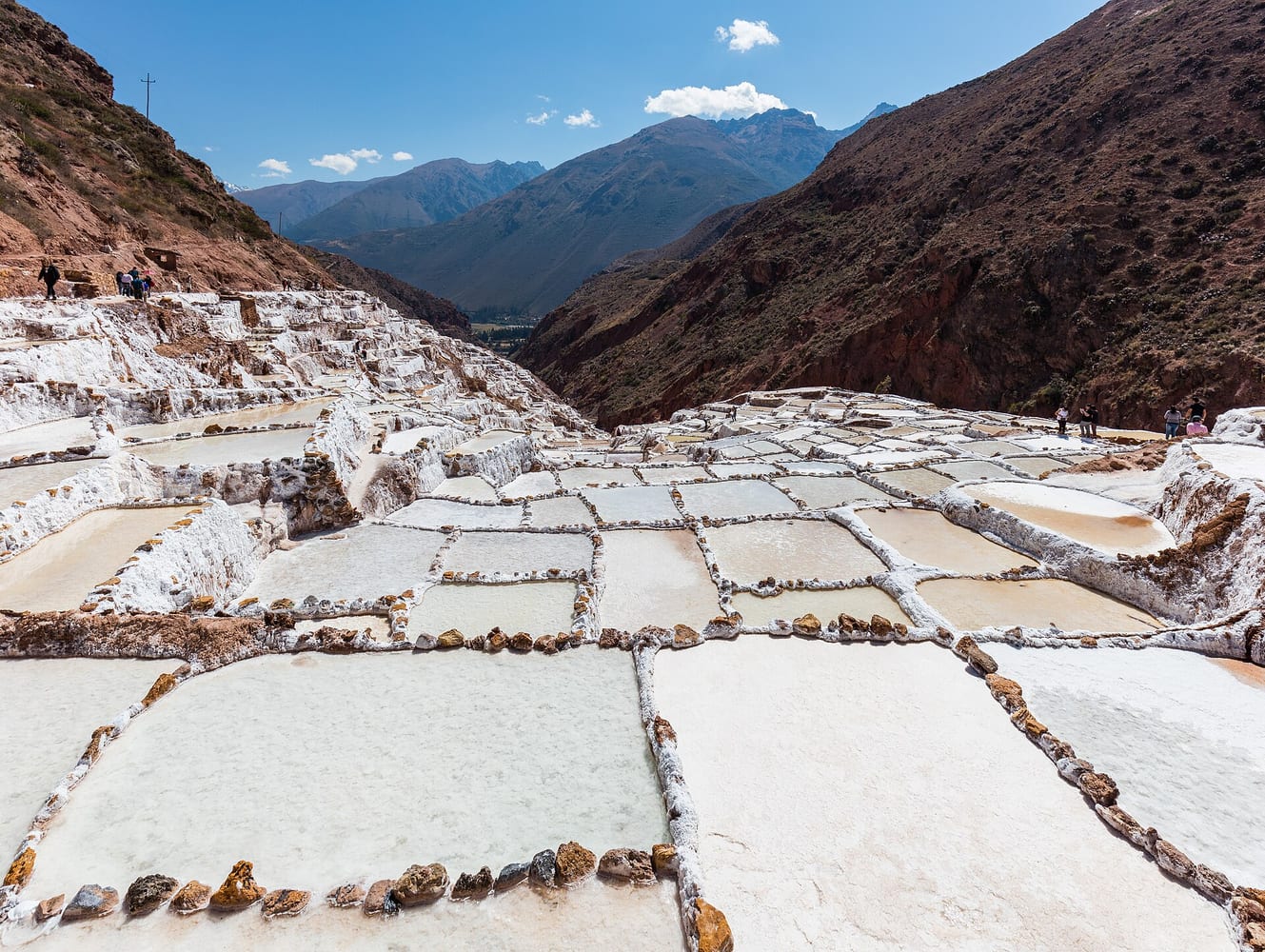
Thousands of small salt pools on a hillside, fed by a salty spring and worked by local families since before the Incas. Visit together with Moray, and buy salt directly from the community.
Photo: Diego Delso · CC BY-SA 4.0 · Wikimedia Commons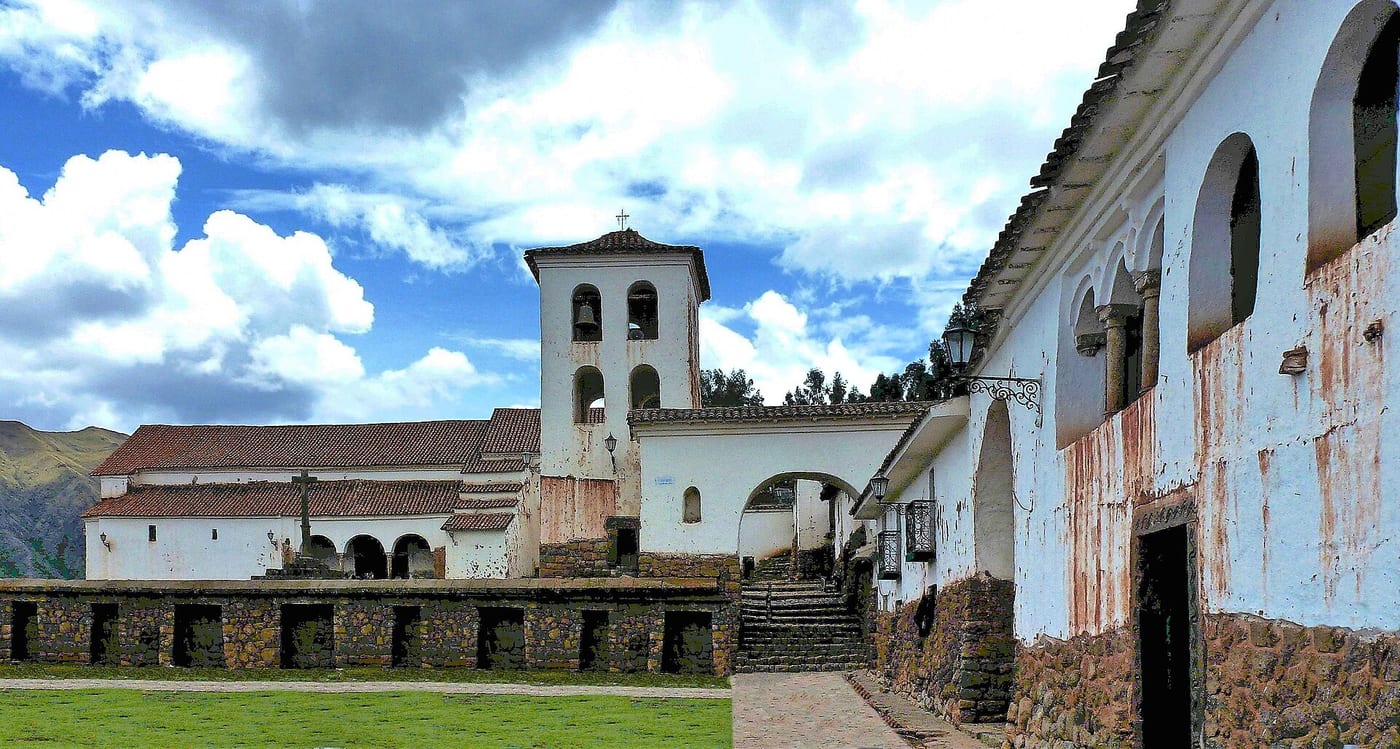
A high village with an adobe colonial church built on Inca foundations, terraces and a weaving tradition kept alive by local cooperatives. Weaving demonstrations show how wool is spun and dyed with natural colours.
Photo: Pierre André Leclercq · CC BY-SA 4.0 · Wikimedia CommonsEntry requirements, visas, health advice and safety conditions change. Before you travel, check Smartraveller and the official sources of each country.