Suriname’s riverside capital has a historic centre of white wooden colonial buildings, listed as a World Heritage site, where a mosque and a synagogue stand side by side.
Paramaribo lies on the Suriname River near the coast and is the starting point for every trip into the country. Plan two days: one to walk the historic inner city, from Independence Square and Fort Zeelandia to the Waterkant, and one for markets, food and a boat trip on the river. The centre is compact and flat, but the heat makes early morning and late afternoon the best times to explore on foot.
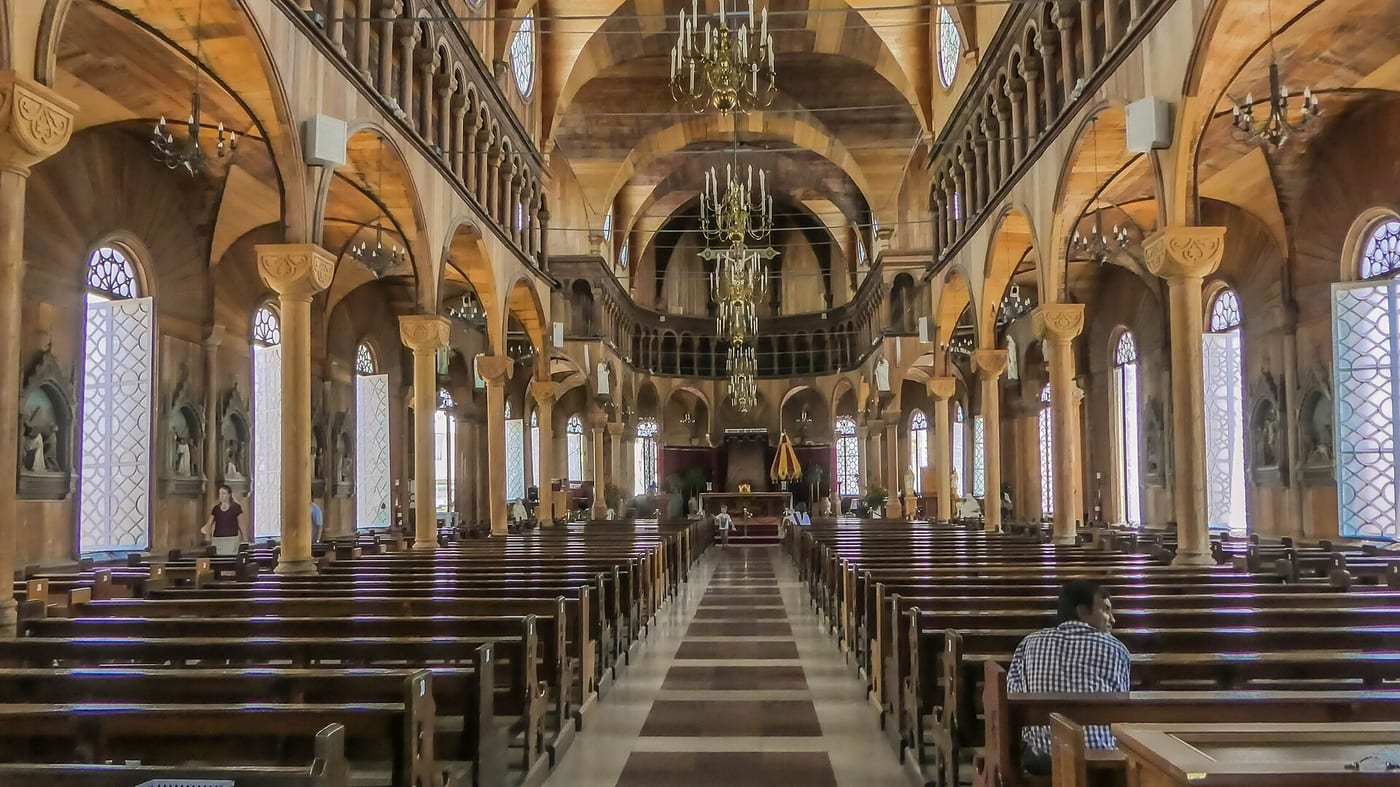
A large cathedral built almost entirely of wood, with a light, airy interior beneath its timber vaults. Check visiting times locally, as services take priority.
Photo: -JvL- from Netherlands · CC BY 2.0 · Wikimedia Commons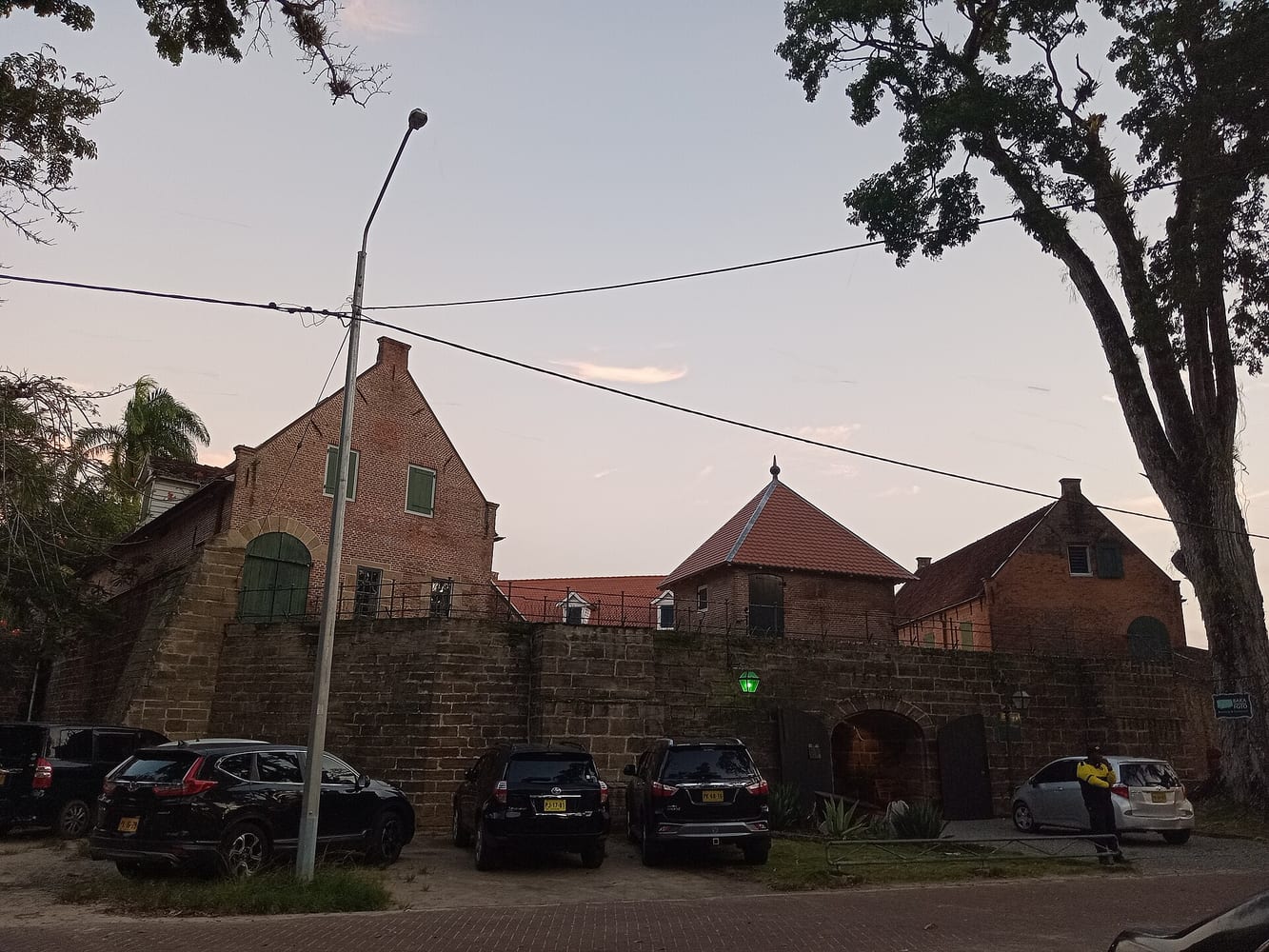
A star-shaped fort by the river, built in the colonial period and now a museum of Suriname’s history. Its brick walls and riverside lawns are a peaceful spot in the city.
Photo: WBSAM · CC BY-SA 4.0 · Wikimedia Commons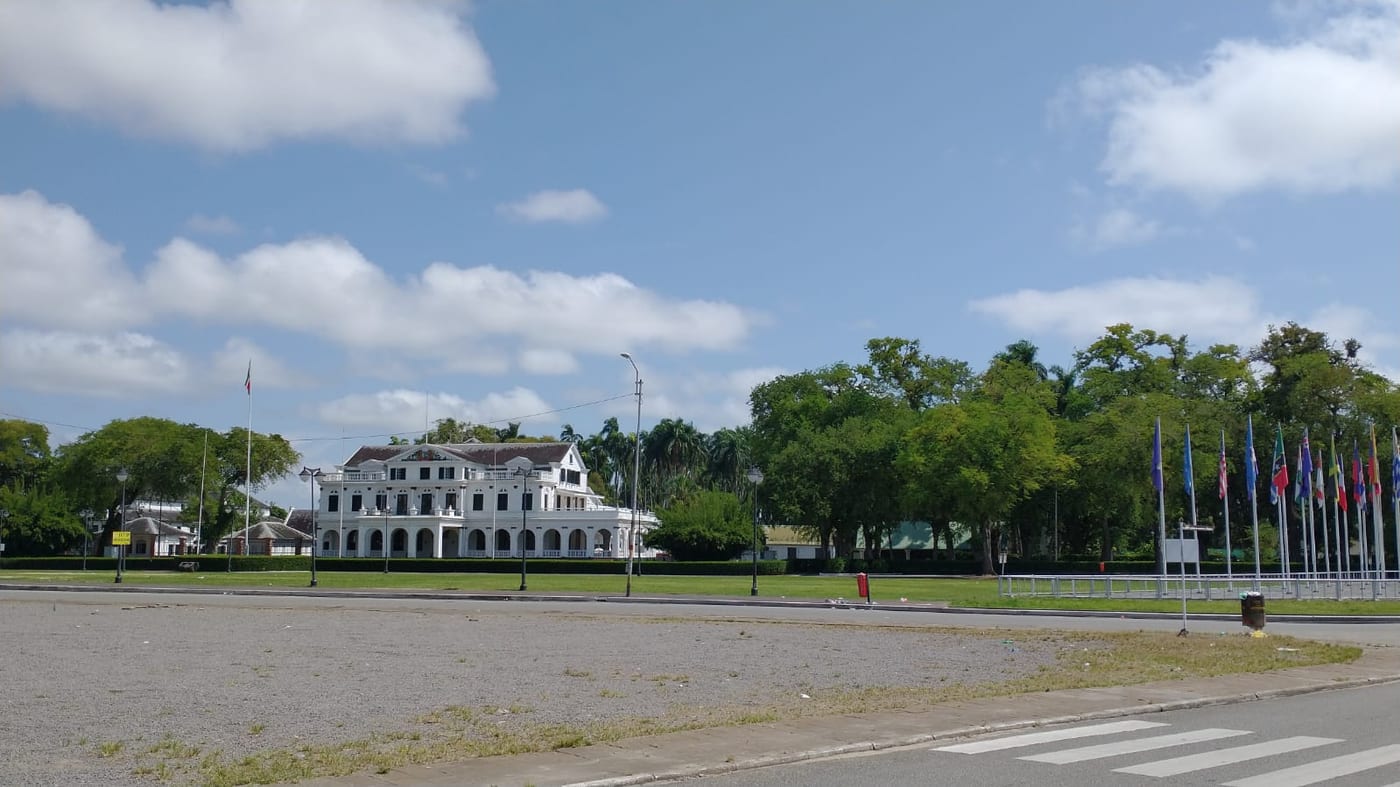
A broad square bordered by the white Presidential Palace and other government buildings, with the Palm Garden just behind. It is a natural starting point for a walk through the old centre.
Photo: Medimir · CC BY-SA 4.0 · Wikimedia Commons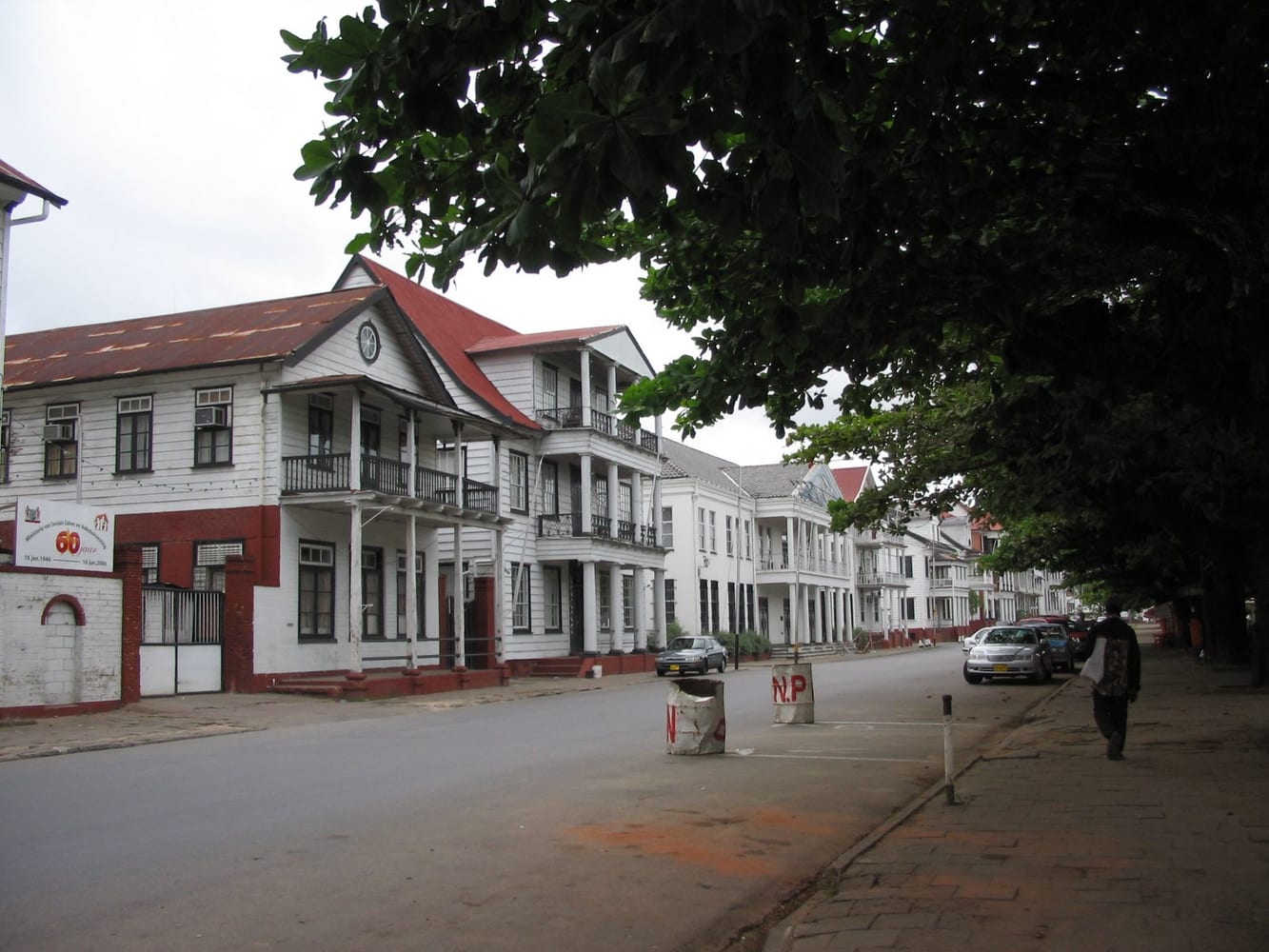
A riverside street lined with traditional wooden houses and food stalls. It is a lively place for a snack and views over the river, especially in the late afternoon.
Photo: Forrestjunky · CC BY-SA 3.0 · Wikimedia Commons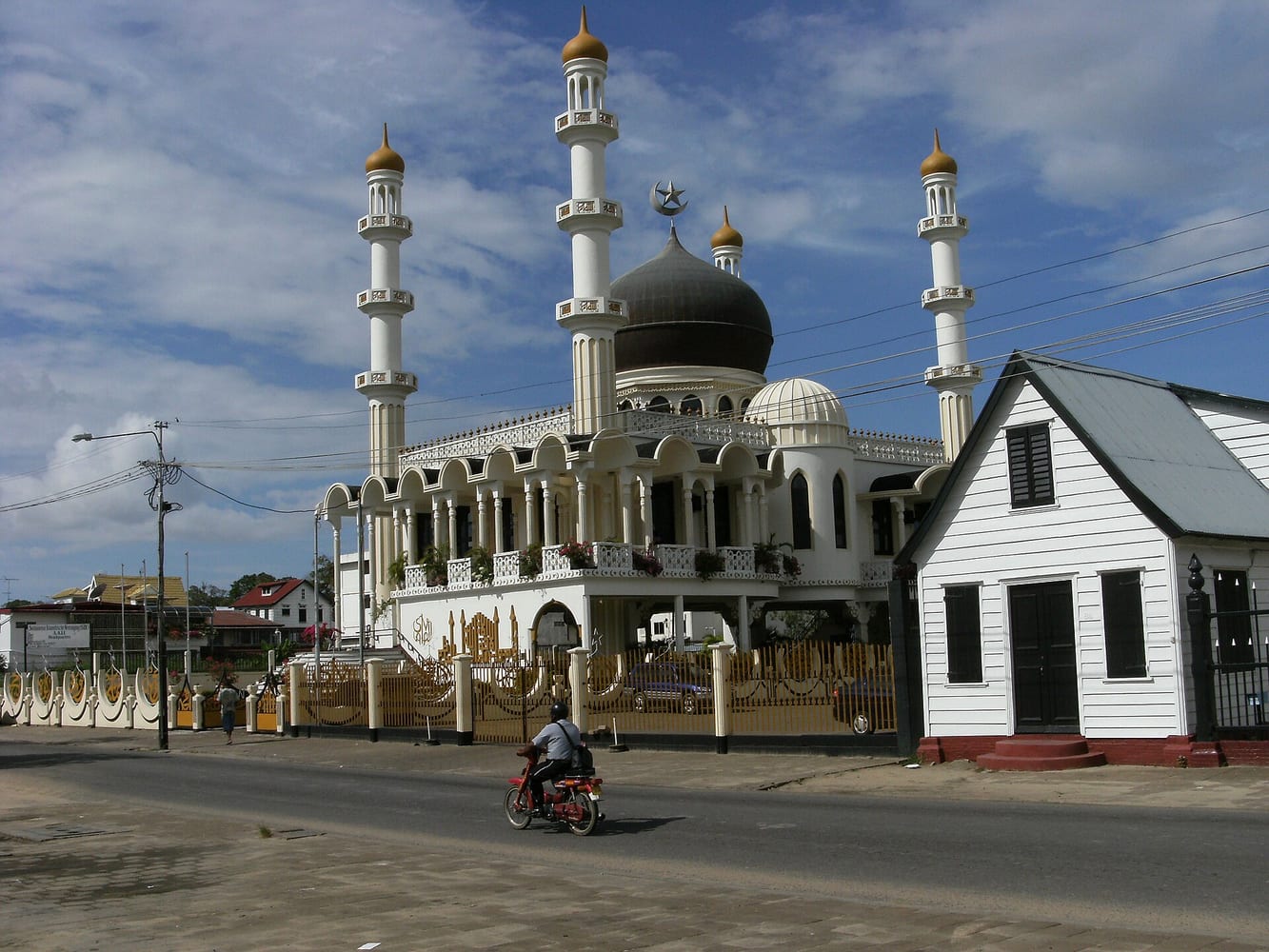
A mosque and a synagogue stand next to each other on Keizerstraat, often cited as a symbol of the country’s religious harmony. Visits inside may be possible at set times; dress modestly.
Photo: Mark Ahsmann · CC BY-SA 3.0 · Wikimedia CommonsEntry requirements, visas, health advice and safety conditions change. Before you travel, check Smartraveller and the official sources of each country.