Along Suriname’s great rivers live Maroon and Indigenous communities whose villages, boats and traditions are closely tied to the water and the forest.
The most common way to visit is a stay of three or four days at a lodge on the Upper Suriname River, reached by road to Atjoni and then by motorised dugout canoe. Lodges are often run by or with local communities and include village visits, forest walks and swimming in the river. Always visit villages with a local guide, follow their advice on customs and ask before taking photographs.
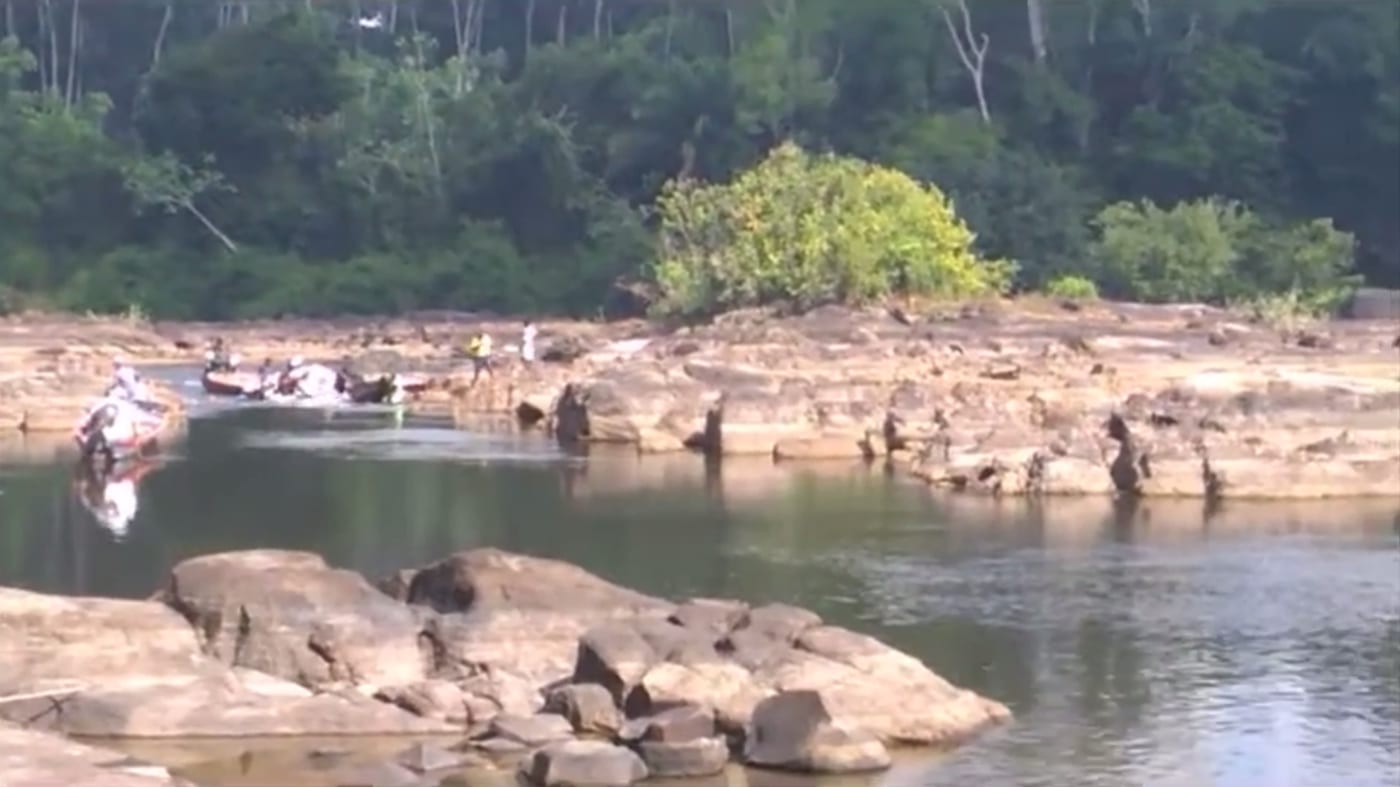
Above the Brokopondo Reservoir, the river runs through rainforest past rapids, sandbanks and a chain of villages. River lodges here are simple but set in beautiful surroundings.
Photo: Ada Korbee · CC BY 3.0 · Wikimedia Commons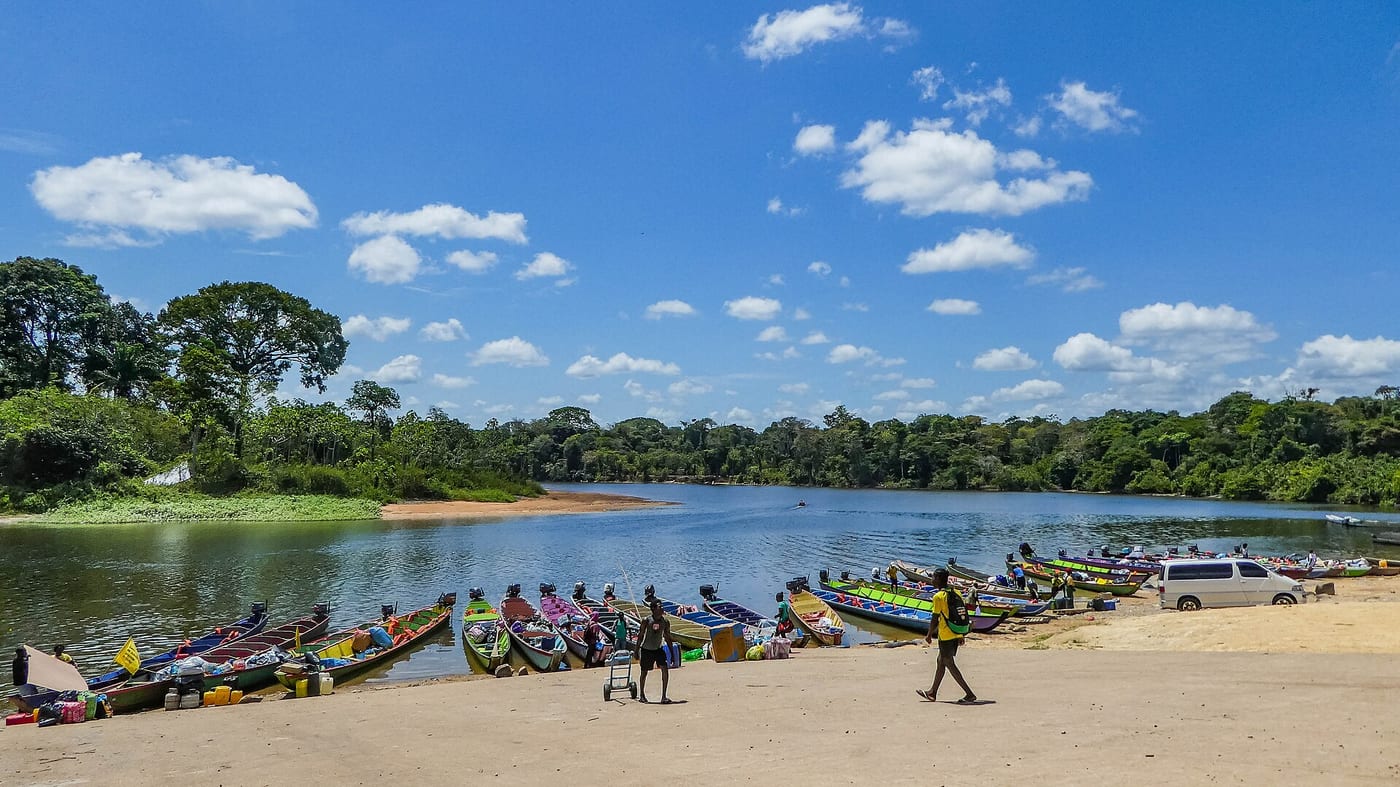
The landing at the end of the road where travellers transfer from vehicles to canoes for the journey upriver. It is a busy meeting point for goods and passengers.
Photo: -JvL- from Netherlands · CC BY 2.0 · Wikimedia Commons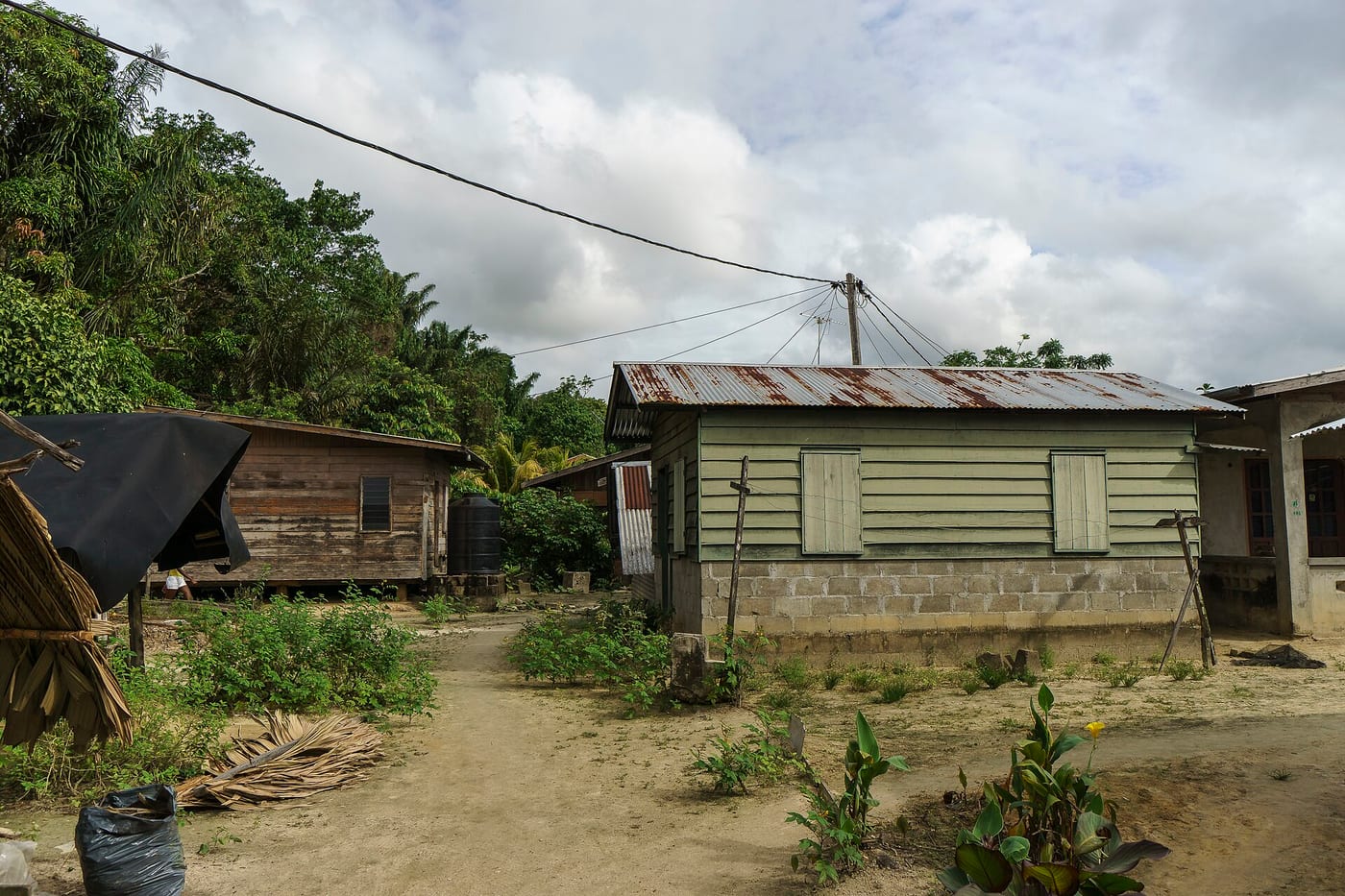
Maroon communities are descended from people who escaped plantation slavery and built independent societies in the interior. Visits with a guide may include traditional houses, crafts and village life.
Photo: Dan Sloan · CC BY-SA 2.0 · Wikimedia Commons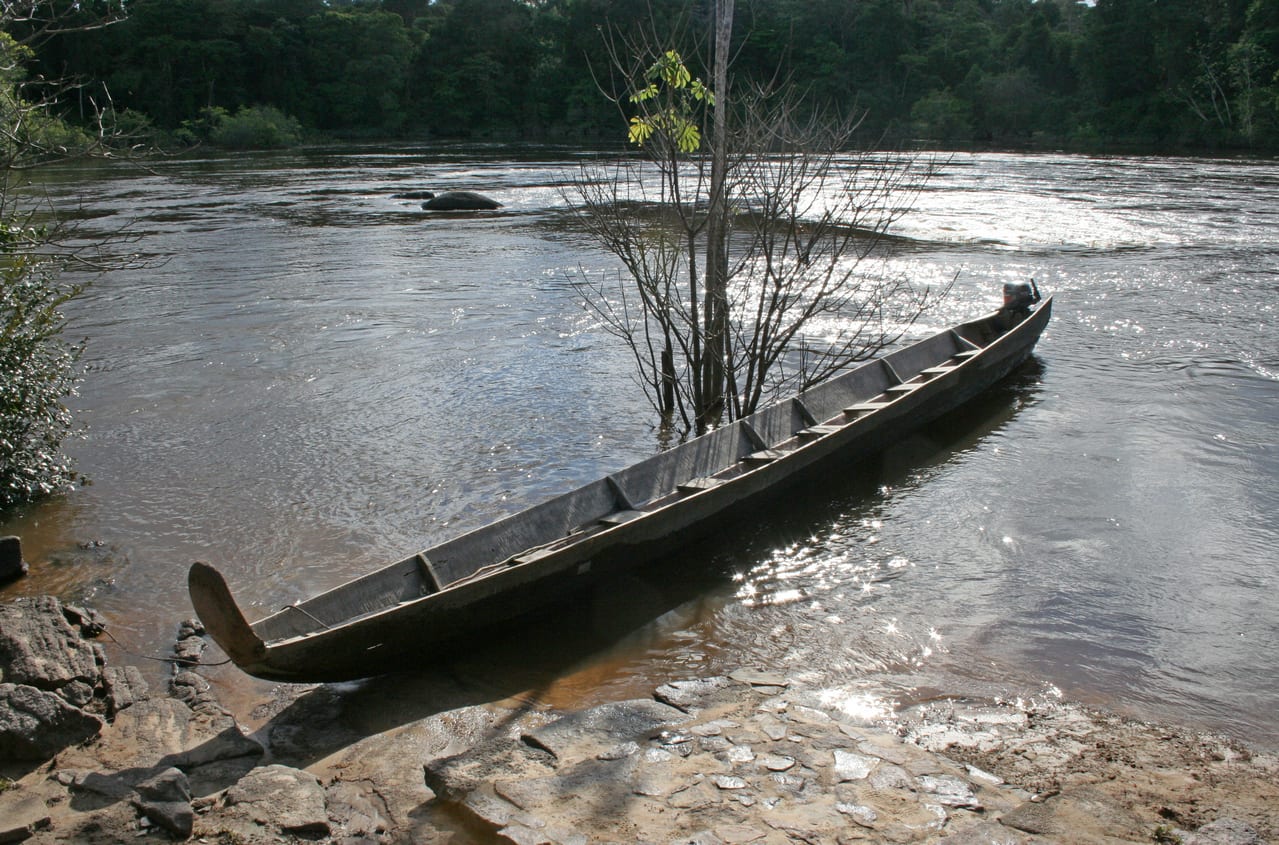
Long dugout canoes, now usually fitted with outboard motors, are the everyday transport on the rivers. Boatmen read the rapids with great skill, so follow their seating instructions.
Photo: Jan Willem Broekema from Leiden, The Netherlands · CC BY-SA 2.0 · Wikimedia Commons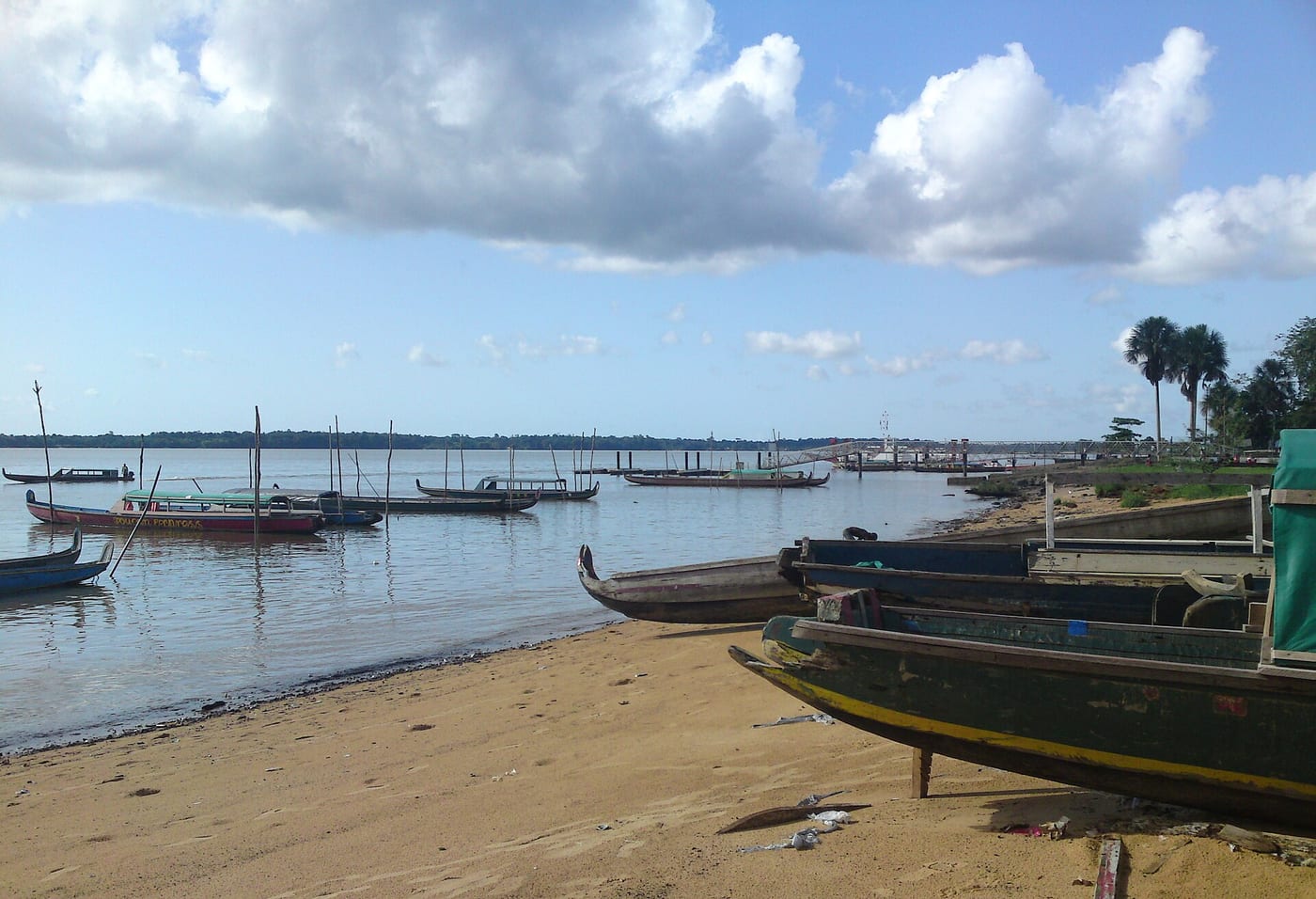
The river that forms the border with French Guiana, lined with villages on both banks. Albina, on the Suriname side, is the main crossing point.
Photo: Maarten van der Bent · CC BY-SA 2.0 · Wikimedia CommonsEntry requirements, visas, health advice and safety conditions change. Before you travel, check Smartraveller and the official sources of each country.