Narrow, mountain-walled passages where the ship threads between icebergs and floating ice, some of the most memorable scenery of an Antarctic voyage.
Ship cruising through the channels is usually built into the days along the Peninsula, often between landings. Whether a channel can be navigated depends on ice and wind on the day, and the captain may turn back if it is blocked. Dress warmly and spend time on the open decks, as the scenery changes quickly. Zodiac cruises among grounded icebergs are often offered where it is safe.
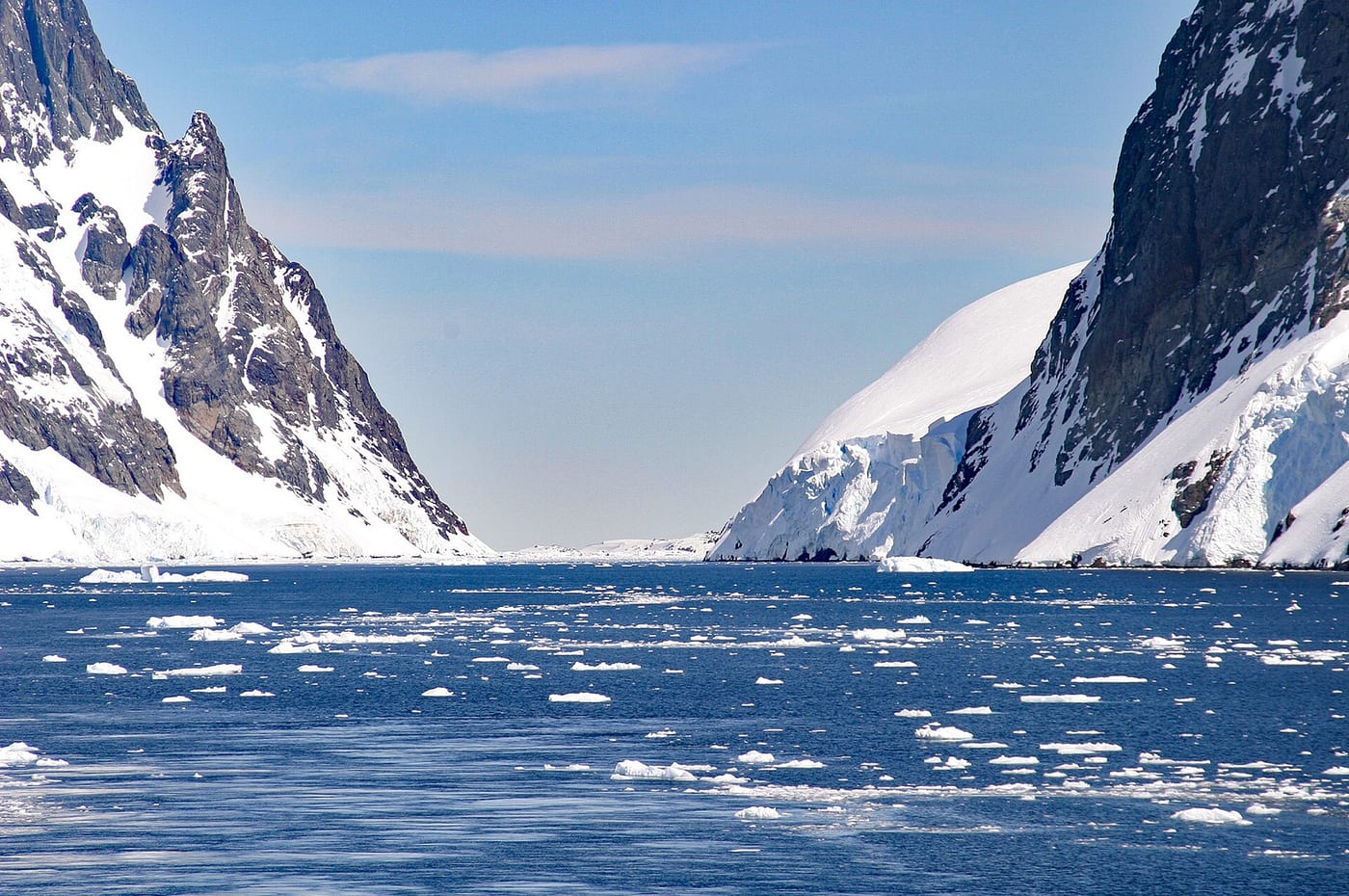
A passage about 11 kilometres long between steep peaks and glaciers, so narrow in places that it seems the ship cannot fit. It can be blocked by ice, so its transit is never assured.
Photo: W. Bulach · CC BY-SA 4.0 · Wikimedia Commons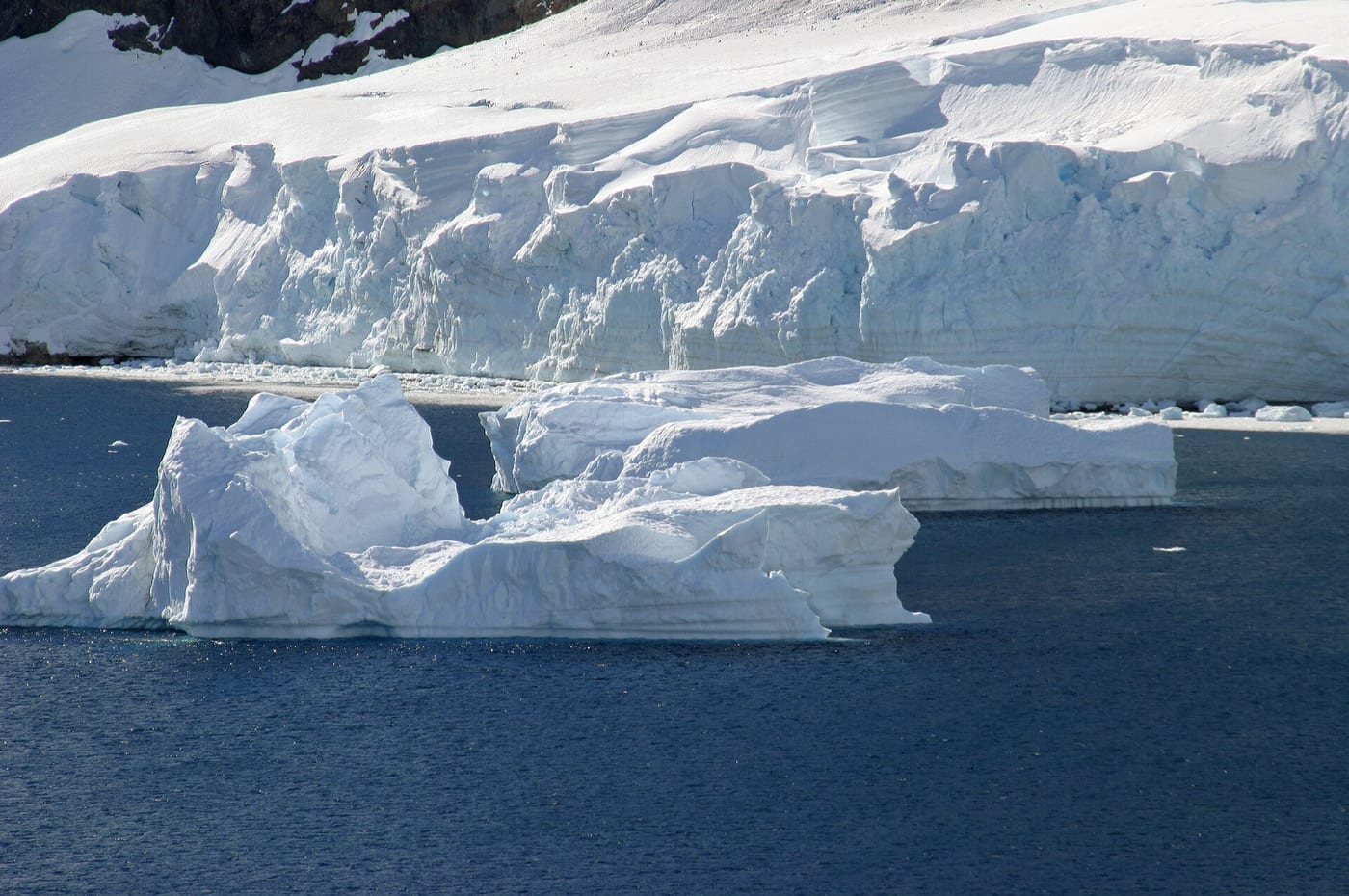
A winding channel between Anvers and Wiencke islands, lined with glaciers and leading to Port Lockroy. Watch for seals resting on floating ice along the way.
Photo: W. Bulach · CC BY-SA 4.0 · Wikimedia Commons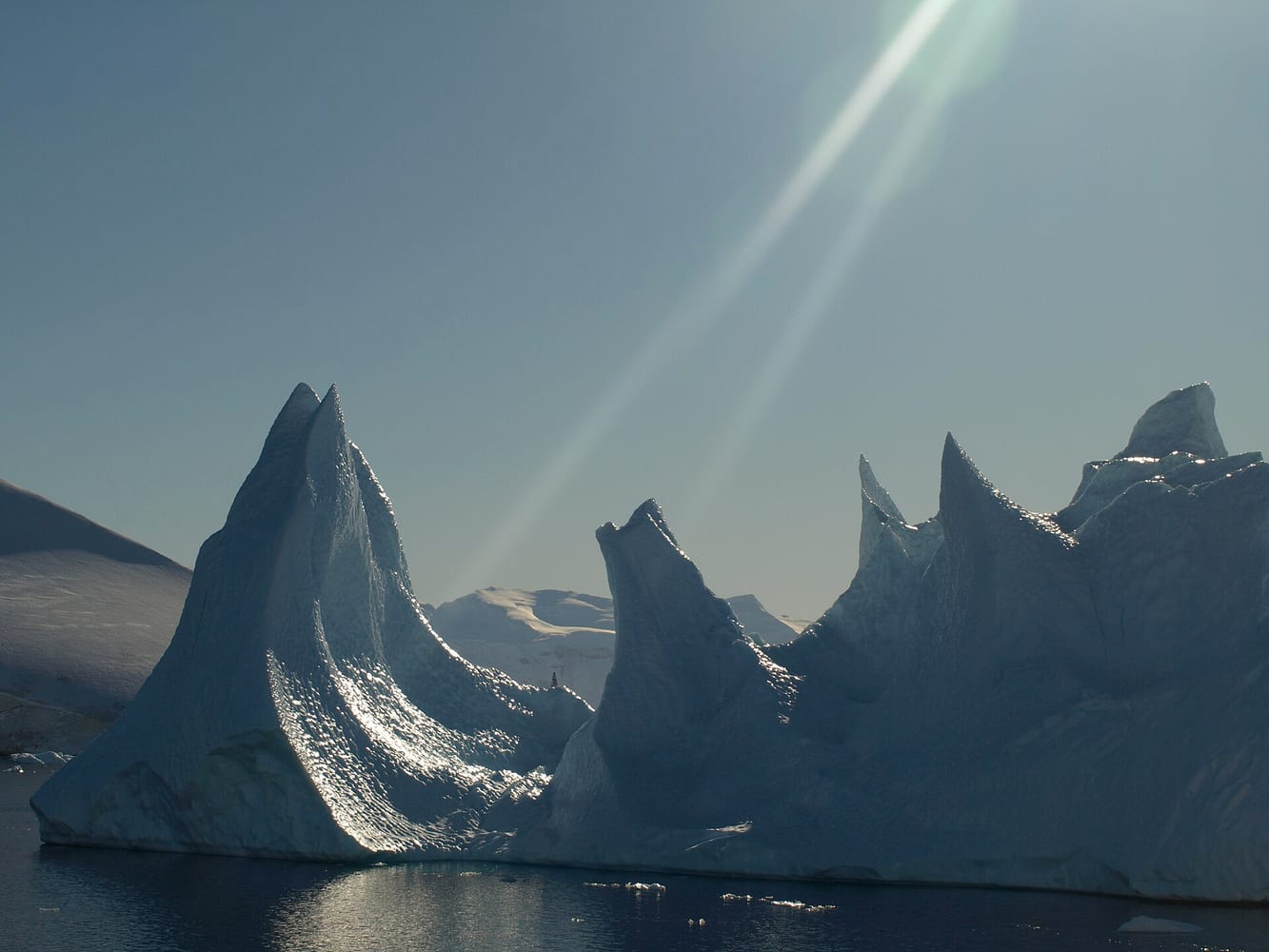
The broad strait that separates the Palmer Archipelago from the Peninsula and links many of the main landing sites. It is a good place to look out for humpback and minke whales.
Photo: Rachel Milford · CC BY-SA 3.0 · Wikimedia Commons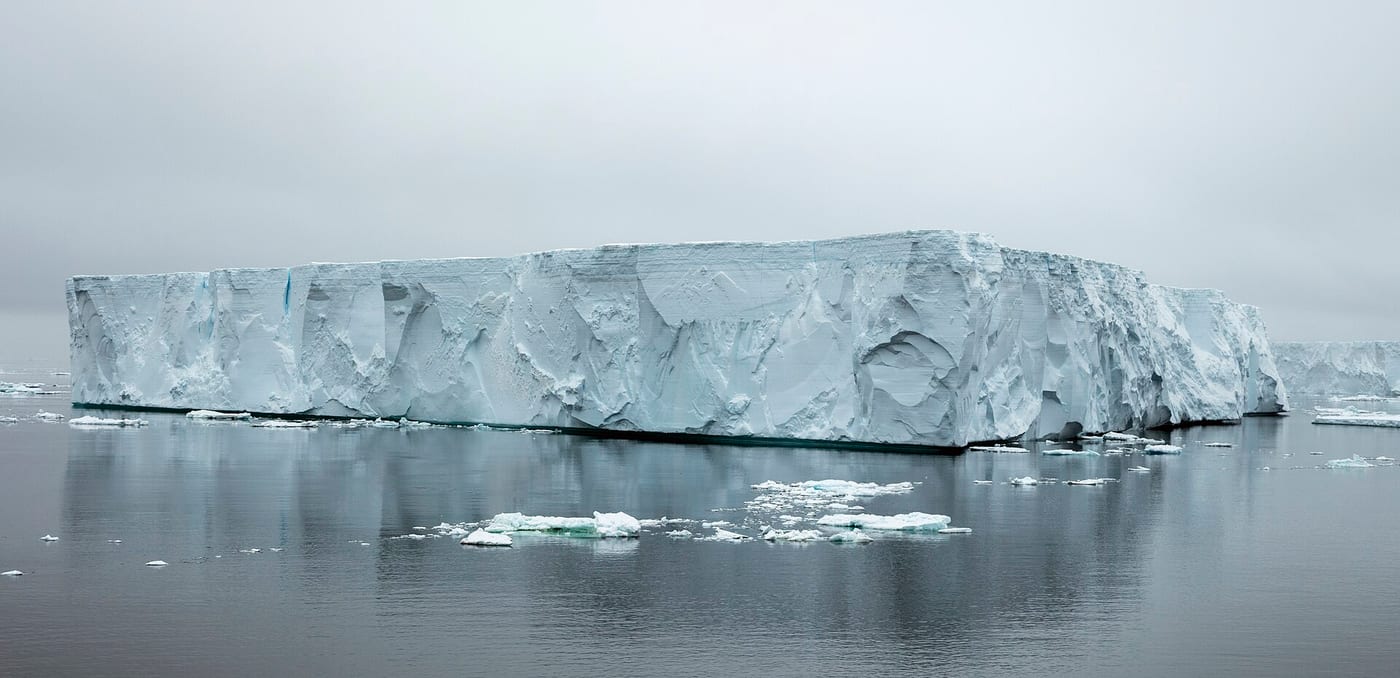
At the northern tip of the Peninsula, this sound is known for large flat-topped tabular icebergs that have drifted from the Weddell Sea. Some itineraries sail here when ice conditions on the eastern side allow.
Photo: Godot13 · CC BY-SA 4.0 · Wikimedia Commons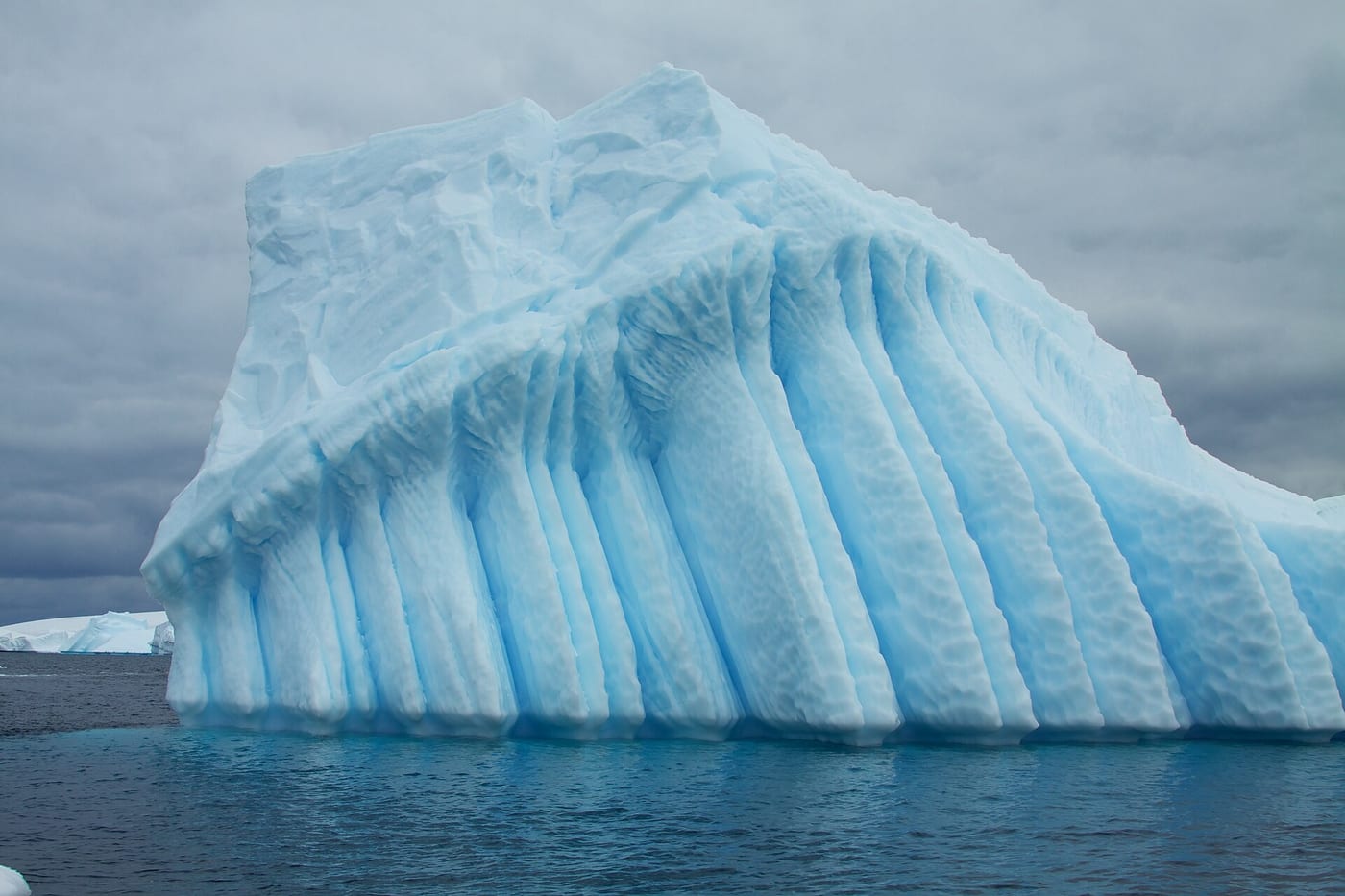
Near Pléneau Island, icebergs that have grounded in shallow water form a so-called iceberg graveyard of arches and sculpted shapes. It is often explored by Zodiac rather than on foot.
Photo: McKay Savage (https://www.flickr.com/people/mckaysavage/) · CC BY 2.0 · Wikimedia CommonsEntry requirements, visas, health advice and safety conditions change. Before you travel, check Smartraveller and the official sources of each country.