An expedition voyage is the usual way to experience Antarctica: days at sea with seabirds and lectures, then ice-filled bays explored by ship and Zodiac.
Antarctic voyages are run by expedition operators with ice-strengthened ships, experienced crews and teams of guides and naturalists. When choosing a voyage, compare ship size, the number of passengers allowed ashore at a time, the days actually spent in Antarctica and whether the Drake Passage is crossed by sea or by air. Book well ahead for the peak months of December and January. Travel insurance that covers medical evacuation from remote areas is a sensible part of planning.
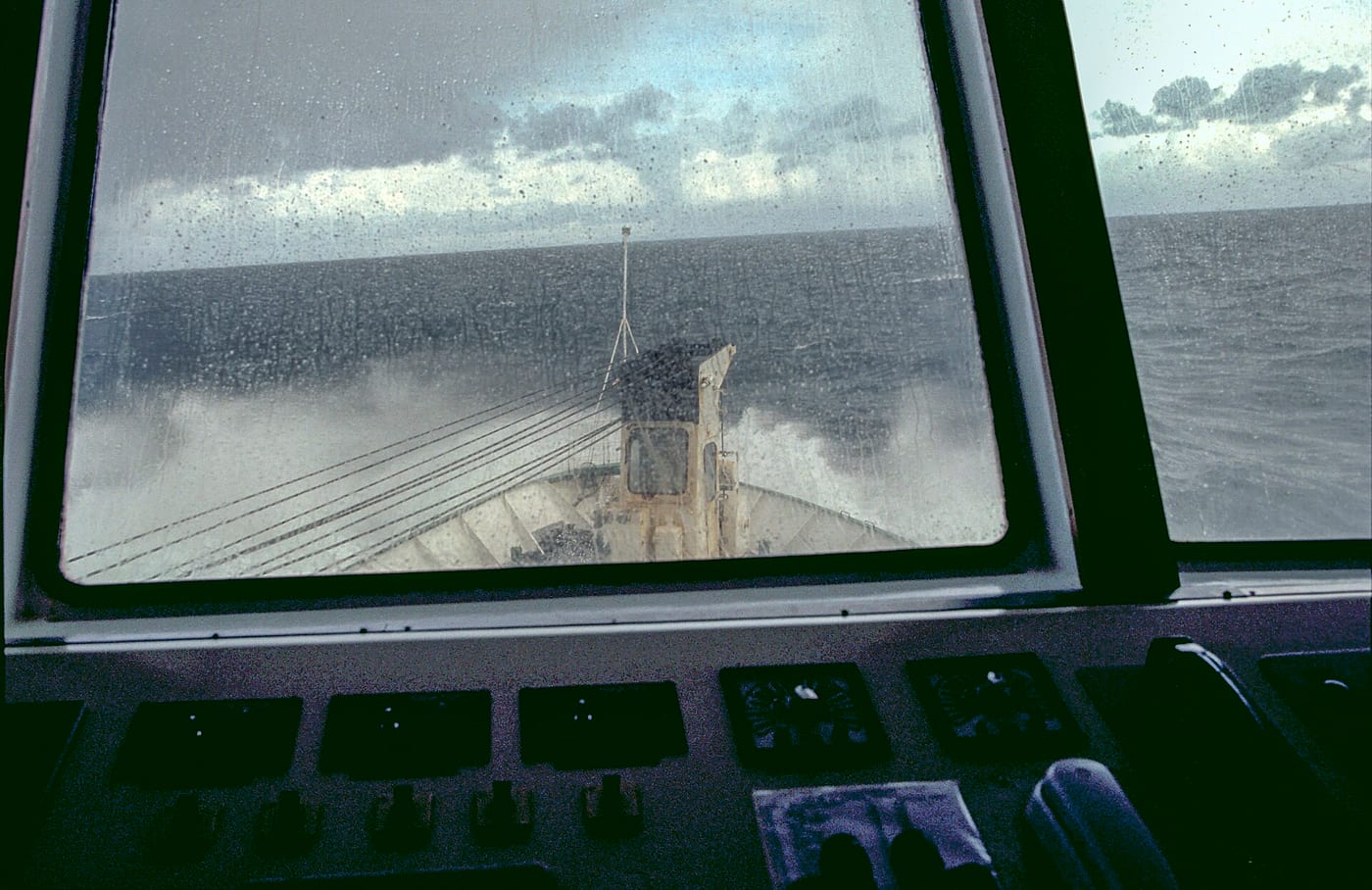
The stretch of ocean between Cape Horn and the South Shetlands, crossed in about two days each way. It can be calm or rough, so bring seasickness remedies and follow the crew’s advice about moving around the ship.
Photo: Jerzy Strzelecki · CC BY-SA 3.0 · Wikimedia Commons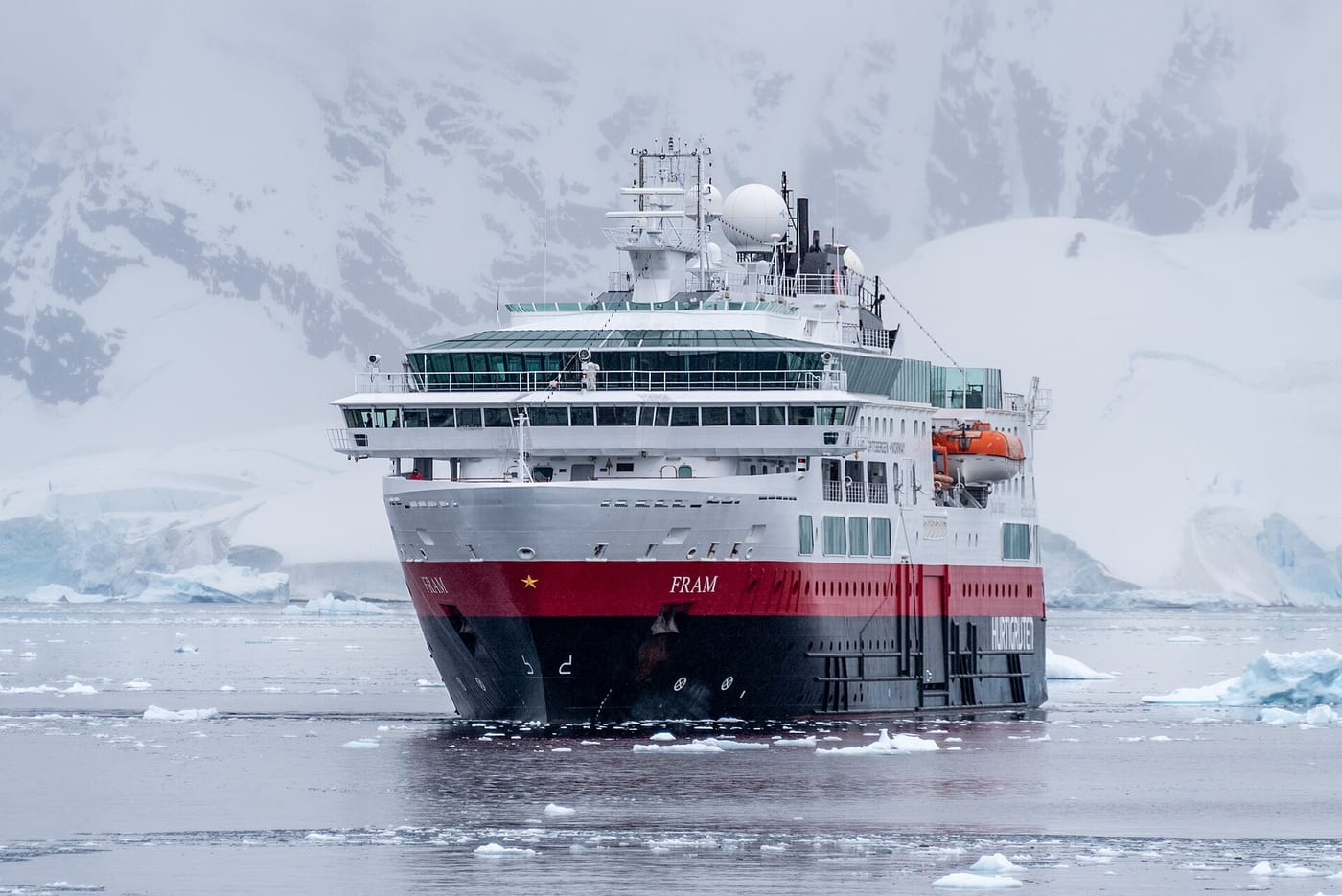
Expedition ships range from small vessels to larger ships, usually with lecture rooms, open decks and a mudroom for landing gear. Smaller ships generally allow more time ashore per passenger.
Photo: Gordon Leggett · CC BY-SA 4.0 · Wikimedia Commons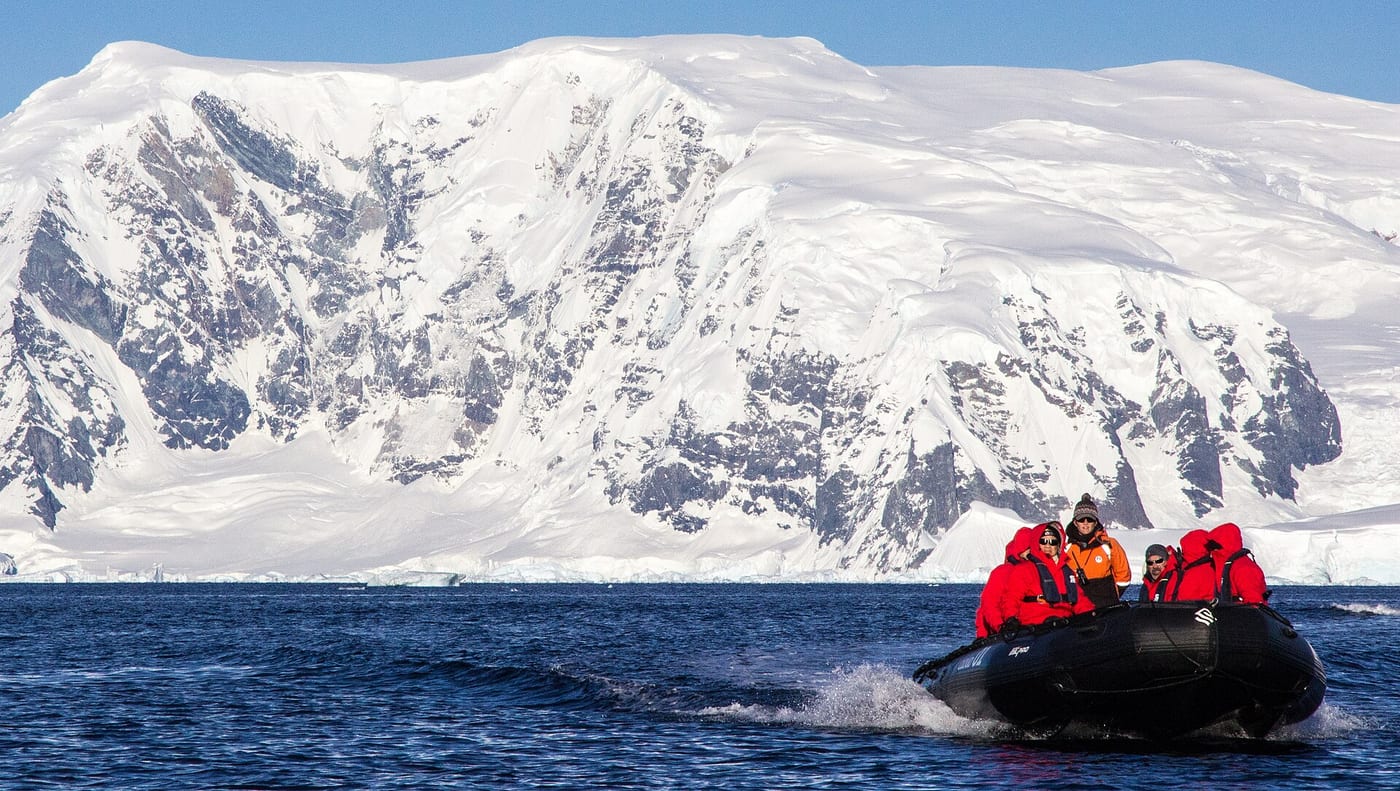
Sturdy inflatable boats carry passengers ashore and on cruises among icebergs and wildlife. Crews help you in and out, and a life jacket is always worn.
Photo: Gary Bembridge from London, UK · CC BY 2.0 · Wikimedia Commons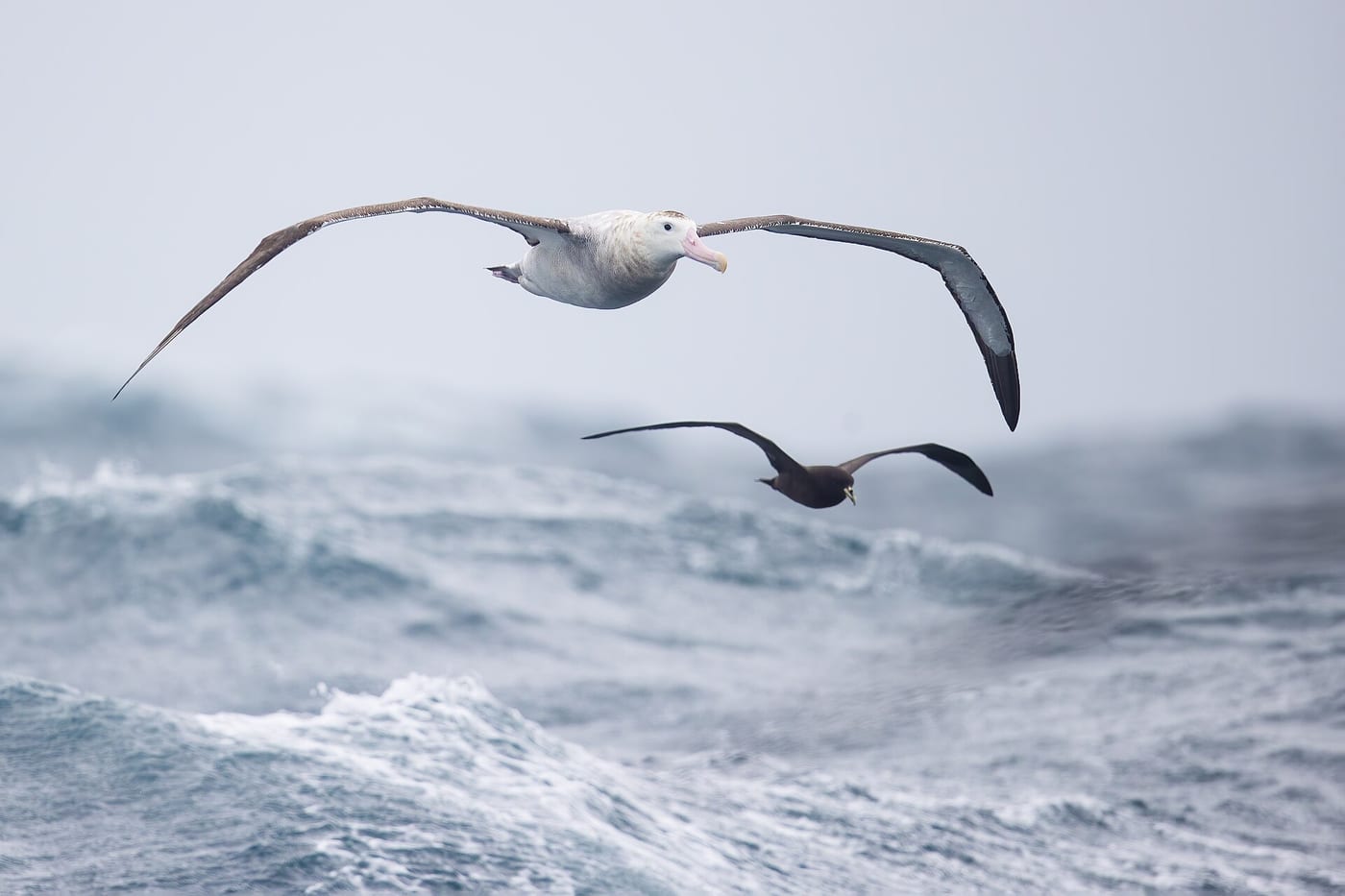
Several kinds of albatross and petrels follow ships across the Southern Ocean, gliding on long wings with hardly a wing beat. The days at sea are a good time to watch them from the stern.
Photo: JJ Harrison · CC BY-SA 3.0 · Wikimedia Commons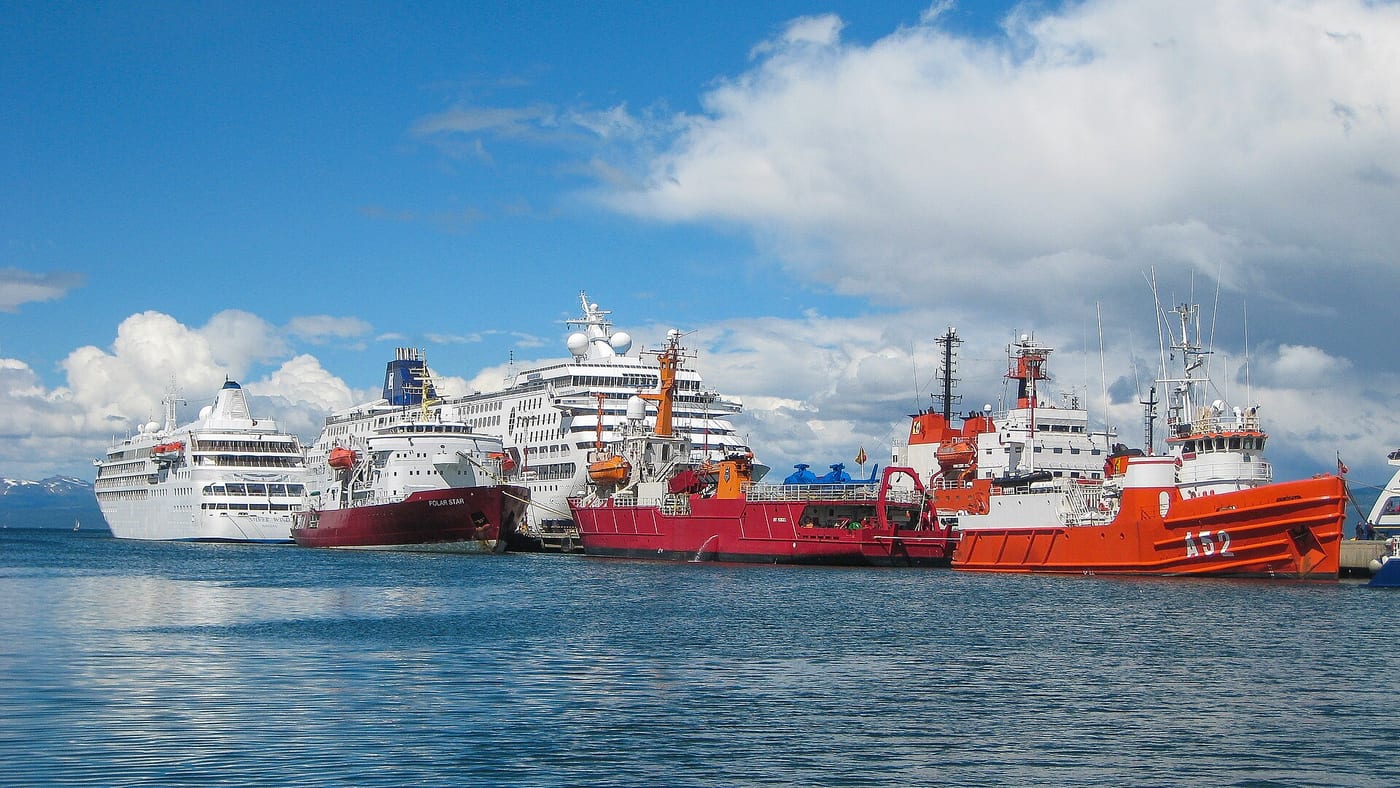
The Argentine port on the Beagle Channel is where most Antarctic voyages begin and end. Plan to arrive at least a day before departure in case of flight delays.
Photo: Arild Vågen · CC BY-SA 3.0 · Wikimedia CommonsEntry requirements, visas, health advice and safety conditions change. Before you travel, check Smartraveller and the official sources of each country.