Penguin colonies, seals hauled out on the ice and whales feeding close to the ship: Antarctic wildlife is the reason many travellers make the journey south.
Landings are made by Zodiac at sites chosen each day by the expedition team, usually one or two per day when weather allows. Time ashore is limited and visitors keep a set distance from the animals, which have right of way. Choose a ship with a small number of passengers if you want more time on land, as the number of people ashore at once is restricted. Naturalists on board give briefings and talks that help you understand what you are seeing.
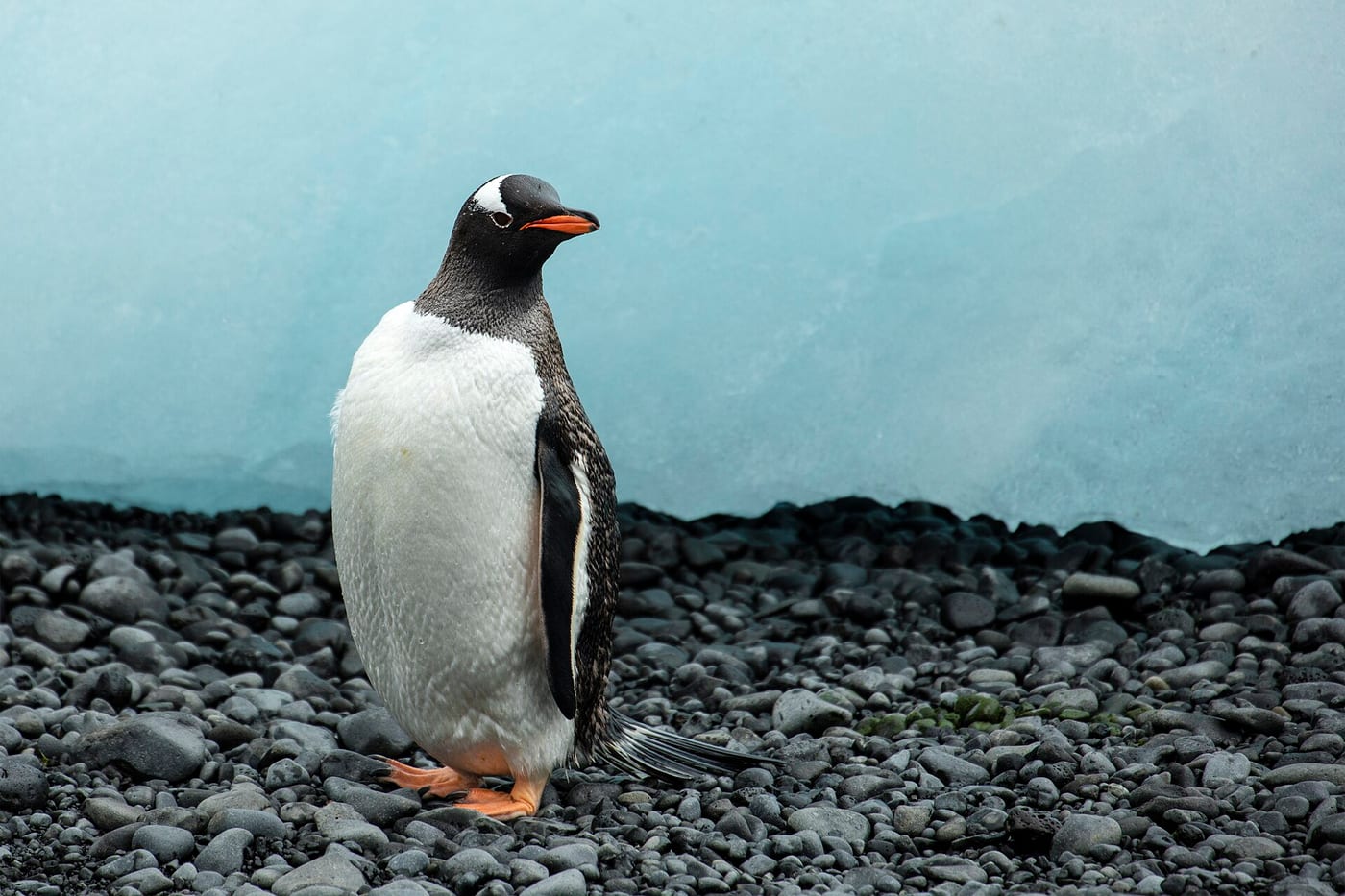
Recognised by the white patch above the eye and the bright orange bill, gentoos are the penguins seen at many Peninsula landings. Sit quietly at a distance and they often carry on with their routine around you.
Photo: Godot13 · CC BY-SA 4.0 · Wikimedia Commons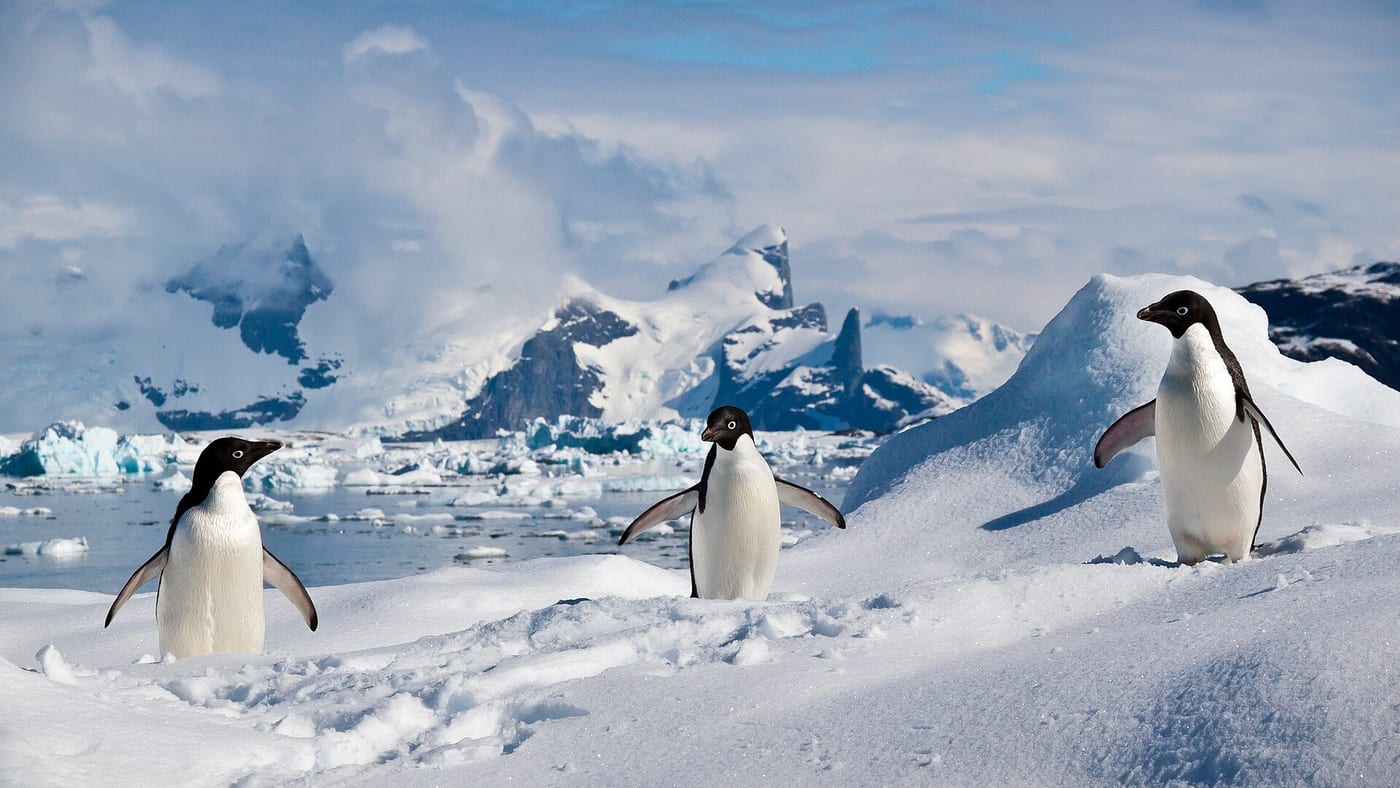
The classic black-and-white penguin with a white eye ring, found mostly at the more southerly or colder sites. Seeing them depends on how far south the ship can travel.
Photo: ravas51 · CC BY-SA 2.0 · Wikimedia Commons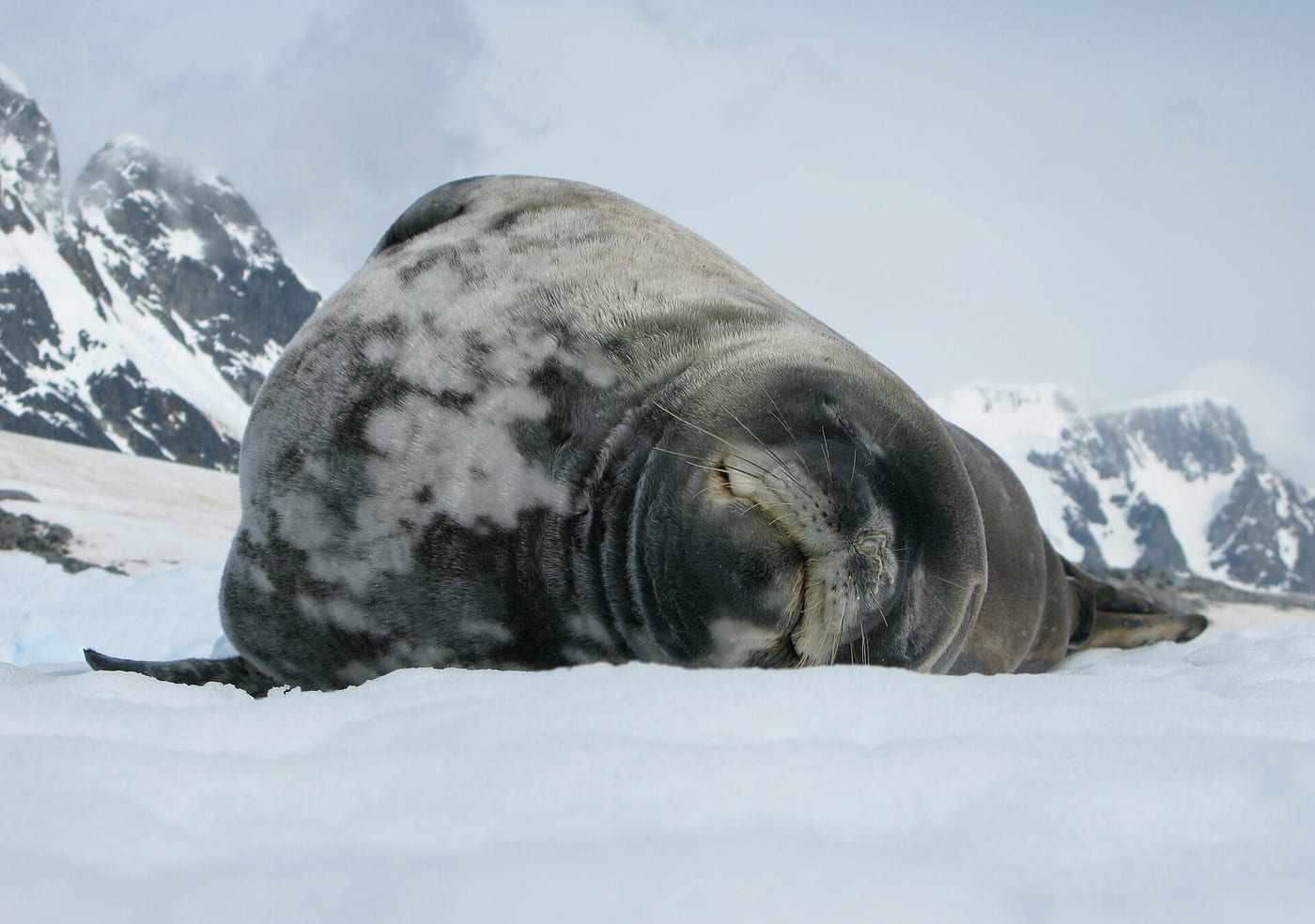
A large, round-faced seal that often lies on the ice or beaches looking very relaxed. Keep the recommended distance even when it seems asleep.
Photo: Butterfly austral · CC BY-SA 3.0 · Wikimedia Commons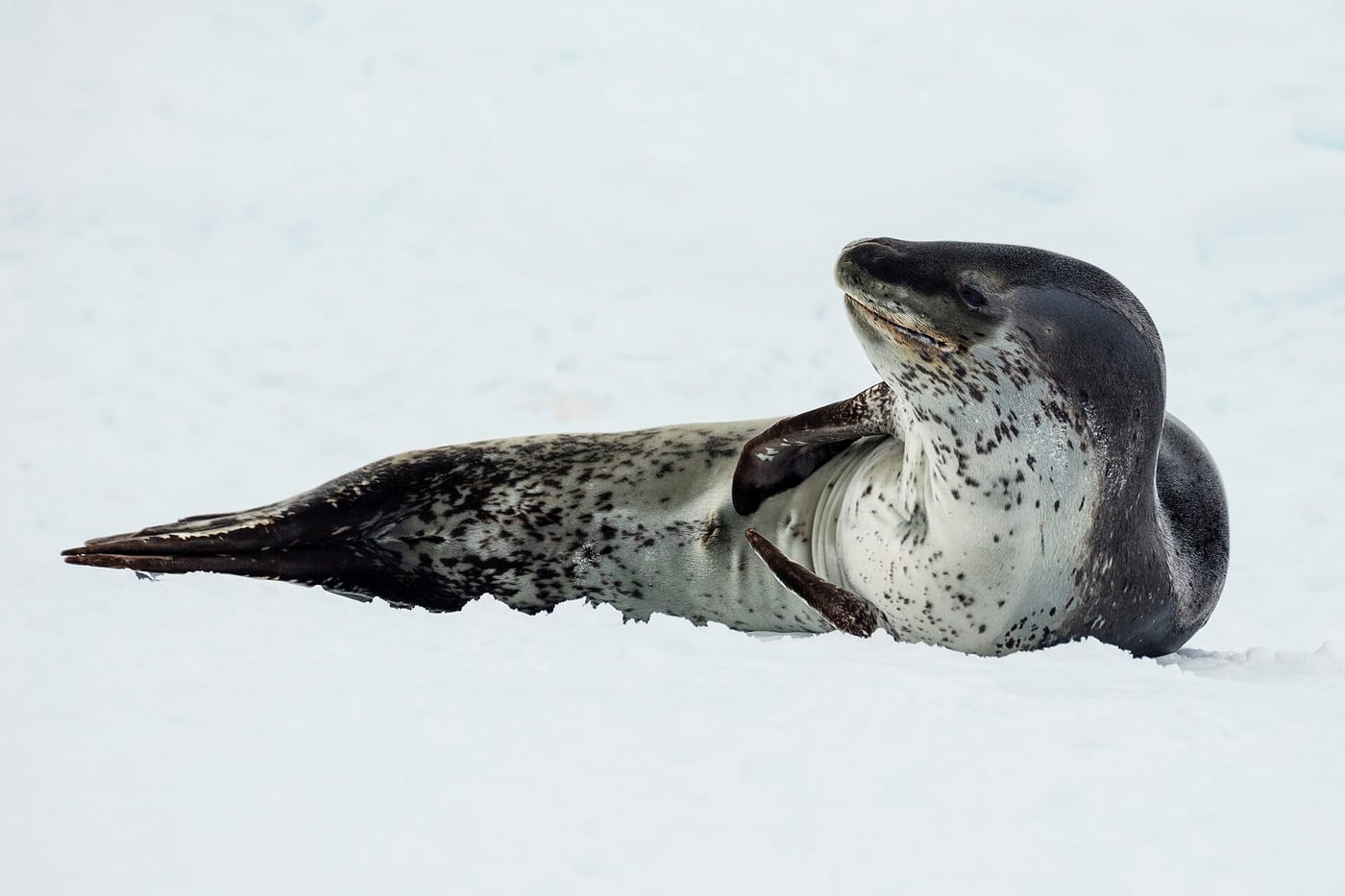
A powerful predator with a long head and spotted coat, often seen resting on floating ice near penguin colonies. Sightings are usually from the Zodiac or the ship rather than on shore.
Photo: Godot13 · CC BY-SA 4.0 · Wikimedia Commons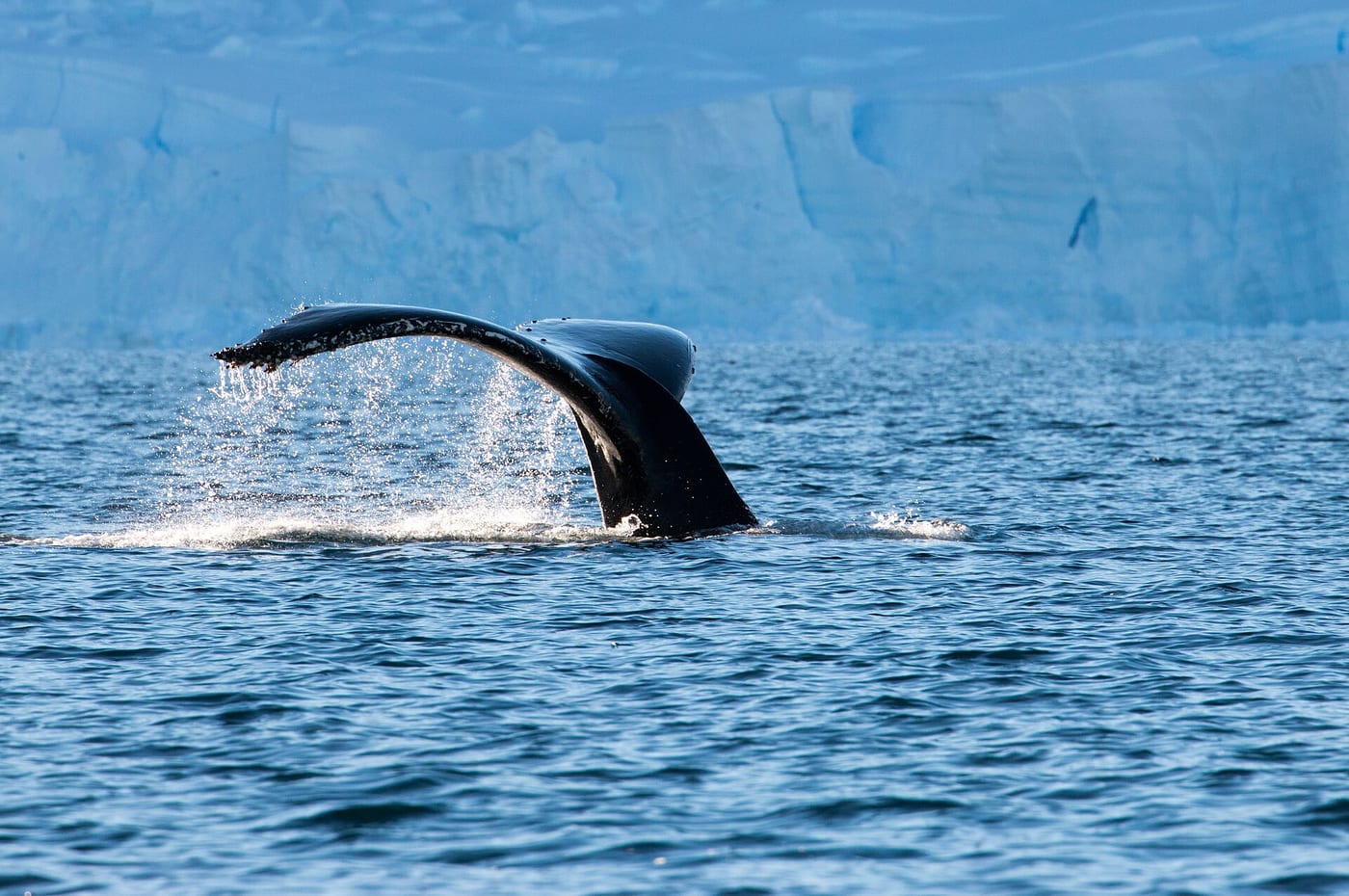
Humpbacks come to Antarctic waters in summer to feed and are often seen from the ship and Zodiacs, especially later in the season. Have your camera ready when the expedition team calls a sighting.
Photo: Gary Bembridge from London, UK · CC BY 2.0 · Wikimedia CommonsEntry requirements, visas, health advice and safety conditions change. Before you travel, check Smartraveller and the official sources of each country.