A snow-capped volcanic cone rising from high Andean grasslands south of Quito, the centrepiece of one of Ecuador’s most visited national parks.
Cotopaxi National Park is about two hours south of Quito and is often visited on a day trip or with a night in a nearby hacienda. A typical visit includes the lookouts, a walk around Limpiopungo Lagoon and, conditions permitting, a hike towards the José Rivas refuge. The park lies above 3,500 metres, so allow time to adjust in Quito first; access can change with volcanic activity, so check the current situation before travel.
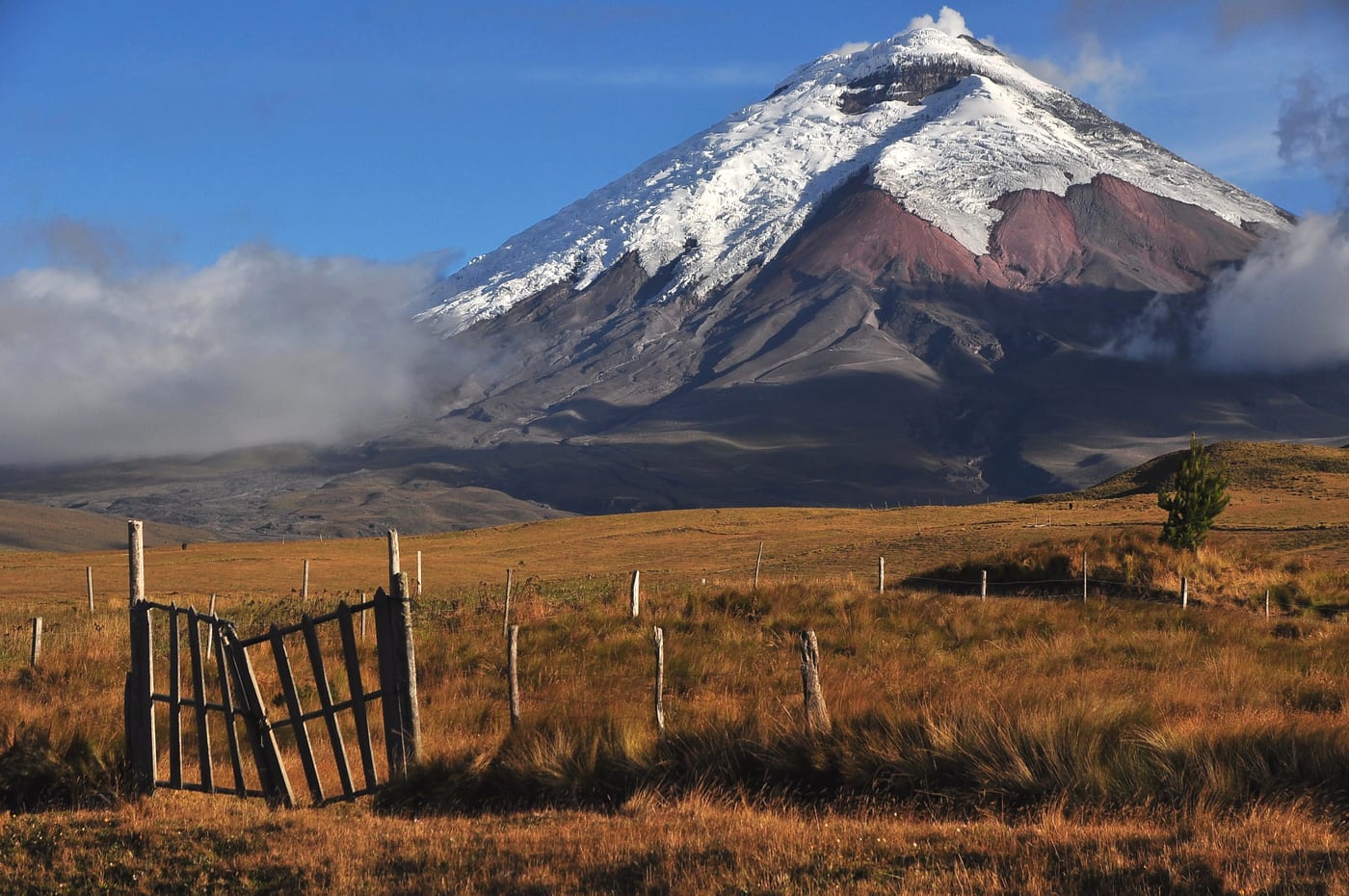
One of the highest active volcanoes in the world, with a near-symmetrical glaciated cone. Clear views are most likely early in the morning.
Photo: Rinaldo Wurglitsch from Vienna, Austria · CC BY 2.0 · Wikimedia Commons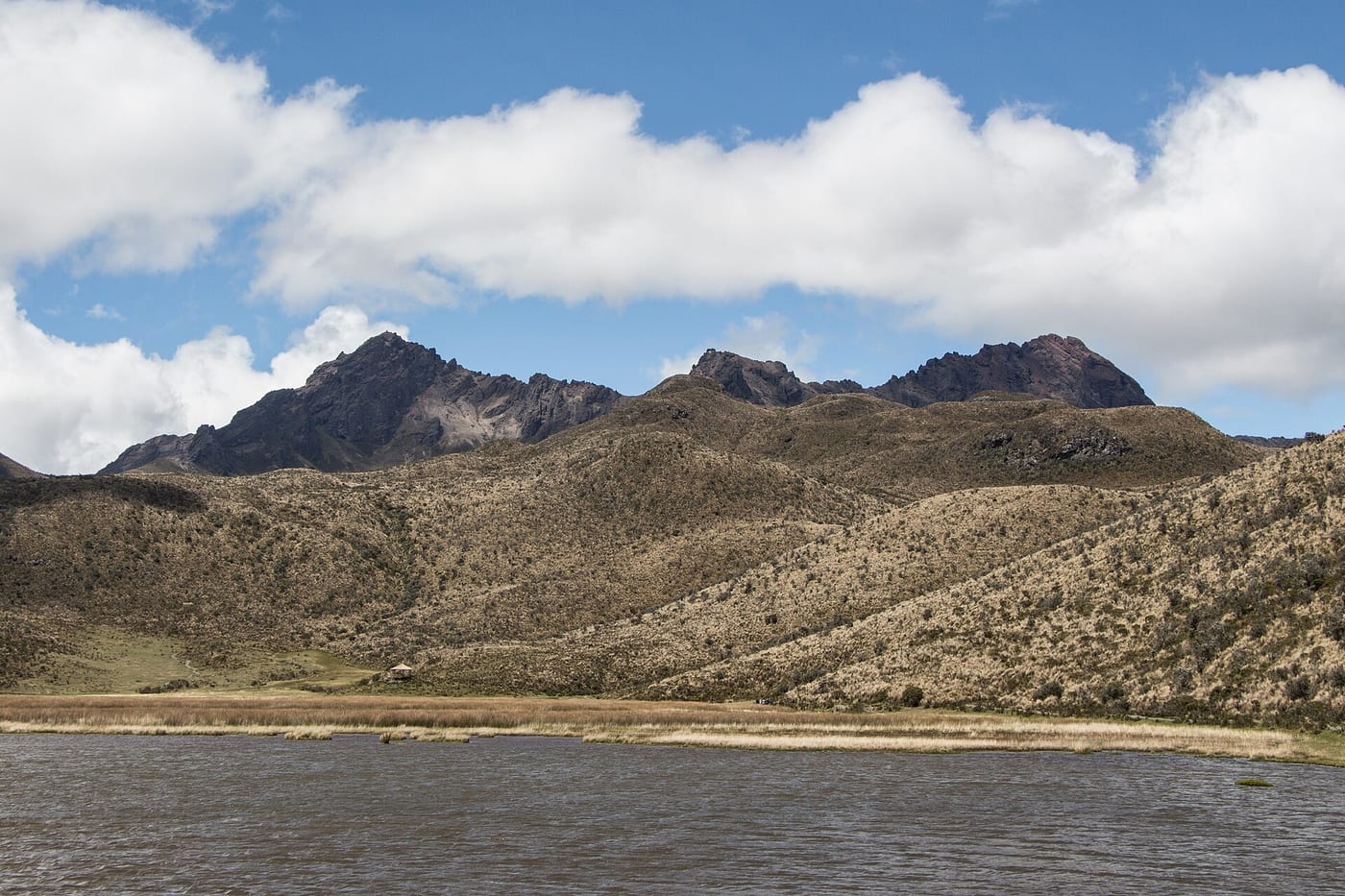
A shallow lagoon on the páramo with the volcano behind it, circled by an easy, mostly flat trail. Look for Andean gulls, ducks and other highland birds.
Photo: Bernard Gagnon · CC BY-SA 3.0 · Wikimedia Commons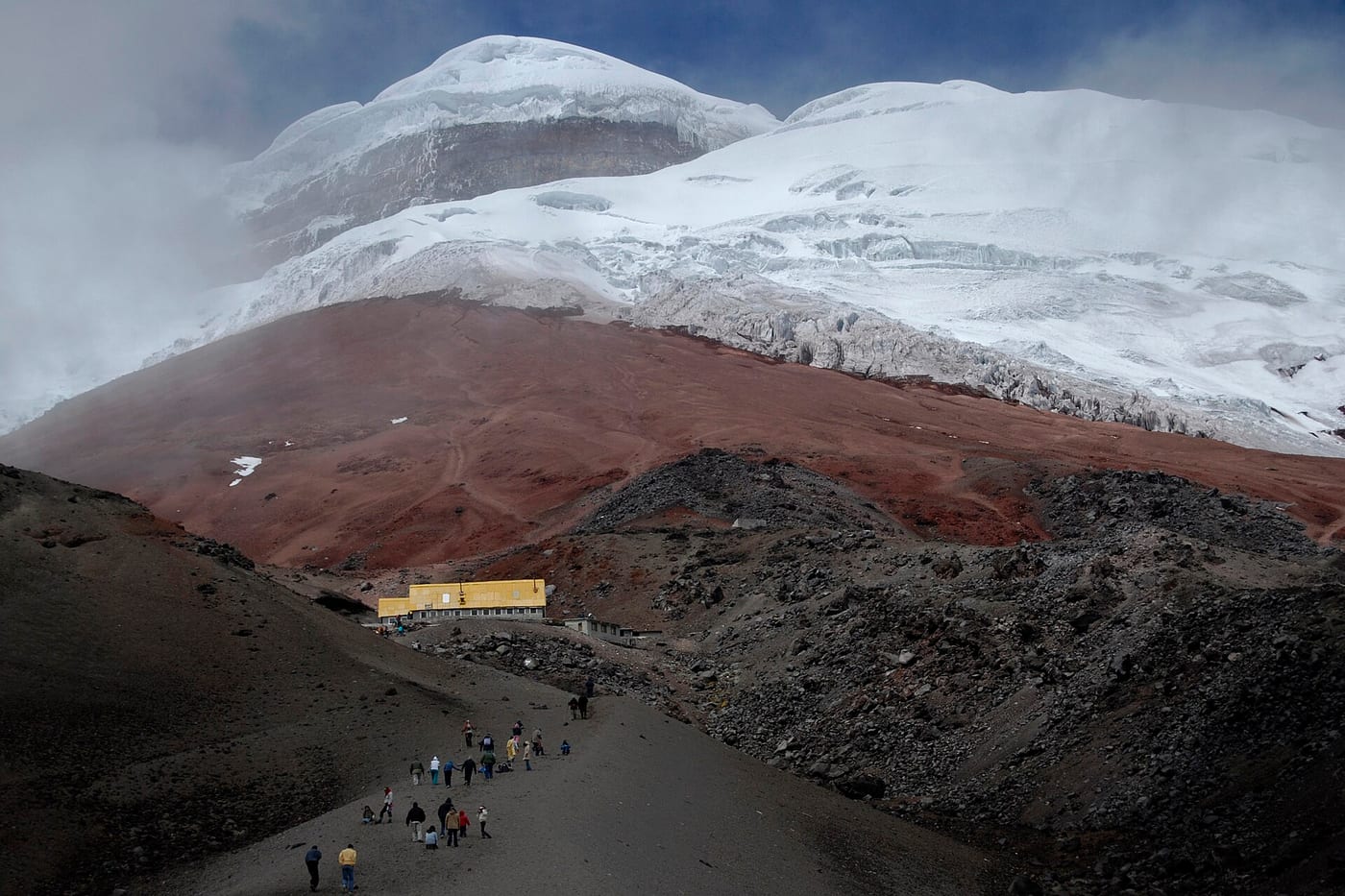
A mountain refuge on the volcano’s northern slope, reached from the upper car park by a steep walk through loose volcanic sand. Go slowly; at this altitude even short distances are tiring.
Photo: Geoff Gallice from Gainesville, FL, USA · CC BY 2.0 · Wikimedia Commons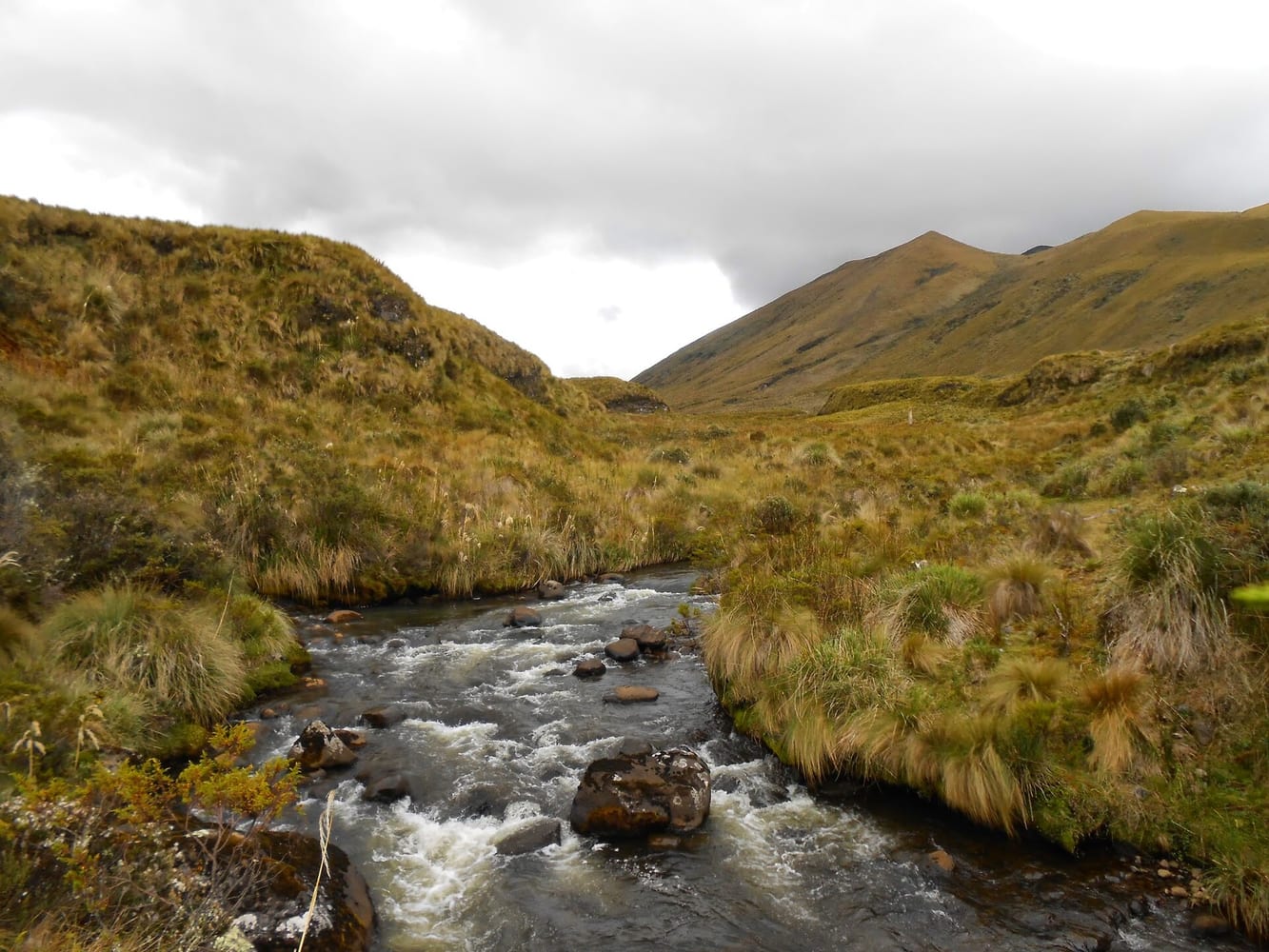
High-altitude grasslands of tussock, cushion plants and small flowers stretching around the volcano. Wild horses, deer and, with luck, Andean condors may be seen.
Photo: Cristian Paliz · CC BY-SA 3.0 · Wikimedia Commons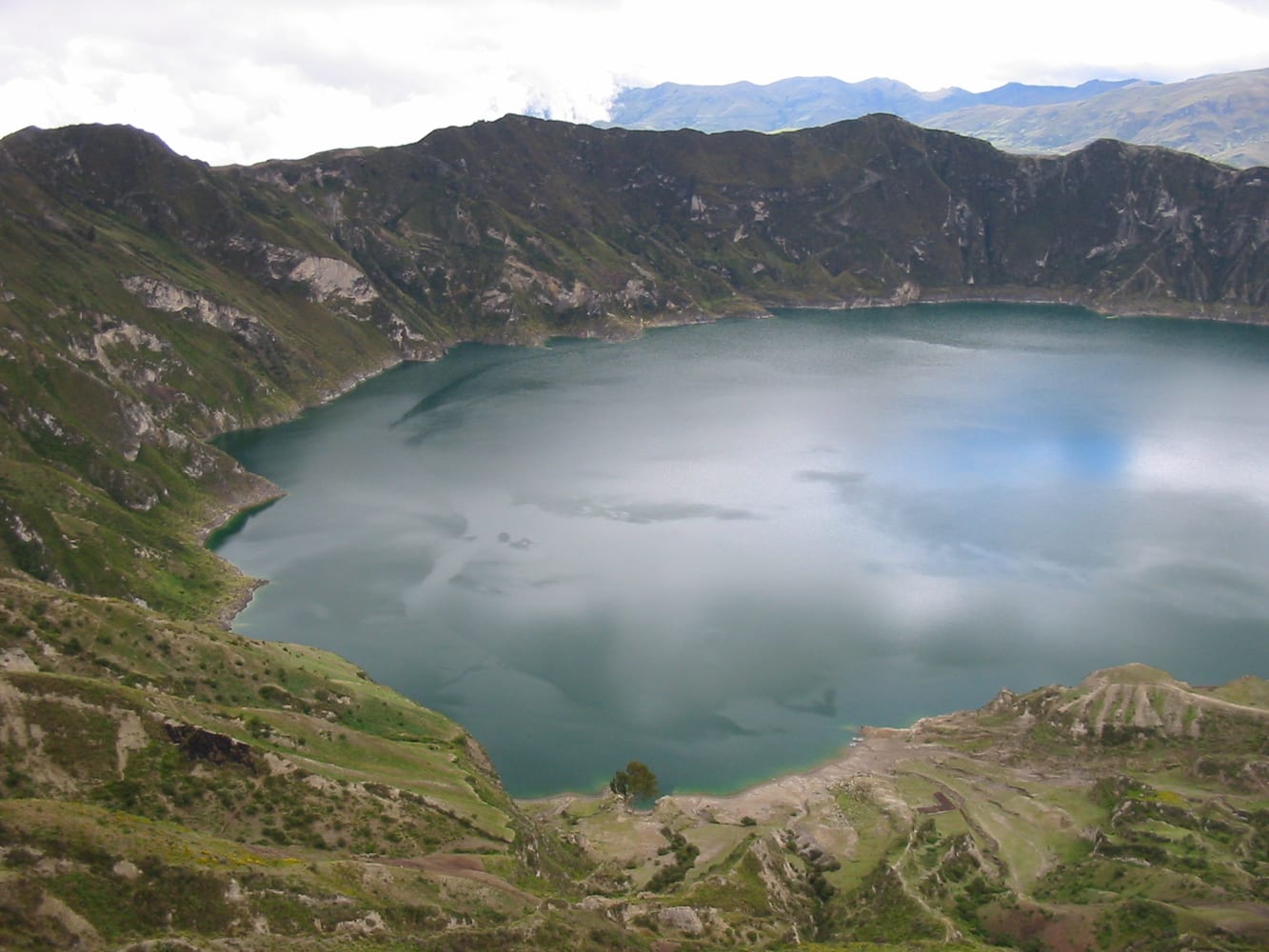
A turquoise lake filling a volcanic crater further south-west in Cotopaxi province. A path leads down to the water; the climb back up is steep, so allow plenty of time.
Photo: Unknown · CC BY-SA 3.0 · Wikimedia CommonsEntry requirements, visas, health advice and safety conditions change. Before you travel, check Smartraveller and the official sources of each country.