Volcanic islands far out in the Pacific where sea lions, iguanas, tortoises and seabirds live with little fear of people, a place that helped shape Darwin’s ideas on evolution.
The Galápagos are reached by flights from Quito or Guayaquil, and visited either on a small expedition cruise or from hotels on the inhabited islands with day trips by boat. Cruises reach more remote sites, while land-based stays are more flexible; both visit the national park with certified naturalist guides. Allow at least four or five days, and book well ahead, as visitor numbers and boat itineraries are regulated.
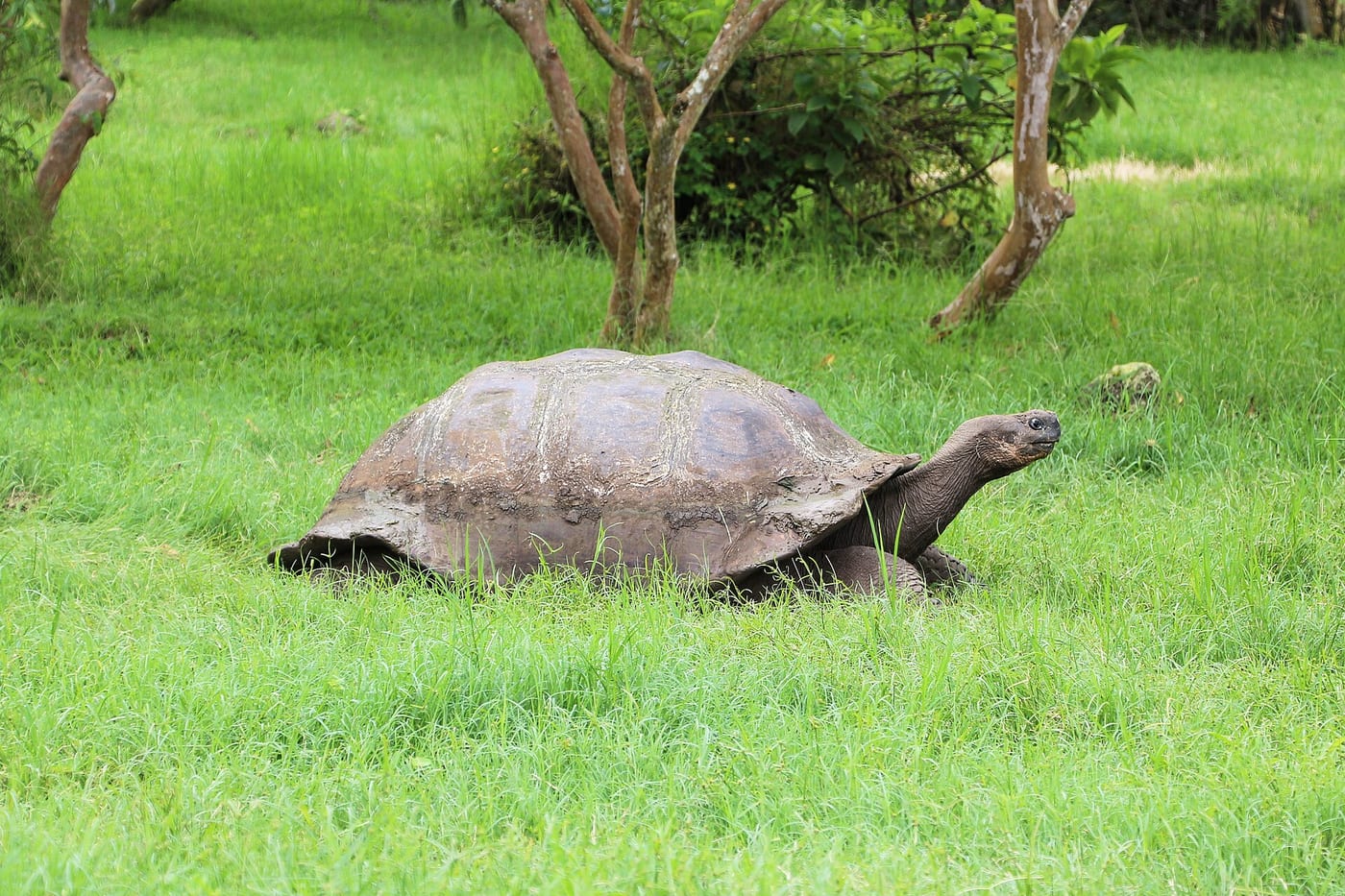
Giant tortoises can be seen grazing in the highlands of Santa Cruz and at breeding centres run by the national park. Keep the required distance and let them pass undisturbed.
Photo: Bernard Gagnon · CC BY-SA 4.0 · Wikimedia Commons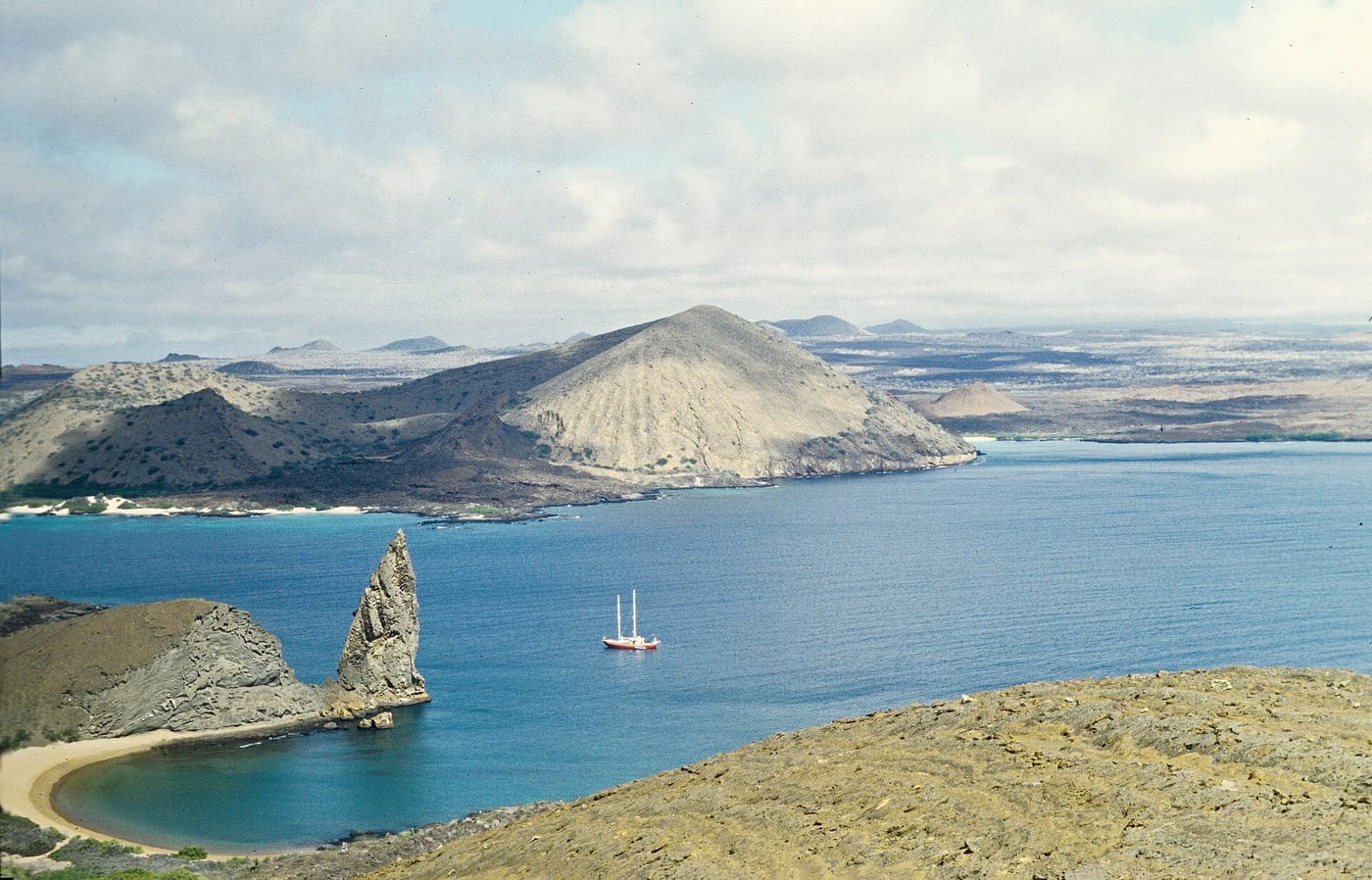
A small island with a boardwalk climbing to a lookout over Pinnacle Rock and two curved bays. Snorkelling nearby may bring encounters with Galápagos penguins.
Photo: Cayambe · CC BY-SA 3.0 · Wikimedia Commons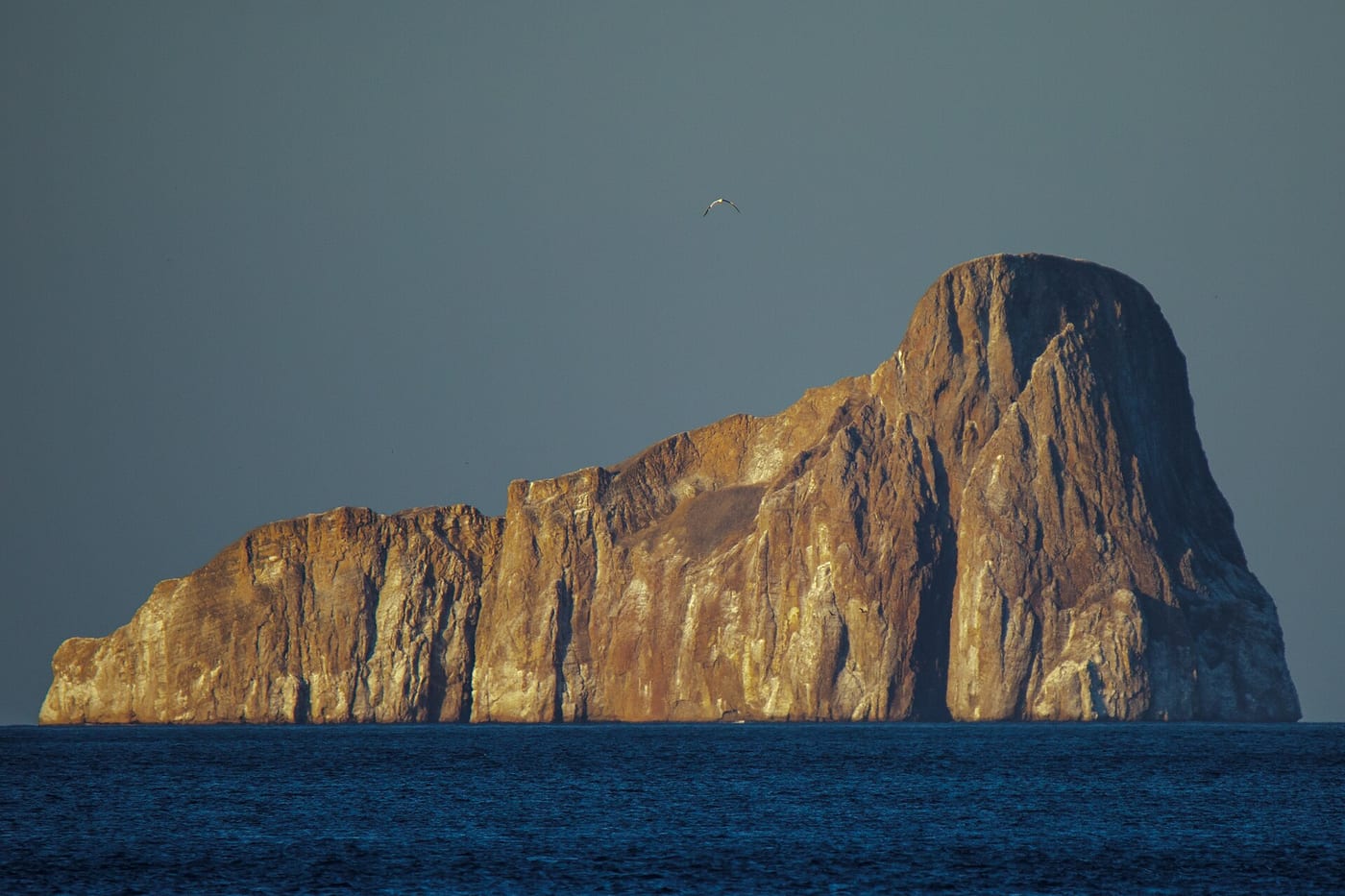
A tall, split rock rising from the sea off San Cristóbal, known as León Dormido in Spanish. Snorkelling and diving trips go there to see sea lions, rays, turtles and, at times, sharks.
Photo: Murray Foubister · CC BY-SA 2.0 · Wikimedia Commons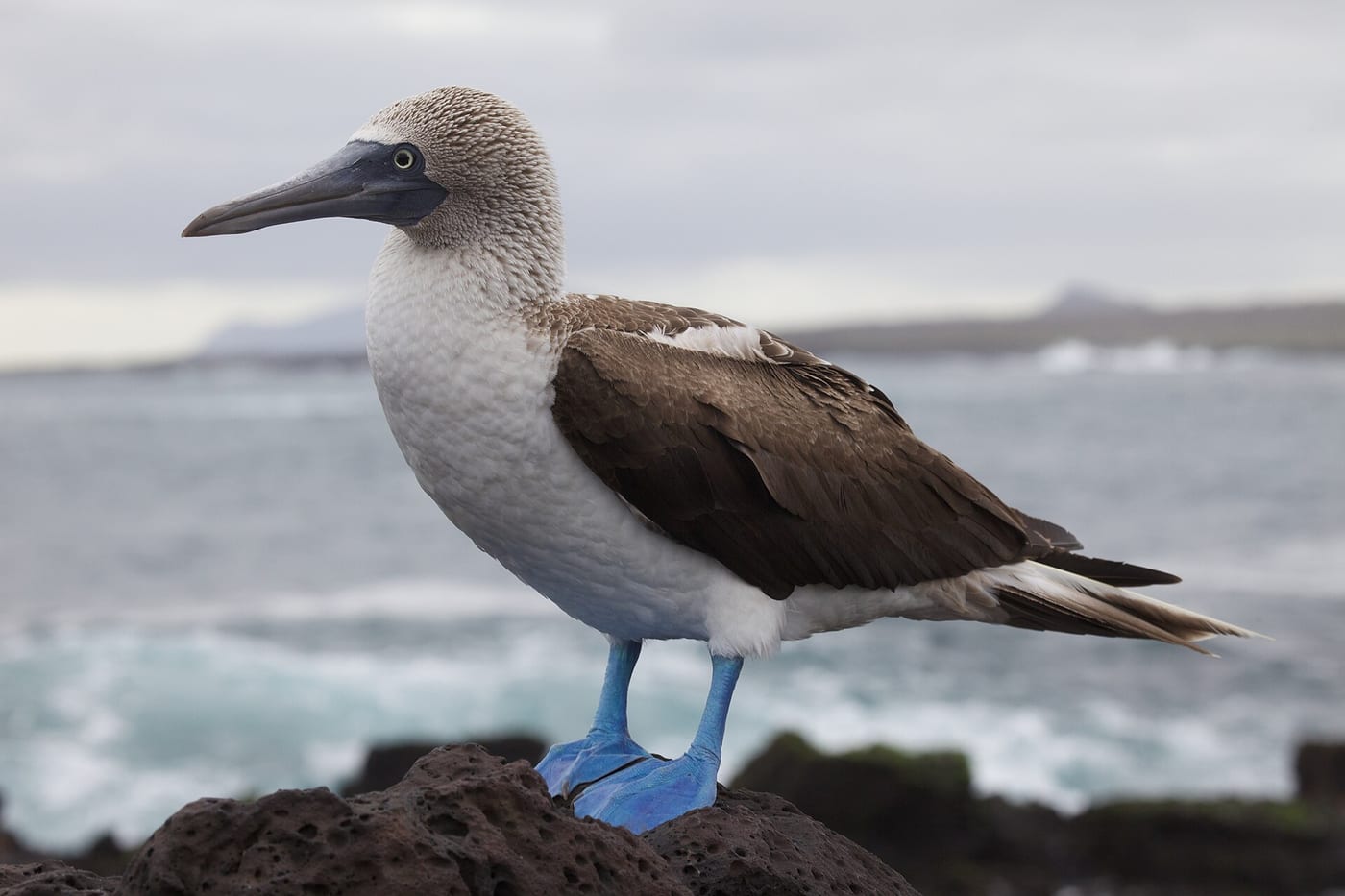
Seabirds famous for their bright blue feet and comic courtship display. They nest on the ground on several islands, so watch your step on the trails.
Photo: Ndecam from London, UK · CC BY 2.0 · Wikimedia Commons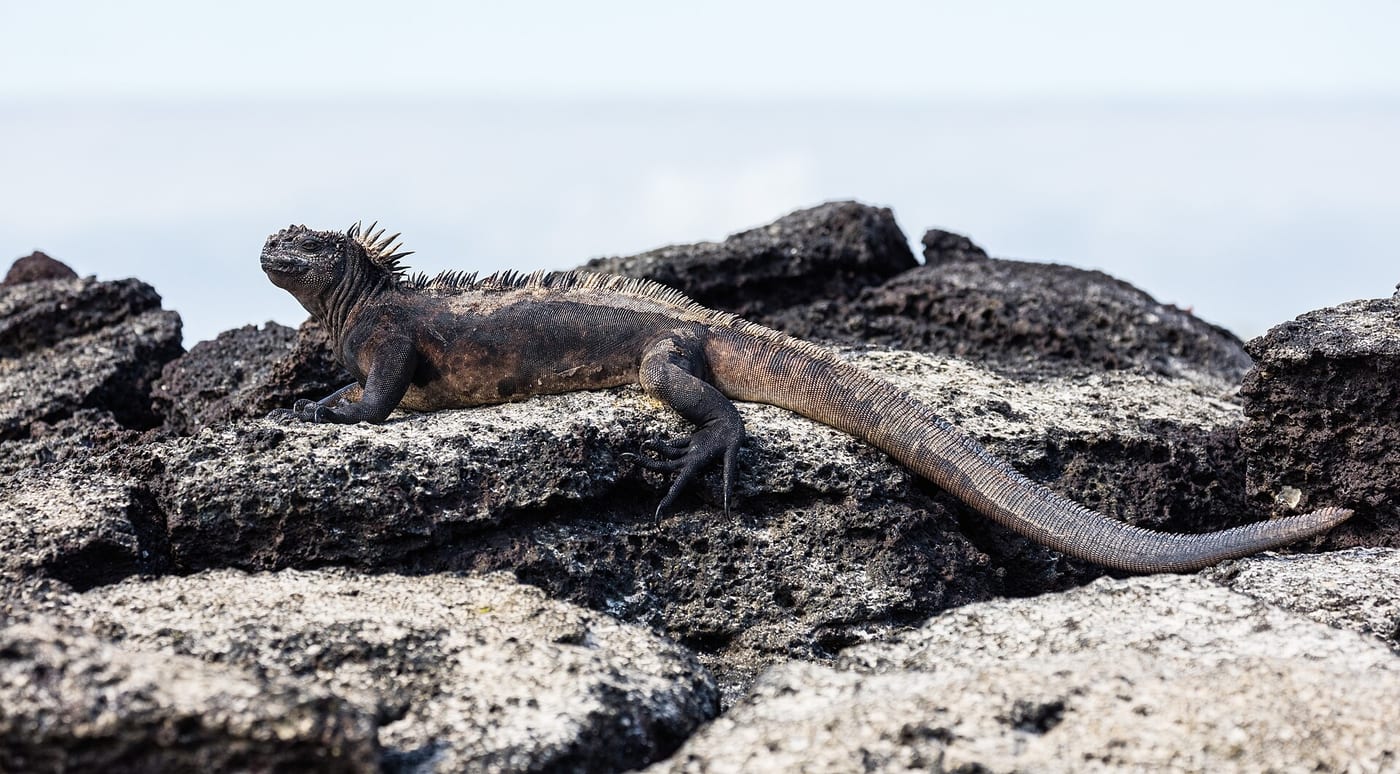
The only lizards in the world that feed in the sea, often seen piled together on black lava rocks warming in the sun. They are found on the shores of most islands.
Photo: Diego Delso · CC BY-SA 4.0 · Wikimedia Commons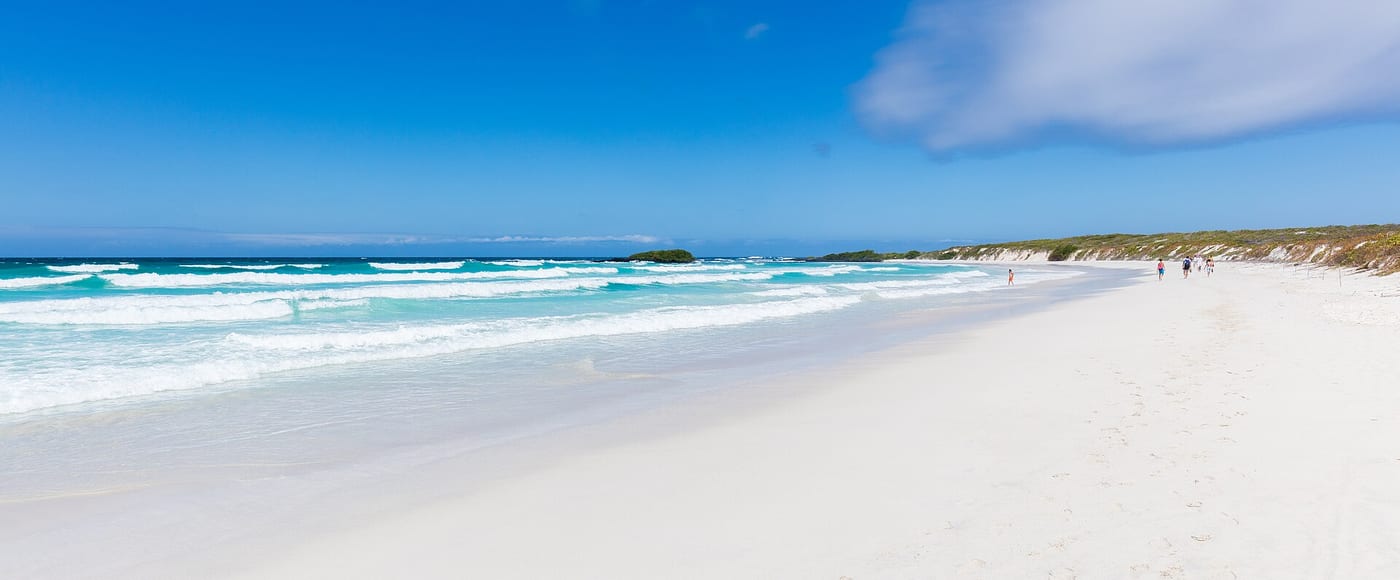
A long white-sand beach near Puerto Ayora on Santa Cruz, reached by a paved path through cactus forest. A sheltered cove at one end is calm enough for swimming.
Photo: Diego Delso · CC BY-SA 4.0 · Wikimedia Commons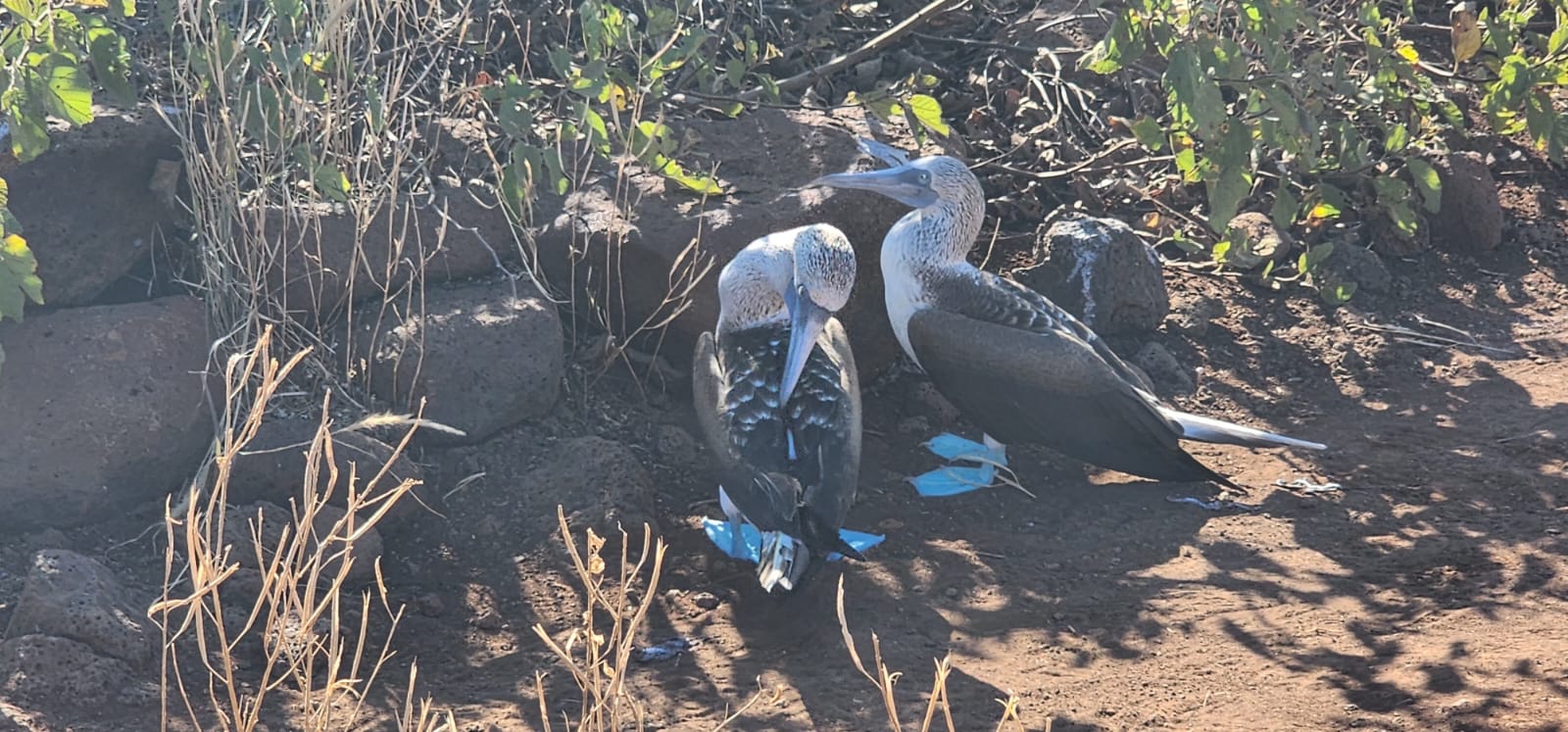
Blue-footed boobies
Photo: Christina Jin Waitara, from her own travels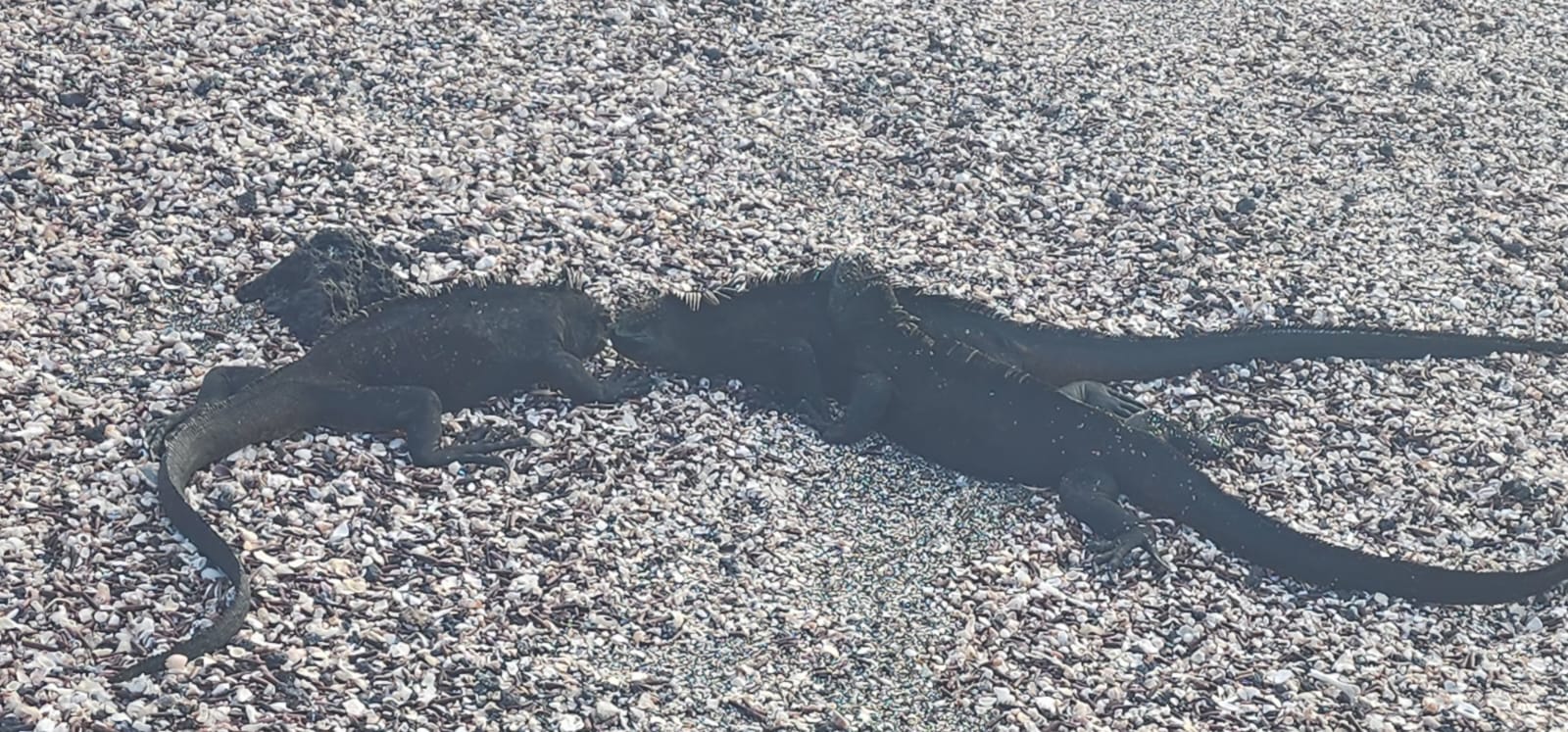
Marine iguanas on the rocks
Photo: Christina Jin Waitara, from her own travels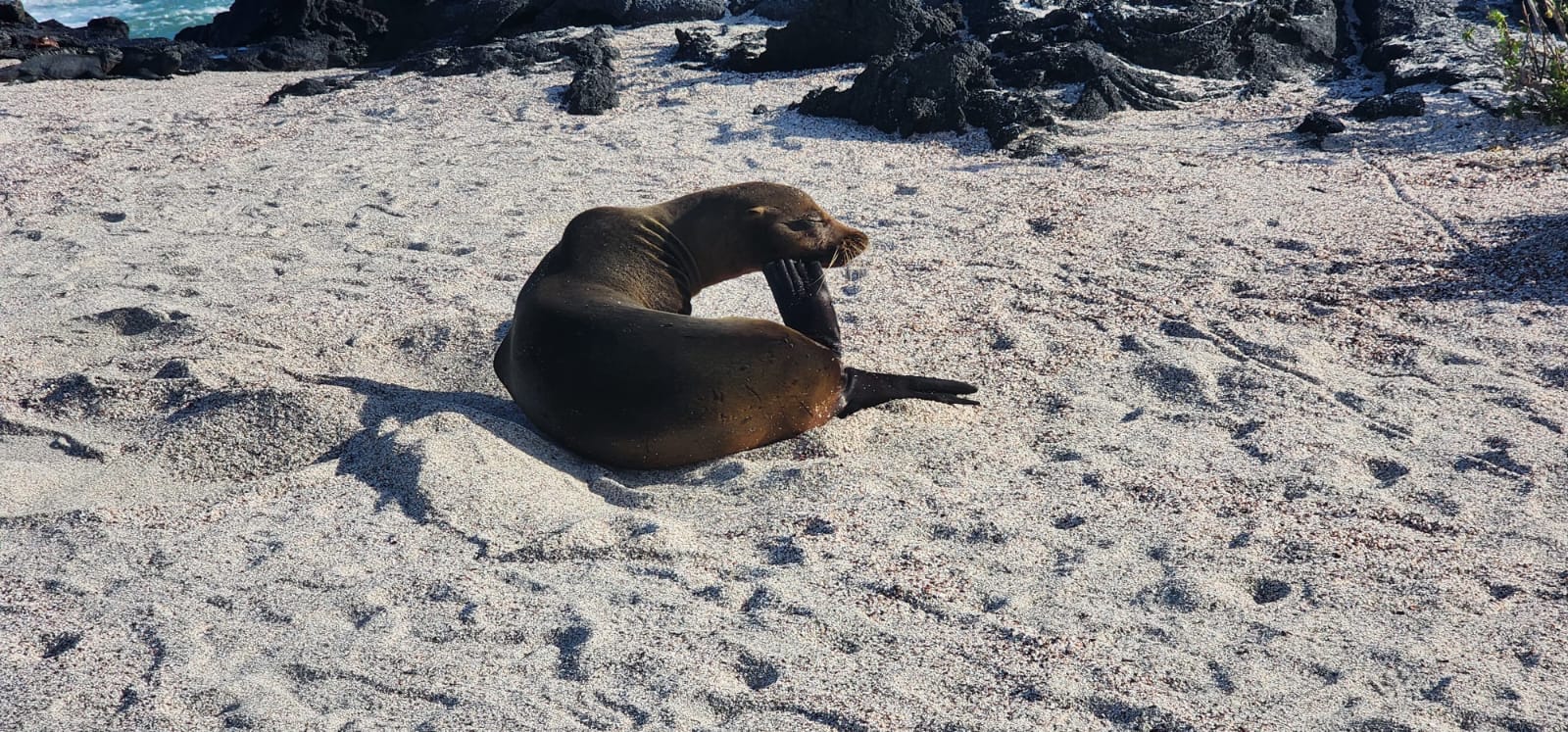
A sea lion on the beach
Photo: Christina Jin Waitara, from her own travels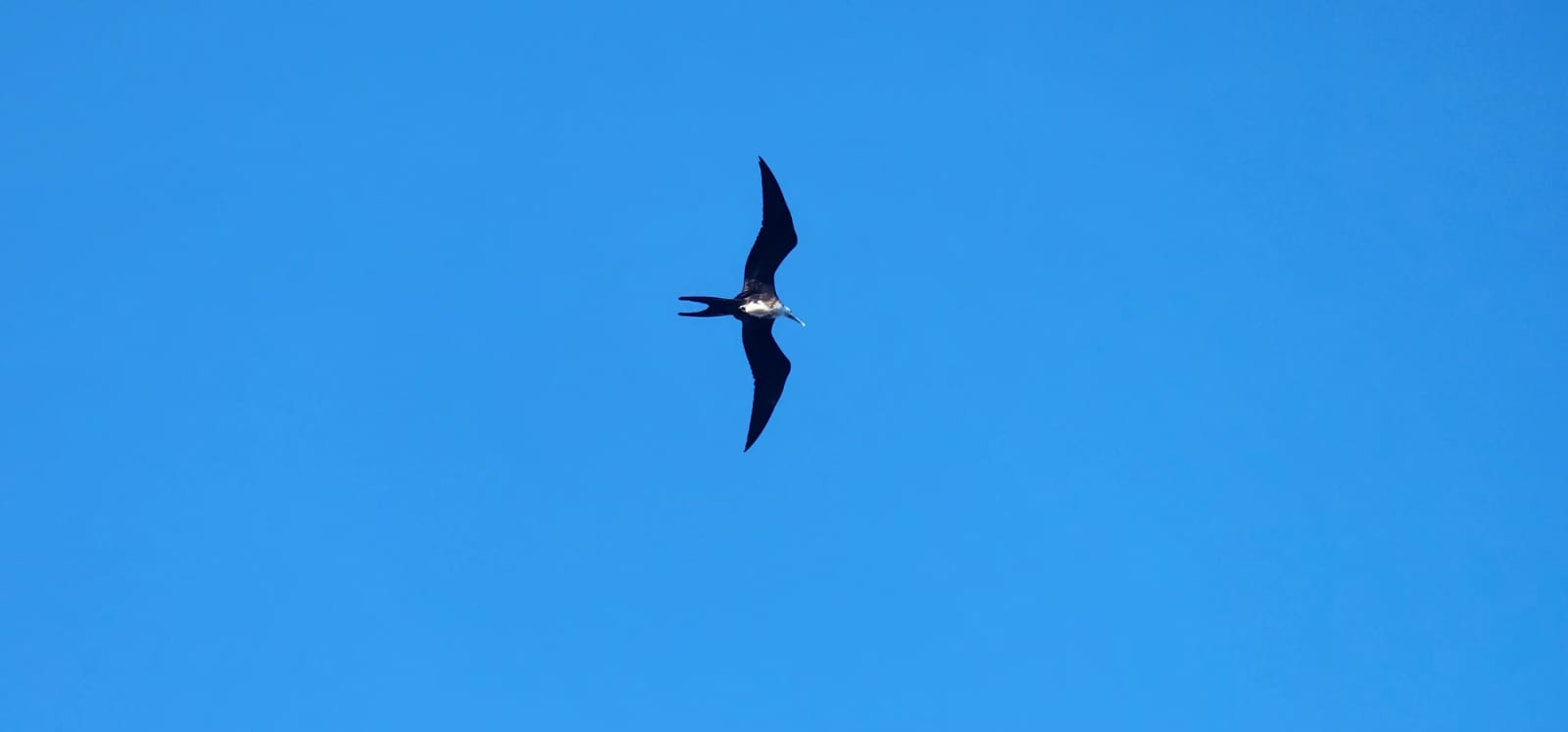
A frigatebird in flight
Photo: Christina Jin Waitara, from her own travels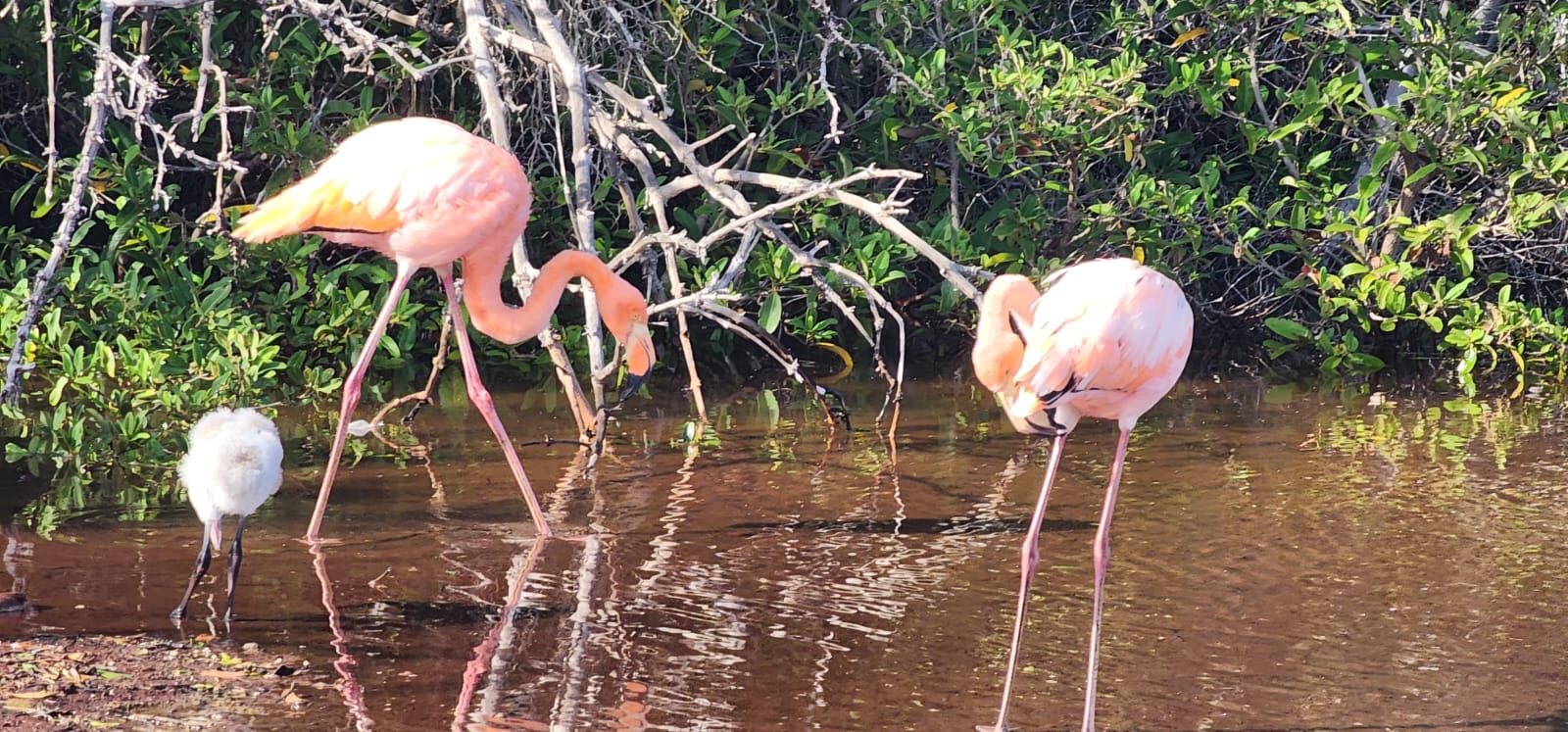
Flamingos in a lagoon
Photo: Christina Jin Waitara, from her own travels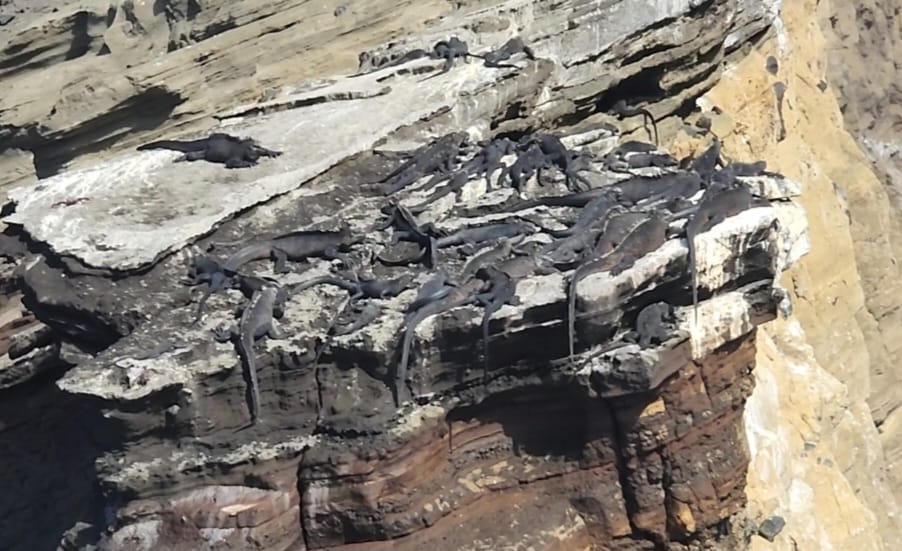
The volcanic coast
Photo: Christina Jin Waitara, from her own travelsEntry requirements, visas, health advice and safety conditions change. Before you travel, check Smartraveller and the official sources of each country.