In western Venezuela the Andes rise to the country’s highest peaks, with glacial lakes, high moorland covered in frailejones and mountain villages above the university city of Mérida.
The Mérida Andes form the northern end of the Andes range, with Sierra Nevada National Park protecting the highest summits. The city of Mérida, in a valley surrounded by mountains, is the traditional base for excursions by cable car, on foot and along the scenic road to the Mucubají lagoon and the páramo. Altitude is an important factor here, so plan gentle first days. The Australian Government may advise against travel to Venezuela; this page is for information only, and Panorama Tours plans trips only when official advice allows.
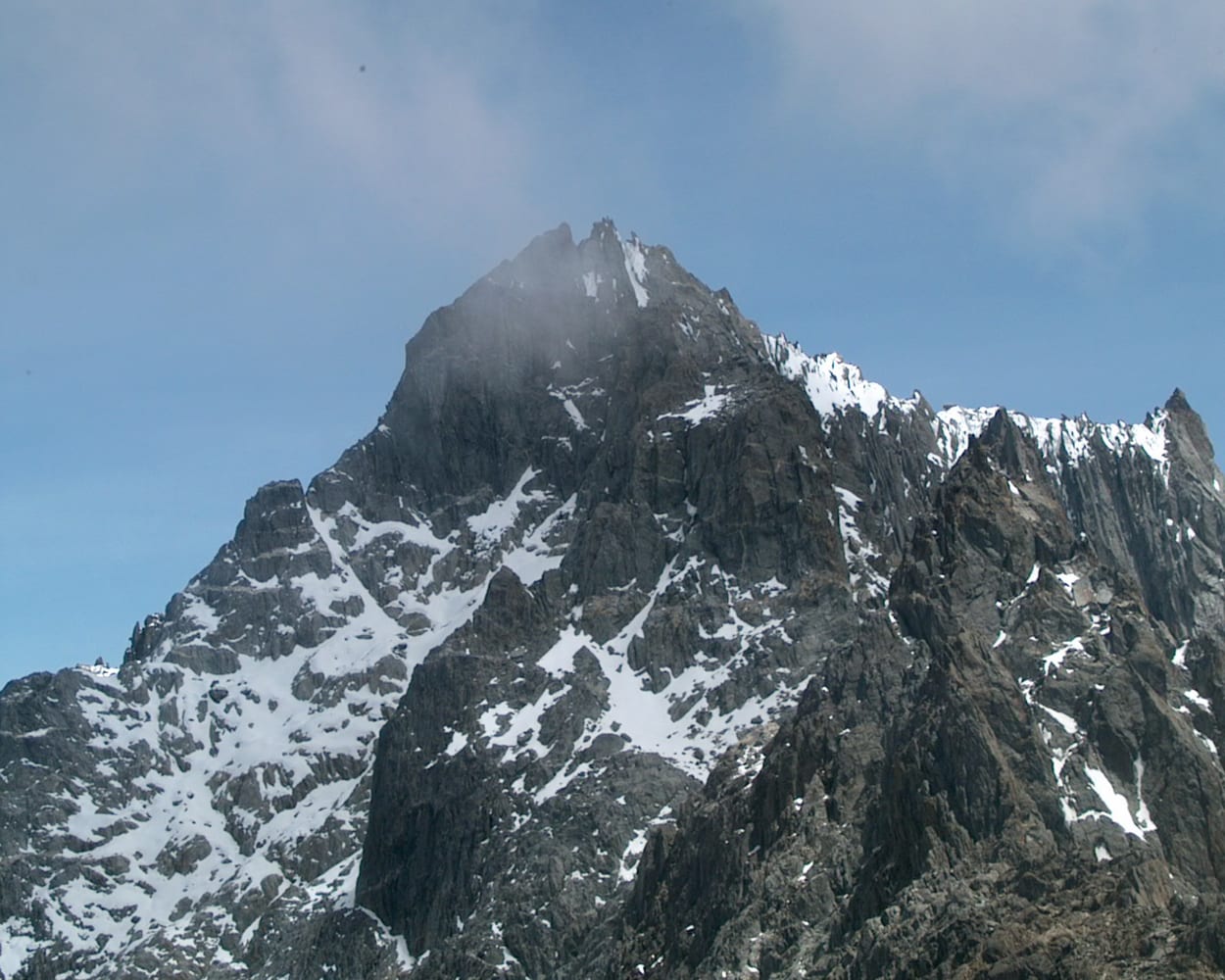
Venezuela’s highest mountain, rising above the city of Mérida within Sierra Nevada National Park. It can be seen from the city on clear mornings, before clouds build up.
Photo: Fernando Cuartero · CC BY-SA 3.0 · Wikimedia Commons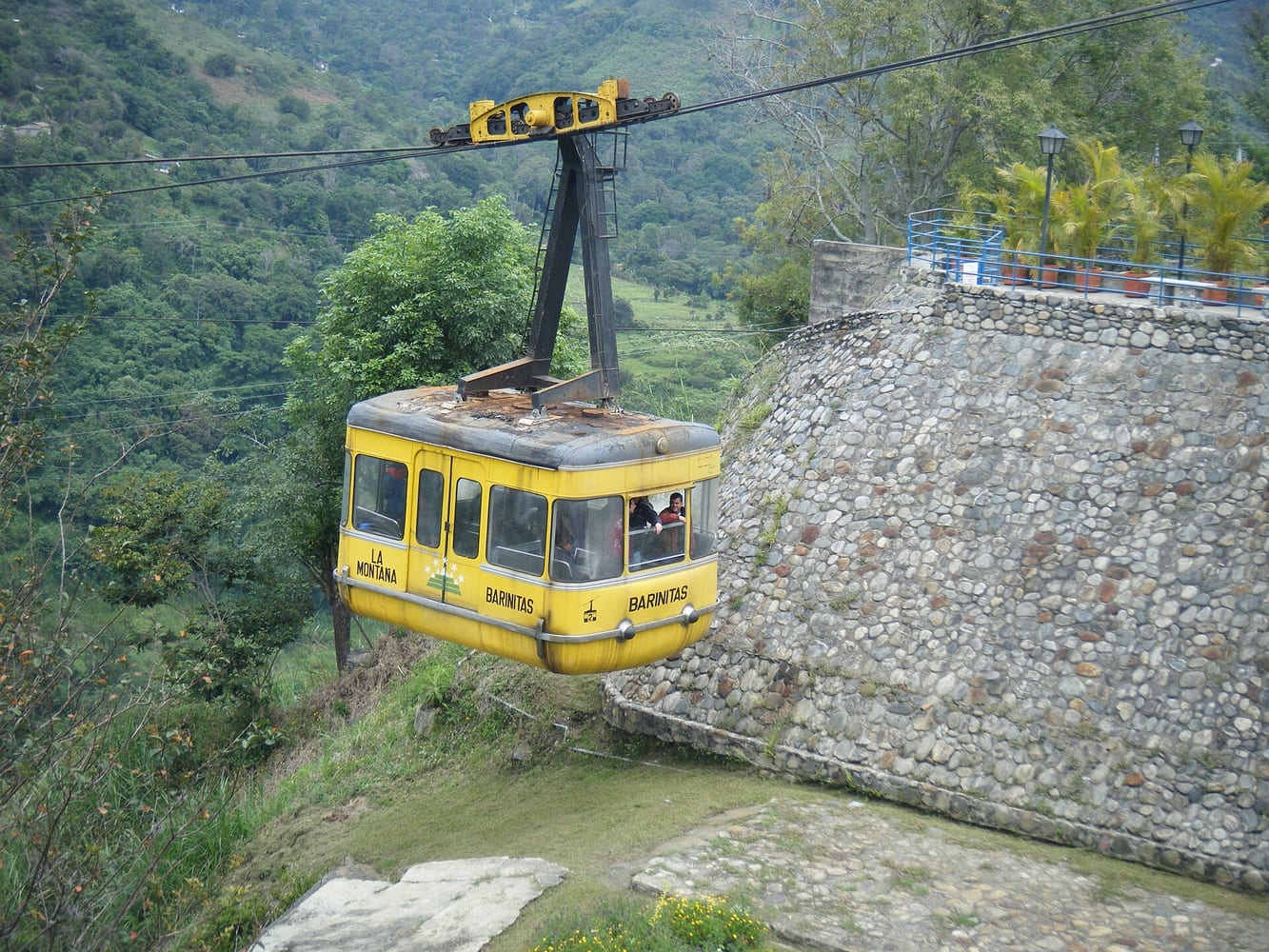
A cable car that climbs in several stages from the city of Mérida towards Pico Espejo, at very high altitude. Go early for clear views, dress warmly and take your time at the upper stations.
Photo: Cesar Pérez · CC BY-SA 3.0 · Wikimedia Commons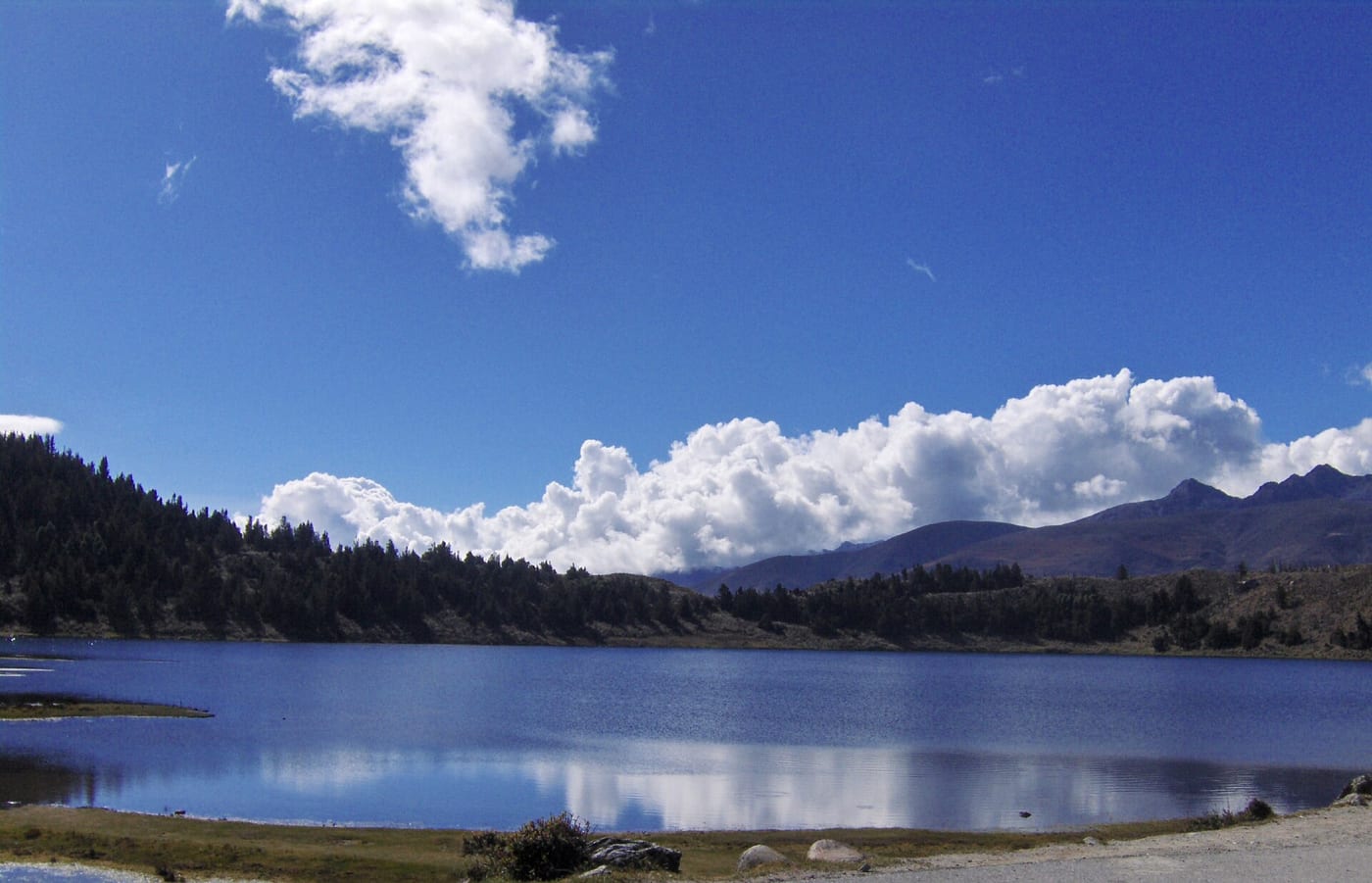
A glacial lake at high altitude in Sierra Nevada National Park, surrounded by páramo and walking trails. A path leads up to Laguna Negra, a peaceful walk of a few hours.
Photo: Michitura · CC BY-SA 4.0 · Wikimedia Commons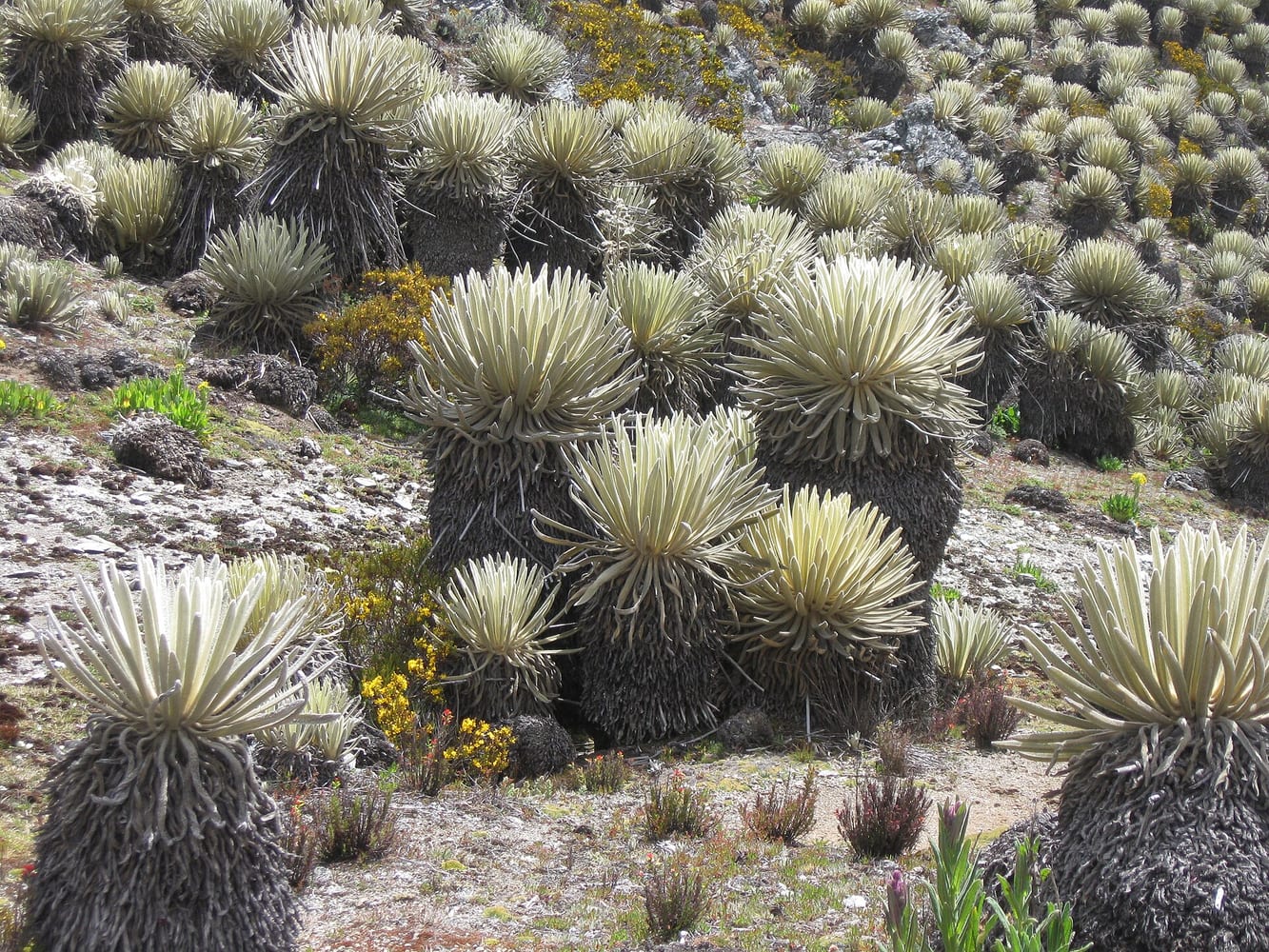
Frailejones are rosette plants with soft, silvery leaves that grow in the cold, wet high moorland of the northern Andes. They are slow-growing and fragile, so keep to the trails.
Photo: Hlaraf · CC BY-SA 3.0 · Wikimedia Commons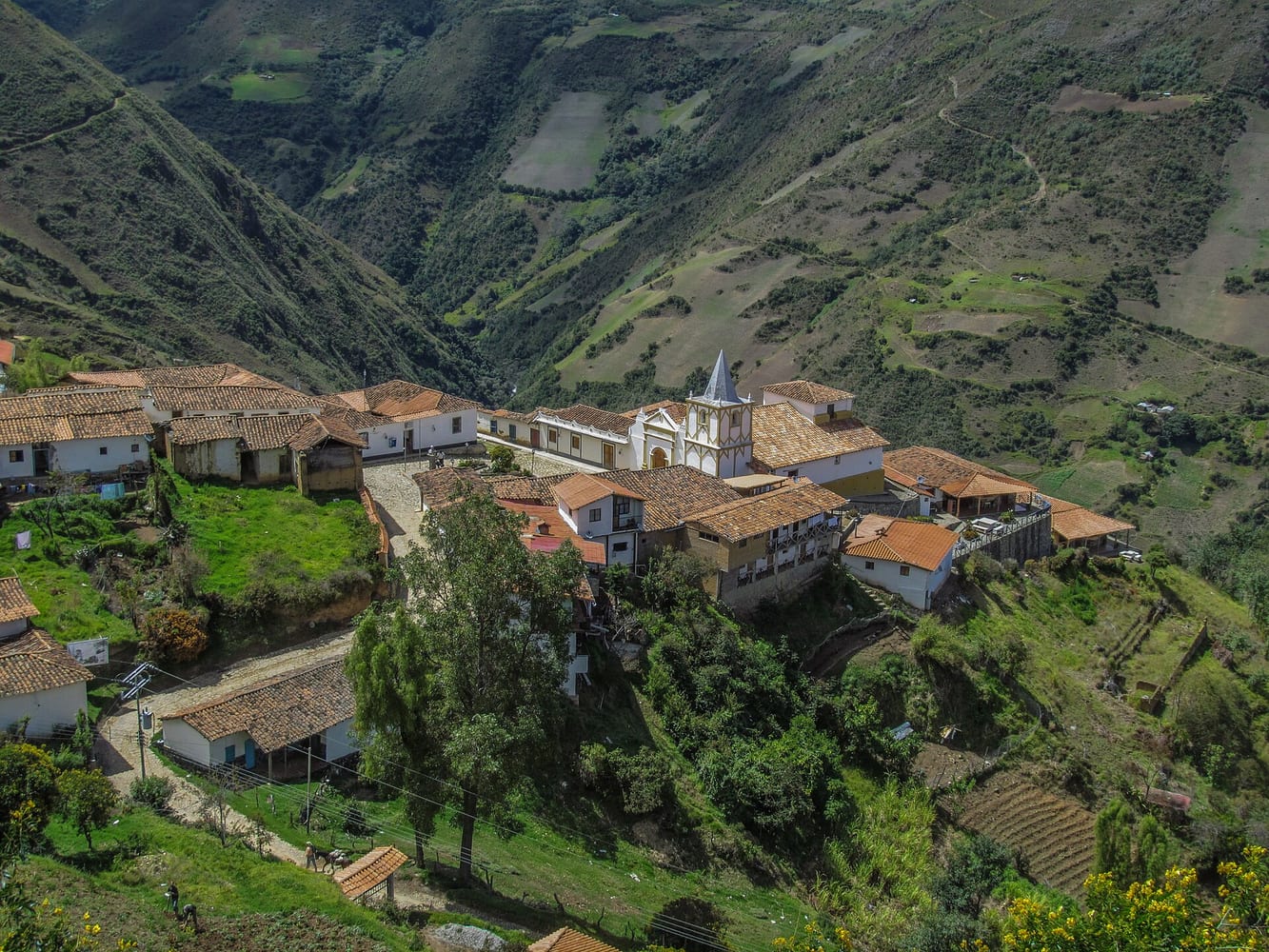
A small mountain village reached by a long, steep track from the upper cable car stations or by four-wheel drive. Life here follows a traditional rural rhythm.
Photo: Wilfredor · CC BY-SA 3.0 · Wikimedia CommonsEntry requirements, visas, health advice and safety conditions change. Before you travel, check Smartraveller and the official sources of each country.