Once one of the richest cities in the Americas thanks to the silver of Cerro Rico, Potosí keeps a remarkable colonial centre high on the Andean plateau.
At about 4,000 metres, Potosí is one of the highest cities in the world, so it is best visited after a few days in Sucre or La Paz. One or two days are enough to see the historic centre, a UNESCO World Heritage site, and the Casa de la Moneda. Many travellers continue by road to Uyuni for the salt flat. Bring warm clothes: even sunny days turn cold quickly.
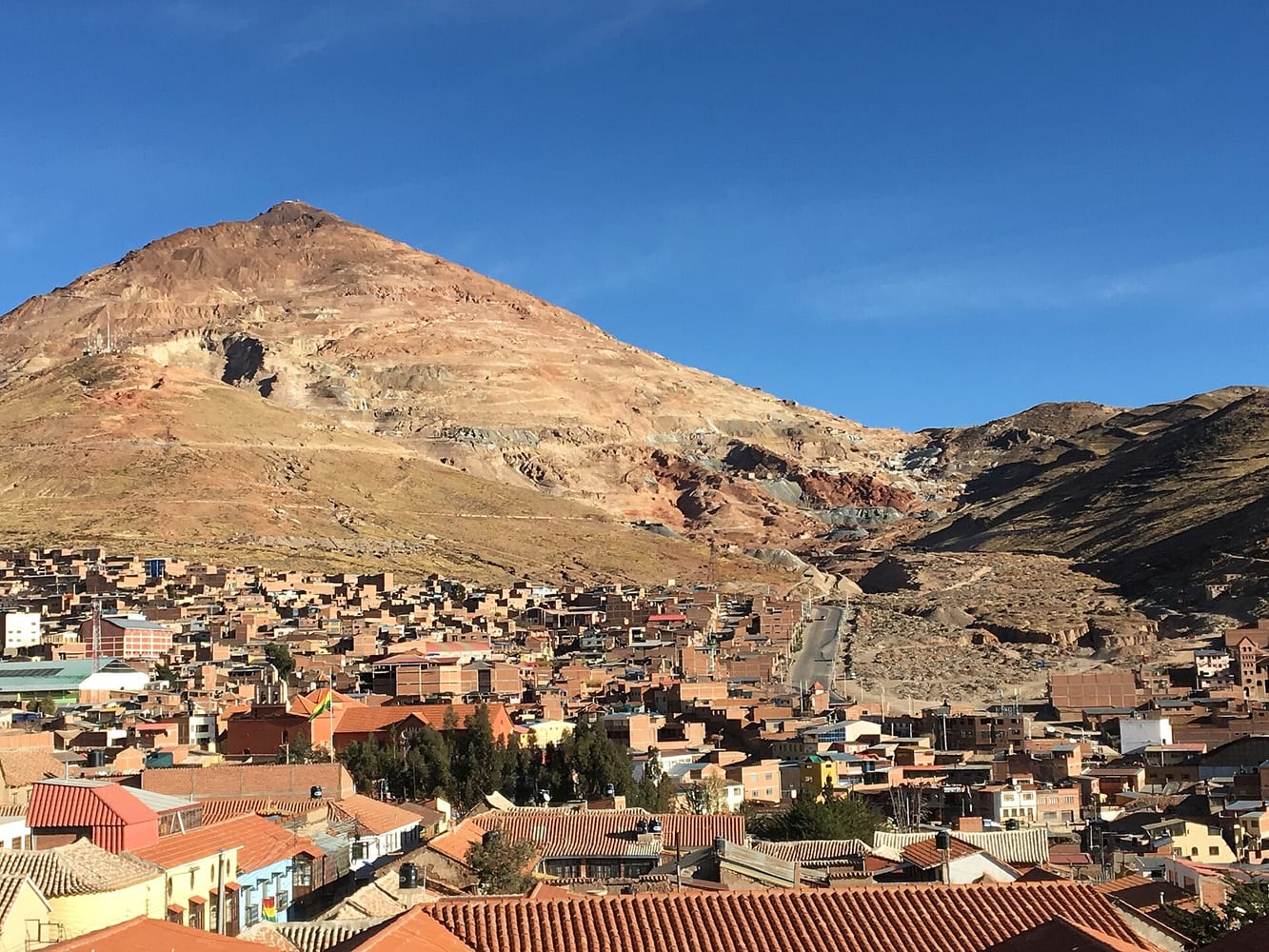
The cone-shaped ‘rich mountain’ whose silver financed the Spanish Empire and that is still mined today. Visits to working mines are physically demanding and involve real risks, so consider them carefully and go only with an authorised local guide.
Photo: Jbmurray · CC BY-SA 4.0 · Wikimedia Commons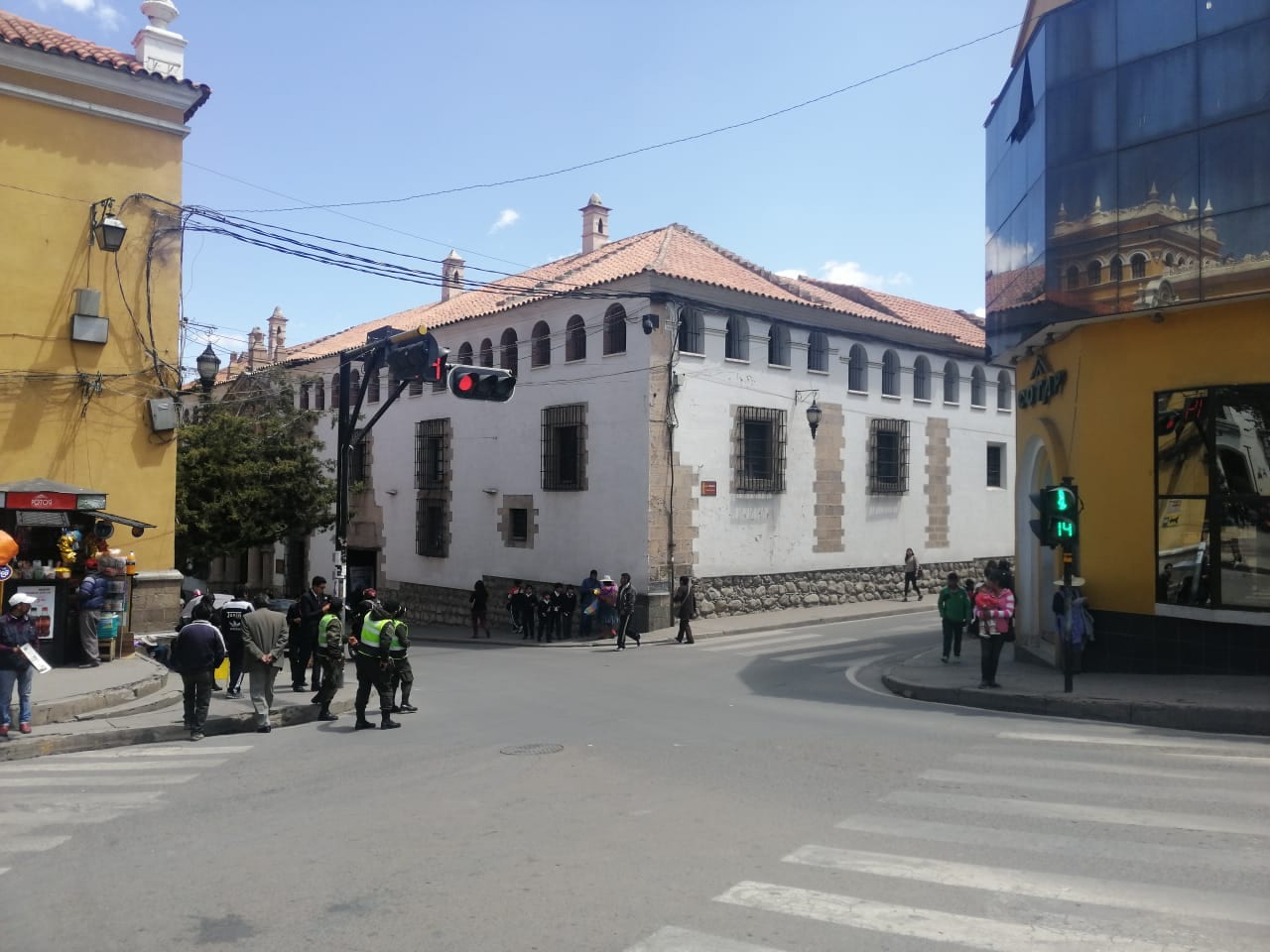
The former royal mint, a large colonial building that now houses one of Bolivia’s most important museums, with coin-making machinery, silverwork and paintings. Visits are guided and take about two hours.
Photo: Noelia Saiquita · CC BY-SA 4.0 · Wikimedia Commons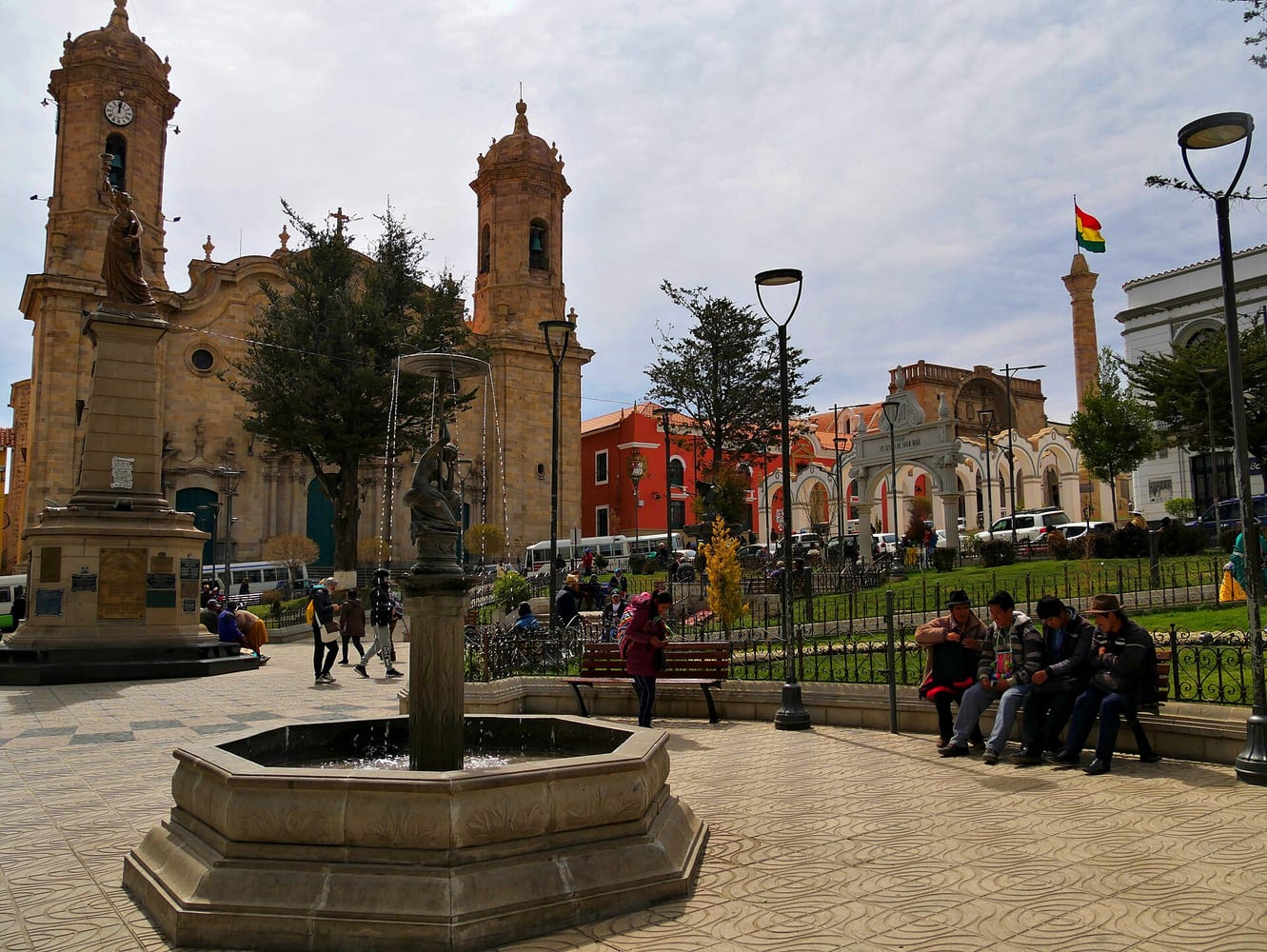
The main square, with the neoclassical cathedral and colonial buildings around it, and Cerro Rico rising behind the city. Climbing the cathedral’s bell tower, when open, gives a fine view.
Photo: Mario Falcetti · CC BY 4.0 · Wikimedia Commons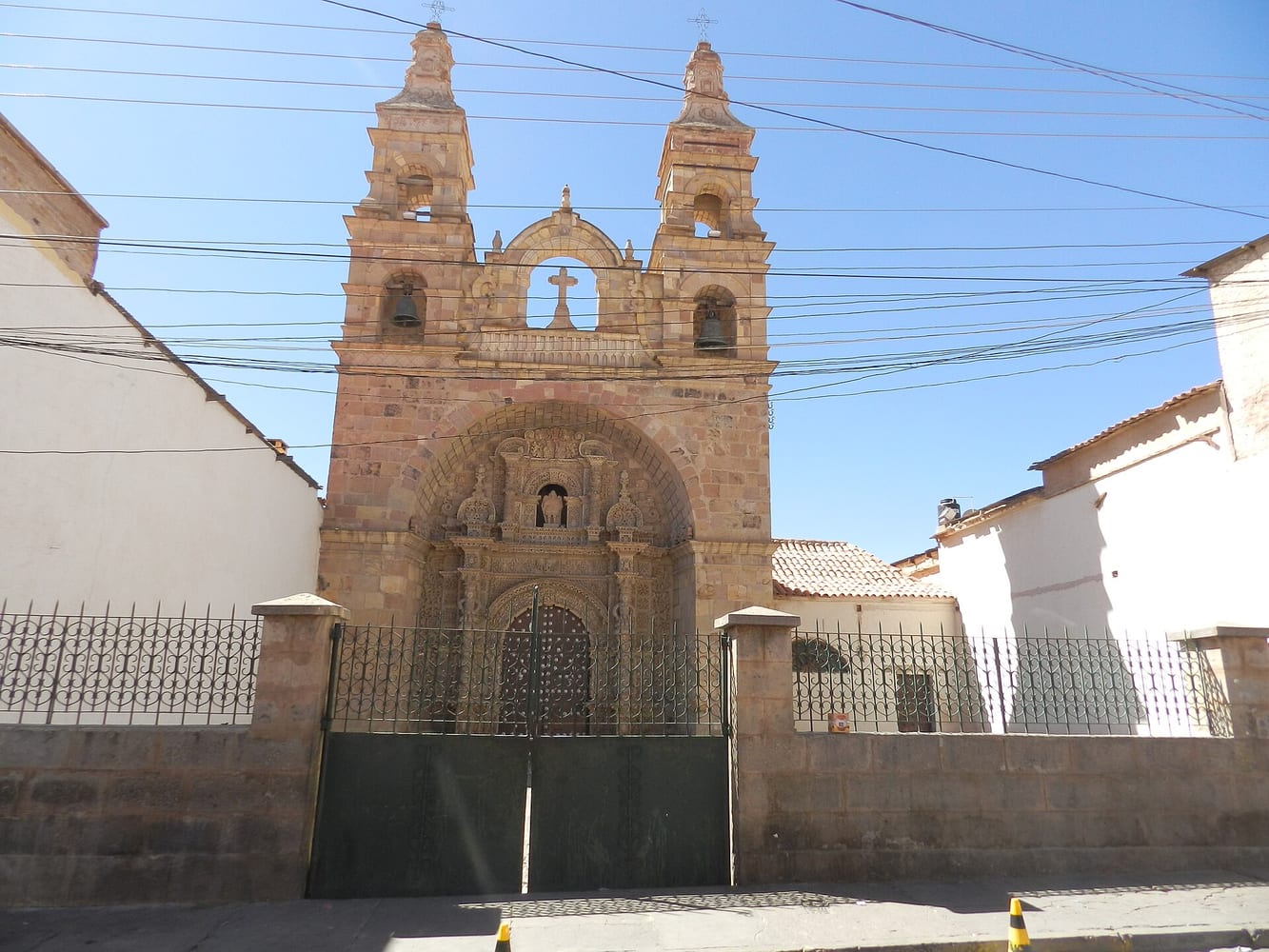
A church famous for its intricately carved stone façade, a masterpiece of the Andean Baroque style, mixing Christian and indigenous symbols. The façade is best seen in the morning light.
Photo: Jherson Sossa · CC BY-SA 3.0 · Wikimedia Commons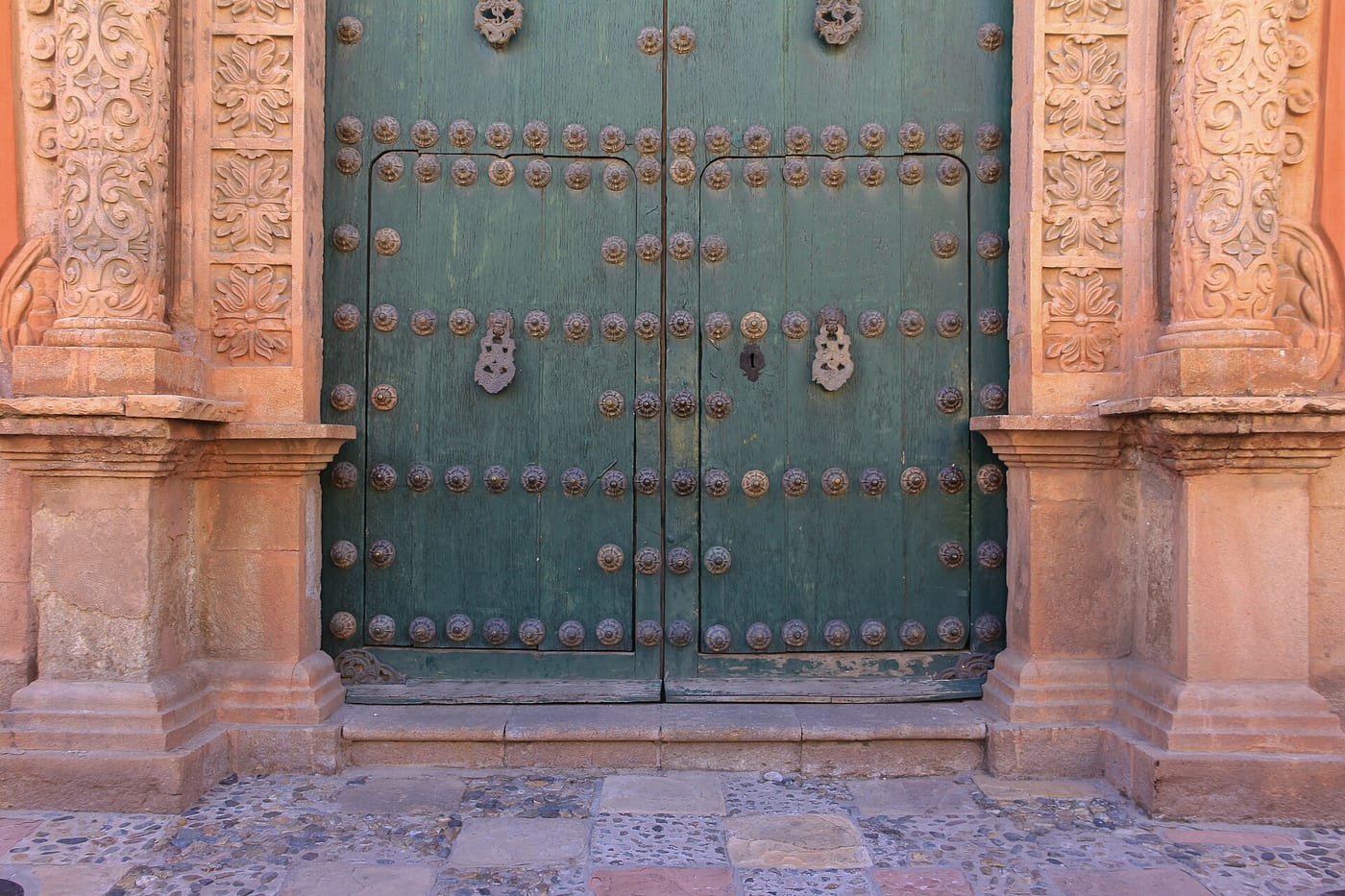
A former Carmelite convent turned museum, with cloisters, religious art and an insight into the life of the nuns who lived there. Guided visits are the way to see the interiors.
Photo: Bob Ramsak · CC BY-SA 4.0 · Wikimedia Commons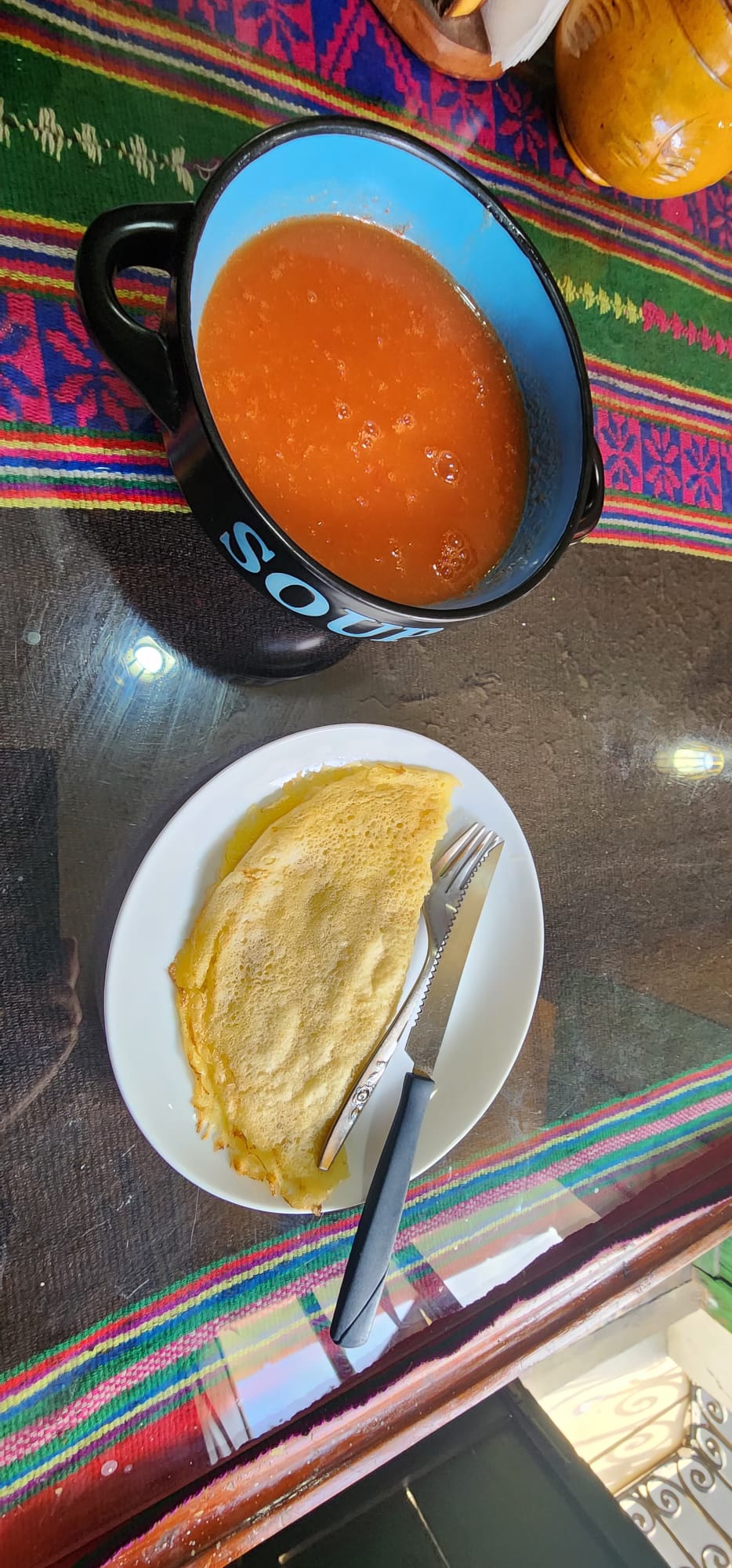
Bolivian soup and bread
Photo: Christina Jin Waitara, from her own travels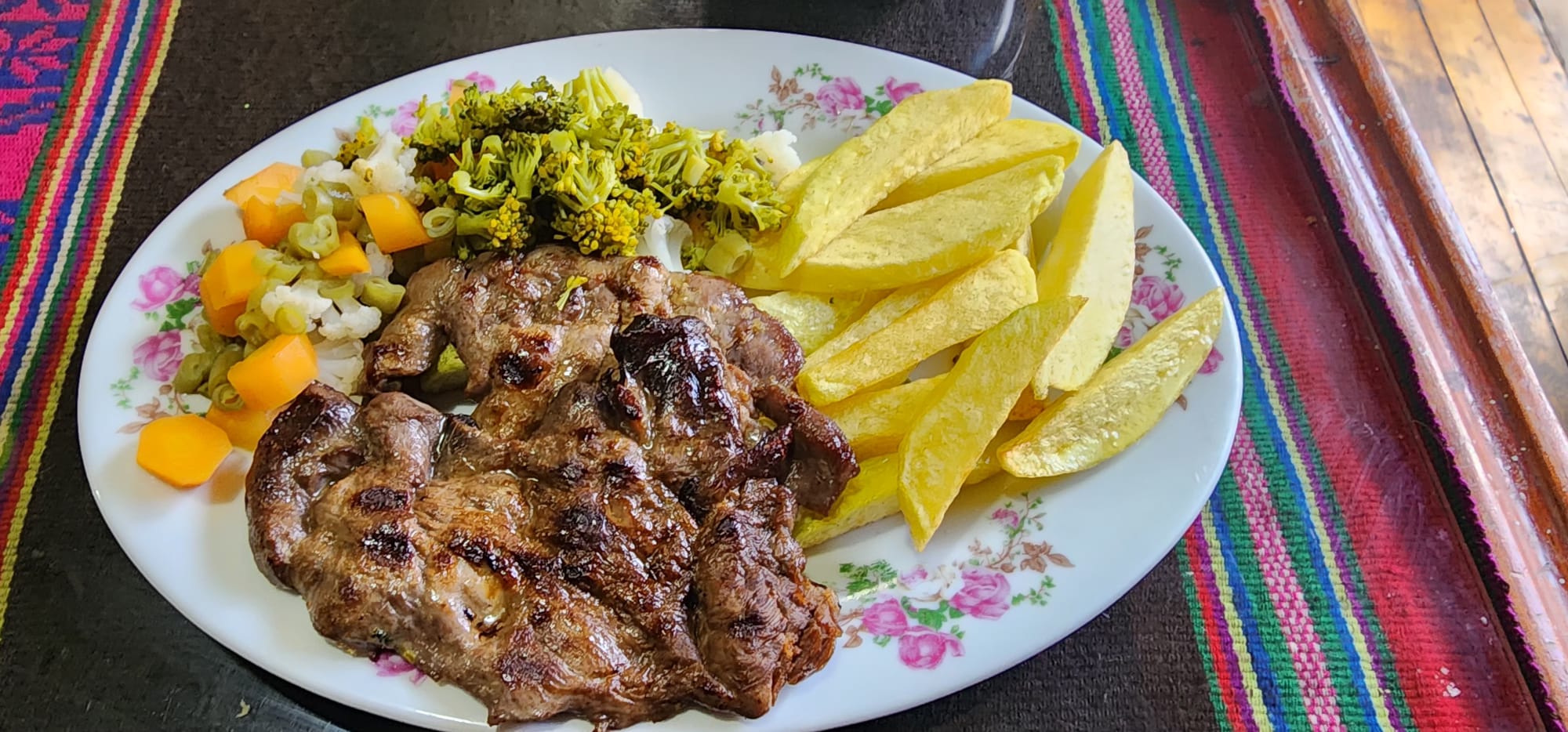
A Bolivian main course
Photo: Christina Jin Waitara, from her own travels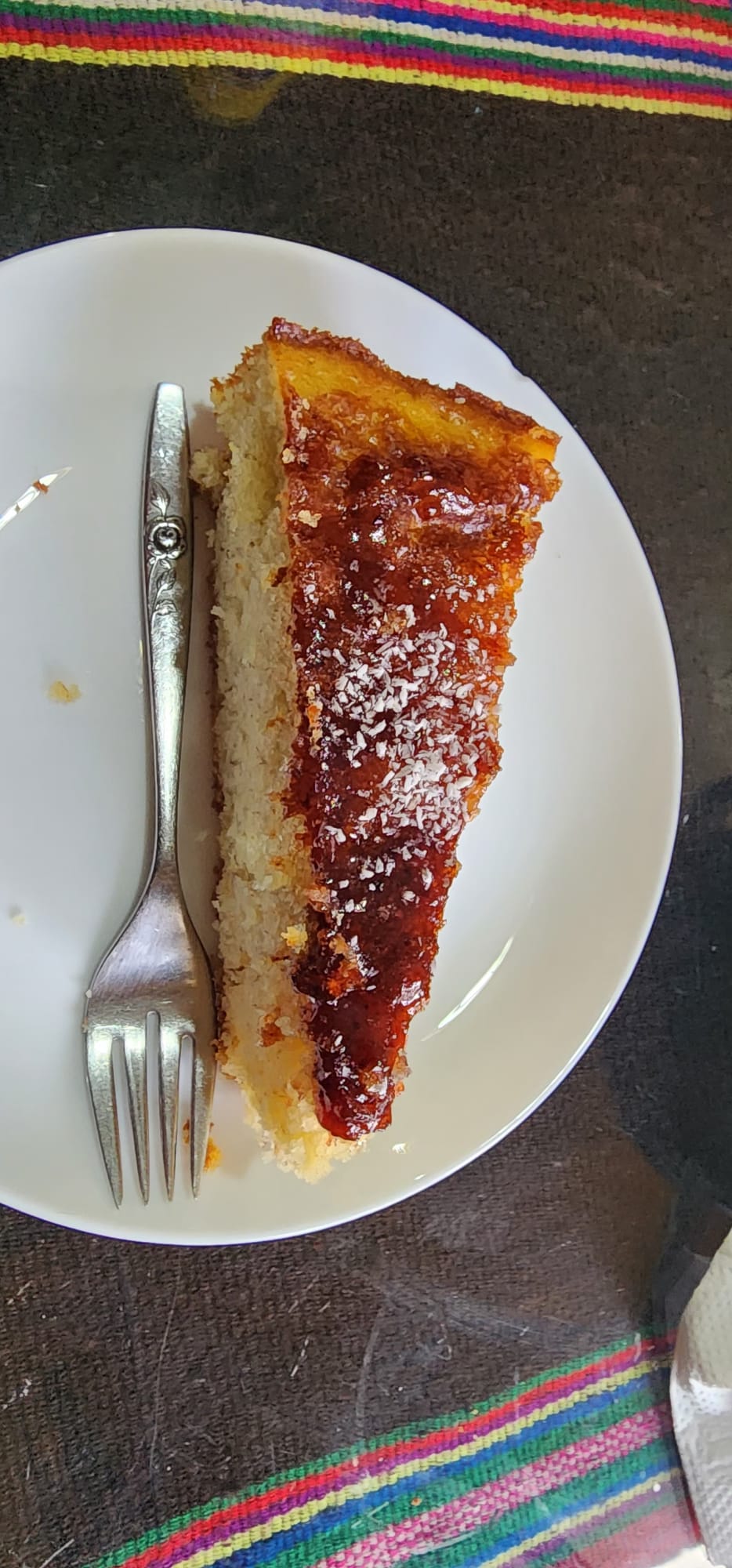
Dessert in Potosí
Photo: Christina Jin Waitara, from her own travelsEntry requirements, visas, health advice and safety conditions change. Before you travel, check Smartraveller and the official sources of each country.