Bolivia’s constitutional capital, a graceful whitewashed colonial city where independence was declared, with a mild climate and a relaxed pace.
Sucre lies at about 2,800 metres, lower than La Paz or Potosí, which makes it a comfortable place to start a trip and acclimatise. Its historic centre is a UNESCO World Heritage site and easy to explore on foot in two days. Add a day for the dinosaur tracks at Cal Orck’o or, on Sundays, the market at Tarabuco. Sucre combines naturally with Potosí, about three hours away by road.
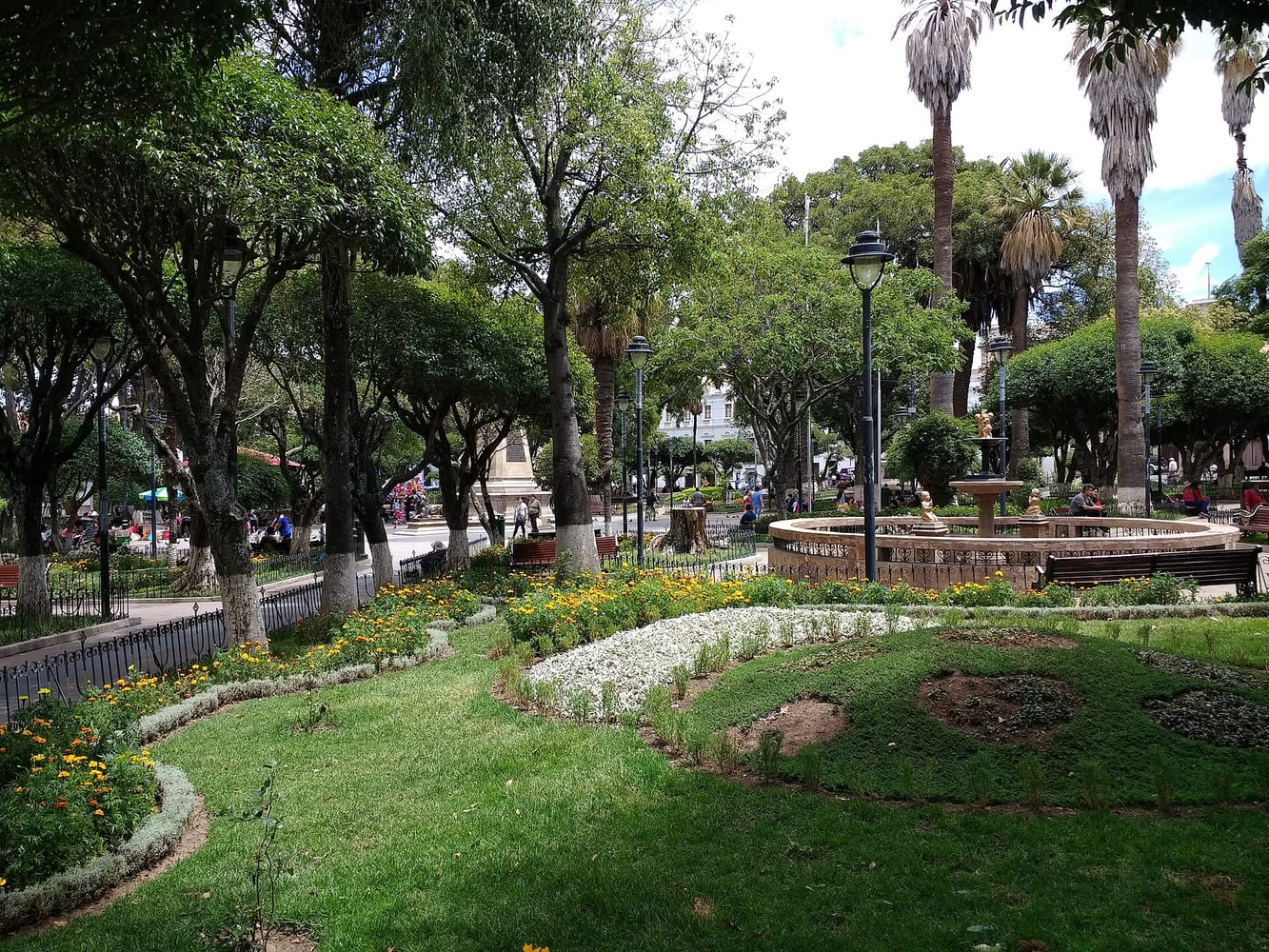
The leafy main square, surrounded by colonial buildings, the cathedral and the Casa de la Libertad. Benches and cafés make it a good place to watch daily life.
Photo: Mx._Granger · CC0 · Wikimedia Commons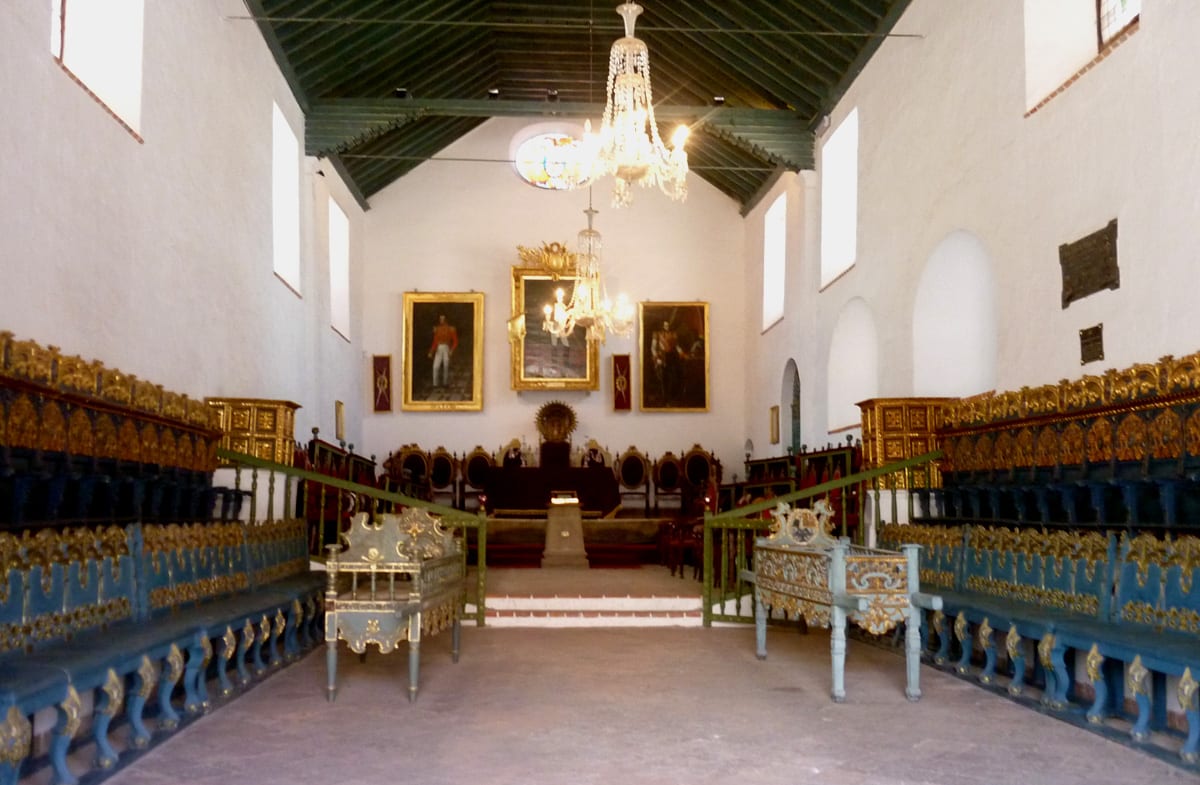
The building where Bolivia’s declaration of independence was signed in 1825, now a museum of the country’s history. Guided visits explain the documents and portraits on display.
Photo: Ainatania504 · CC BY-SA 3.0 · Wikimedia Commons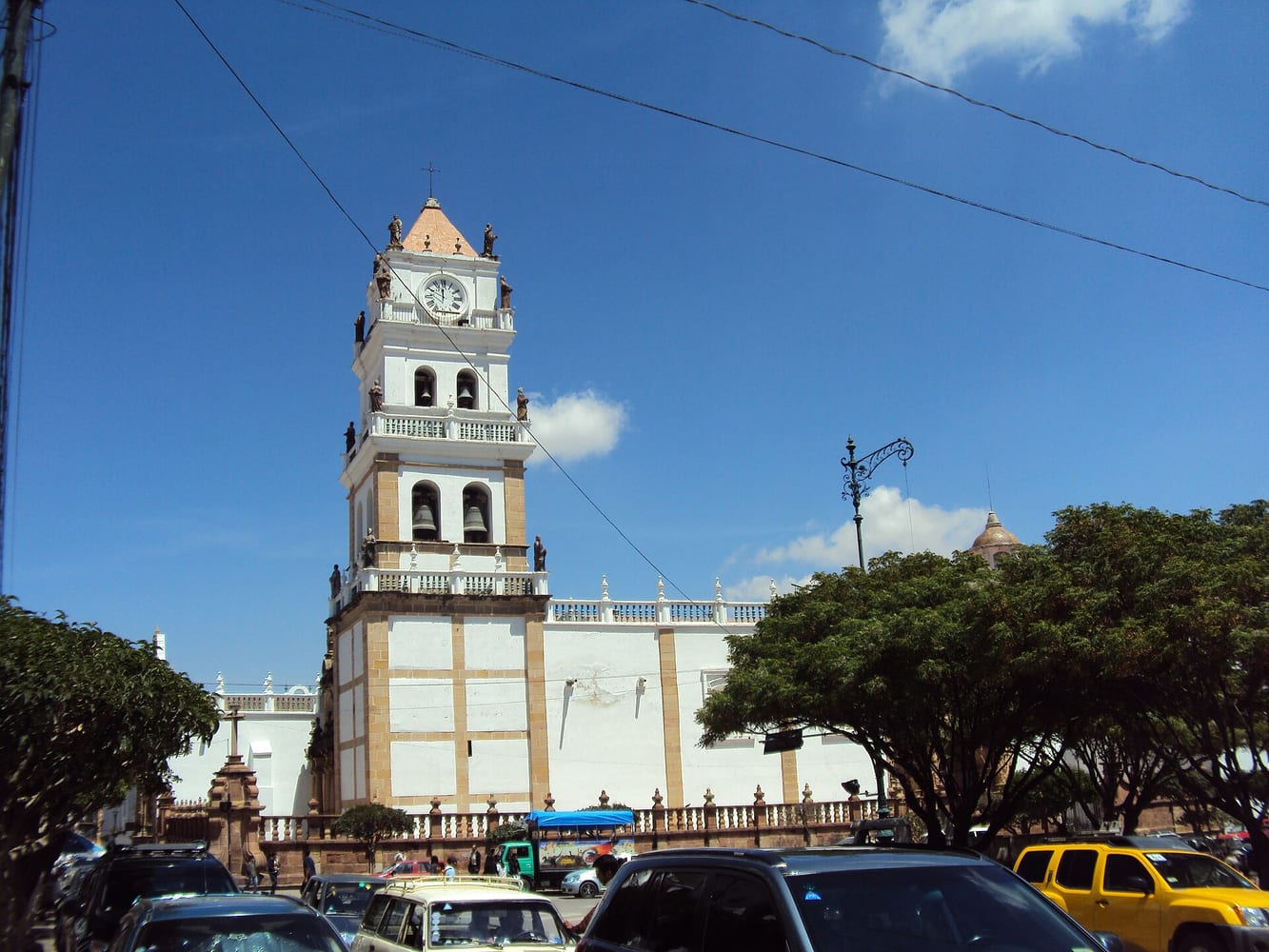
The Metropolitan Cathedral on the main square combines Renaissance and Baroque styles and holds a museum of religious art. Check visiting times locally, as they vary.
Photo: Massiel Z C · CC BY-SA 3.0 · Wikimedia Commons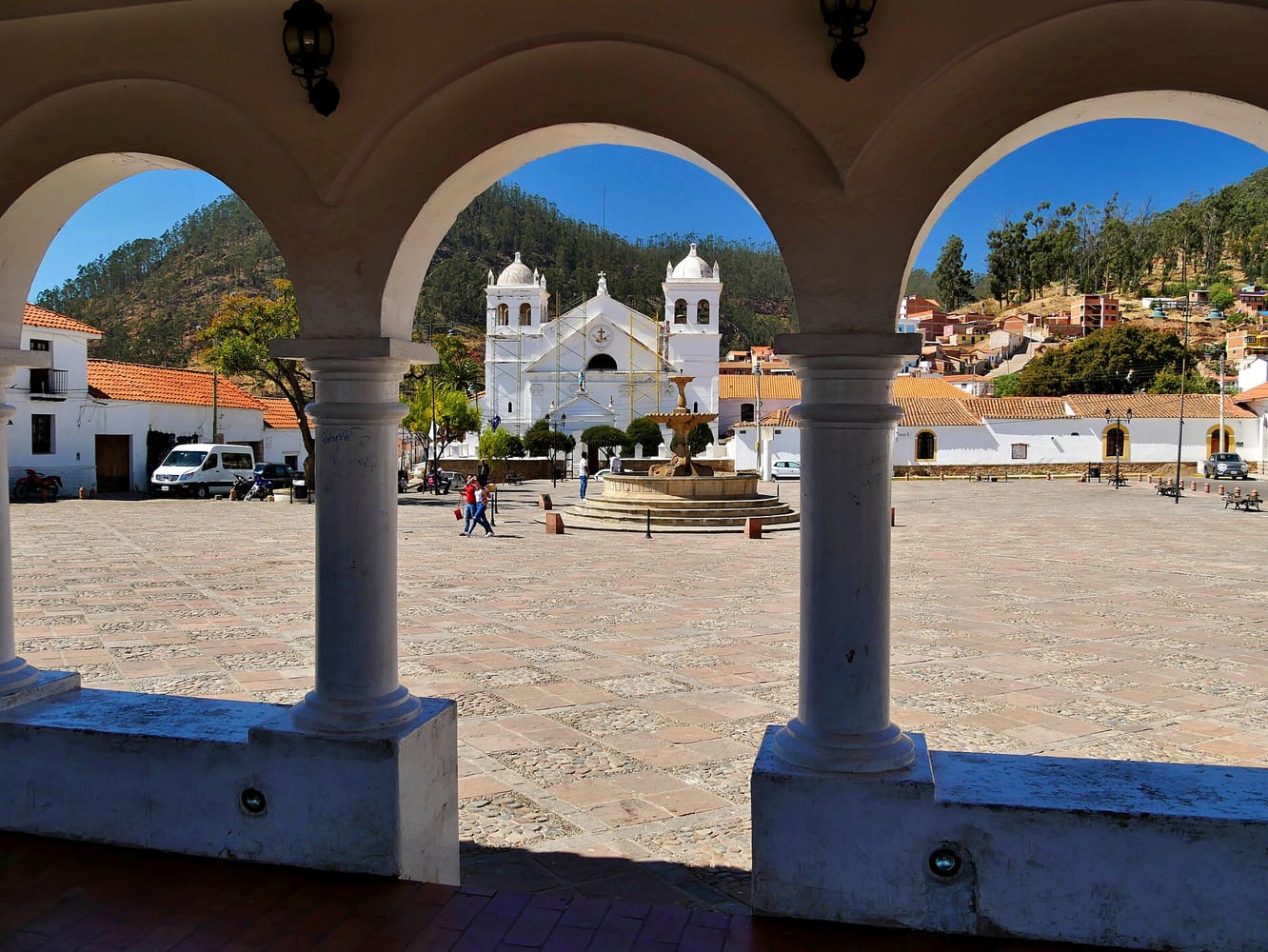
A hilltop square with arched colonnades, a Franciscan monastery and one of the best views over Sucre’s white rooftops. Walk up in the late afternoon and stay for sunset at a café.
Photo: Mario Falcetti · CC BY 4.0 · Wikimedia Commons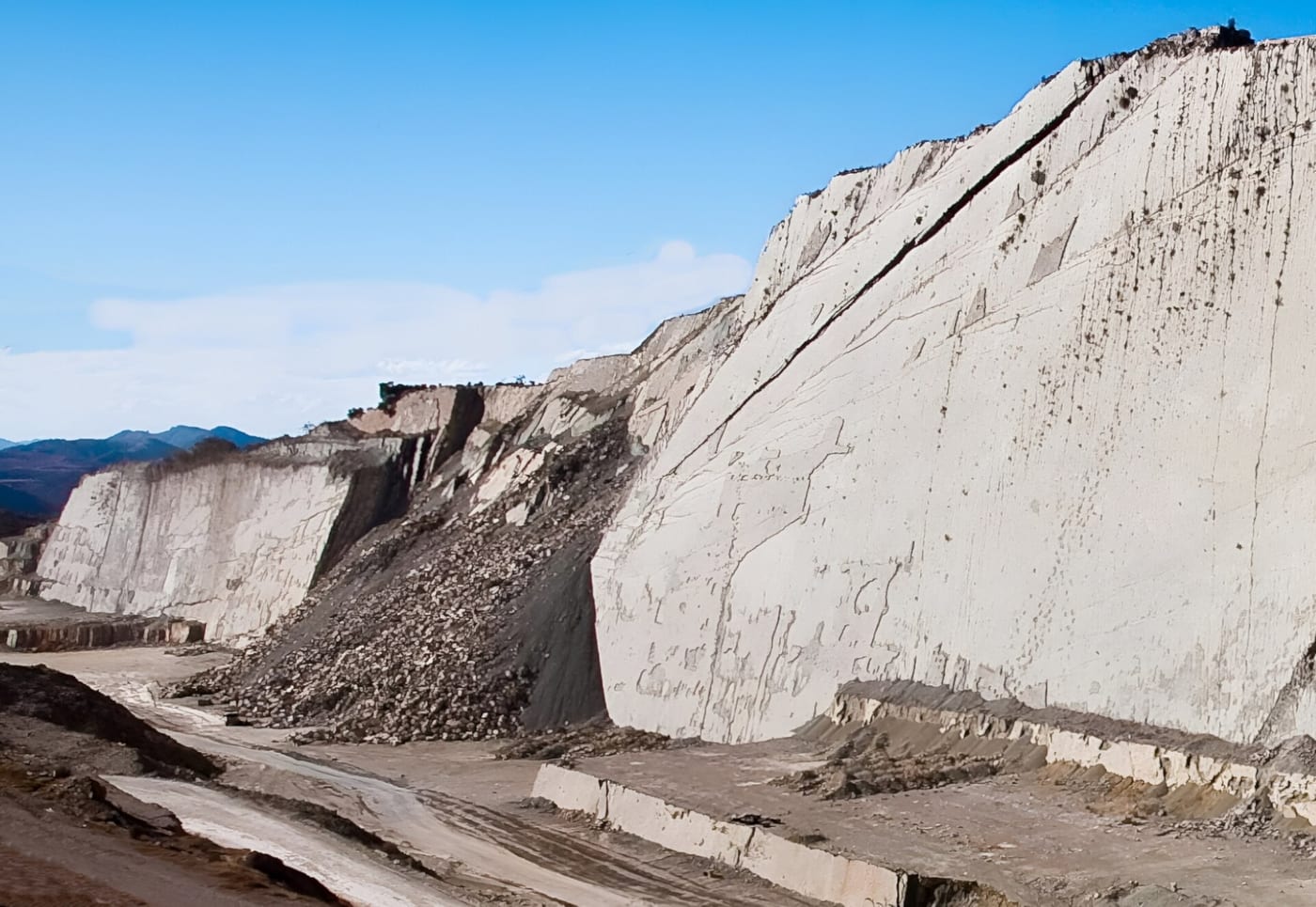
A tall limestone wall on the edge of the city with thousands of dinosaur footprints, viewed from a park with life-size models. Guided walks closer to the wall are offered at set times.
Photo: Pierre André Leclercq · CC BY 4.0 · Wikimedia Commons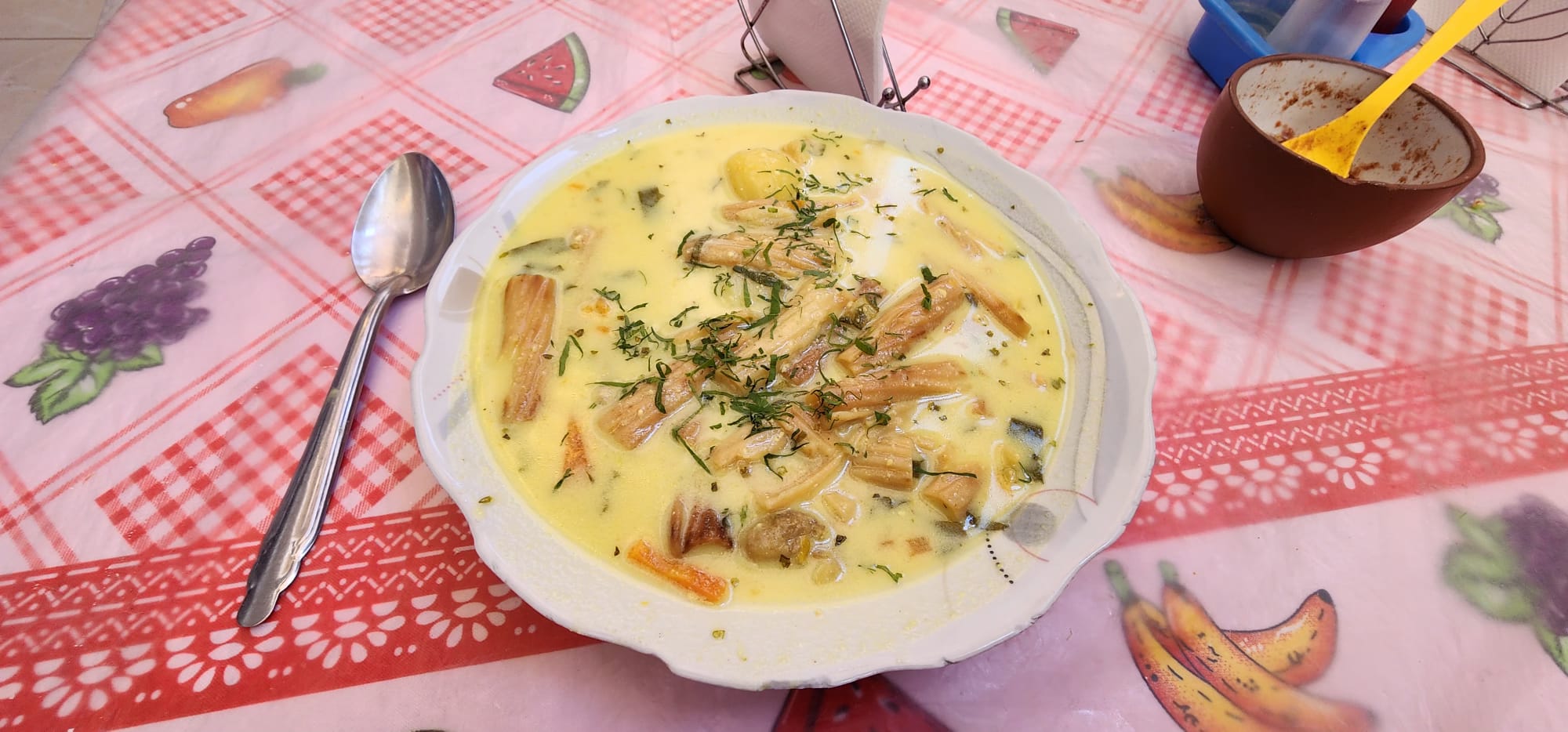
A Bolivian dish in Sucre
Photo: Christina Jin Waitara, from her own travelsEntry requirements, visas, health advice and safety conditions change. Before you travel, check Smartraveller and the official sources of each country.