Spain’s two island groups offer very different escapes: Mediterranean coves and historic towns in the Balearics, and volcanic landscapes with mild weather all year in the Canaries.
The Balearic Islands (Mallorca, Menorca, Ibiza and Formentera) lie in the Mediterranean, a short flight from Barcelona or Madrid, and are at their best from late spring to early autumn. The Canary Islands lie in the Atlantic off the coast of Africa, around two and a half hours’ flight from Madrid, and are pleasant to visit in any season. Choose one or two islands rather than trying to see many, allow four to seven days, and hire a car to reach the beaches and national parks.
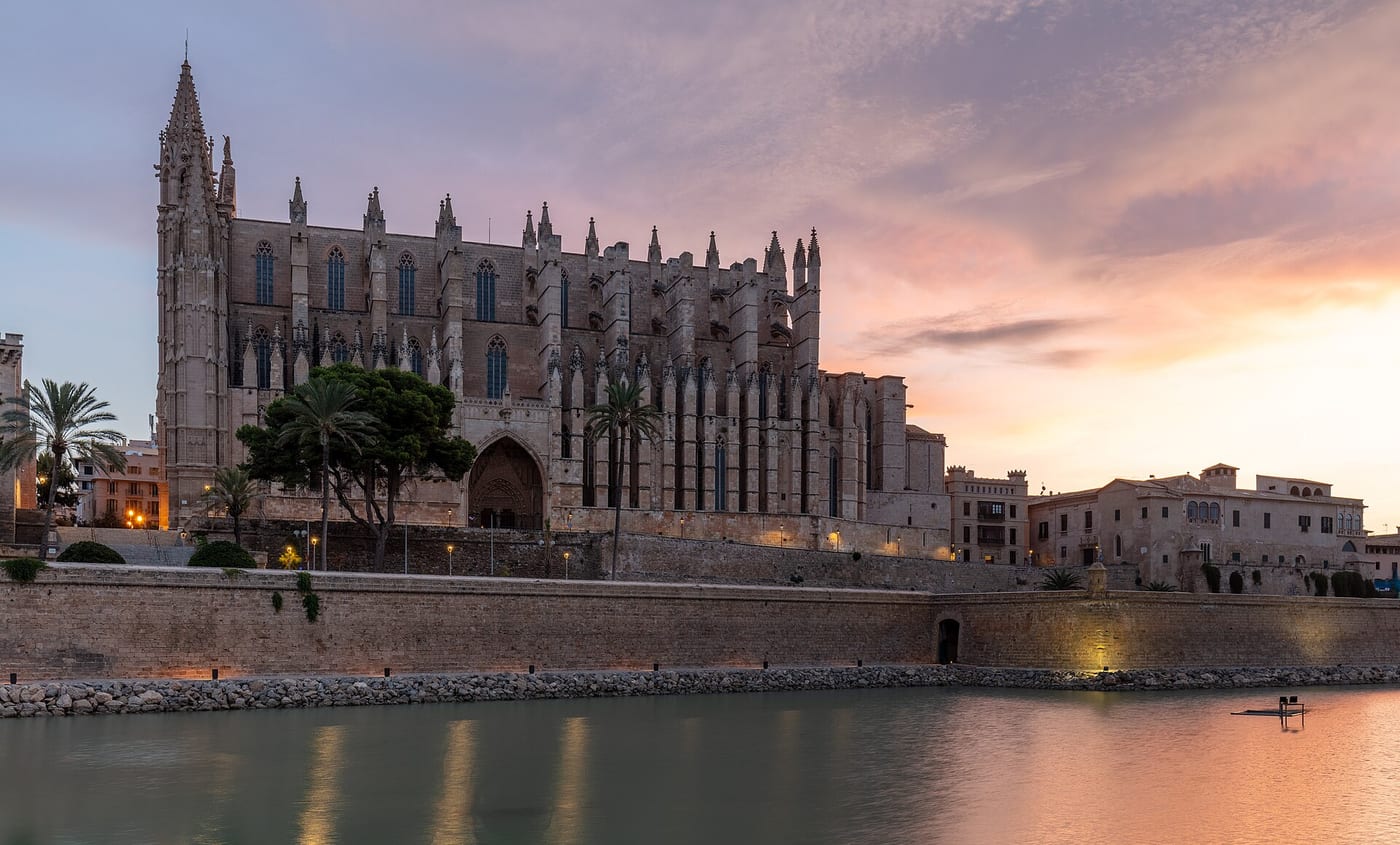
Palma’s Gothic cathedral, La Seu, rises above the old city walls and the sea, with a vast interior and later touches by Gaudí. Combine it with a walk through the old town and along the waterfront.
Photo: Diego Delso · CC BY-SA 4.0 · Wikimedia Commons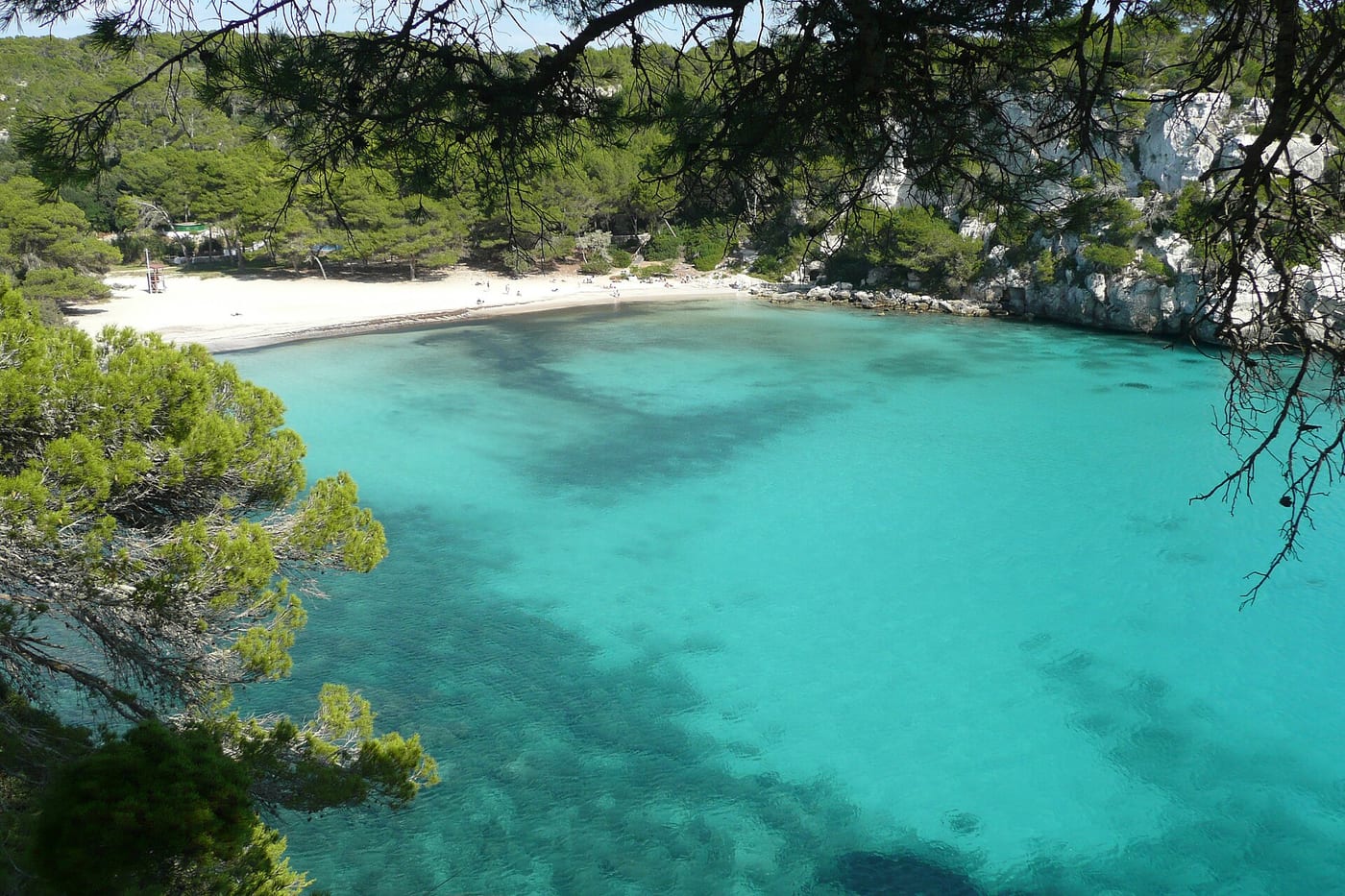
One of the most photographed coves of Menorca, with white sand and turquoise water framed by pine-covered cliffs. Car access is limited in summer to protect the area, so check how to get there and arrive early.
Photo: Paul Stephenson · CC BY 2.0 · Wikimedia Commons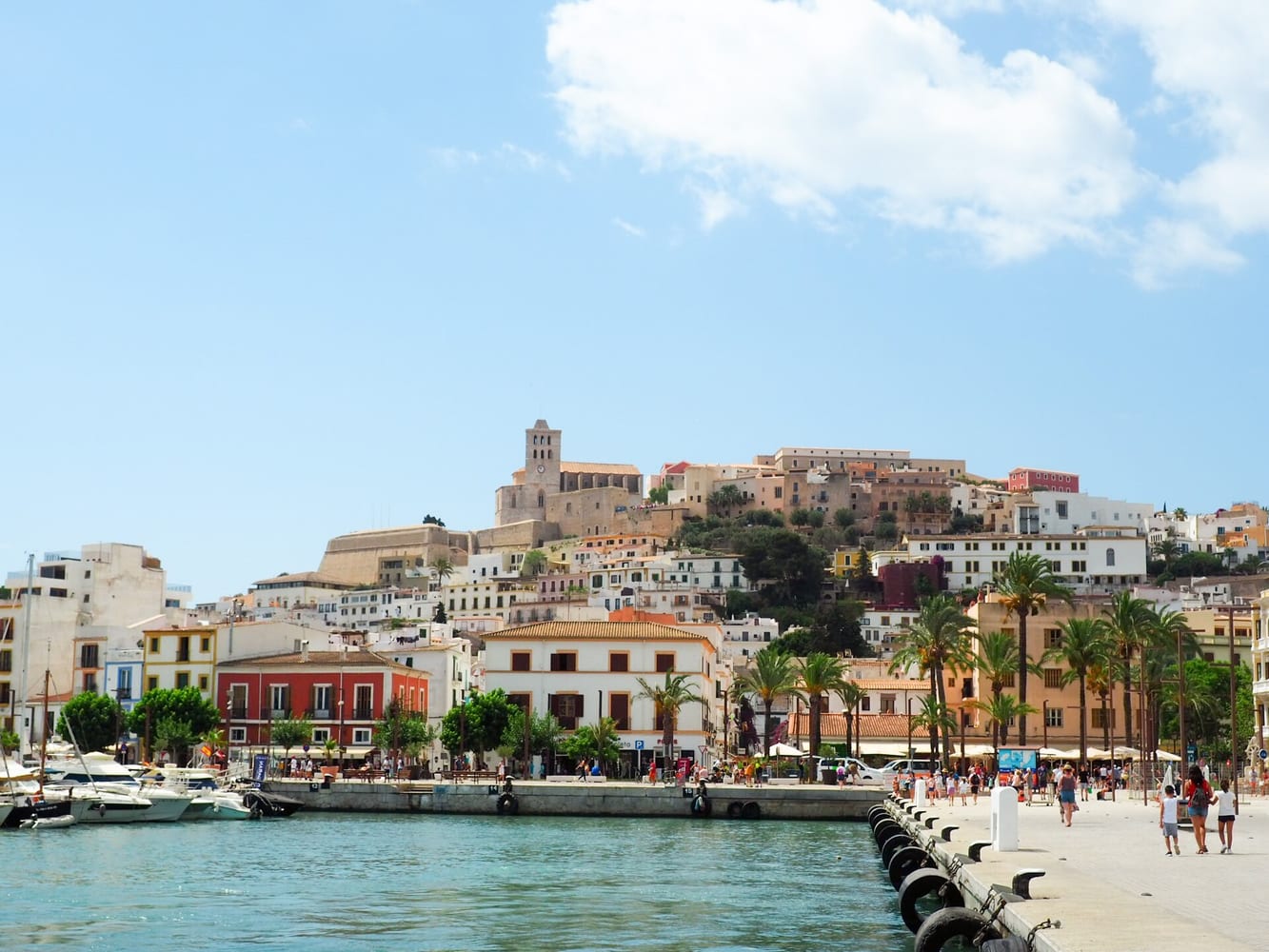
The fortified upper town of Ibiza, with Renaissance walls, a cathedral and lanes of whitewashed houses, part of a World Heritage site. Visit in the late afternoon and stay for the view over the harbour.
Photo: erwin@jetcamp.com · CC BY 2.0 · Wikimedia Commons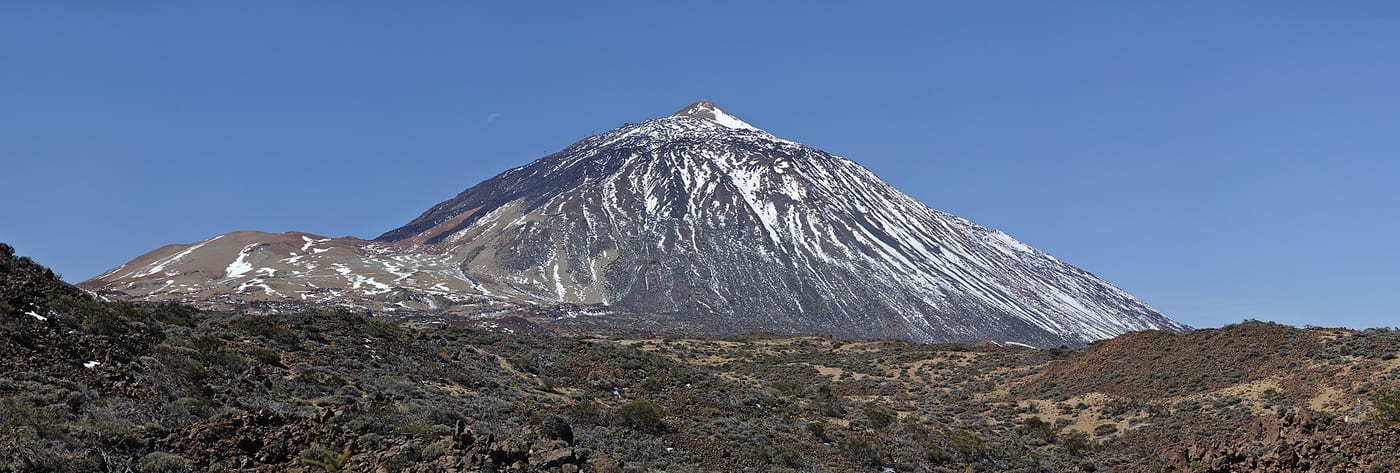
Spain’s highest peak, a volcano surrounded by a lunar landscape of lava fields and rock formations in a national park. A cable car climbs most of the way, but a permit is required to reach the summit and must be arranged in advance.
Photo: Quartl · CC BY-SA 3.0 · Wikimedia Commons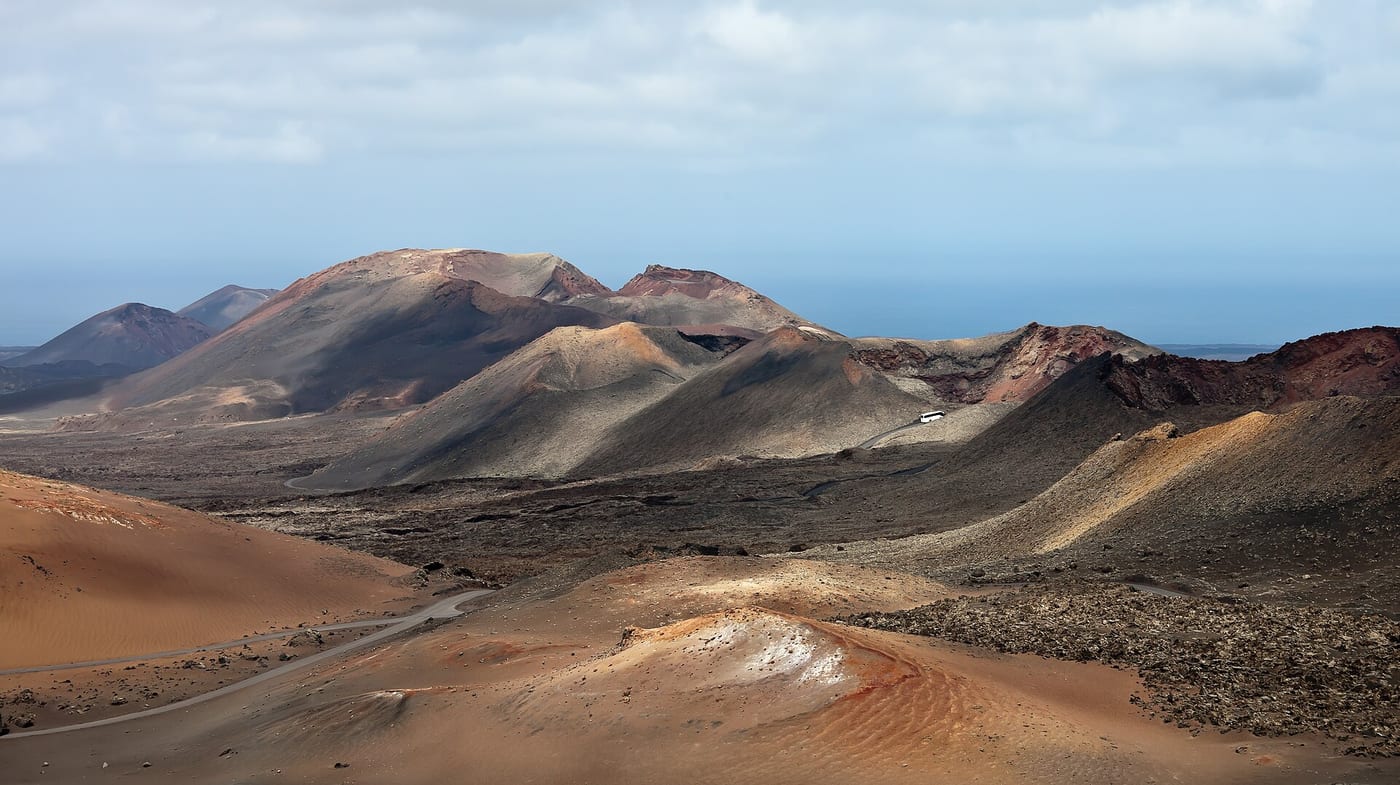
A national park of volcanic craters and lava fields formed by eruptions in the eighteenth century, where heat still rises close to the surface. Visits to the heart of the park are by organised coach route.
Photo: Luis Miguel Bugallo Sánchez (Lmbuga) · CC BY-SA 3.0 · Wikimedia Commons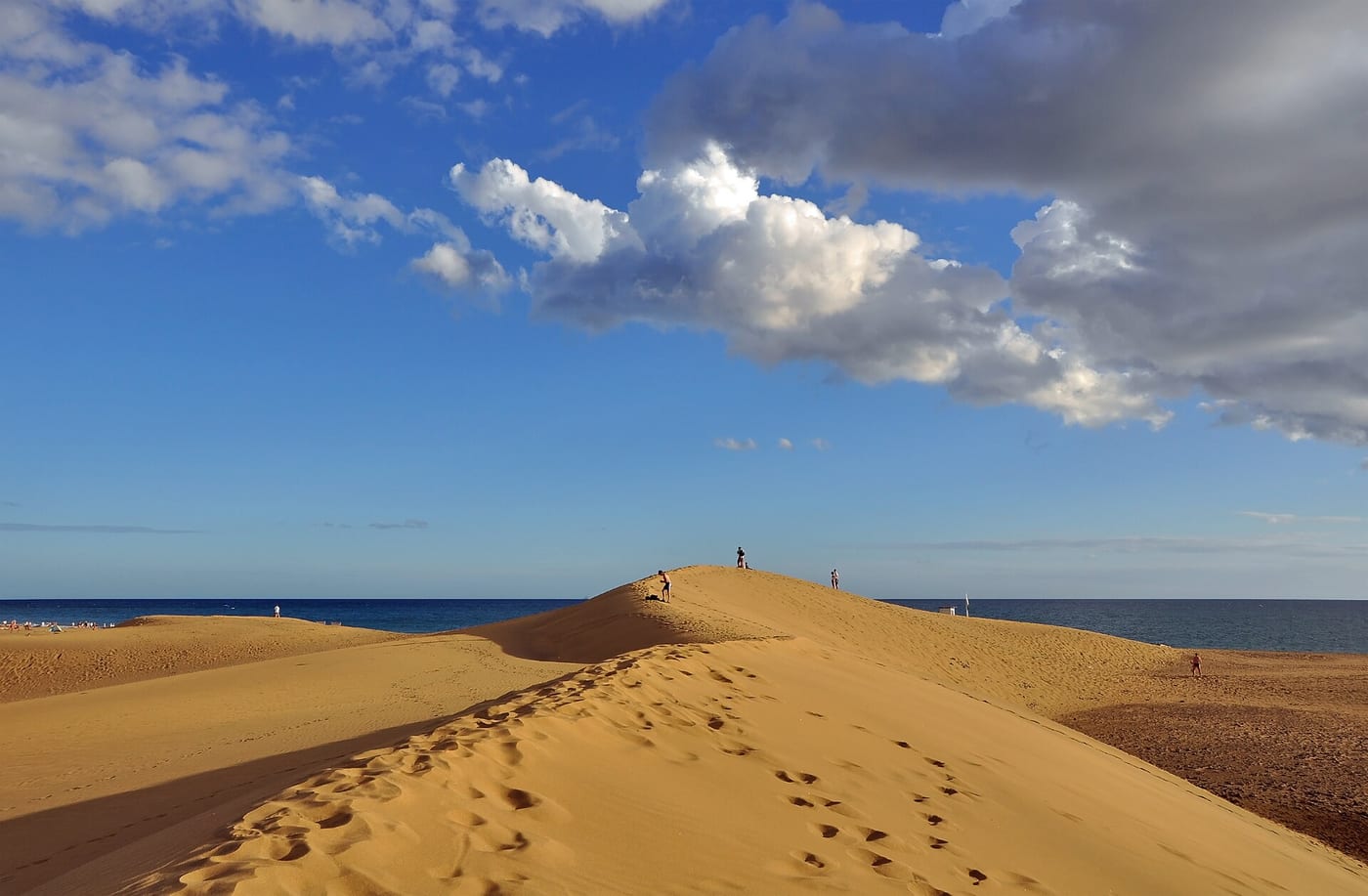
A protected area of golden sand dunes beside the sea in the south of Gran Canaria, ending at a lighthouse and a lagoon. Walk early or late in the day; the sand becomes very hot at midday.
Photo: Marc Ryckaert (MJJR) · CC BY 3.0 · Wikimedia CommonsEntry requirements, visas, health advice and safety conditions change. Before you travel, check Smartraveller and the official sources of each country.