The capital of Andalusia is a city of orange trees, Moorish palaces, a vast Gothic cathedral and flamenco, at its most beautiful in spring.
Seville is the heart of any journey through Andalusia and pairs naturally with Córdoba and Granada. Allow two to three days: one for the cathedral, the Giralda and the Royal Alcázar, one for the Barrio de Santa Cruz and Plaza de España, and time in the evenings for tapas and a flamenco performance. The historic centre is best explored on foot, and the cathedral and Alcázar should be booked ahead.
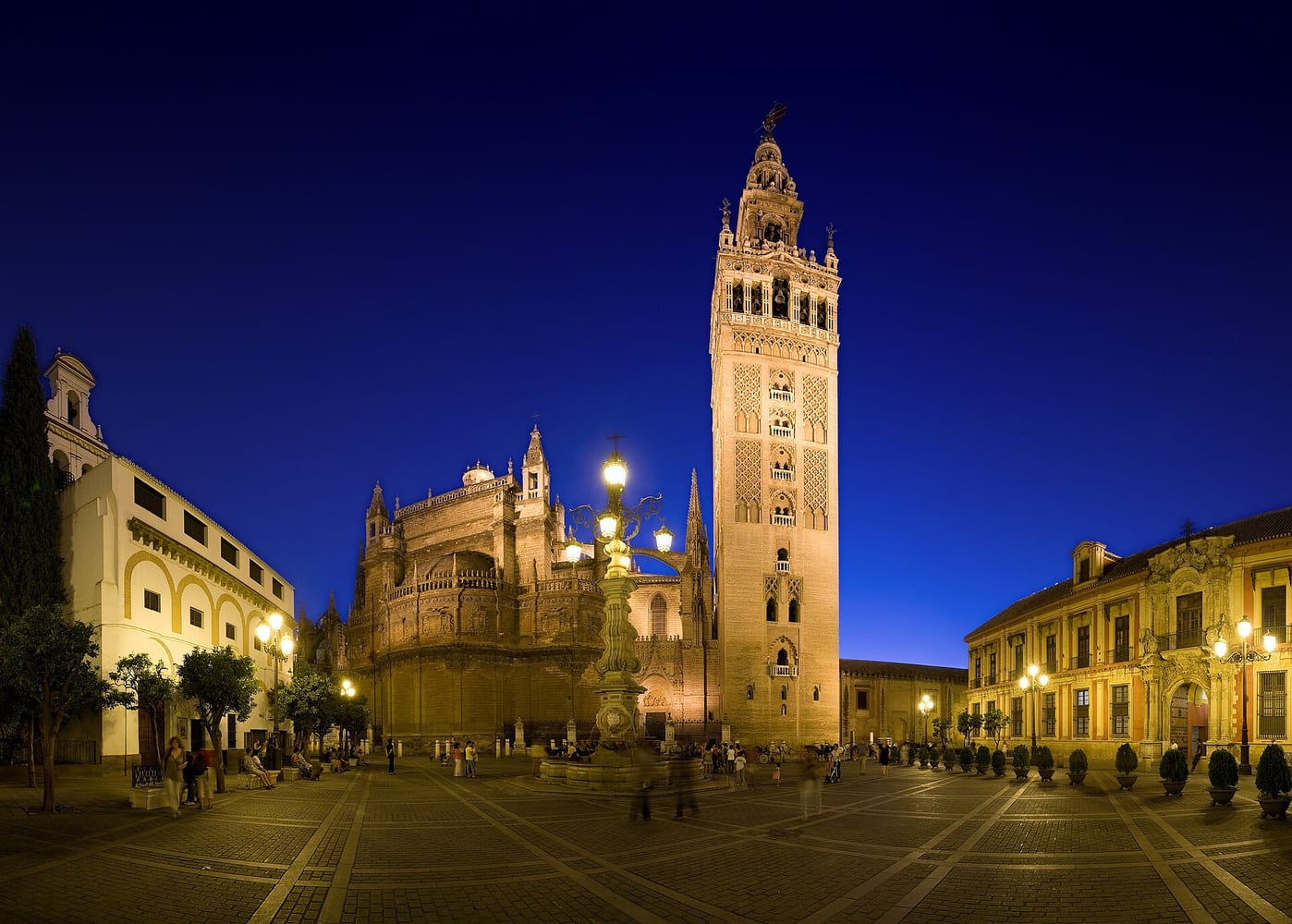
One of the largest Gothic cathedrals in the world, built on the site of a mosque whose minaret became the Giralda bell tower. Climb the ramps of the Giralda for a view over the rooftops of the old city.
Photo: Diliff · CC BY-SA 3.0 · Wikimedia Commons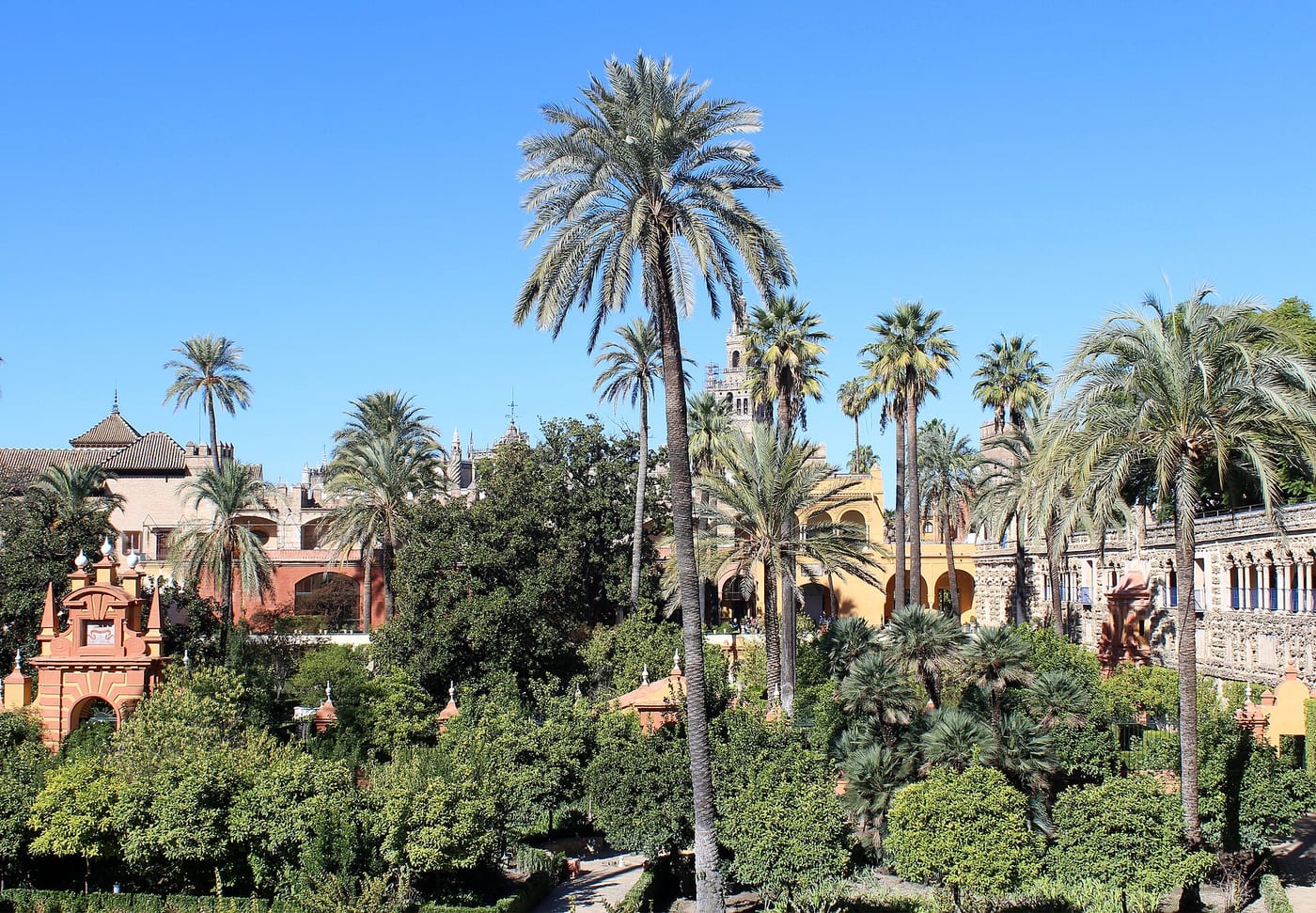
A royal palace still used by the Spanish royal family, with Mudéjar courtyards, intricate tilework and extensive gardens. Book a timed ticket ahead and allow at least two hours, including the gardens.
Photo: Martinvl · CC BY-SA 4.0 · Wikimedia Commons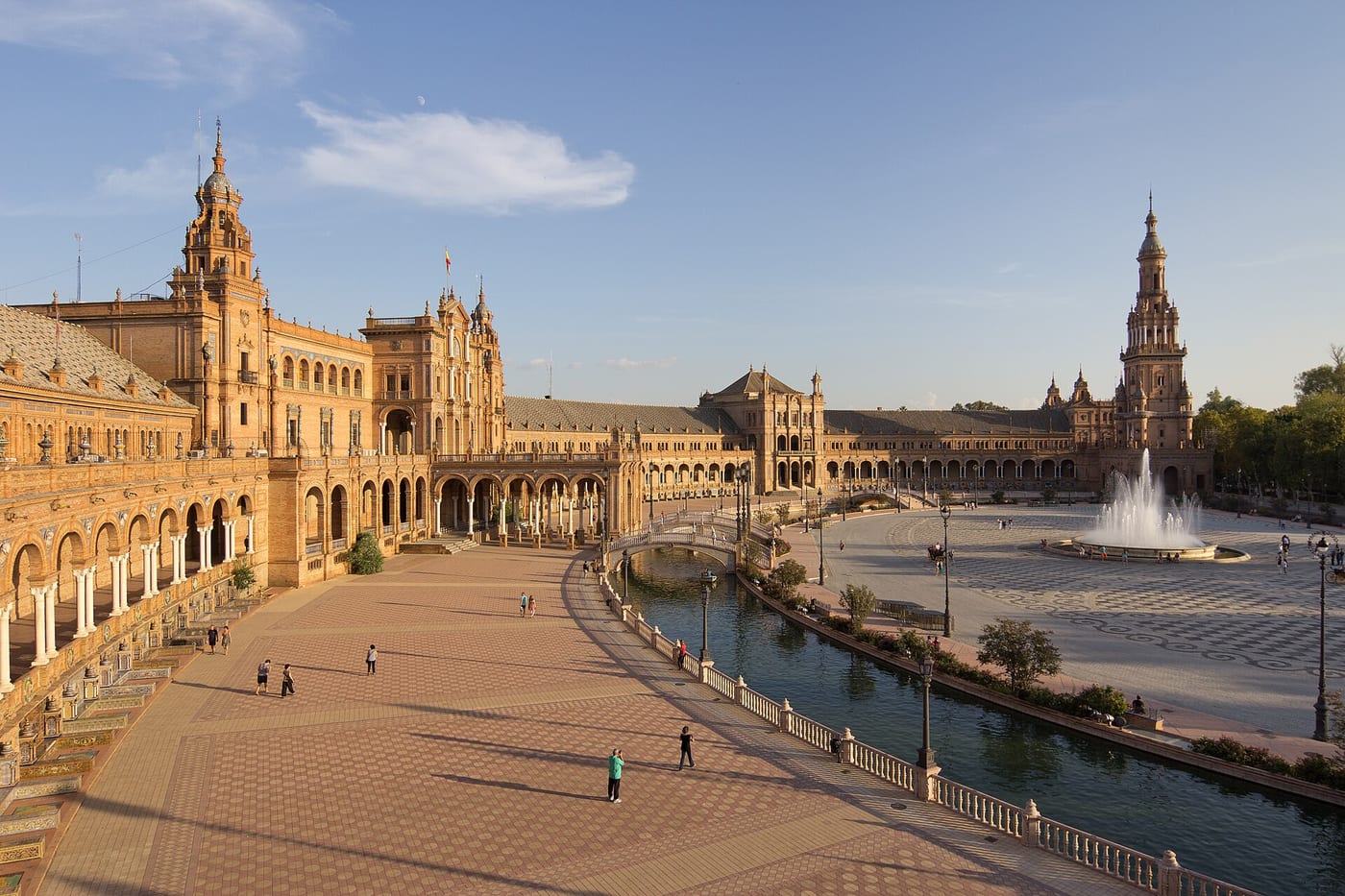
A sweeping semicircular plaza built for the 1929 Ibero-American Exposition, with a canal, bridges and tiled alcoves representing Spain’s provinces. It sits beside María Luisa Park, a shady place to walk.
Photo: Carlos Delgado · CC BY-SA 4.0 · Wikimedia Commons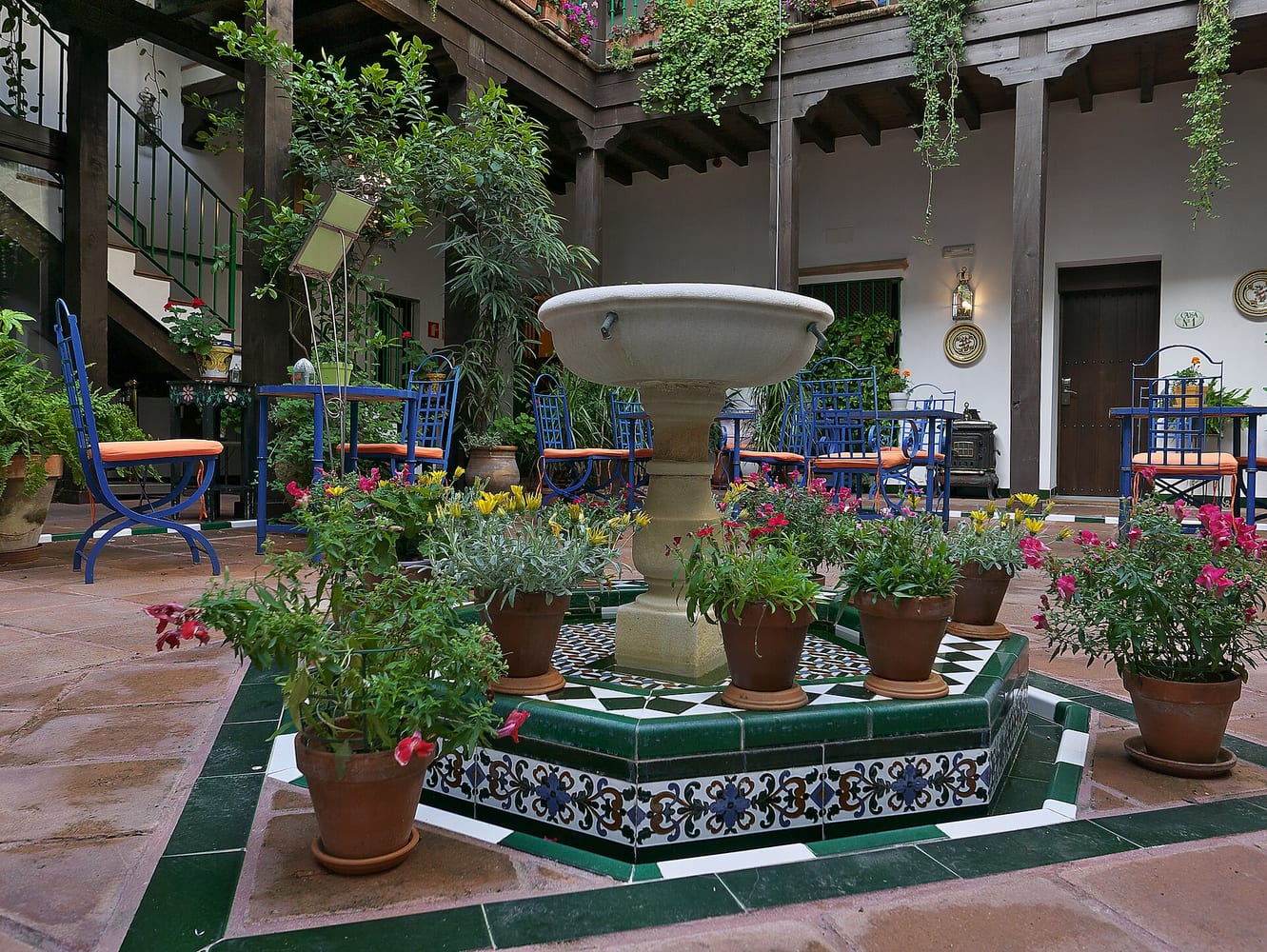
The old Jewish quarter, a maze of whitewashed lanes, flower-filled patios and small squares next to the Alcázar. Wander without a fixed route, ideally in the morning or evening when it is cooler.
Photo: Jl FilpoC · CC BY 4.0 · Wikimedia Commons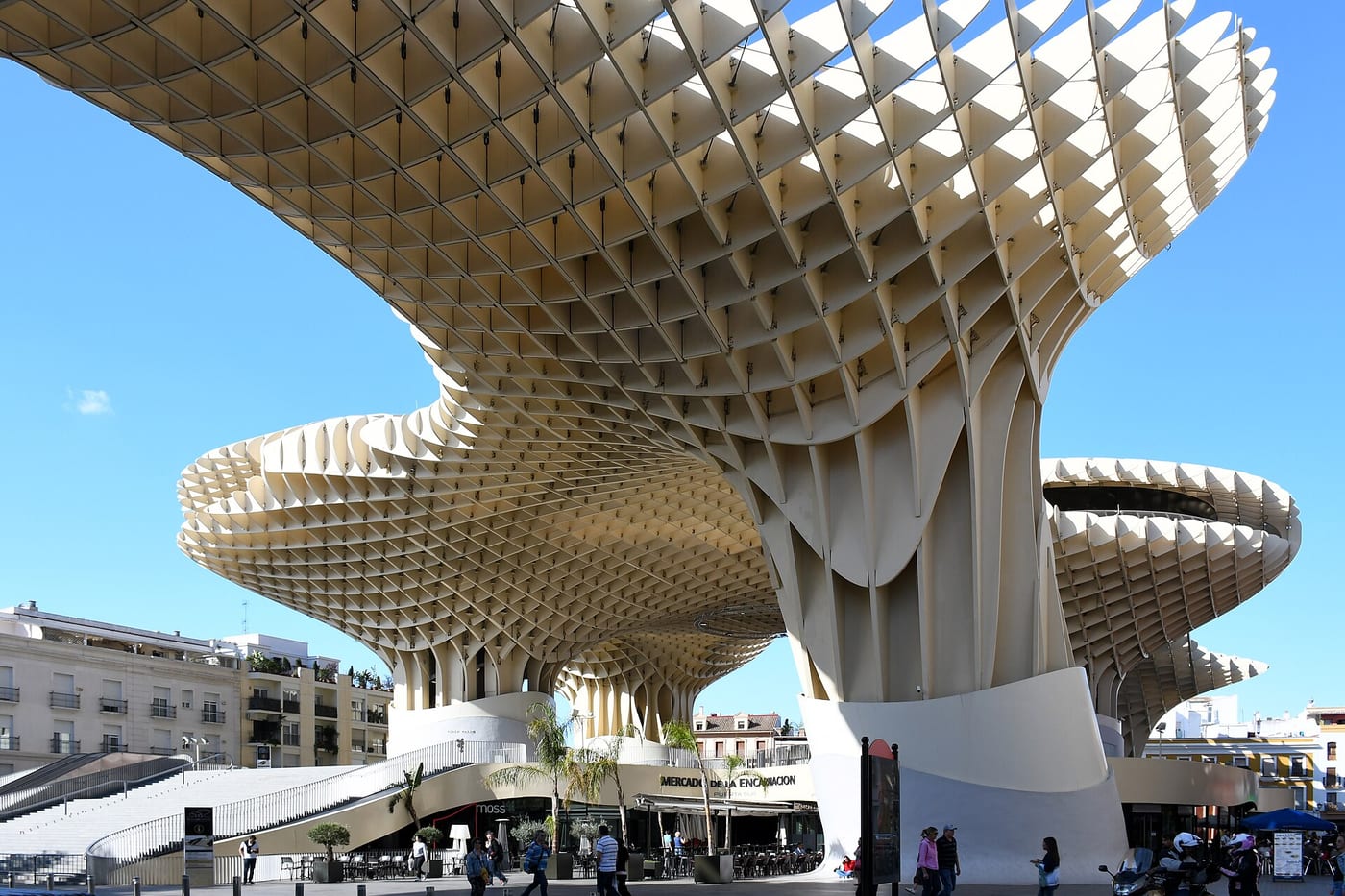
A huge modern timber canopy over Plaza de la Encarnación, with a walkway on top and Roman remains in the museum below. Visit at dusk, when the city lights come on.
Photo: Gzzz · CC BY-SA 4.0 · Wikimedia CommonsEntry requirements, visas, health advice and safety conditions change. Before you travel, check Smartraveller and the official sources of each country.