Spain’s capital combines world-class art museums, a royal palace and leafy parks with a lively street life that carries on late into the night.
Madrid is the natural gateway to Spain and works well at the start or end of a longer journey. Plan at least three days: one for the Prado and the other great museums along the Paseo del Prado, one for the Royal Palace and the historic centre, and one for Retiro Park and the city’s neighbourhoods. The centre is compact enough to walk, and the metro is the easiest way to cover longer distances.
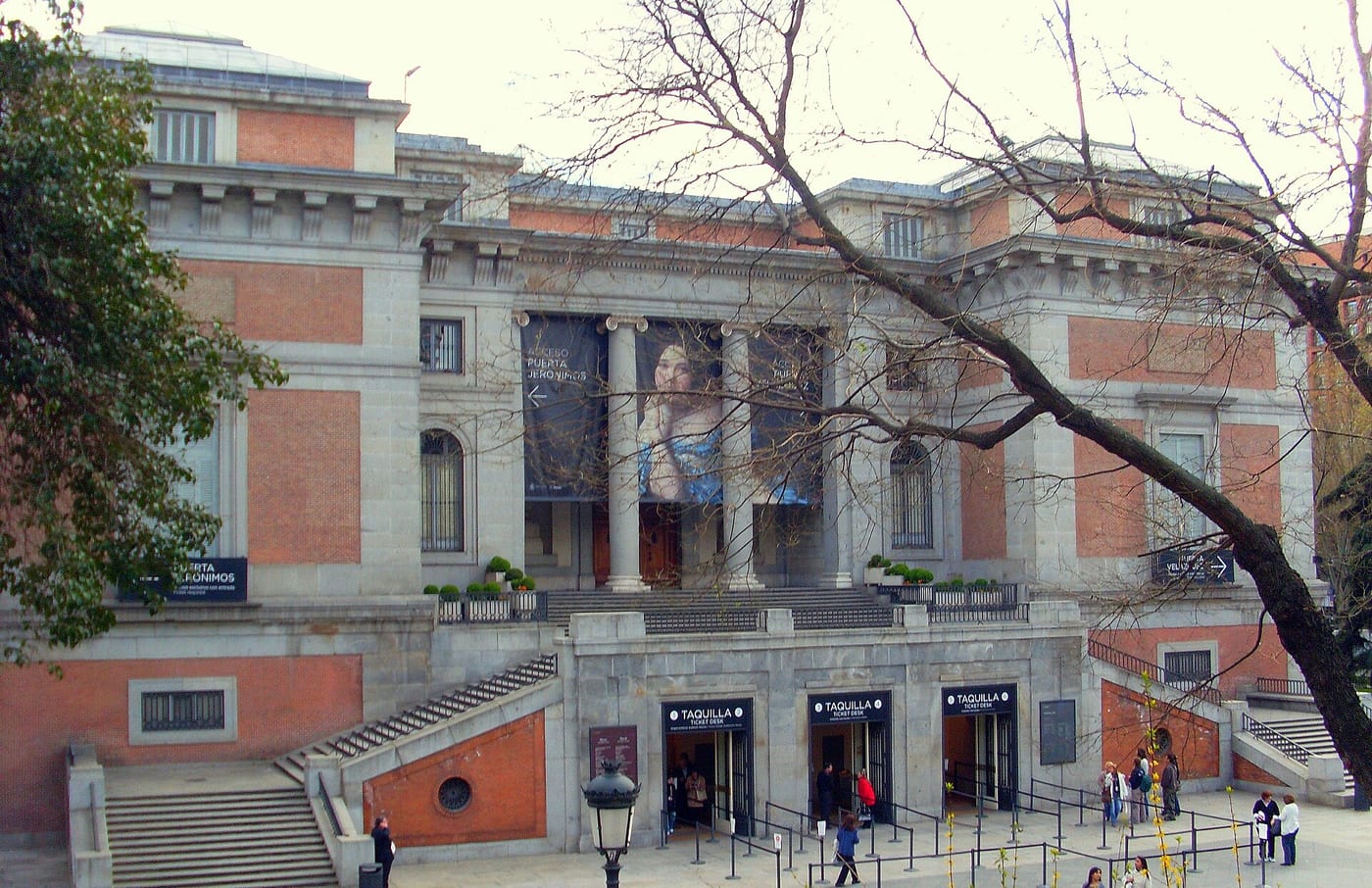
One of the world’s great art museums, with masterpieces by Velázquez, Goya, El Greco and many European painters. Book timed tickets ahead and choose a few rooms rather than trying to see everything at once.
Photo: Abi Skipp from United Kingdom · CC BY 2.0 · Wikimedia Commons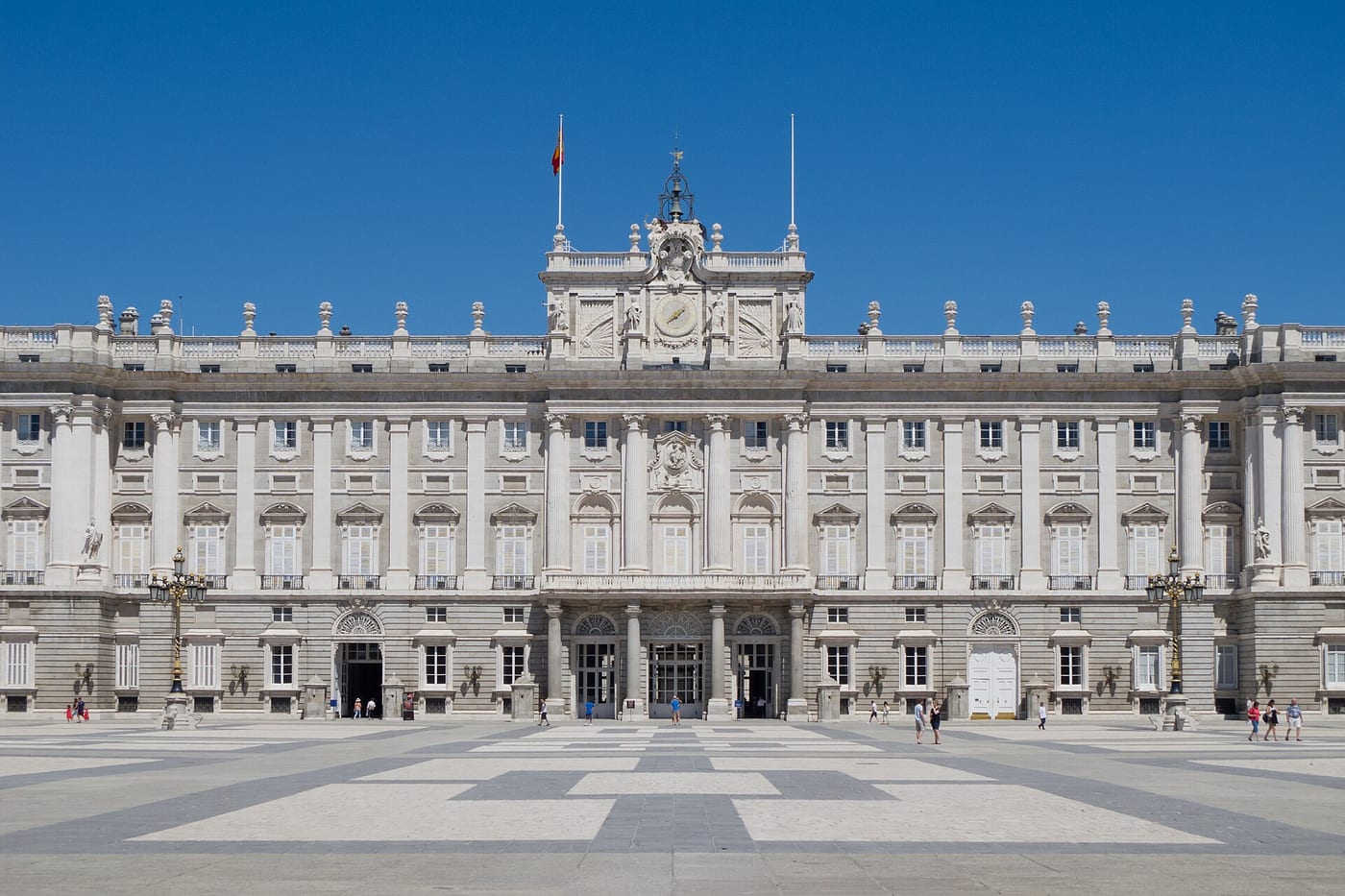
The official residence of the Spanish royal family, used today for state ceremonies, with lavish state rooms and a royal armoury. It closes on some days for official events, so check before you go.
Photo: Carlos Delgado · CC BY-SA 3.0 · Wikimedia Commons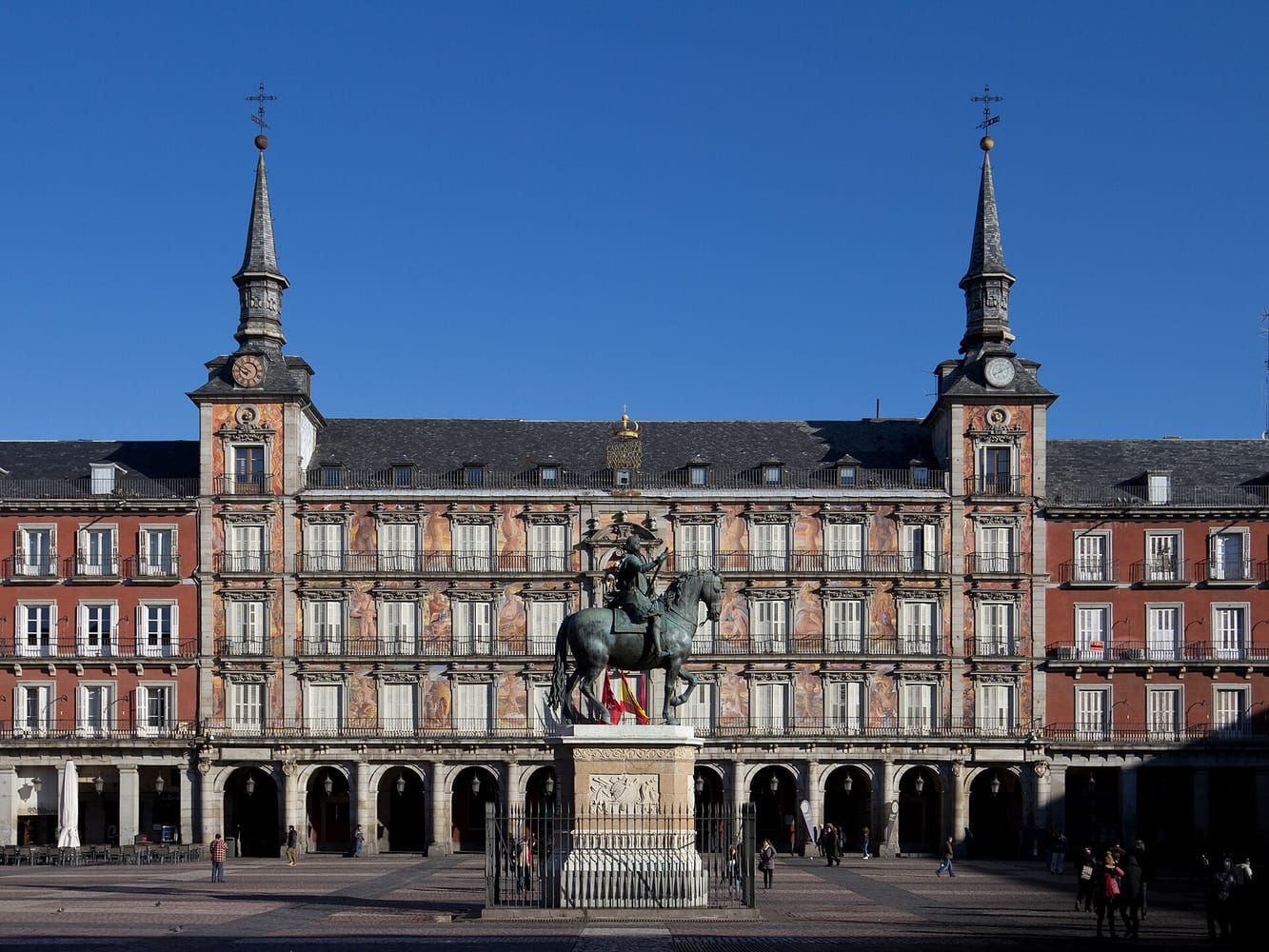
A grand arcaded square from the seventeenth century that has hosted markets, festivals and bullfights. Enjoy the architecture, then try the tapas bars in the side streets and the nearby Mercado de San Miguel.
Photo: Carlos Delgado · CC BY-SA 3.0 · Wikimedia Commons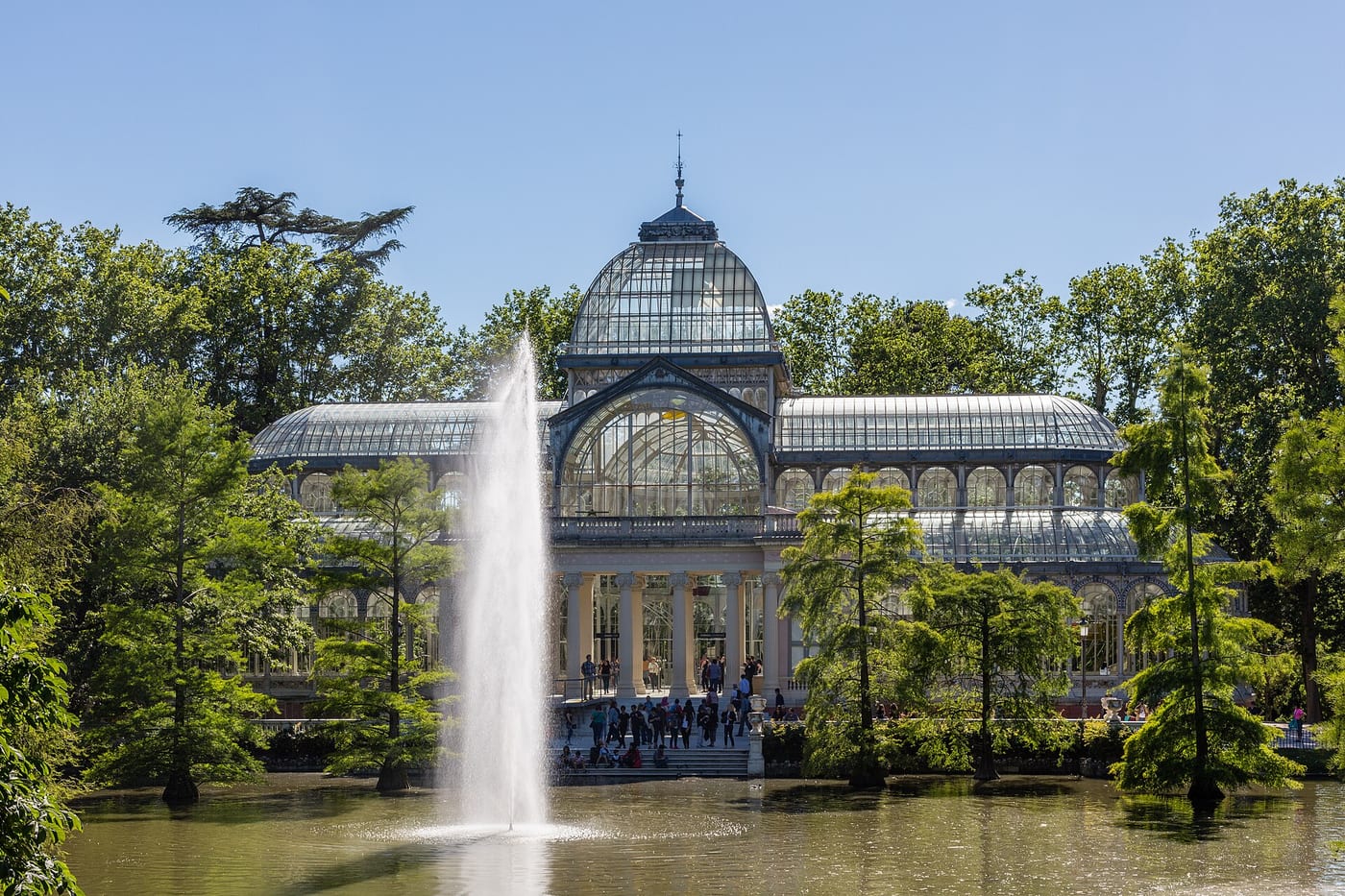
Madrid’s best-loved park, with a boating lake, shady avenues and the glass-and-iron Crystal Palace used for art exhibitions. It is a pleasant break between visits to the Prado and the other museums nearby.
Photo: Diego Delso · CC BY-SA 4.0 · Wikimedia Commons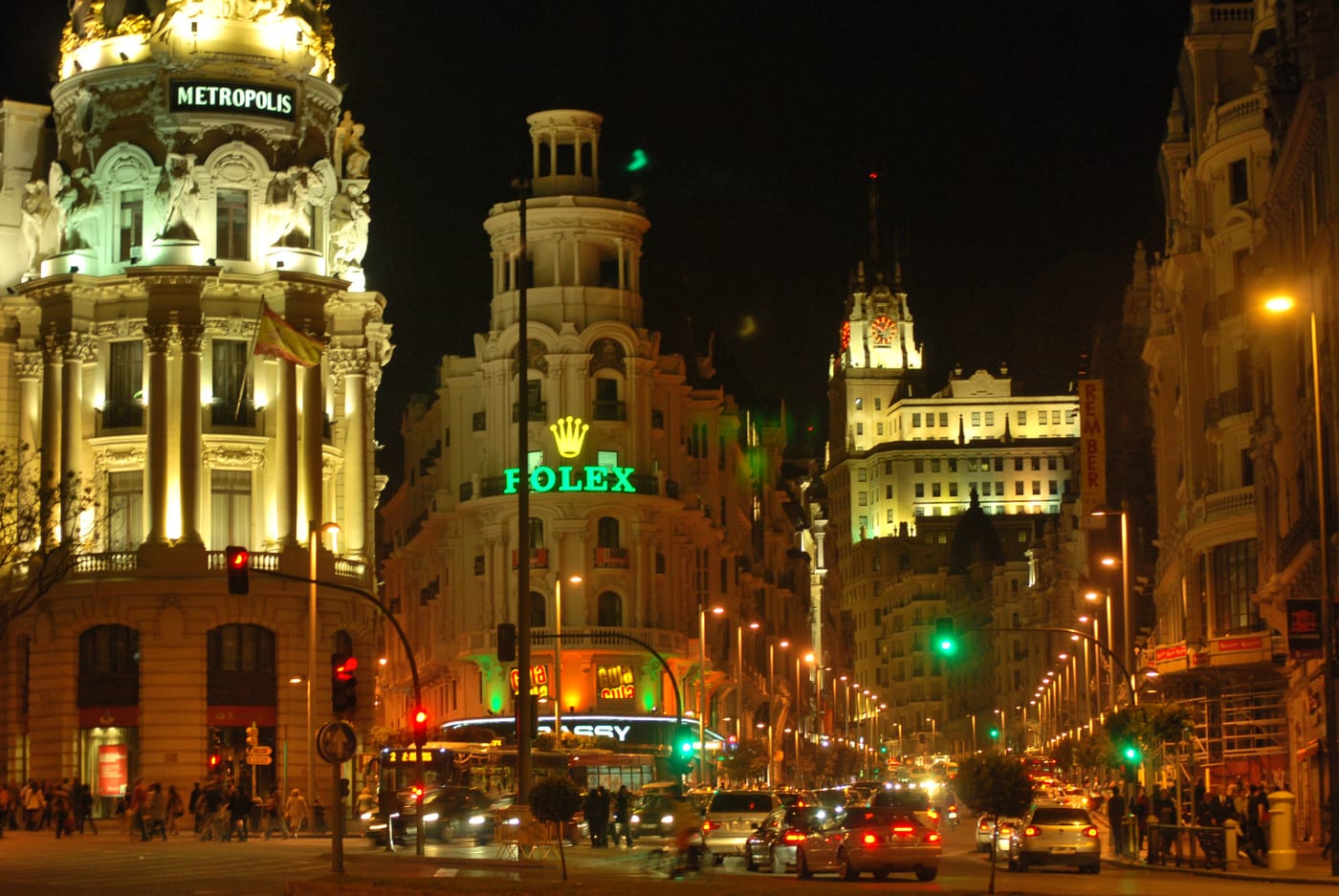
The city’s great avenue of the early twentieth century, lined with theatres, cinemas, shops and grand buildings such as the domed Metrópolis. Rooftop terraces along the street offer wide views at sunset.
Photo: Jan S0L0 · CC BY-SA 2.0 · Wikimedia CommonsEntry requirements, visas, health advice and safety conditions change. Before you travel, check Smartraveller and the official sources of each country.