Green, rainy and Celtic in spirit, Galicia is the end point of the Camino de Santiago, with a great pilgrimage cathedral, Roman walls and a wild Atlantic coast.
Galicia can be visited as a touring holiday or as the final stretch of the Camino de Santiago. Many walkers start in Sarria to complete the last hundred kilometres or so on foot, which takes about five to six days with luggage transfers arranged between villages. Others base themselves in Santiago de Compostela and explore Lugo, A Coruña, the Rías Baixas and the Costa da Morte by road. Allow at least four days, and pack a rain jacket in any season.
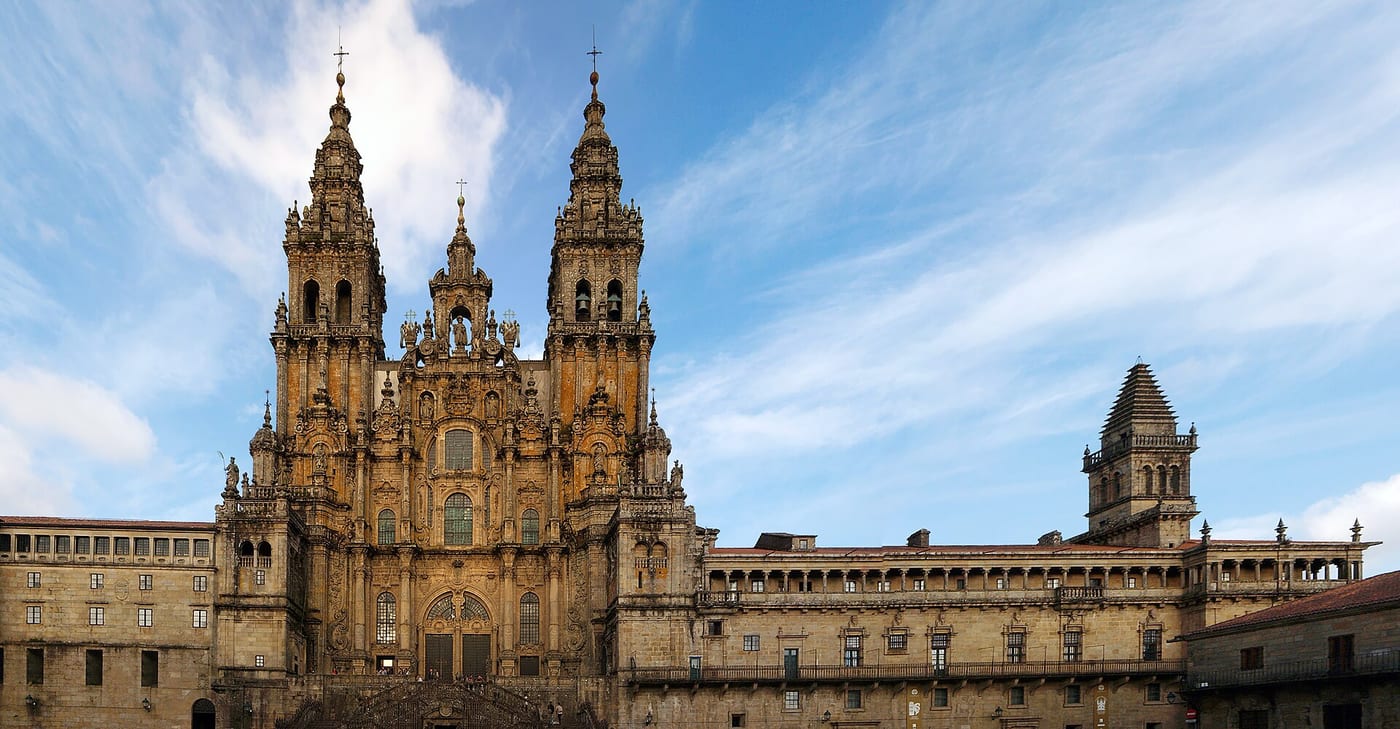
The Romanesque cathedral that holds the tomb traditionally attributed to Saint James, end of the Camino, with its Baroque façade facing Praza do Obradoiro. Arrive at midday to see pilgrims gathering for the pilgrims’ Mass.
Photo: Stegop · CC BY-SA 4.0 · Wikimedia Commons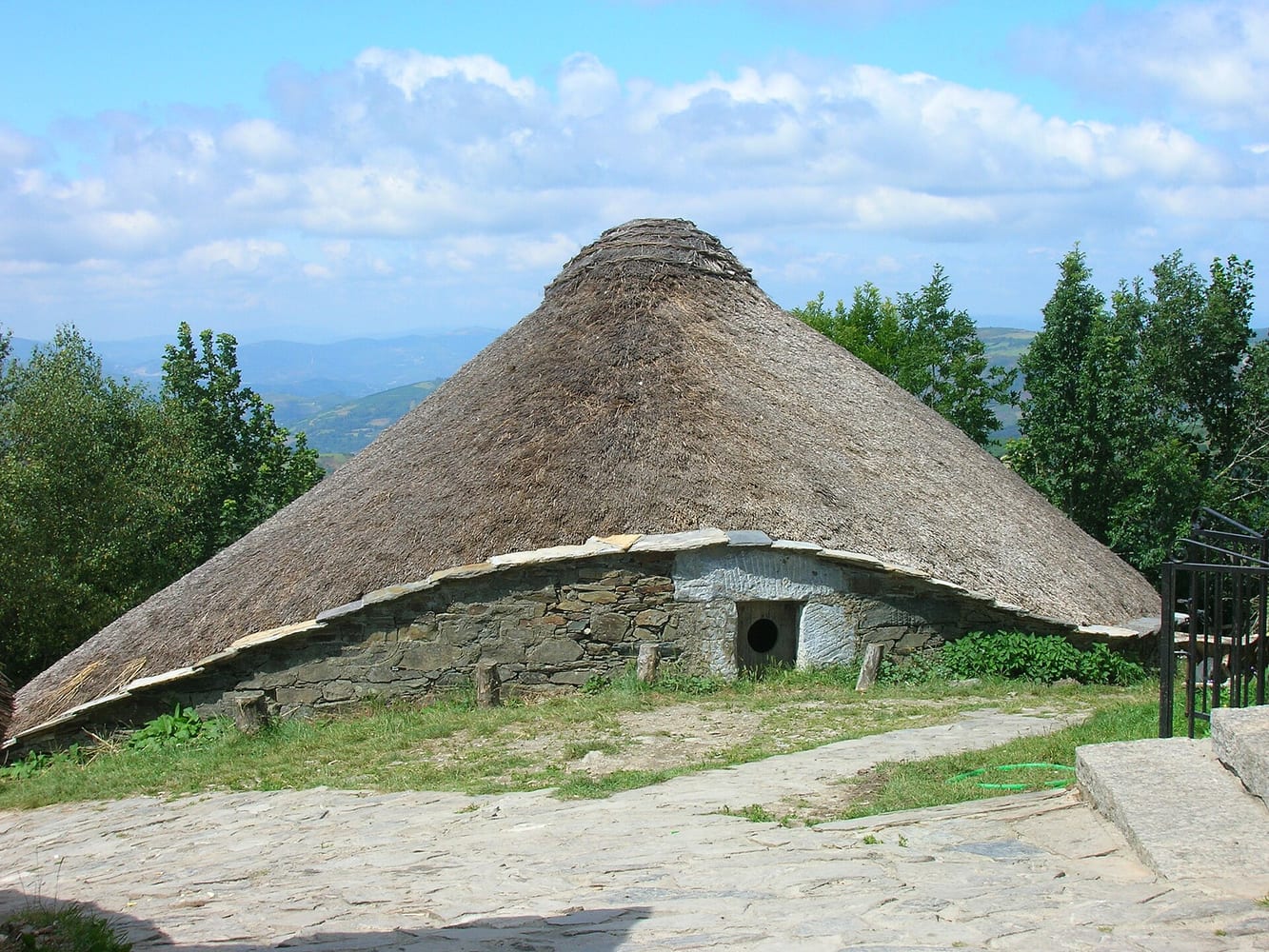
A mountain village on the Camino Francés at the entrance to Galicia, known for its round stone houses with thatched roofs, called pallozas. Views over the hills are wide on a clear day, but mist is common.
Photo: SanchoPanzaXXI · CC BY-SA 3.0 · Wikimedia Commons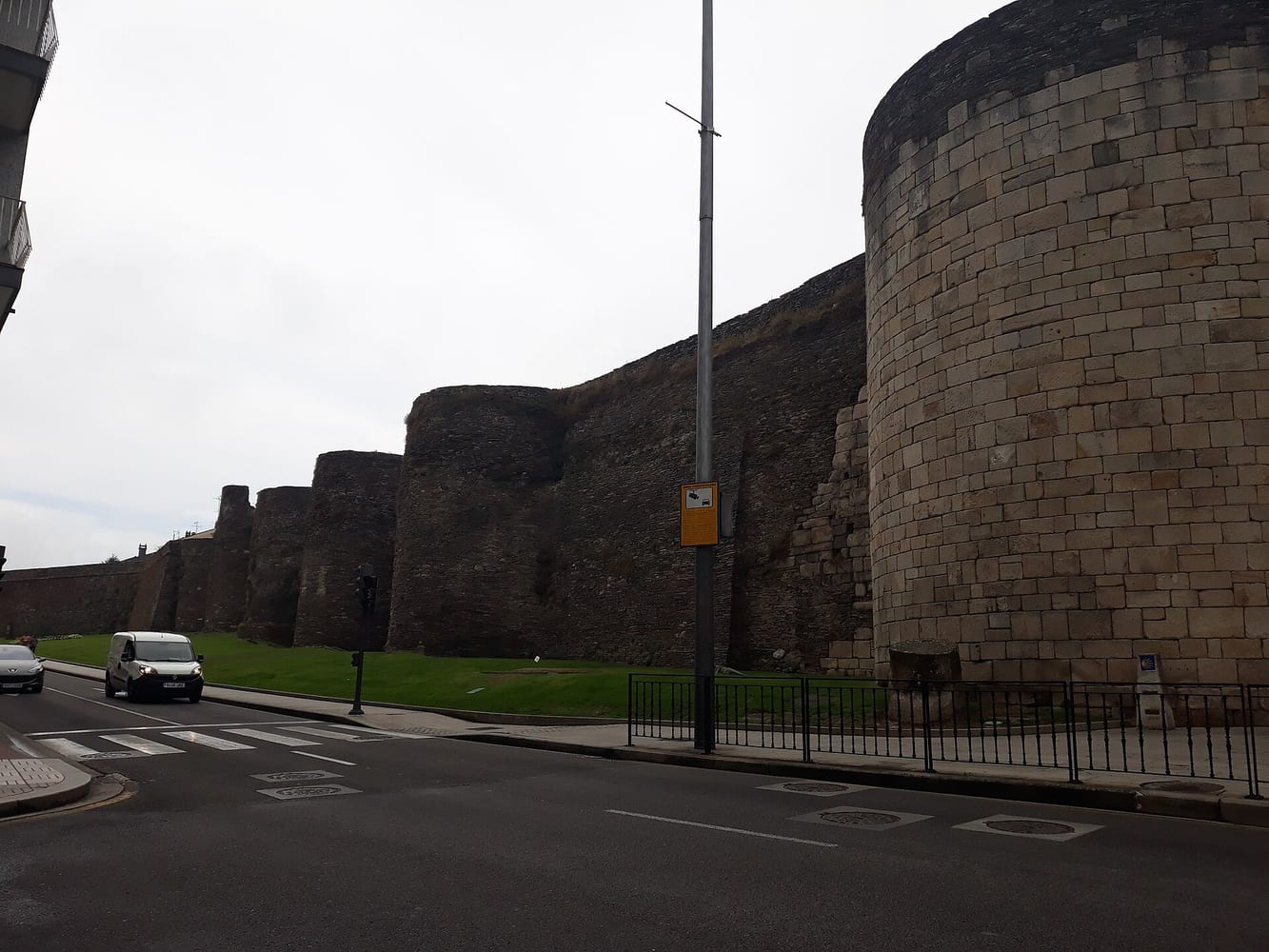
Roman walls that still surround the whole old town of Lugo and are a World Heritage site. You can walk the full circuit along the top in about an hour.
Photo: Simon Burchell · CC BY-SA 4.0 · Wikimedia Commons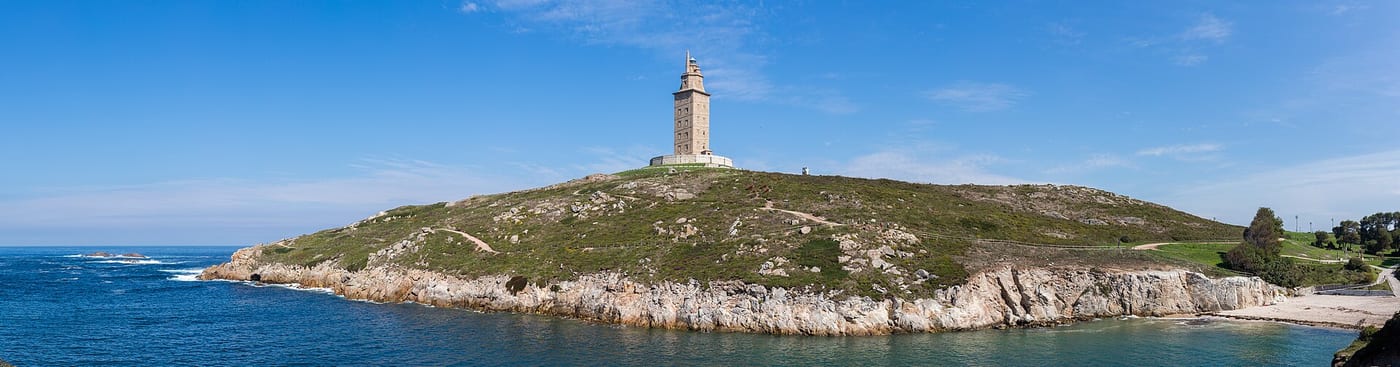
A lighthouse of Roman origin on a headland in A Coruña, still in use and a World Heritage site. The coastal path around it makes a pleasant walk.
Photo: Diego Delso · CC BY-SA 4.0 · Wikimedia Commons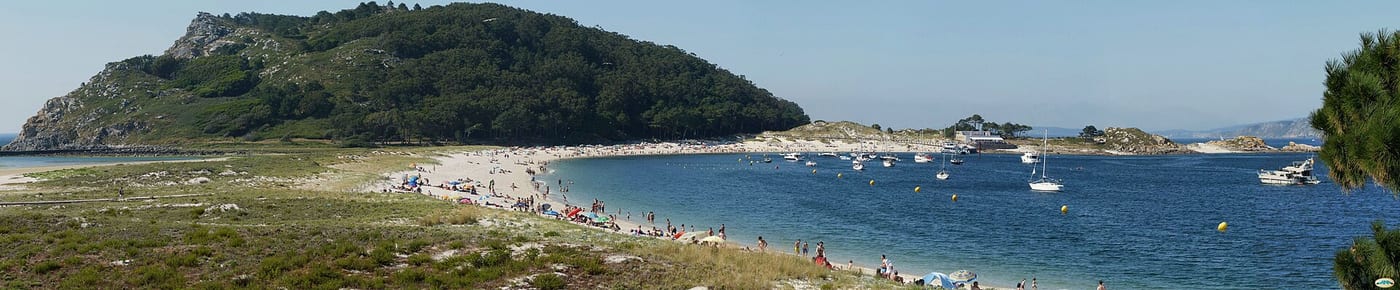
A group of protected islands at the mouth of the Ría de Vigo, part of a national park, with white sand beaches and clear water. Visitor numbers are limited, so an authorisation and ferry place must be arranged in advance in summer.
Photo: juantiagues · CC BY-SA 2.0 · Wikimedia Commons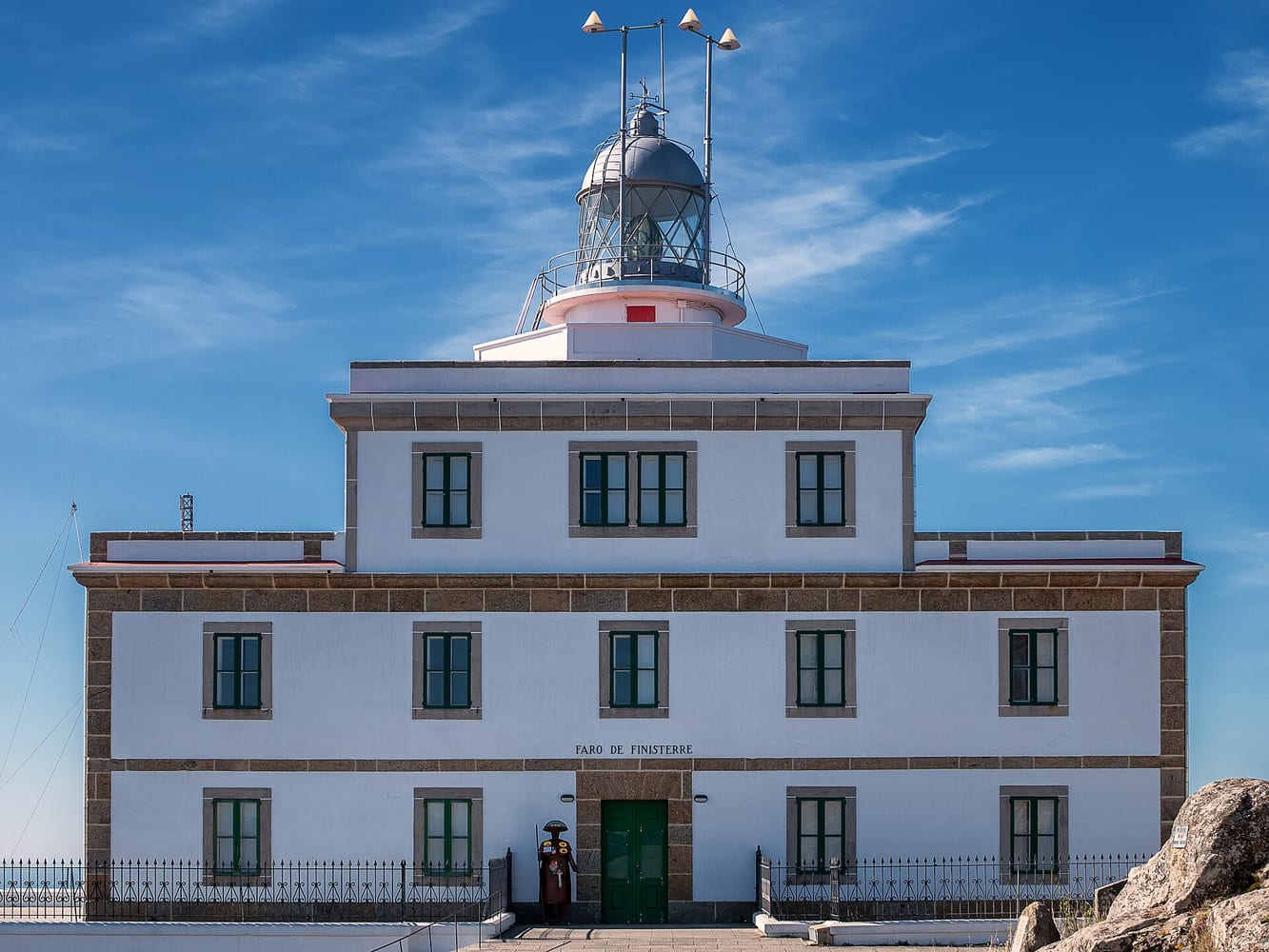
A rocky cape with a lighthouse on the Costa da Morte, once thought to be the end of the known world and today an extension of the Camino. Watch the sunset over the Atlantic.
Photo: Basotxerri · CC BY-SA 4.0 · Wikimedia CommonsEntry requirements, visas, health advice and safety conditions change. Before you travel, check Smartraveller and the official sources of each country.